



2021 Restaurant Trends

 Story by:
Jim Dykstra
Story by:
Jim Dykstra
Last year we touched on the growing popularity of fast casual dining and zero-waste cooking. This year, the theme is survival. How do businesses predicated on a dine-in model survive in a world where dining in may be a life-and-death situation?
How do restaurants that pride themselves on making you feel like family operate in a world of plexiglass screens, table dividers, mandatory temperature checks and masks? There’s no sense in fighting it – all that can be done is to accept it and move forward. Those businesses that don’t will simply not survive.
On that rosy note, here is The Beer Connoisseur’s 2021 Restaurant Trends report – an idea of what sort of restaurant experience you can expect in the coming year and the foreseeable future.
Less Dining In When Eating Out
Let’s start with the obvious. For now, at least, dine-in is a shell of what it once was. That means that off-premises dining, already a growing trend, has now become the preferred method of ordering from a restaurant. In fact, it is what kept the restaurant industry from falling apart entirely as weeks of lockdown stretched on.
Many businesses that formerly relied heavily on dine-in have since joined delivery services like DoorDash and UberEats, or even created their own in-house delivery apps. As a result, they are reaching a broader range of customers than ever before. There is no reason to expect this mode of service to disappear when the pandemic subsides. It works, it’s convenient, and proven. Delivery, even from traditionally dine-in-focused restaurants, is here to stay.
Pickup is every bit as prevalent as delivery these days and will see a similarly lasting boon. It’s contactless, and in true American fashion, you often don’t even have to leave your car – they’ll bring it out to you and put it in your trunk, maintaining six feet of distance all the while. In a society that fights over the closest parking spot and waits on the elevator rather than taking the stairs, that convenience is priceless.
While this makes perfect sense for traditional pickup establishments like pizzerias, finer dining options have found a much-needed lifeline in contactless pickup. These establishments can also create standardized options – like family meal kits, which allow for easy ordering and reliable, streamlined inventorying. Restaurateurs need every bit of predictability they can get in a year of chaos and offering pre-selected menu options can be a win for both the chef and indecisive customers.
These sorts of adaptations can be tailored to any business model. Establishments that relied heavily on alcohol sales, for example, can sell house-made drink mixes and cocktail kits. Restaurants can capitalize on the pickup trend by stocking what they know sells and packaging it in a way that suits the needs of the average customer. In 2020, where convenient dining is the norm, the more streamlined the ordering process, the more likely you are to have a return customer.
Convenient, Hands-Off Ordering
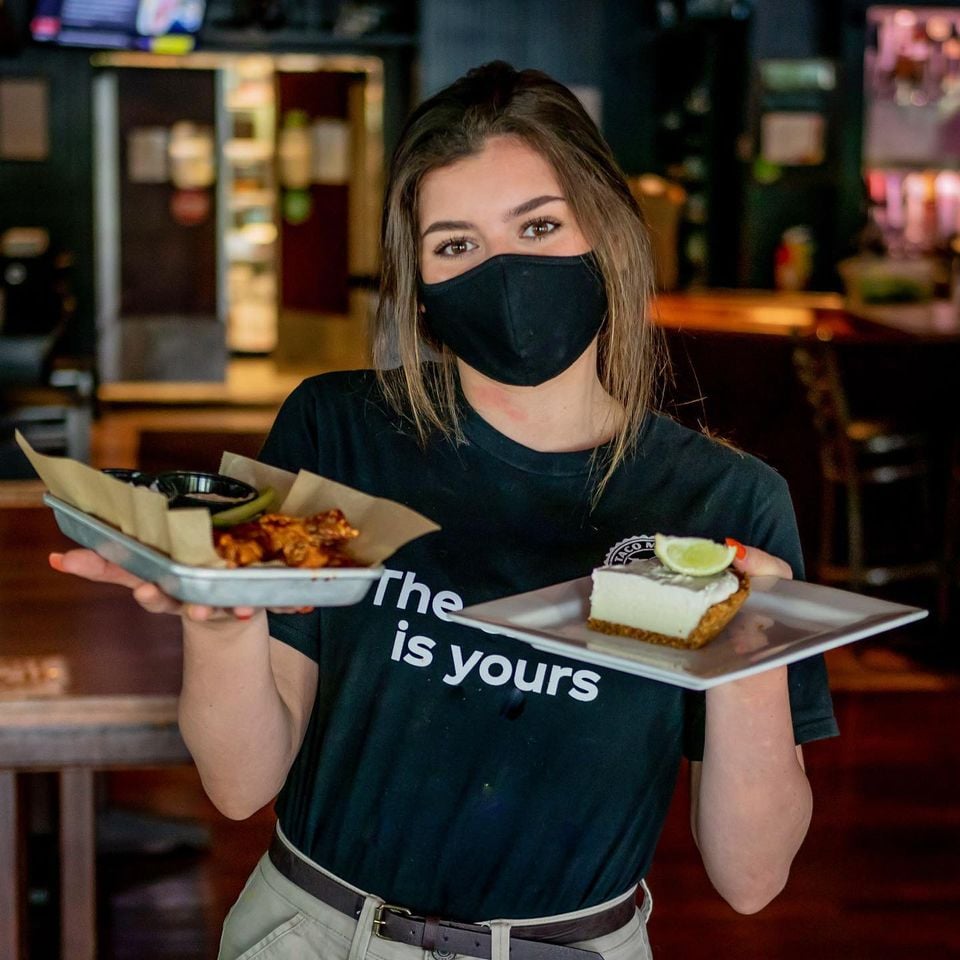
Speaking of ordering, COVID-19 has helped usher restaurants into the 21st century. Mobile apps and touchless payments had already been gaining steam, as they offered more convenience to the user, as well as more consumer data to the business.
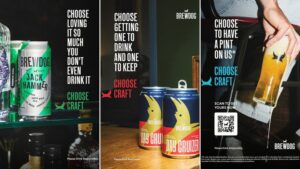
In 2020, these means of ordering became essential for health reasons, and businesses that had been slow to adopt these advancements suddenly sprung to life. Hard copies of menus began falling by the wayside. Why invest time and cleaning supplies into sterilizing menus when you can simply have a customer scan a QR code?
Once reserved for only the haughtiest, busiest of establishments, online table bookings are now a fairly standard expectation for businesses. They minimize crowds in a time where crowds can induce anxiety, and help restaurants plan ahead, while offering a foolproof means of reserving a table. Modern table reservation software can also shine where the human brain falters – staggering arrival times, creating virtual waitlists, monitoring capacity and gathering contact info automatically, freeing up the extra-short staff to handle everything else that only a human could do.
Just as with off-premises dining, we can mark all these hands-off, electronic trends down as permanent changes. It hasn’t taken long for consumers to catch on, and they now expect these methods of ordering and the convenience they offer. Anything less is a statement that a business is lingering in a bygone era, whether intentional or not.
Automating the Kitchen
Technology isn’t just making ordering easier – it’s helping to perfect food preparation, and to protect employees. One of the tougher challenges of operating a restaurant during a pandemic is maintaining social distancing, and most kitchens do not have the luxury of excess square footage.
There are a few solutions. Staggering shifts, monitoring health of workers and operating with smaller teams have been basic precautions. When possible, employees can be specialized as well, minimizing their contact with others.
Anyone who’s worked in a kitchen, however, knows that cashiers inevitably have to run into the kitchen every now and then, and cooks occasionally grace the dining room with their presence. One proven method for minimizing front-of-house and kitchen staff contact is through the use of kitchen display systems (KDS), which send orders straight from the POS to screens installed in the kitchen. If this sounds familiar, it’s because KDSs are standard in most fast-food restaurants, which are tailored towards high-volume takeout orders and maximum efficiency. Businesses that have pivoted from dine-in to takeout have likely felt the stress of being short-staffed, taking orders over the phone and running back to the kitchen to relay the order.
A KDS system will automatically display menu items in the order they are to be prepared, and can be sent to station-specific screens, like the grill or fryer. They also remove human error from tracking and fulfilling orders, simplify work during rush periods and help employees meet scheduled time slots for pickup and delivery. While nothing is more important than a quality employee, a quality employee backed by quality technology can greatly enhance a restaurant’s efficiency.
Dining Outdoors Is In
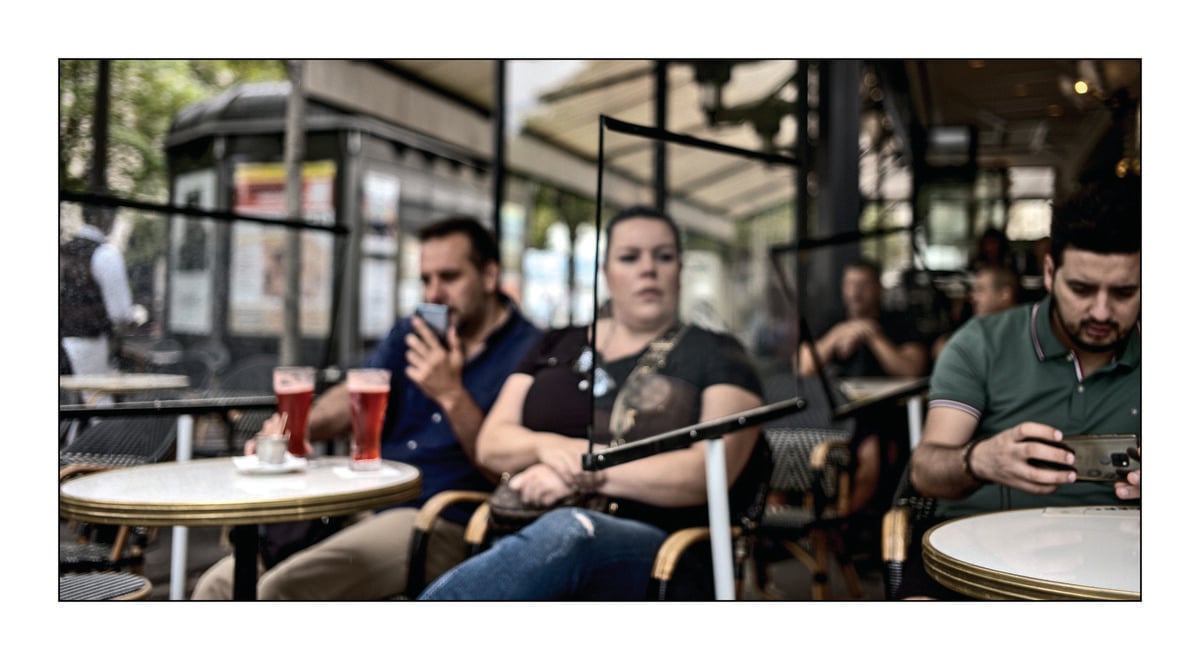
Legality and public health permitting, sit-down experiences are still feasible, more often than not in an outdoor, ‘al fresco’ setting. Many businesses already had patios or outdoor garden-style seating, but many more have been able to convert parking lot space into functional outdoor dining spaces, helping to account for decreased indoor dining capacity and the need for proper social distancing.
OpenTable, an online booking service, reported a tenfold increase in outdoor seating compared to the previous year, and this avenue has helped sustain, or even breathe new life into many businesses. If nothing else, it has restaurateurs rethinking the classic floor plan, and with it, options for dining and service. Some businesses have really taken the opportunity to rethink their business and run with it, downsizing menu items or changing menus entirely. Hotels have converted rooms to private dining areas, and fine dining establishments have converted to drive-thru burger joints, all in order to keep business flowing.
We can expect outdoor dining to see a drop in the winter months, but it’s a safe bet that this trend will be back with a vengeance once temperatures climb again.
Keep Calm and Dine On
As hard as it is to put COVID-19 in the back of mind, it is not wrong to remember that life goes on, and that there is life beyond the pandemic. In that spirit, we’ll take a look at some purely culinary trends for the coming year as delineated by the National Restaurant Association (NRA).
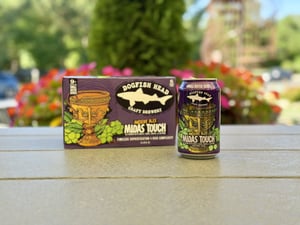
Topping the list is eco-friendly packaging – paper straws, biodegradable food containers and more. As evidenced by the shift towards cans and recyclable six pack pop-tops, green packaging is only becoming more popular, and it can send a strong signal to attract more environmentally conscious clientele.
The next hottest trends, per the NRA, are scratch-made dishes, plant-based proteins and healthy bowls. Here we see recurring themes echoed from within the beer industry – namely that of minimizing waste and paying closer attention to what is consumed. Again, these provide a reliable consumer profile to tailor your business to.
Next on the list? Creativity with catering. Think niche, colorful takes like a coffee bar or “donut wall” or more “experiential” catering options. Examples cited include “cactus tacos” as a vegan alternative or a flavored milk station. The experience can also extend to those serving the food, whether they incorporate some sort of presentation, game or just shout something funny. The goal is to provide a memorable experience, so that the clients being catered to are able to fully appreciate the experience.
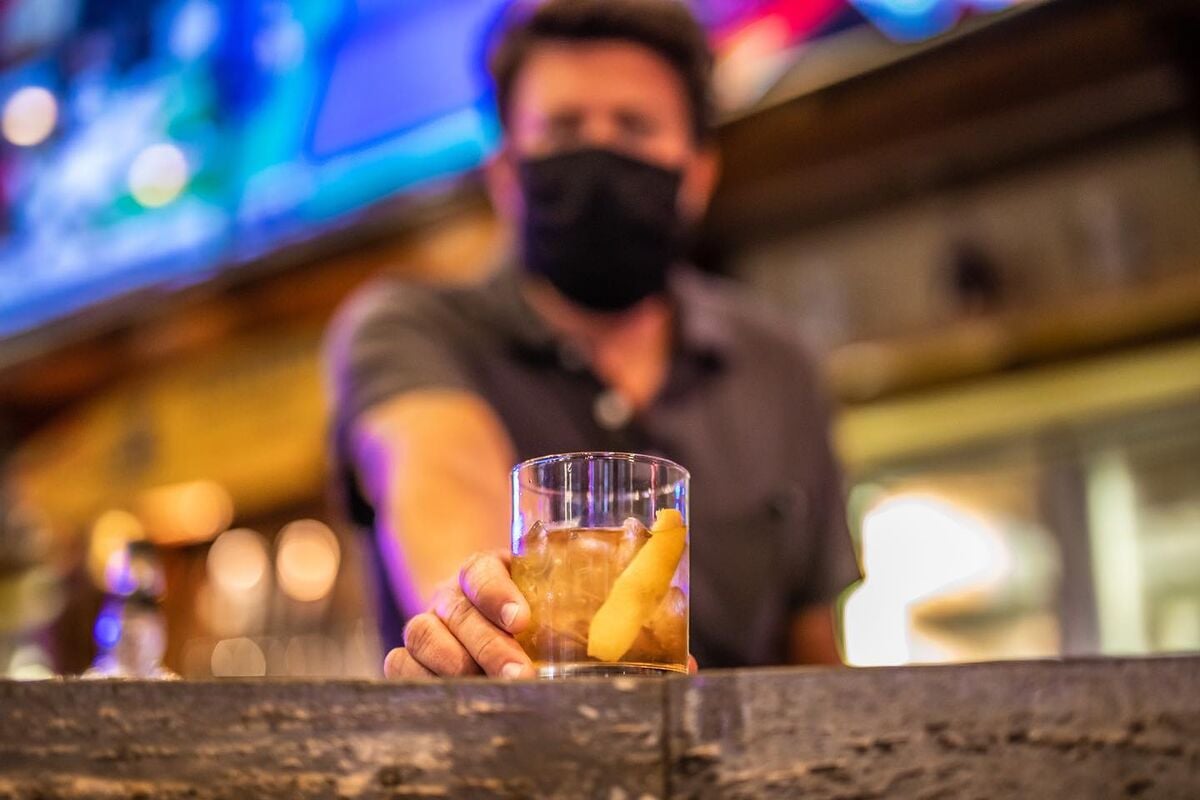
After that, we have revamped, classic cocktails. This one’s pretty simple. Make a staple cocktail, make it well, and find a way to spice things up. Flavored salts for the rim, a colorful splash of juice, an intriguing flavor combo like bacon in the bloody mary… again, you want to create a memorable experience to build word-of-mouth buzz, as well as keyword buzz in your Yelp and Google reviews.
Rounding out the list are “stress relievers,” a roundabout way of saying CBD- and THC-infused foods. As mentioned last year, 2019 saw the opening of the first fully-cannabis themed restaurant, to huge fanfare. For the right business and clientele, expanding into these realms offers massive growth potential.
Restaurants With Purpose
2020 has been a year of extremes – unity and division, sickness and health, monotony and radical societal shift. Restaurants were deemed essential not just because they provide food, but because they play a vital role in American society. They’re social hubs, one of the country’s largest industries, and an avenue to the American dream. Lest we forget, breaking bread is the universal symbol of unity and understanding.
Restaurants that recognize the role they play within communities, and within the nation at large, are automatically better suited to survive the pandemic. These are the businesses that will partner with local retailers to drive traffic between one another, and bring in other business with charity food drives. They will retain their quality employees, because they care about paying a decent wage and providing a means of earning a living.
The opportunities between beer and spirits producers and the food industry are innumerable. These localized, creative partnerships are one of the best defenses against what has been, for the restaurant industry, a painful year.
Header Photo courtesy Flickr/Travis Wise
Third Photo courtesy Flickr/Alexandre Dulaunoy


Conversations (0)
No comments yet.