




The Impact of Tariffs on Beer Imports and the Industry at Large
US beer importers are navigating significant challenges due to recent tariffs, impacting prices and consumer choices for international beers.
 Story by:
Jonathan Ingram
Story by:
Jonathan Ingram
When Bob Leggett tasted a Duvel for the first time, it was the beginning of his career as a beer importer. He drank that first glass of bottle-conditioned beer 40 years ago and soon agreed to become the local Duvel distributor in his hometown of Austin, Texas, where he was already the representative for Shiner Bock.
Since then, a lot of water has flowed down the Colorado River, which was not far from his first office in the warehouse district down the hill from the state capitol. But nothing has challenged Leggett like the current schedule of tariffs announced by the Trump Administration on April 5.
Artisanal Imports, co-founded by Leggett in 2001, imports from the four European beer cradles of Belgium, Germany, the U.K. and Czech Republic. Toña, made in Nicaragua and the most popular beer in Central America, was recently added to the Artisanal fold. Starting in 2022, it grew rapidly in U.S. sales until the tariffs were invoked. Last year, Artisanal sold 400,000 cases of Toña.
“There’s no way to predict anything,” said Leggett. “That’s the problem. The uncertainty.”

A Shift Back to Imports Before COVID Disrupted Momentum
Imports started coming back in 2019, he said, before COVID-19 interrupted. “The bloom was coming off craft beer. We were the original craft beers until American craft came along. That hit a peak in 2015. Craft just took over the market. Beer bars went to craft, then to all craft and then to all local craft. It kind of got crazy. Imports started coming back in 2019, then coming out of COVID we saw some growth.”
Now Leggett and Artisanal are getting hit with a double whammy, given the already declining sales of beer in the U.S. and inflation concerns. “This is the most challenging (market) that I’ve ever experienced along with COVID,” he said. “But the tariffs are challenging in their own way. It’s very challenging on the import side and on the beer side. Alcohol is challenging now.”
What can an importer do? Like many others, Leggett increased his inventory in the first months of the year. He can also take less profit margin on beers he considers price sensitive when dealing with distributors. But ultimately, the high rate of tariffs will force higher prices and cost-saving measures, like a reduction in staff.
“We had a good January,” he said. “In about mid-February, things fell off the cliff.”
The macro picture for imported beer showed a significant decline in April. Year over year, imported beer fell 14.9 percent for the month according to the Beer Institute. For the year, total imports have declined 4.9 percent to 13.19 million barrels.
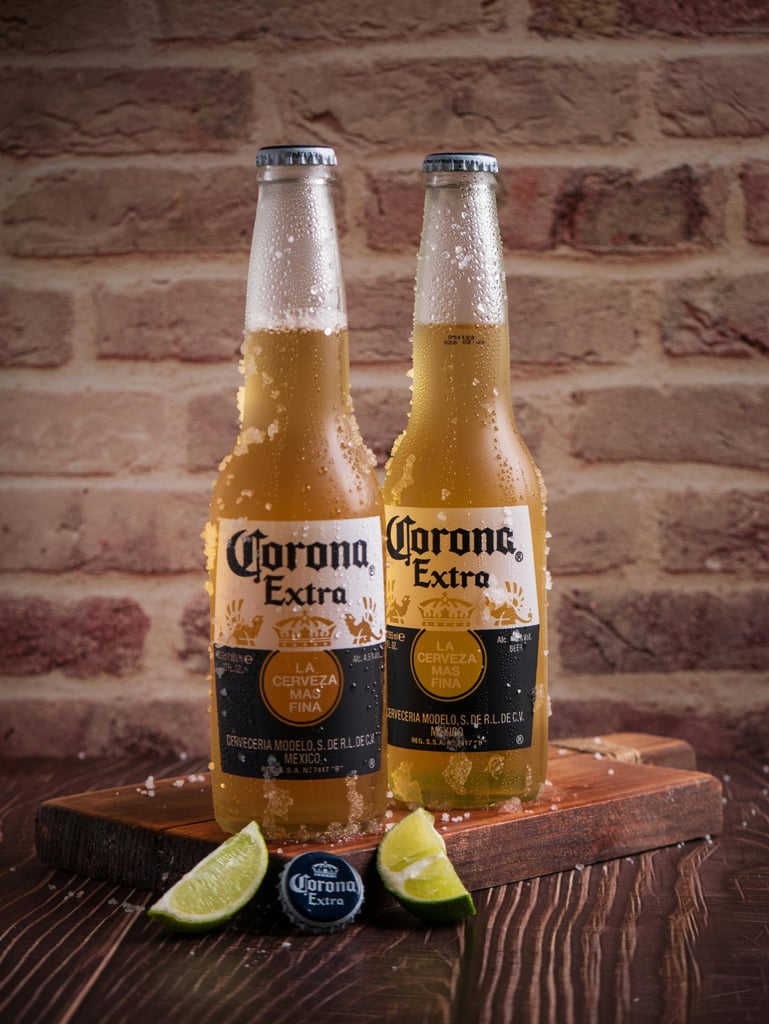
Mexican beers have been most influenced by the tariffs and the upheaval in the Latinx community, which comprises roughly 50 percent of buyers. Mexican beer imports have dropped 3.9 percent this year to 10.96 million barrels. Modelo and Corona, the two top-selling Mexican beers of Constellation Brands, have been hardest hit. In its quarterly reporting, Constellation said shipments of all its Mexican brands, including Pacifico and Victoria, declined 3.3 percent and depletions, i.e., sales to retailers, declined 2.6 percent.
According to Circana, packaged beer dollar sales tracked in stores were down 1.5 percent for Constellation and volume was down 3.5 percent in the quarter ending in May. The decline accelerated in April to 3.8 percent. But Modelo Especial maintained its position as the top-selling Mexican brand in the U.S.
Given that negotiations over tariffs are unpredictable, here are some of the fundamental questions faced by beer importers, their distributors, retailers, and consumers.
What are the Current Tariffs?
A 10 percent tariff on all imported alcohol, including beer, was announced by the Trump Administration on April 5. Additional tariffs have been added to alcohol imports from two of the most popular sources of imported beer—the European Union (20 percent) and Japan (24 percent).
Imported beers from Mexico and Canada are not subject to the additional tariff due to the pre-existing trade agreement with the U.S.
Can Producers and Importers Absorb Some of the Increases Resulting from Tariffs?
Brewers can and do offer to help their U.S. importers by voluntarily lowering their wholesale price. But there’s a limit on how much producers can shave their margins to accommodate exporting to the U.S. Likewise, importers can try to reduce margins to avoid motivating consumers to change their preferences.
The bottom line: the originally announced tariffs are stiff enough that price increases are inevitable for all imported beer without a major policy change at the federal level, which seems unlikely. Already bumped up by inflation, the new price increases will begin coming online just about the time the traditional beer-drinking season of summer gets under way.
How Does the “Wild Card” of Aluminum Tariffs Influence Imports of Canned Beer?
All beer imported in cans face an additional aluminum tariff, which amounts to roughly five cents per can. By simply paying the tariff, it’s an easier headache to resolve compared with U.S.-based brewers trying to source aluminum cans, whose availability will diminish along with higher prices thanks to the blanket tariffs on aluminum imports to the U.S. first announced in April.
How Much are the Tariff Increases and Disruption Among Latinx in the U.S. Hurting Importers?
The biggest importers of beer from Mexico and Latin America, such as Constellation Brands, as well as the smallest, are affected by the tariffs and immigration issues. After years of steady growth, both are having a dramatic impact on the bottom line.
The downturn in demand results from the change in buying behavior in the Latinx segment. For all importers who source beers from Mexico and Latin America, Latinx form the largest buying segment. Their buying habits have changed radically.
Such consumers are no longer frequenting restaurants and bars as often. The income in this segment has also been disrupted by the Trump Administration’s pursuit of illegal and undocumented workers for deportation.
Are Tariffs Influencing Supply Chain Disruptions That May Influence Consumers?
During the shortages introduced by COVID, inventory managers applied various strategies to manage inventories. Those same strategies will likely be employed to manage and tighten imported beer inventories, which will mean disruptions for retail consumers.
In addition, distributors and retailers will evaluate whether they want to discontinue carrying some brands. Brewers may also elect to reduce production of beer for export to the U.S.
How are Importers of Specialty Beers Being Challenged by the Tariffs?
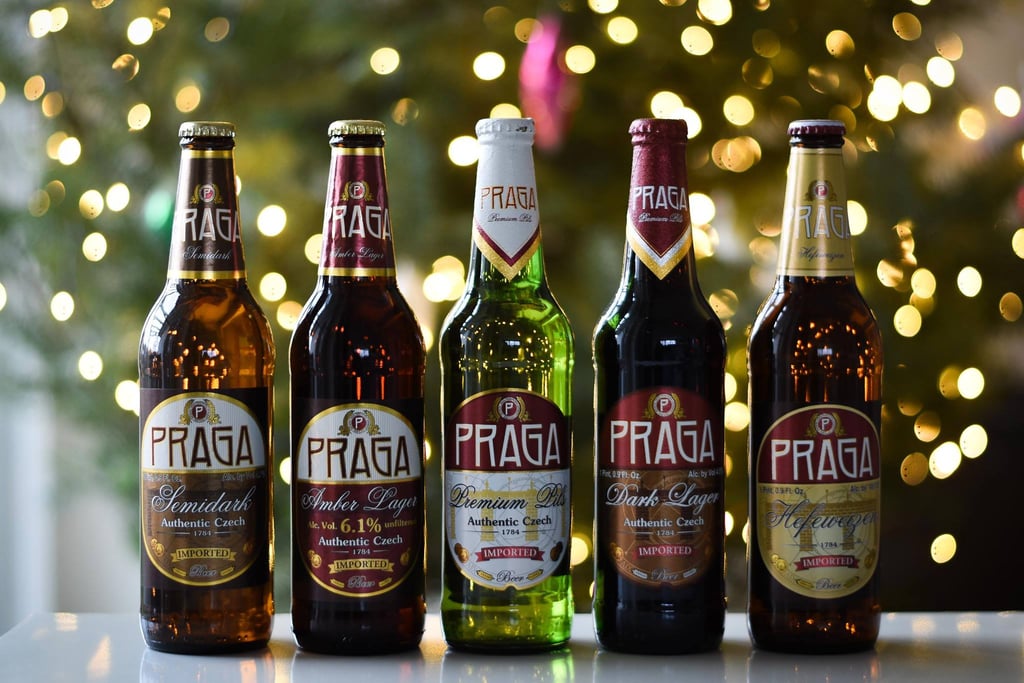
The importers of the brands from the traditional “cradles of beer”—Belgium, Germany, the UK and Czech Republic—began to see increased sales in 2019 after American craft beer peaked. That upswing reemerged following the pandemic and lasted through 2024. But in early 2025, the anticipation of changes in tariff policy slowed the flow of imported beer among distributors and retailers even before the formal April 5 announcement of new tariffs.
The Bottom Line: A Complex Brew
The beer tariff situation shows how trade policy can hit small businesses in unexpected ways. The Trump Administration ultimately designed these tariffs to help domestic industries, but they’re squeezing beer importers hard and driving up prices for consumers who just want access to international brands.
The timing couldn’t be worse for importers like Artisanal Imports. After years of American craft beer dominating everything, imported specialty beers were finally gaining ground again. Now these tariffs threaten to kill that momentum before it really takes off. Restaurants will likely cut international options from their beer lists, consumers will face higher prices, and we’ll probably see fewer choices on store shelves.
An additional wrinkle: Mexican and Canadian beers get a free pass because of existing trade deals, while European and Japanese imports get hit hard. This uneven treatment could completely reshape which international beers Americans drink.
For an industry already dealing with declining beer sales overall and still recovering from pandemic disruptions, these tariffs add another layer of difficulty. Small importers who’ve spent decades building relationships with breweries abroad now have to choose between absorbing costs that will hurt their bottom line or passing them on to customers who might just switch to domestic alternatives.


Comments 0
No Readers' Pick yet.