




Who Cheats More, Men or Women? Does Drinking Play a Part?
In the battle of the sexes, who really cheats more? We expose the surprising role alcohol plays in infidelity and the real reasons people stray.
 Story by:
Dating Blog
Story by:
Dating Blog
Infidelity is more widespread than we like to admit: about 20 percent of men and 13 percent of women own up to cheating. Picture this: you’re in a buzzing bar, a couple of drinks in, and suddenly the question hits you: “is my boyfriend cheating, or is it the vodka talking?” Drinks relax the guardrails in our heads, making moves we’d usually avoid feel a little too tempting. In the next few minutes, we’re going to dig into whether guys or gals are likely to stray when the booze flows, peek inside the reasons behind those choices, and lay out what we really mean by “drunk betrayal.”
Do Men or Women Cheat More?
The numbers offer a twist. Official surveys hand men a 20 percent rate of confessing unfaithfulness, while women sit at 13 percent. Straight math seems to crown men the repeat offenders. But it’s not that simple. Cultural scripts usually paint men as the wandering sex and women as the faithful heart. Yet those old roles crack under closer look. Younger women, specifically those in the 18 to 29 bracket, actually edge ahead of their male peers when it comes to one-night slips and emotional dalliances. That’s a critical detail that urges us to stop coloring the whole picture in broad strokes.
Alcohol introduces a notable twist to the cheating conversation. For men, the booze often ignites snap choices; for women, it seems to amplify the craving for closeness. Broadly speaking, guys stray more, but that imbalance shrinks among the young. Lowered defenses equal bolder moves, and we keep seeing the same pattern: a night of drinks can change the game. Do these observations catch you off guard?
Which Gender Cheats More When Alcohol is Involved?
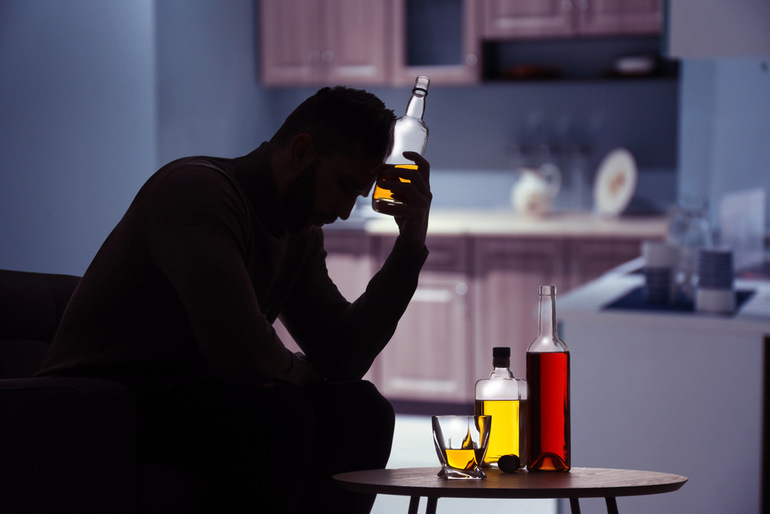
Facts about alcohol mess with our heads. It heats the room, dims the lights, and suddenly “maybe later” turns into “why not now?”. But when it comes to infidelity, do guys or girls cheat more under the influence? The answer has a twist.
Think of a club, loud music, and a few rounds. The setup is perfect for bad choices. Guys tend to zero in on whoever looks good and let the drink push them into action. Girls, on the flip side, often drink to escape feeling empty and might grab the first person who seems to care.
Research shows:
- Guys are more likely to cheat after a drink or two, and a little booze pushes the throttle.
- Girls, feeling let down and craving a compliment, might kiss someone they’d never talk to sober.
The drink increases circulation: a club full of people, thumping voices, an itch in your head, and in a moment, the words “not my type” fade into “why the hell not?” Alcohol does not provoke an individual to cheat, but it sure is the roadway. The reason that both sides can slip differs, though.
Psychological and Social Factors
Infidelity does not come easily in life, but rather on complex psychological and social grounds. When we take the statistics of who strays most, the reasons in motivations between men and women come out clearly. Men want excitement; they want the stimulation of newness or physical gratification. Women, on the other hand, tend to seek outside the relationship when they feel an emotional vacuum due to an accumulation of neglect or a heightened sense of disconnection. These distinct drivers show how gaps between personal needs and what a partner can provide can push someone to seek more elsewhere.
Cultural scripts and group influences are equally powerful. In friend networks or nightlife cultures where cheating is shrugged off or even seen as a badge, the lines between right and wrong can soften. Alcohol, the ever-present social lubricant, dulls inhibition and dresses up a lapse in judgment as a harmless fling.
The recurring themes are straightforward:
- Men typically cheat in search of the body; women, the heart.
- Social circles shape both, but peer pressure hits men and women in different ways.
Recognizing these swirling influences helps shift the view of infidelity from a scandalous choice to a symptom of larger, layered struggles.
Can We Place the Blame on Alcohol?
Champagne toasts and the final whiskey, tequila, gin, or rum round on the dance floor frequently get side-eye when conversations about cheating come up, but they only play a cameo role. They loosen the screws of restraint and soften the focus on consequences, yet the script for cheating was already written the moment the impulse bubbled up in the first place. A drink does not force anyone to stray; a drink simply offers a ceremony of permission. Picture alcohol as a spotlight, not a trick mirror. It does not invent cracks; it throws a harsh light on the ones already there.
Marital cracks, identity fractures, or hidden resentments flare brighter in a bar-lit haze and, unchecked, jump from whispered fantasy to unguarded moment. Yes, the scene: a blurry party, a fleet of encouraging friends, a sultry summer night, can push someone closer to the cliff, but accountability is the guardrail every time. Surrendering the blame to a bottle, hands over agency to circumstance, turning moral decisions into stage props. In the end, the drink may dim the caution lights, yet the steering wheel is still in human hands.
Hangover of Infidelity
To wrap it up, cheating is a knotted braid of motives, and alcohol is usually the match that lights the tinder, yet the blazing choice to strike is always the individual’s. Recognizing how these pieces fit can fill our conversations about fidelity with a steadier compassion and a sharper clarity. What’s your feeling on the mix of booze and betrayal? Drop a thought or a story below; we’re ready to listen.


Comments 0
No Readers' Pick yet.