


Do Whisky Glasses Really Change the Way You Taste Beer?
 Story by:
Beer Blog
Story by:
Beer Blog
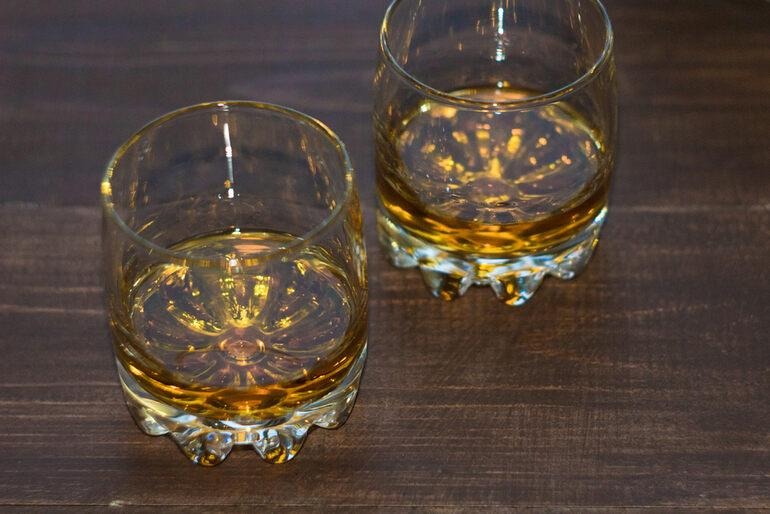
To be frank, it appears to be a very strange idea. Whatever the case, a beer should be poured in a pint glass, tulip, stein, or even a snifter. Whiskey is poured into a glass, either a tumbler or a Glencairn. But what now becomes of the beer in case of the collision of the two drinks? Will it make any difference to the taste of your whiskey or beer? The response is yes – not in a direct way. Although the contents of the liquid contained in the glass may be the same, it is beyond doubt that the aroma, bubbles, perceived temperature, and the part of the tongue that comes in contact with the liquid will vary between different glasses. Here is how a whiskey glass affects your beer.
The Design Logic of Two Glasses: Born for Different Flavors
We need to understand the design principles of whisky glasses to understand this effect. Whisky glasses, such as the traditional Glencairn glass, which is similar to the sniffing glass of old times, are shaped like rounded pelicans, and some have a round belly, a thin rim, thick walls, and a long stem. The purpose of having whisky glasses in these shapes is that any volatile aroma of whiskies is concentrated in the glasses; at the same time, the liquid is not exposed to the effects of warm hands, and the drinker can experience layers of various aromas, such as smoky, fruity, or woody. But glasses to put in beer are much differently shaped. It can be either a tall and slender glass to serve wheat beer or a tulip glass to serve IPA; however, most of the time they are constructed with either a wide or thin mouthpiece.
Aroma Enhancement: Narrow-mouthed Design Locks in the Beer’s Hidden Flavors
The differences between the two glasses can be quite noticeable as you pour the beer into a whiskey glass. The first thing that is altered is the sensation of the smell of the beer. Hops are the primary contributor to the aroma of beer, and the rest of the aroma is contributed by the malt and yeast. Most of these smells can be readily evaporated, and the whiskey glass has a small hole, so that the scent would not escape. This means we can tell the finer details by the smell long before we put the beer to our lips, the bread aroma in the pale lager, the caramel chocolate aroma in the stout, and the citrus aroma in the IPA.
Flavor Reshaping: Unlocking a Rich Layer of Taste Through Slow Drinking
Secondly, it has a change in taste. The hardness of the whiskey glass slows down the transfer of heat, hence it does not allow the beer to be heated by the warmth of the hands quickly, and maintains the perfect taste of the beer. The greatest variation will be the minute edge of the cup that will allow the beer to come pouring out of the glass into your mouth at a slower rate than in a mug, and the beer will strike the tip, sides, and back of the tongue in a different order.
When consuming beer with the help of a beer mug, one would sense the chilliness of carbonated water, to which all other elements would be covered, which might distort the flavor of the beverage. There is a delay, however, in doing so when you drink beer in a whiskey glass, and you have time to perceive the initial touch of the slight sweetness of malt and the bitterness of hops before you get down to the richness of the malt.
Mindset Shift: From “Drinking” to the Ritual of “Appreciation”
This is indicative of a change in mindless gulping to a thoughtful and deliberate appreciation. The automatic behaviour of which we are in the habit of drinking a beer out of a mug is, however, in the first place, a matter of getting thirsty and feeling cool. On the contrary, the rite of appreciation, particularly when designing a whiskey glass, invites a true taste by encouraging you to slow down, lower your head, and take in the aroma before sipping. This posture helps the brain focus more deeply on the overall sensory experience.
A Rational Perspective: The Whiskey Glass Isn’t a “Miracle Tool”
It does not imply that the drinking tool of beer, which will be known as a miracle, can be called a whiskey glass. The whiskey glass would perfectly complement premium beers such as stouts, imperial ales, and barrel-aged IPAs since the glass emphasises the maltiness and aroma of these beers. Moreover, the carbonation in the whiskey glasses used to serve the light lager/ pilsner would be diluted to give them too heavy a taste. This implies that even though the two drinks share the same composition, water, grains, and yeast, the CO2 and hop taste make the beer need a different design of the glass.
A Refined Perspective on Beer Tasting
Lastly, the glass of whiskey not only influences our attitude towards the beer taste but also influences our perception of the taste of the drink. The beer drinking habit is linked to beer being drunk fast without taking time to find out more about its taste. But when you take a glass of whiskey and pour beer and take some time to smell the aroma and taste of the beer, then you would realise that there are a lot of things you can learn from a simple beer glass.
A whiskey glass is not only a container but also a key factor that bridges the drink with the consumer. Though it cannot transform the ordinary beer into a high-end beverage, it provides an opportunity to taste its flavours in a more sophisticated and higher-quality manner. In the context of world beer, this becomes even more interesting. Trying beer in a whiskey glass can completely transform your perception, making the tasting experience feel richer and more elevated than usual.


Comments 0
No Readers' Pick yet.