


How the Casual Drinking Lifestyle Becomes Alcoholism
Understand the journey from casual drinking to addiction, exploring how regular habits, emotional struggles, and social environments contribute to the development of alcoholism over time.
 Story by:
Beer Blog
Story by:
Beer Blog
When you’re 21, you can legally drink alcohol in the United States. Some people never like alcohol very much. Others make its consumption a regular part of their daily lives.
Alcohol probably won’t negatively impact your life if you drink it sparingly. That’s true of many vices. However, if you start by drinking it only occasionally, and then ramp up your use of it, that can turn into alcoholism before you know it.
Drinking too much can wreck your life in many ways. For instance, you might drive drunk. 28% of Georgia driving fatalities involved alcohol in 2022, and you’ll see similar stats in many other states.
How does casual drinking turn into alcoholism, though? We’ll talk about that in detail now.
What Does Alcoholism Mean?
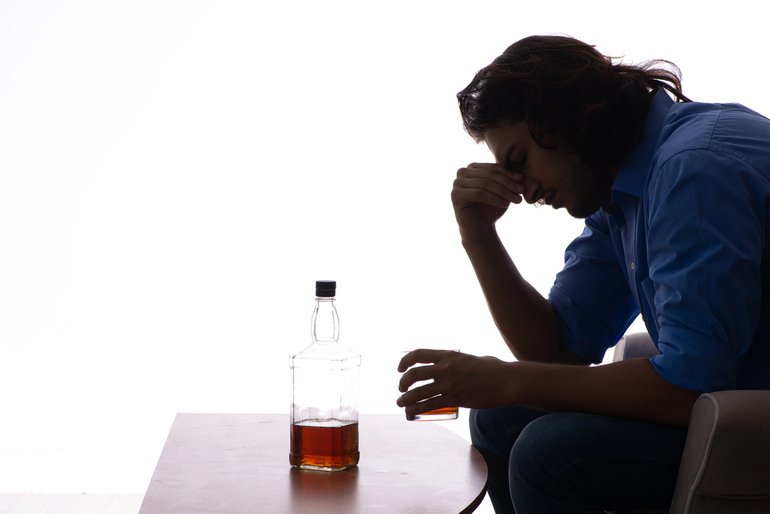
First, it’s important that we define alcoholism. Most doctors and other individuals in the medical field agree that alcoholism means the individual in question has a physical addiction to alcohol. In other words, if they don’t consume a baseline of alcohol daily, they’ll start to exhibit withdrawal symptoms.
Some doctors call these the DTs. A person will start to tremble if they don’t have a drink to restore their baseline. They might start to look and feel physically ill.
This means their body has reached a point where, if there’s no alcohol consumption, they can’t function. If they go long enough without alcohol, they can detox, essentially meaning their body can reset itself. This drying-out process can seem like agony for the person going through it, though.
You might also have someone who’s a problem drinker. They may drink till they black out on occasion. However, you might say they’re technically not an alcoholic if they don’t show the physical addiction symptoms we’ve just described.
If someone’s clearly a problem drinker, though, and they say they’re not an alcoholic, that’s just splitting hairs. They may not fall into the technical category of alcoholics, but they’re still having problems with alcohol use. Their friends and family members would probably say the same thing.
Now, let’s move on to talking about how a drinker can turn into an alcoholic.
Drinking That Starts in College
It’s crucial to realize that the metamorphosis from regular or even occasional drinker to alcoholic seldom happens in exactly the same way. The route one person takes and the one someone else takes may look completely different, even if they both end up at the same destination.
Some people start drinking in college. They might move into the dorms, or perhaps they’re living in an apartment off campus. Maybe they’re living in a frat or sorority.
Even if they’re not 21 yet at this point in their life, they can probably get alcohol pretty easily. They might have a fake ID and get into bars. They may also have a friend or classmate who is 21 or over get their alcohol of choice for them.
Some individuals in college might not technically fit the alcoholic definition, but they’re binge drinkers, at the very least. They may drink four or five nights a week.
If so, they’re playing a dangerous game. If they’re drinking too much, but they feel it’s not that serious because they’re partying, then they can quickly spiral into alcoholism if they don’t get the behavior under control. Going from a regular college drinker to an alcoholic, whether you graduate or not, happens pretty often.
The Regular Bar Patron
You might also have someone who’s a regular bar patron. They may like to go to bars, or one particular bar, because they have friends there. Even if they’re not close friends, such a person might crave the companionship that they haven’t found elsewhere in their life.
Such an individual will probably drink as a matter of course. Since they are in a bar, and they are possibly spending multiple hours there several nights a week, then it makes sense they would consume alcohol. What else might you do in a bar?
Such a person can also become an alcoholic relatively easily. If they suddenly realize they can’t remember the last time they went 24 hours without having at least one drink, then they have likely arrived at this condition.
Drinking to Mask Your Pain
Some people drink because they’re in pain. Maybe they have childhood trauma that they’re trying to bury. Perhaps they had an abusive parent or stepparent.
Others might drink because they won’t willingly face some aspect of themselves. For instance, someone who’s confused or in turmoil about their sexuality or gender identity might drink so they can avoid facing those thoughts or feelings.
They might start drinking well before they turn 21 if they have a regular supply of alcohol. An older family member might supply it for them, or they might just ask a homeless person to get it instead.
The Special Occasion Drinker
You may also have someone who likes to binge drink, and they feel like they are flirting with alcoholism if they consume alcohol when it’s not a special occasion. If they want to drink badly enough, though, they might go out of their way to make up special occasions to justify the behavior.
They might also start by saying they only drink on the weekends. Then, they’ll start binge drinking on virtually every holiday.
That’s how it starts, but if the individual wants to binge drink every day, or close to it, they will probably justify the behavior in their mind in some way. An alcoholic or drug addict becomes an expert at justifying and rationalizing their behavior.
Any of these paths can cause alcoholism, but genetic factors have a part to play as well. The medical community feels that if there’s alcoholism in a family, someone is more likely to become an alcoholic.
No matter why someone becomes a regular drinker, though, they always have the option to stop. It becomes a matter of willpower, which some people seem to have more than others.


Comments 0
No Readers' Pick yet.