



How Can You Reduce DUI Risk in 2025
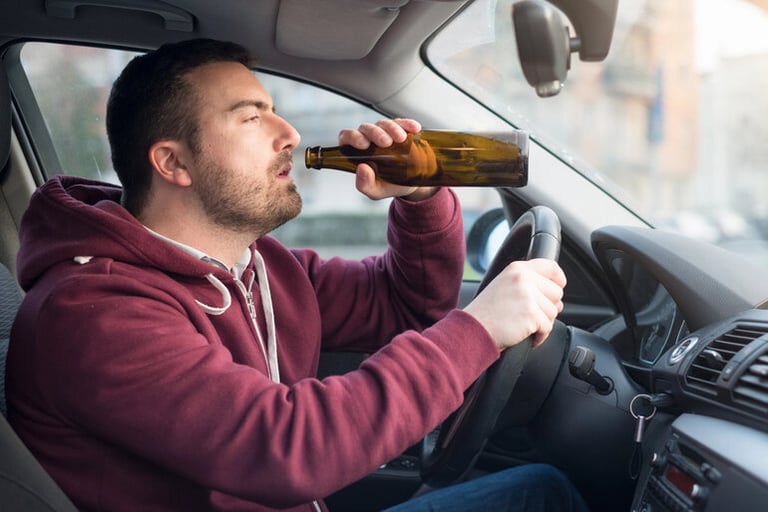
As DUI laws tighten and tech gets smarter in 2025, responsible drinking and smart planning are no longer optional—they’re survival skills.
 Story by:
Attorneys and Law Blog
Story by:
Attorneys and Law Blog
You already know driving under the influence ruins lives, and that’s not just yours. The threats are now stiffer, the technology is smarter, and the outcomes may be too quick to deal with in 2025. The answer to why you should avoid a DUI is not just that; it is how to ensure that it does not take place when you are behind the wheel.
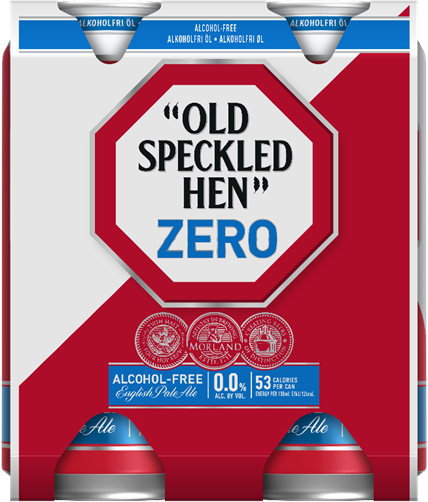
And here is where the beer world gets its part to do. A drinking culture is changing- it is not just about drinking a quantity of bottles, but knowing your limits. Moderation is equally taking a seat as important to flavor among craft breweries and lighter session beers, alcohol-free beer, and low-ABV beers are offering drinkers space to consume responsibly. Being familiar with what is being drunk, counting the number of drinks you have had, and being conscious of how much you are buzzing have become the true indications of an old-time beer drinker.
The following are the checklists you might wish to have in place to be able to remain safe, remain within the law, and well as in shape to pursue your future.
1. Face the Numbers: Why Reducing DUI Risk Matters More Now
While you might think you can just be careful, the risks of DUI are too real to manage, on the other hand. In recent years, over 12,400 people died in alcohol-related crashes, about 30 percent of them caused traffic deaths, and more than 800,000 people were arrested for DUI. Even with innovation and new cars soon required to detect impairment, your choice still matters, while complacency may not count at all.
2. Prevent Before You Drive: Core Steps You Can Own
While some instant resolutions may not cut it, you can work on some actionable changes that you can adopt every time before you even start your car’s engine:
Plan Your Evening Ahead
It can be quite tempting, especially during night outs. So, decide in advance, even if you’ll drink while having fun. If yes, earmark a rideshare or designate a sober driver before you take a sip. This can help you remove that “late decision” pressure and risk.
Use Lower-ABV Beverages, Pace Yourself, and Hydrate
When you drive, choosing drinks with lower alcohol content, switching to a non-alcoholic beverage, or drinking water between your alcohol sips can be a smart trick to clear your body of some intoxication. Roughly, one standard drink per hour (varies by weight, sex, etc.) helps your body hydrate and expel the dizzying effects.
Track Your Blood Alcohol Estimate
Use reliable smartphone apps or personal breathalyzers to estimate your BAC. These tools aren’t perfect, but they give you a warning zone before you’re dangerously close. However, don’t rely on them exclusively.
Set a “Cutoff Time” for the Drinks
Choosing a strict “stop time” for drinking before your planned drive can be quite helpful, especially if you don’t want the enforcers on your tail later. Something the experienced beer drinkers have begun to do, intentionally, before the initial pour, putting personal restraints in place on themselves. A night out in a tap or brewery, you have the option to spend more time, savor the tastes, and still get out safely because you are the one to determine how many beers to consume. This rhythm is promoted on many bars now, where breaks and less stiff pours are encouraged by the bars towards closing hours. It is a little thing, although it retains your gratitude towards beer, and at the same time steers your level of responsibility.
Share Your Plan Publicly
You may need to tell your friends, social group, or party host ahead of time of your intention to stay sober or off the road (if you really want to indulge). It exemplifies accountability while sharing the burden of keeping you sober with your friends.
What Businesses (Breweries, Bars, Venues) Have to Do, and When Things Go Wrong
When you’re the manager or advising a brewery or bar, you’re in a unique position to lower DUI risk on a larger scale.
Calibrated Last-Call Timing
When it’s the “last call,” instead of a sharp cutoff, stage a gradual taper in drink availability for your patrons and switch to low or no-alcohol options toward closing time.
Server Training Refresh
You may have to make sure your staff routinely receive modern training on intoxication signs, refusal tactics, and safe-ride options; your clients will thank you later.
ABV Transparency
It may be best to clearly display the alcohol by volume for each product you serve. When customers see stronger numbers, they often moderate, particularly those who commit to driving afterwards.
Ride Partnerships
Link with rideshare or local taxi services. Offer QR codes or app credit for patrons.
Designated-Driver Perks
You can provide freebies (soft drinks, discounts) to those committing to stay sober or to drive after the party.
Incident Response Protocol
Also, train your staff on what to do if a guest appears overly intoxicated, makes a scene, or arrests ensue. At that point, you can learn more about your defense options by immediately reaching out or referring an incident to a trusted legal resource. You may need a thorough walk-through of your legal rights, obligations, and representation work, especially in states like Texas. Taking determined steps to embed these steps into your operations, you reduce risk, protect your firm’s reputation, and offer real value to your clients.
Smart Use of Technology & Emerging Tools
Today’s tech has become quite savvy and handy, particularly when it comes to keeping you safe, instead of being caught off guard by it. Some connected vehicles with breath and eye sensors are being tested to detect impairment (especially the driver) in real-time. The state-of-the-art AI solutions are already used to assist police in predicting high-risk maintenance areas of the DUI, and smartphones already possess specific functions to detect erratic driving behavior on the road. You may not need these yet, but being invaluably awake will help you have a head start.
After the Stop: What You Should Do Immediately
Careful drivers can be brought to a stop by the police, and this is one reason they should have a good road plan. Remain composed and courteous, not to create an uproar. There may be things you are not meant to say, and you know your rights. Record information of the stop, even if legal or not. Early call your defense plan, with the support of pro-sources such as Tadlaw, where to can find out what one faces, what rights they have, and what they need to do, within minutes.
A Culture of Conscious Drinking
This means that with self-silence reflection, an institutional underpinning, and seizing opportunities with the new devices, you will miss liminal chances to downplay the court of DUI in 2025, not only to possibly turn around the culture in your group. Be keen, be sober, and be empowered. That mentality does not exist outside beer culture; it is even getting integrated into it. Breweries, taprooms, and beer communities are creating a different type of drinker: one who appreciates experience over profligacy. It is shifting to responsible enjoyment through designated-driver deals at beer festivals, awareness around DUI checkpoints, and embracing low-ABV and sober craft beverages that are increasingly gaining popularity. It is no longer needless to lose control when having a pint, but enjoying the masterpiece, the companionship, and the decision to have a safe exit.


Comments 0
No Readers' Pick yet.