






Craft Beer, Technology, And The Changing Business Of Brewing
 Story by:
Beer Blog
Story by:
Beer Blog
The microbrewery business, like any other business in the craft brewing industry, was always based on innovation. Even before the term ‘craft’ was coined as a buzzword that dominated the beverage business, microbrewers had always been innovative with their ingredients, fermentation, and brewing techniques that defied conventional norms of traditional brewing establishments.
Though the science of brewing still remains the same, with due emphasis given to the proportions of ingredients such as malt, hops, yeast, and water, the business of microbrewery has changed dramatically with the advent of the digital revolution. Thus, the microbrewery business of today is for that entrepreneur who understands the digital revolution and its impact on the microbrewery business. The microbrewery business of today is as much a technology-driven business as an innovative and creative one.
A New Generation Of Brewery Entrepreneurs
The new breed of entrepreneurs who run microbreweries today is from varied backgrounds. Some of them are amateur brewers who, over a period of time, turned their hobby into a business, whereas others are from varied professional backgrounds, including technology, finance, hospitality, etc. The varied backgrounds of microbrewery entrepreneurs have impacted the microbrewery business significantly. Many of them from the new generation of microbrewery entrepreneurs are comfortable with new technology, which they have incorporated into their business model.
The new generation of microbrewery entrepreneurs has ensured that microbreweries are never left behind their competitors by employing new technology to outdo them in the market, which has been increasingly competitive every passing day. Nevertheless, the microbrewery entrepreneurs today must not ignore the new trends and consumer demands because the current consumer is a technology person who can communicate with microbreweries and the beverage industry through new technology, such as mobile applications, social media, and e-commerce websites, before eventually stepping through their doors.
Digital Commerce In The Taproom
Taprooms have become an integral part of the craft beer experience. They not only provide an opportunity for people to sample craft beers but are also seen as an outlet for breweries to engage with their customers. Recently, taprooms have started using many digital technologies that help improve the service experience. For instance, digital payment has become quite popular in taprooms. This has helped service staff improve their service experience, and at the same time, it has helped brewery owners gain insight into consumer spending habits. As the general public becomes more familiar with digital financial platforms, some brewery owners are showing signs of curiosity regarding other emerging technologies, not necessarily related to digital payment platforms.
For example, when a person wants to understand cryptocurrency, they can be willing to understand how to get and operate digital assets on regulated platforms. Tutorials on how to purchasing Bitcoin via Kraken give an idea of the various processes that come with the acquisition and management of digital assets, such as verification of transactions via the blockchain system and acquisition of the assets via the secure system. Although it is not common for taprooms to accept cryptocurrency, the general public’s awareness of digital financial platforms is indicative of the cultural shift towards technology-driven economic models.
Technology’s Influence On Brewing Itself
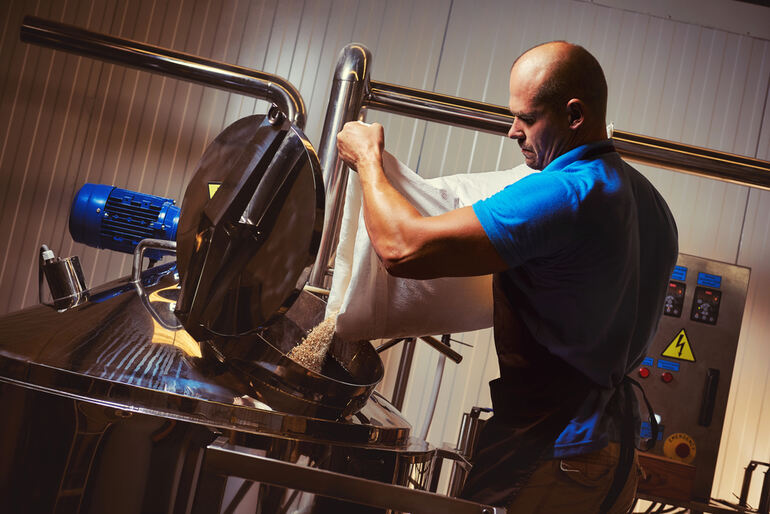
It may not seem like it, but technology has had a great influence on brewing itself. A great example of this can be seen in that many breweries utilize technology in their brewing process. This includes temperature control, brewing software that can monitor any part of the brewing process, and even sensors that can monitor the fermentation process itself. This can be especially important for a brewery that must distribute its product over a wide geographic area. By being able to monitor the fermentation process and even the ratios of ingredients, they can know that each new batch of beer that they are brewing is going to have the taste that their consumer wants. Even smaller breweries can utilize the technology that makes brewing so much easier.
The Role Of Online Communities In Craft Beer Culture
Another way that technology has had a great impact on craft beers is through online communities that are centered around them. A great example of this can be seen in that there are many apps that are specifically designed for beer discovery. This means that a person who enjoys beer can see what beers they have reviewed in the past, as well as what beers are popular worldwide. This can be important to a brewery as it can have a great impact on their ability to get their name known.
For example, a smaller brewery could potentially acquire thousands of new customers within a matter of days after having a positive review placed on one of these social media platforms. This is important since one of the fundamental principles of craft beer is curiosity. Beer enthusiasts are always interested in discovering new things related to the beer industry, even if it is discovering new types of beer or discovering and learning new and interesting techniques for brewing beer. This curiosity may even lead them into other types of technological and financial innovations.
Entrepreneurship In A Changing Economic Landscape
It is obvious that for an entrepreneur, it is important to have the right knowledge and skills for running a brewery within the current economic climate. There are many costs involved in running a brewery, and for this reason, many entrepreneurs are able to develop the right financial literacy skills, which are important for running a business. For instance, an entrepreneur needs to be aware of emerging financial trends, such as new payment technologies and online commerce, which may provide the entrepreneur with the ability to be flexible within an ever-changing business environment.
Although cryptocurrency does not play any part in the management of a modern brewery, an entrepreneur needs to be aware of emerging technologies, which may provide the entrepreneur with the ability to gain insight into emerging economic trends. This may provide the entrepreneur with the ability to gain insight into emerging trends that may be likely to occur in the future.
Preserving Craft Beer’s Core Identity
While technology has had an impact on craft beer, the core of craft beer is still based on traditional techniques. Brewers are still experimenting and discovering new types of beer, and even the creative process of brewing is still based on traditional techniques. Taprooms are still based on traditional techniques, where people gather and share stories and experiences. While technology may have some place in the way that we operate our breweries, the enjoyment of a fine pint of beer remains up to our senses of taste, smell, and community.
The Future Of Craft Brewing
The business of craft brewing has always been characterized by change, beginning with the microbrewery revolution of the 1980s, up to the current worldwide trend of the craft beer movement. The digital technology is the newest addition to this story. Some of the changes to the craft brewing industry include brewing software, internet marketing, digital payments, and the transformation of financial tools,s among others. The Institute of Brewing & Distilling predicts that innovation and education will be critical to the future of the craft brewing industry.
This will make sure that the standards are not compromised, and brewers are not behind the times in technological developments. To the craft beer drinker and the craft brewer, it is not expected that there will be much more of this in the future of craft beer. It will be a blend of convention and creativity and will hold on to the artistic aspect of brewing beer, but will also embrace the technology that will enable it to evolve.


Comments 0
No Readers' Pick yet.