






Why Dry-Hopped Beer Can Start Fermenting Again
 Story by:
Beer Blog
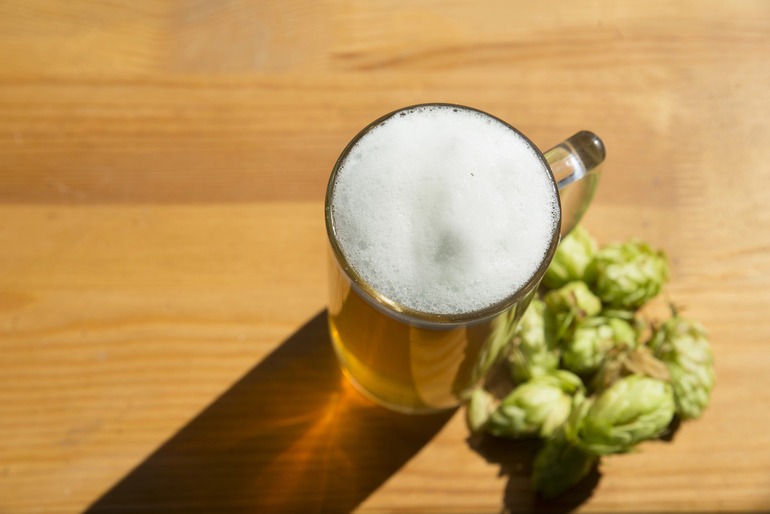
Dry hopping can be done to add aroma but can also reactivate the fermentation. Finished beers can start to fizz again once the hops are added to the beer in the dry-hopping stage. However, it’s important to note that buttery diacetyl can reappear, gravity can rise, and alcohol can drop, so those who want to achieve a consistent flavour and quality in the finished product need to know. Cans may overcarbonate if the change is continued after the packing. This is referred to as hop creep to the brewers.
Finished Must Means More Than Quiet
A fermenter may cease to bubble, but continue activity. Determination of stable gravity prior to dry hopping does not equal what will be available from the hop enzymes. The brewer then requires a second measurement time after adding it to the kettle.
The value of promotional can also be updated after adding. Data from free casino bonuses for Aussies at free-spins-professor.com lets you know which casino bonuses are available to Aussies, but it is important to note that bonus dollars might not be allocated until sufficient wagers are met. Those can change with game exclusions, contribution rates, and stake caps. In the case of dry hopping, the second ingredient alters the final product, which seems complete before it is introduced. Hop creep needs viable yeast for fermentation of the newly released sugars, active hop enzymes, and intact dextrins.
Hops Bring More Than Oils
Dry hopping takes place after the boil, and therefore does not deactivate the hop enzymes. Fermentable sugars are produced from the action of amylolytic enzymes on long-chain dextrins. The new glucose, maltose, or maltotriose can be consumed by yeast that is unable to use the original dextrins.
- Hops are added to fermented or nearly-fermented beer by the brewer.
- Hop enzymes initiate a process of breaking down dextrins into smaller sugars.
- Those sugars are used by the remaining yeast.
- As the alcohol content goes up, so does the gravity. The heavier the alcohol content, the higher the gravity.
- Another peak of diacetyl may be produced during the yeast metabolism.
This degradation of dextrins that are not fermentable is described in the updated Brewers Association technical brief. Not evidence of a high dose of regular sugar in the hops; it is biochemical.
Diacetyl Can Return Late
Diacetyl tastes like butter or butterscotch and is an unwanted compound in most beer varieties that are hoppy. Brewers give the fermenting yeast enough time to lower it towards the end of fermentation. The whole schedule is complicated in part by hop creep; when fermentation resumes, alpha-acetolactate is formed, which may then be converted to diacetyl.
A beer can pass the sensory test after dry hopping, but develop the buttery flavor later. The precursor of diacetyl should be included in the quality control, whether detectable or not. Packaging prematurely will cause beer to be separated from yeast, which needs to do its final cleaning work and may negatively affect the flavor or stability of the finished beer.
The Package Reveals the Risk
The use of hops in the hopper increases yield and shifts the balance in a tank. With a sealed package, there is no more CO2 to escape. The pressure gets too high, and the carbonation expands into excessive foam and seams or damage in severe cases.
The practical signs are:
- The “fallback” gravity, which resumes after the addition of dry hop; and
- An unusual increase in tank pressure;
- Reactivated yeast activity or haze;
- Diacetyl, which has reappeared after a prior clean test;
- Beer that is packaged and has been stored for a while that foams more with each pour.
But none of these signs are necessarily present, and a hazy IPA is not necessarily a suspicious IPA just because it is hazy. Trend data for gravity, temperature, and pressure and sensory checks prove more useful than any one observation.
Not All Refermentation Is a Fault
Sometimes, refermentation is intentional in the case of bottle-conditioned saison, Belgian strong ales, and gueuze. A given amount of fermentables is added to a brew and sometimes fresh yeast to add carbonation and further flavor development. The package and process are intended to do just that.
The fermentation had been deemed to be completed, and there was no significant level of fermentable sugar in the beer; hence, this is not hop creep. The difference is in control: planned conditioning is done with a target in mind; unwanted creep is a conditioning that alters a supposedly completed beer.
Brewers Manage a Moving Target
No single timetable will suit all IPAs. This may vary depending on hop variety, format, dosage, duration of contact, temperature, yeast strain, and residual dextrins. There was also some variation in raw material reported in a 2025 study on the use of beta-amylase from hops.
Brewers can further reduce risk by following their own system through a dry-hop schedule, tracking the gravity after dry hop, providing ample warm contact time for yeast cleanup, and testing for diacetyl stability before packaging. When appropriate, additional control can be provided by filtration or pasteurization, which will impact cost and beer character.
The lesson to be learned is very simple: dry hopping can introduce flavor into the beer, and can also drastically affect the fermentability of the beer after the primary fermentation appears to be over. In this second phase of monitoring, the brewer can be assured of the desired taste, carbonation, and package stability. Just using the calendar to package a beer can be a bit dangerous since the beer may still be lurking there and might impact its quality long after it’s left the brewery.


Conversations (0)
No comments yet.