



How to Start a Whiskey Collection: A Beginner’s Guide
 Story by:
Ryan C. Brechlin
A whiskey collection rarely begins with a grand plan. More often, it starts with a memorable bottle: a rich bourbon, a smoky Scotch, or a limited release from a distillery you’ve visited. Eventually, curiosity takes over, and you begin wondering what else is worth discovering.
For craft beer enthusiasts accustomed to exploring different malt profiles, barrel finishes, and production techniques, whiskey offers a familiar kind of discovery. If you’re wondering how to start a whiskey collection, you don’t need a fortune. Curiosity, a discerning palate, and an understanding of what makes each bottle worth keeping will take you a long way.
Start With the Whiskey You Actually Enjoy
Before spending hundreds of dollars on an allocated bourbon or limited-edition release, take some time to discover which styles appeal to you.
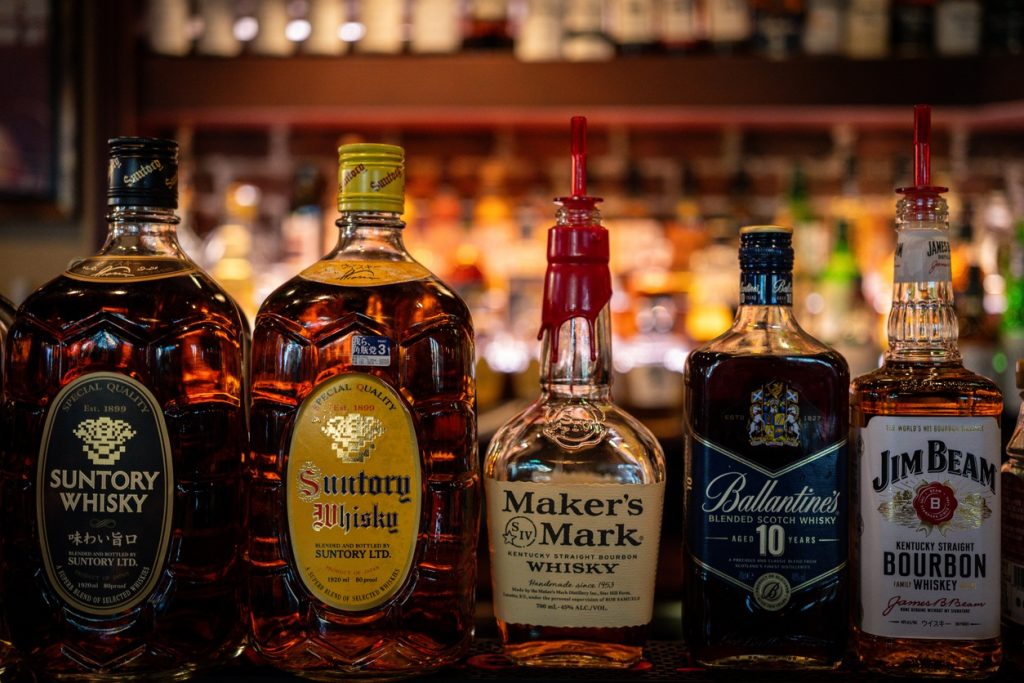
Bourbon often delivers notes of caramel, vanilla, and oak, while rye whiskey tends toward a spicier profile. Scotch whisky offers an enormous range of flavors, from delicate, fruit-forward expressions to intensely smoky, peated malts. Irish whiskey, American single malt, and Japanese whisky offer further opportunities to explore different grains, distillation methods, and maturation techniques.
Consider sampling several styles side by side, either through a guided tasting or a thoughtfully assembled flight. Pay attention to the differences in aroma, texture, finish, and how the whiskey changes with a few drops of water.
You may discover that an accessible, everyday bourbon appeals to you more than a highly sought-after release. That’s useful information, particularly when deciding where to spend your money.
Give Your Collection a Focus
As your knowledge grows, a collecting theme can help guide future purchases. Some enthusiasts concentrate on a favorite distillery, while others pursue specific styles, age statements, or historically significant releases.
There are plenty of directions to explore, including:
- Single-barrel and barrel-proof expressions
- Age-stated bourbons and Scotch whiskies
- Annual releases from favorite distilleries
- Limited editions and discontinued expressions
- Independent bottlings
- Whiskies with unusual cask finishes
- Bottles associated with significant moments in a distillery’s history
Beer enthusiasts might find particular appeal in American single malts, which showcase malted barley, or whiskeys finished in barrels previously used for beer.
A focused collection can also reveal differences that casual tasting might miss. Comparing several releases from the same distillery, for example, can demonstrate how maturation, barrel selection, and proof influence the finished whiskey.
There’s no need to commit to one direction indefinitely. Your interests will likely change as your experience grows.
Set a Budget Before Chasing Rare Bottles
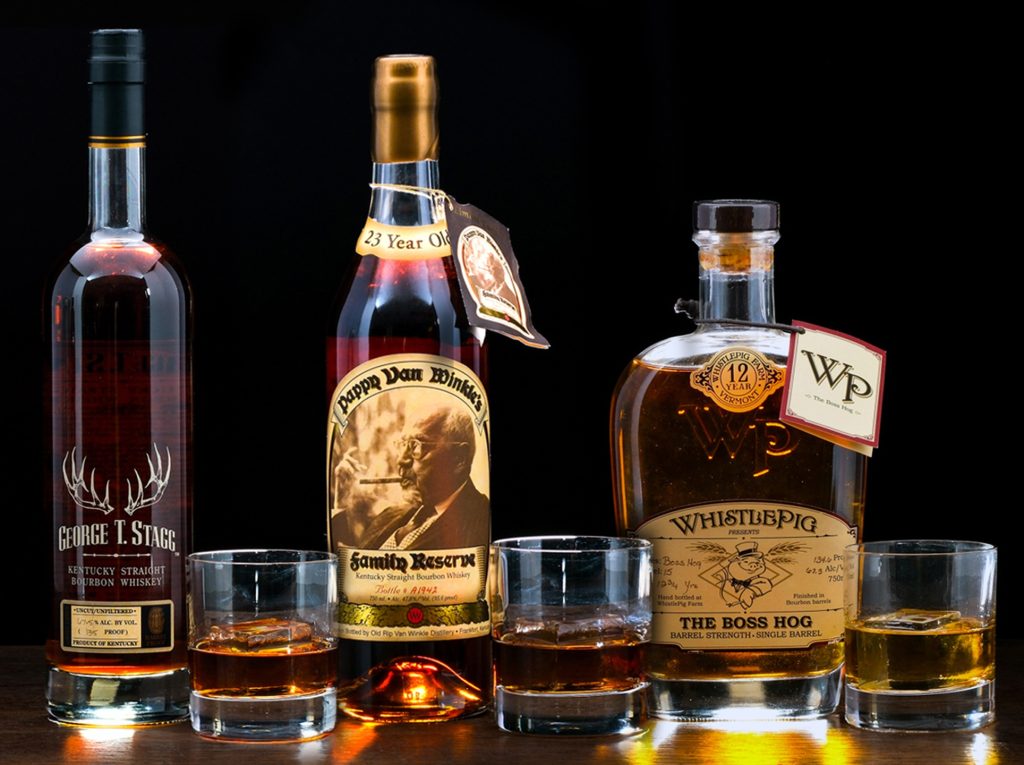
Whiskey collecting can become expensive surprisingly quickly, particularly once you begin pursuing bottles that rarely reach ordinary retail shelves.
Establish a comfortable spending range for everyday purchases, along with a firm upper limit for exceptional bottles, especially when bidding through online whiskey auctions. It also helps to distinguish between whiskey intended for drinking and bottles you plan to keep sealed.
Resist the temptation to equate higher prices with superior quality. Limited availability, enthusiastic demand, and secondary-market speculation can all push prices well beyond a whiskey’s original retail value.
And while certain bottles have appreciated considerably over time, whiskey shouldn’t be treated as a guaranteed investment. Collect what interests you, rather than assuming every rare release will eventually command a premium.
Learn What Makes a Whiskey Collectible
Understanding why certain bottles attract collectors is an important part of developing your knowledge.
Production numbers, age, distillery reputation, and historical significance can all influence desirability. Discontinued expressions and bottles from closed distilleries may be particularly appealing, although rarity alone doesn’t guarantee value.
Condition matters, too. Original packaging, intact seals, clean labels, and appropriate fill levels can make a meaningful difference, especially with older releases. Provenance, or a bottle’s documented ownership and history, becomes increasingly important as prices rise.
Research recent completed sales rather than relying exclusively on asking prices. For harder-to-find releases, collectible whiskey auctions can provide access to unusual bottles and useful pricing information, but examine photographs and condition reports carefully before bidding.
Remember to account for buyer’s premiums, shipping charges, and any applicable taxes or delivery restrictions. The winning bid isn’t necessarily the final price.
How to Store Your Whiskey Collection
Proper storage helps preserve both the whiskey and the condition of its packaging.
Unlike wine, whiskey should generally be stored upright. Prolonged contact with high-proof spirits can damage natural cork closures, potentially compromising the seal or affecting the whiskey itself.
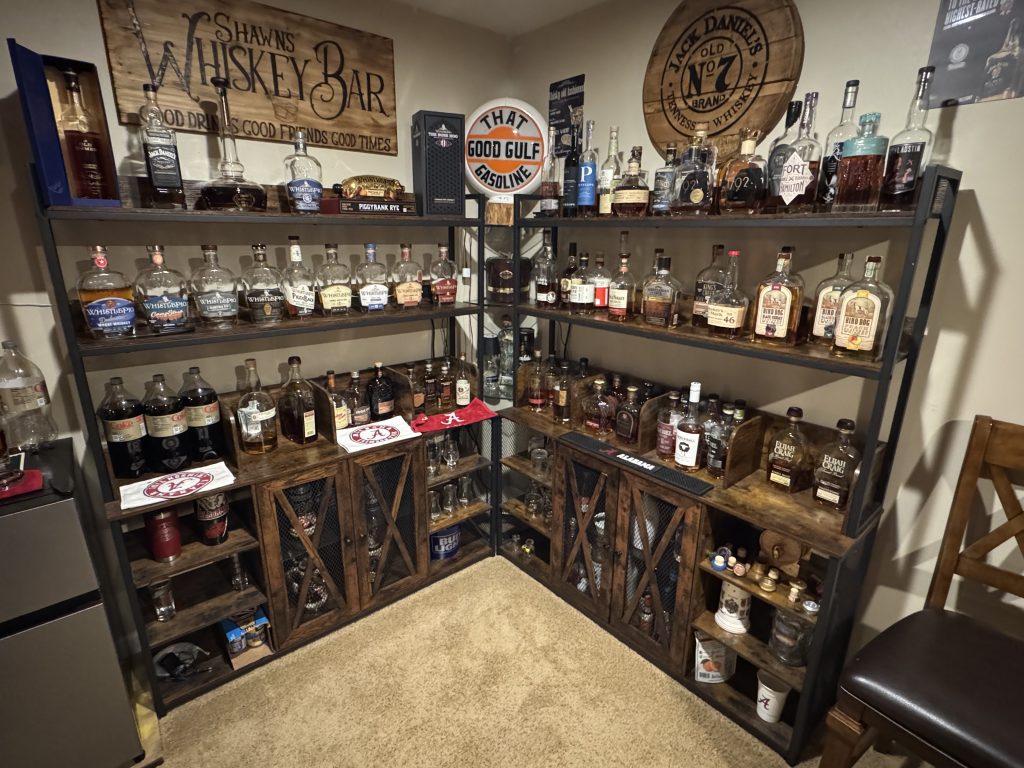
Keep bottles away from direct sunlight, excessive heat, and significant temperature fluctuations. A dark cabinet or dedicated shelving area in a reasonably cool, stable environment is usually sufficient.
Original boxes and presentation cases deserve attention as well. Moisture, sunlight, and careless handling can damage packaging that may contribute to a collectible bottle’s value.
Check closures periodically, particularly on older bottles, and keep opened whiskey tightly sealed. Exposure to air can gradually change its flavor and aroma, especially as the amount remaining in the bottle decreases.
Already Have a Beer Cellar? Make Room for Whiskey
An existing beer cellar may provide a convenient home for your collection, provided the environment is suitable.
The distinction is how the two beverages develop over time. Certain cellar-worthy beers continue to evolve in the bottle, while whiskey’s maturation ends once it leaves the barrel. A 12-year-old Scotch remains a 12-year-old Scotch, even after decades on the shelf.
Humidity is another consideration. A damp cellar that works for some beer storage arrangements may damage whiskey labels, cartons, and presentation boxes. Keep bottles upright on secure shelves, and make sure the space remains dry enough to protect their packaging.
Keep Track of What You Buy, and Open Some of It
As your collection expands, maintaining an inventory becomes increasingly useful. A spreadsheet or notebook is sufficient for recording the essentials:
- Distillery and expression
- Bottling year or batch information
- Age statement and alcohol content
- Purchase date, price, and retailer
- Bottle condition and storage location
- Tasting notes and personal impressions
For particularly valuable purchases, retain receipts and photographs. These records can help establish provenance and make it easier to track your collection over time.
Just as importantly, make room for bottles you’re willing to open.
Comparing different releases, revisiting old favorites, and sharing a good whiskey with friends are among the pleasures that make collecting worthwhile. Tasting also sharpens your ability to recognize differences between distilleries, maturation styles, and individual bottlings.
Ultimately, a thoughtful whiskey collection should tell a story about your interests and discoveries. The most rewarding bottles aren’t necessarily the rarest or most expensive. They’re the ones you understand, appreciate, and have a reason to keep on your shelf.


Conversations (0)
No comments yet.