





New Stadium Atmosphere Study Shows Home Field Advantage Has Declined 62% Since the 1990s
A new study reveals how factors like quieter crowds and changing game dynamics are eroding the once-dominant home-field edge in the NFL.
 Story by:
Sports Blog
Story by:
Sports Blog
For decades, grabbing a cold one and cheering from the stands (or the couch) felt like part of the home team’s secret weapon. But a new study shows that the once mighty NFL home-field advantage is fizzling faster than a forgotten pint at the bar. According to recent research from Cleatz, which analyzed 2,720 games between 1990 and 2024, home teams’ win rates have slipped from nearly 60% in the ’90s to just 53% in the 2020s. It’s a shift fans are feeling both on the field and off it.
The buzz that once came with a home crowd’s roar is losing its punch, not unlike that moment when your favorite beer starts to go warm before the final sip. Drawing on Pro Football Reference game data, NFL official statistics, and weather records from the National Weather Service, the study examined which environmental factors still deliver measurable performance impacts despite the overall erosion of home-field advantage.
Historic Decline in Home Performance
Home teams won 60% of games in the 1990s with an average victory margin of 3.6 points. By the 2020s, that figure dropped to 53% with just a 1.4-point average margin. That’s a 62% decline in home edge, according to the analysis of Pro Football Reference historical data.
The 2024 season saw home teams post a 127-125-1 record, barely above .500 and marking the worst home performance in modern NFL history outside of the pandemic-impacted 2020 season. What’s happened to home-field advantage over 30 years can only be described as transformational, says Jason Ziernicki, founder of Cleatz. “But certain stadiums maintained significantly stronger advantages, which told us specific environmental factors were still at play.”
Crowd Noise Creates Measurable Quarterback Impact
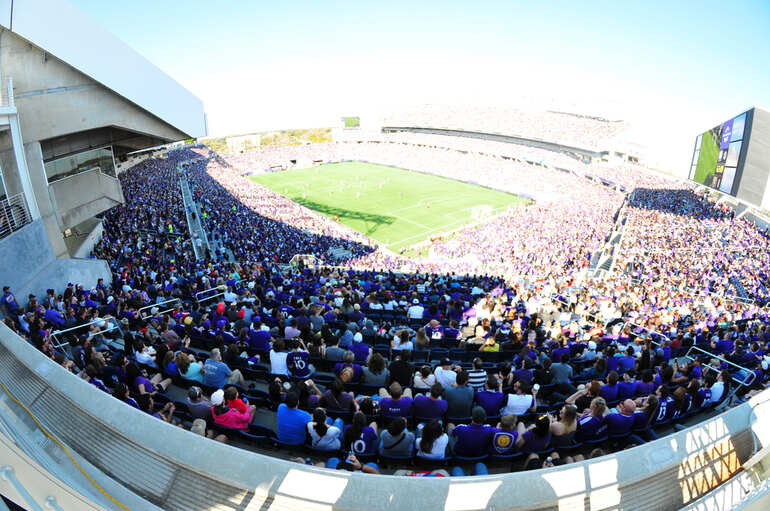
The research dug into how crowd noise truly shapes the game, comparing visiting quarterbacks’ performance in the league’s loudest stadiums, Seattle, Kansas City, Buffalo, to quieter arenas. Using data from Pro Football Focus, it found that quarterbacks facing deafening crowds saw completion rates fall another 3.8 points beyond normal road drops, costing them roughly 18 to 24 passing yards per game. Over the last three seasons, visiting QBs in those high-volume venues underperformed 58.4% of the time versus the 51.2% league average. It’s a stat that says a lot about atmosphere, the kind of electric energy you feel when a packed crowd roars, not unlike that rush when your favorite bar erupts after the first big play and every pint feels like part of the moment.
Weather and Atmosphere Compound Effects
The analysis combined National Weather Service game-day temperature data with attendance figures from NFL official records to reveal that cold-weather stadiums with passionate fan bases created different performance patterns than either factor alone. In games played below 35°F with above-average attendance, home running backs exceeded expectations 63.7% of the time.
According to Ziernicki, teams lean more heavily on the ground game in poor weather conditions when they have strong crowd support. “This edge only appeared when both factors were combined. Cold weather alone or loud crowds alone didn’t provide the same advantage.”
Prime-Time Games Amplify Home Defensive Performance
Prime-time home games at stadiums known for strong fan cultures showed a 7.9% increase in home defensive production based on official NFL statistics. Home defenses generated sacks and turnovers at 11.4% higher rates during Sunday and Monday night games compared to their season averages. The pattern held strongest in Buffalo, Kansas City, and Seattle, where night game crowds created measurably more challenging environments for visiting offenses.
Six Stadiums Maintain Elite Home Advantage
Even with the overall dip in home-field advantage, a few stadiums still pour out that undeniable winning buzz. According to data from Pro Football Reference, six venues kept home win rates above 65% between 2020 and 2024: Kansas City (78.9%), Buffalo (78.9%), San Francisco (73.3%), New Orleans (68.9%), Baltimore (68.4%), and Minnesota (65.5%). Visiting teams in these arenas consistently lagged 8–15% behind their season averages across key stats tracked by the NFL and Pro Football Focus, which connects the world. You can almost picture it, the roar of the crowd blending with the crack of cans and cups clinking mid-celebration, the kind of atmosphere that makes football and beer feel like they belong in the same playbook.


Comments 0
No Readers' Pick yet.