





What Are Pull-Tabs? How Bar Pull-Tab Games Work and What They Pay Back
 Story by:
Casinos and Gambling Blog
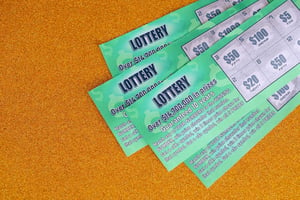
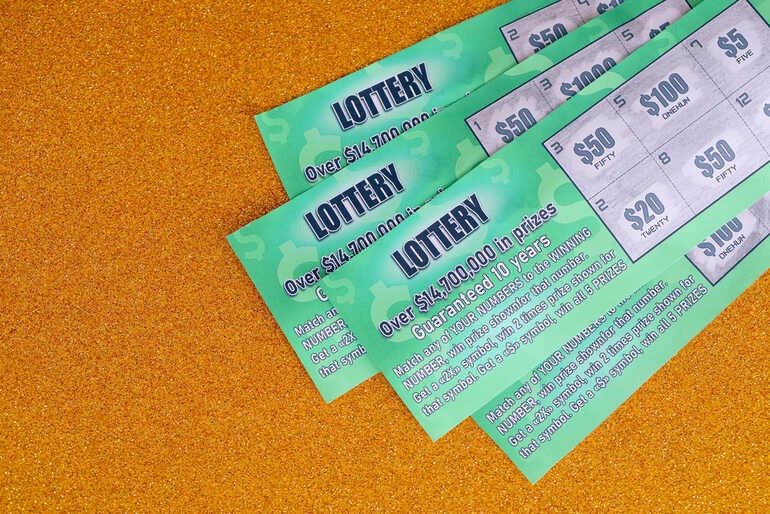
Pull tabs are a type of gambling tab that has small sections used that can be torn off to reveal symbols underneath. Players buy a ticket; the hidden panels are then turned over, and the symbols are matched with the winning symbols shown on a separate display. Each pull tab box will have several tickets and a set of prizes to receive for a given number of pulls. When the pack is sold out, the prize amount won by all the winners is exactly what the manufacturer has allocated to the box. These colorful “tickets” are likely to have been seen near the bar in some Minnesota, Wisconsin, or Washington bars. Although this sounds familiar, it is not the same kind of pull rings as are used on cans.
Key Takeaways
- This paper game ticket has the result printed on it and is used to pull a tab, making it one of the simplest games to play in a standard instant game. Winning tickets are treated as part of the production process.
- The payout percentage is the percentage of all boxes correctly wagered on a particular slot that the house pays off. Note that this is not an overall winning chance of a specific ticket.
- There can be relatively few winners in a box that returns 75% of sales. In the example below, about one ticket out of each 7 is the winner and about one ticket out of 27 returns more than the money they put in.
- Pull-tab Regulations vary between states and include participation, game operations, and regulations on pull-tab sales.
How Does a Pull-Tab Ticket Work?
The process starts when a customer purchases a ticket from a buyer/dispenser. Typically between 25 cents and $1 (price fluctuation varies by game). Printed symbols are covered by regions that are movable on the ticket. Players look at the printed patterns to guess if they are one of the qualifying ones. The method is that when a ticket seems to be a winner, the seller performs a check prior to giving out the correct amount.
These games are referred to by many names, including break opens, cherry bells, pickle cards, and Nevada tickets in various regions and by various manufacturers. Arrow International, a company that produces instant-win pull-tab slips, provides an introduction to pull-tabs, explaining how the symbols revealed inside each ticket are compared with the winning patterns listed on the ticket itself or the game’s flare card.
Understanding the terminology makes the games easier to follow:
| Term | What it means |
| Deal (or box) | The entire collection of tickets belonging to one game, identified by a common serial number |
| Flare | A posted information card displaying the prizes and instructions for that particular game |
| Payout sheet | A document from the manufacturer detailing ticket quantities, prize categories, and the percentage returned as winnings |
| Instant winner | A ticket whose revealed symbols immediately qualify it for a prize |
| Hold ticket | A special ticket used in certain event or seal-card games that may receive another prize after the complete deal has been sold |
These are not simply informal terms used by players. Minnesota’s gambling statute uses them when describing how pull-tab games operate. A deal is a full game consisting of packages of tickets that have the same serial number; by law, this is called a “full game. The accompanying display of this is the flare, which sends the conditions and rules of play. Prizes for winning the game are also dependent on the format of this game. The ordinary instant tabs display the symbols that are revealed when opening the ticket and determine its winning status.
Hold tickets can be added to other games such as seal-card or bingo events. These will be identified with specific identifiers, which might be eligible for an extra prize at the end of the ticket in the deal. Another type exists under Minnesota law and is called electronic pull-tabs. They are handed out to players through handheld electronic devices and have their own requirements. In this latter case, the emphasis is on the more traditional paper-based systems that deliver a quick answer.
What Does a Pull Tab’s Payout Percentage Mean?
A game’s payout percentage (also called its payback) tells you how much money is being paid out in the game’s prizes compared to the total amount of money that is being gained from your 100. It breaks down total prize value to determine the value of each prize (assuming the box is full). Another term they tend to employ for casino games is return to player, which is discussed in Wild.io’s guide to return to player, along with the house edge. But the percentage of paper pull tabs is different than most slot machines. A regular slot works on the computer software with which it is programmed, and the expected payback is based on extensive play. You’ll find some machines feature progressive jackpots, bonuses for players who accumulate wins on a machine, or perks that last for several spins.
At the same time, a paper pull-tab game has only a limited number of physical tickets available, and each prize is assigned prior to the Box getting to the Seller. This makes it more like lottery tickets are drawn from a raffle. There is a total value based on the total purchase that is set, and as people keep buying tickets, the value remaining in the game can fluctuate. You will usually find all of the information you need to know about the game’s return to the manufacturer’s payout sheet, and the frequency of winning tickets. An example of a game published by Arrow International has a ticket cost of $50, a winning ratio of 73.29 percent, and a win rate of about 1 winning ticket every 9.75 played.
A Worked Example: One Complete Hypothetical Deal
To see how these figures relate to one another, consider an imaginary pull-tab box. The example is intended only to illustrate the calculations and does not represent a game currently available for purchase.
- There are 1,000 tickets in the box, each selling for $1. Selling the entire supply would bring in $1,000.
- The listed prize is the full amount a winner receives. The original $1 ticket cost is included in that return rather than being repaid separately.
| Prize | Winning tickets | Total paid |
| $100 | 2 | $200 |
| $50 | 5 | $250 |
| $10 | 10 | $100 |
| $5 | 20 | $100 |
| $1 | 100 | $100 |
| No prize | 863 | $0 |
| Total | 1,000 tickets | $750 |
Although the box contains $750 in prizes, that figure alone does not describe a player’s likelihood of winning. Three calculations help explain the difference:
- Payout percentage: 75 percent. When the box is sold, customers pay $1,000 through lottery play. The seller then pays $750 to winning ticket holders and keeps the remaining $250 as profit.
- The probability of winning anything: 13.7 percent. If the winning tickets for Tickets A, B, and C are added together, then 137 winning tickets are added up. That translates to around a winning ticket every 7.3 plays for 1,000 tickets.
- Normally, a person on a ticket has a 3.7 percent chance of coming out ahead. A $1 prize is only the cost of the ticket; it is not a profit. Only about 1 in 27, or 37 of the tickets paying $5 or more, yields a return, which is not a great return.
The other meaning of the numbers is the average ticket with the lottery. Such that the box has a distribution of seven and three-fifths of a dollar, or in other words, of 75 cents in prize money for every dollar it collects, where the median difference is 25 cents. If an individual buys 20 tickets for $20, he or she can expect to lose $5 on each ticket on average. However, the customer will not be the one who receives $15. Actual results may vary significantly due to the fact that the expected value depends on the distribution of all the tickets, not necessarily from a short session.
Does The Payout Change As a Box Sells?
Tickets that are not sold can differ drastically from one another. After some of the tickets in the selection are sold, the remainder is no longer a complete list. After tickets in the selection are sold, the composition changes. Each time a ticket is withdrawn from the box, it will be either a winner or a loser, altering the values of the remainder. What would be the outcome of selling 600 tickets from the imaginary box? Assume the customers have already won $100 prizes and four of the five $50 prizes. They’ve also bought 60 percent of the winning tickets for lower prize categories. Of the 400 unsold tickets, now there would be one $50 prize, four $10 prizes, eight $5 prizes, and forty $1 prizes. The total value of those other awards is $170. If someone bought all 400 tickets, they would receive only 42.5 percent, down from the original 75 percent, of the winnings from those tickets as a result.
This is, of course, a different scenario that could play out in the opposite direction. The return the remaining tickets might offer might be greater if a larger proportion of the losing tickets is bought first. Unfortunately, customers can only see a part of the picture. It is not possible, just from the information given, to work out how many tickets are left or how many smaller prize-winning tickets have been sold in the container just from knowing that a prize is unclaimed. Washington provides an example of how sellers must communicate prize information. According to state guidance for pull-tab sellers, it is expected that prizes claimed will be marked on the flare so that customers can see.
This is not necessarily an indicator of the number of unsold tickets, and other states may require different displays. This is also why two popular pieces of advice about the Instant-win tabs are misleading. One of these is a person thinking that if something doesn’t work out, then they’ll have a higher chance the next time. Without knowing the exact remaining count of tickets and of prizes, previous losses can fail to provide enough information to make that determination. The other is hoping that if that big prize hasn’t been won, the chances of it being won again are increased on every other ticket. The other is believing that there’s more value in purchasing every other ticket if the big prize hasn’t been won. There is no reliable method to calculate the remaining odds since the number of tickets isn’t known and the prizes they contain are unknown.
How Are Pull Tabs Different From Scratch-Offs and Slots?
Feature | Paper pull tabs | Lottery scratch-offs | Typical slot machines |
| Prize pool | A set prize distribution within each deal | A predetermined prize distribution spread across a larger lottery game | Software determines results without drawing from a physical ticket supply |
| Usually sold at | Bars, social clubs, and charitable gaming venues | Stores and other licensed lottery outlets | Casinos |
| Changes as people play | The mix of winning and losing tickets still in the box | The prizes and tickets remaining throughout the game’s print run | Features designed to accumulate between plays, such as jackpot or bonus meters |
A key feature of both the scratch-off lottery and paper lottery is that the results of their lottery tickets are revealed beforehand. The difference is in the distribution of the tickets. Individuals who pull tabs or play scratch-off games may have a small-scale print run, or a large-scale print run, making up a lottery scratch-off game. The cards in this box are the entire deal.
Before You Buy a Ticket
Not all states allow pull tabs, and they are often different in different states. In certain spots, such games serve as a monetary source for charity and non-profit organizations. There may be local laws that impose a minimum participation age, maximum prize value, and tracking and payment rules. For example, Washington bars anyone under 18 from selling or participating in pull-tab games. Therefore, it is essential to review the requirements in the state where you play the game.
Pull tabs should not be considered a legitimate investment or income opportunity, but rather an entertainment product. Set a budget for how much you’re willing to spend, play the game until that amount of money runs out, and do not reinvest your winnings into more games. Drinking raises the chances of making judgment and money mistakes, so it’s a good idea not to gamble after alcohol. When it becomes challenging to control gambling, support is available through the National Council on Problem Gambling’s National Problem Gambling Helpline, which accepts calls and texts at 1-800-MY-RESET.
Frequently Asked Questions
Are Pull-tab betting games?
Yes. In a pull-tab game, one has to buy a ticket to really obtain cash or another reward that will be selected by luck. This combination renders pull tabs into a gambling pastime, and typically states manage them via laws that deal with “charitable” or other licensed gaming.
What is the payout percentage (Winstar) of pull tabs?
This will depend on the number of tickets & winnings of each game. Each manufacturer gives a payout sheet as a deal, which will designate its overall return. In the simulated example above, the prizes received are 75 percent of the cost of the ticket. The published example from Arrow International has a return of 73.29 percent. If the details on ticket quantity, ticket price, and the value of the prizes are complete on the game’s flyer, the payout can also be determined by dividing the total prizes by the potential revenue from all of the tickets.
Do pull tabs offer a greater chance of winning than scratch-offs?
There is no automatic preference for either of these choices. The odds of winning will vary depending on the specific pull-tab game and/or deal. The proportion of prize money returned in relation to the number of winning tickets is a better illustration. Overall scratch-off odds may be posted by lottery operators, but pull-tab players might have to use the data collected on the flyer to figure out the odds.
Is there any way to win pull tabs?
No technique can be used to predict who will win any ticket. In instant Pull-tab betting games, the potential prize value is predetermined before the game’s tickets go on sale and the entire box is created to pay out less than it takes in. The remaining tickets may be equally or even more lucrative than the initial option, but the onus is not typically on the player to know what is available to them on the remaining ticket. A prize that is displayed on the flare can not be considered indicative that the odds of purchasing another ticket are better.


Conversations (0)
No comments yet.