


Kim Jong’s Ales: Beer in North Korea
 Story by:
Jim Dykstra
Story by:
Jim Dykstra
In North Korea, warm beer carries a sinister association. Cold beer, however, is a point of pride for the DPRK, which boasts a number of microbreweries to support a robust drinking culture. Limitations in refrigeration technology have even resulted in a type of steam beer distinct enough to be considered its own style. While you won’t find North Korean Steam Beer in the BJCP anytime soon, there’s a lot more than initially meets the eye from the world’s most isolated country.
Ushering in the Il-lenium
The flagship brewery of North Korea is Taedonggang Brewing Company, of Pyongyang, named for the Taedong River. Back in 2000, Kim Jong Il decided the country needed a “showcase brewery”, resulting in the purchase of around $10 million in equipment from Ushers of Trowbridge in Wiltshire, UK, which was shuttering after 175 years of operation.
“About 12 of them came at first,” remembers Gary Todd, former Head Brewer of Ushers. “Two engineers, two brewers, and the rest were Government officials, who were present during every conversation. It was extremely strange, but the memories that really stick are things like the plastic cups. Some of these guys had never seen plastic cups. They were hoarding them. And toilet seats. Boy oh boy, toilet seats were like gold. They took everything.”
The transfer went pretty smoothly once officials were assured the equipment couldn’t be used for weapons manufacture. One time, after all, North Korea had tried to smuggle two MiG fighter jets from Cuba under thousands of tons of sugar.
Though alcohol has been called “political cancer” in DPRK, there were no such ulterior motives related to beer equipment purchase, and Taedonggang Brewery was pieced together back in Pyongyang. By 2002 they were cranking out a number of brews. Flagships include Taedonggang Lager, crisp with subtle hop bitterness, the so called Dark Beer, with chocolate and coffee malt notes, and Wheat Beer, cloudy, smooth, fruity and spicy.
Many of these brews receive relatively favorable reviews compared to standard fare for the East Asian region. Quality issues seem to stem from two main challenges, which are availability of hops and grain, plus maintenance of draft lines. One drinker reports a drastic increase in quality once a team from Germany came in to clean the lines.
As the country’s premier brewer, Taedonggang provides North Korea’s most readily available brews, occasionally even exporting to China, South Korea, and as far south as Cambodia. Taedonggang is also the only beer to have received advertising on state-run television, a rare spectacle which tripped the wires of news outlets globally.
Other North Korean Breweries
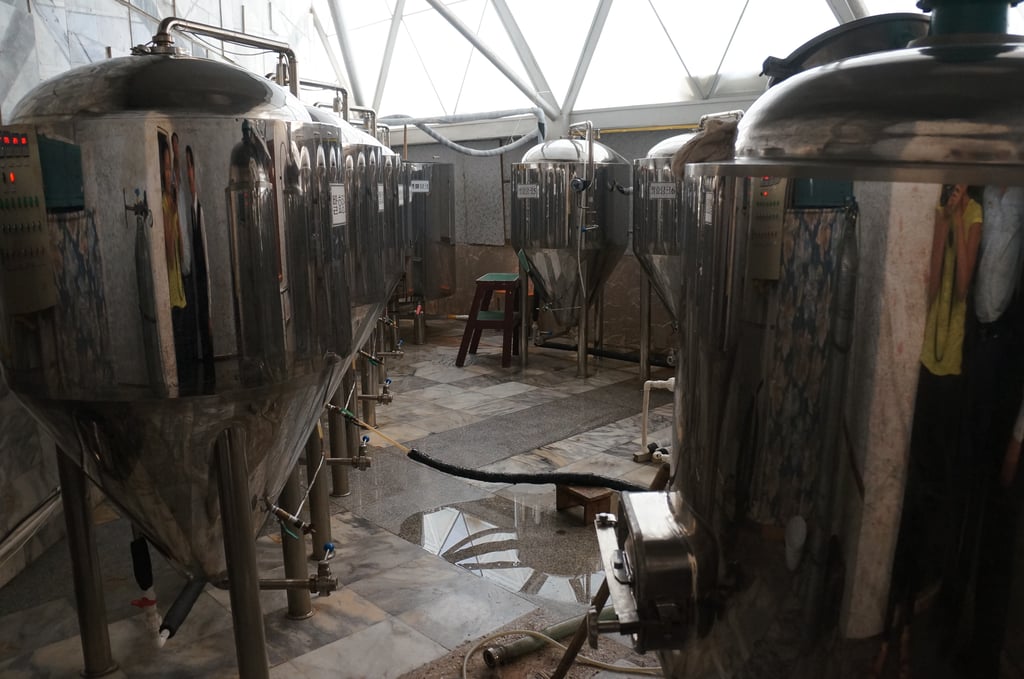
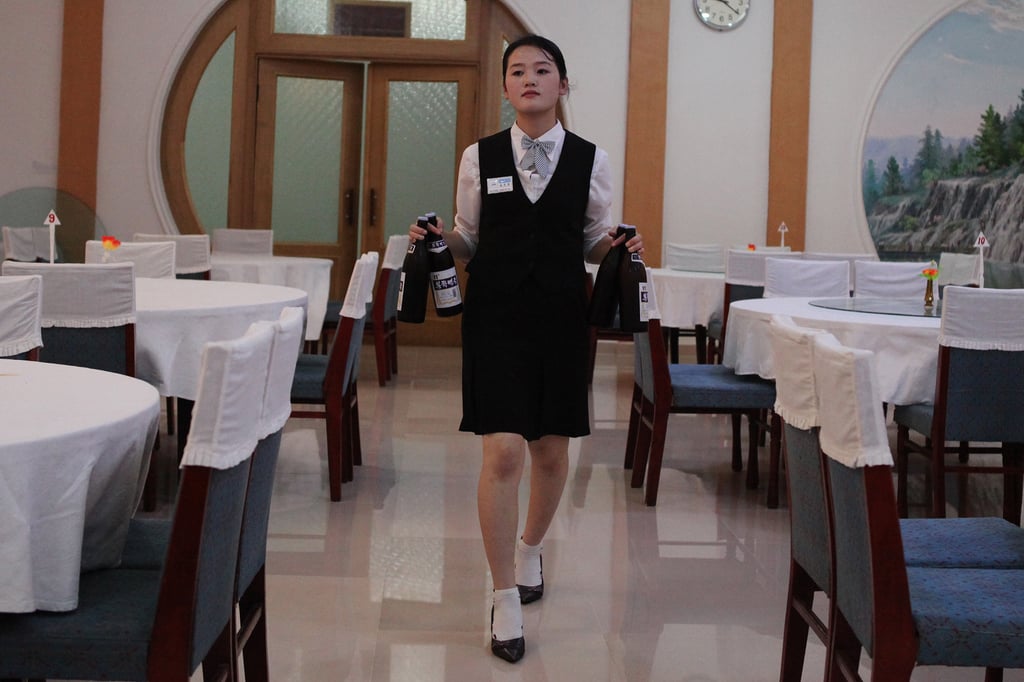
Taedonggang is but one of many brewers in North Korea, which boasted at one point as many as 10 major brewers, many smaller microbrewers, and numerous beer bars. Brewing operations are often tied to hotels, which provide a regular clientele. Some of the most widely known are Yanggakdo Hotel Microbrewery, Koryo Hotel, Ponghak Beer, and Rakwon Paradise Microbrewery, which offers one mainstay and three to five rotating brews. Considering Rakwon’s ale is served 10 feet from where it is brewed atop the Rakwon Department store, it owns the title of “North Korea’s freshest beer.” Drinkers can enjoy beer at the bar or for large parties, private rooms.
The State of Drinking in North Korea
Like most experiences in the DPRK, perspectives vary drastically whether coming from a local or foreigner, and among locals, whether they are defectors, or loyalists. As such, it’s hard to get a read on what life is like for the average citizen.
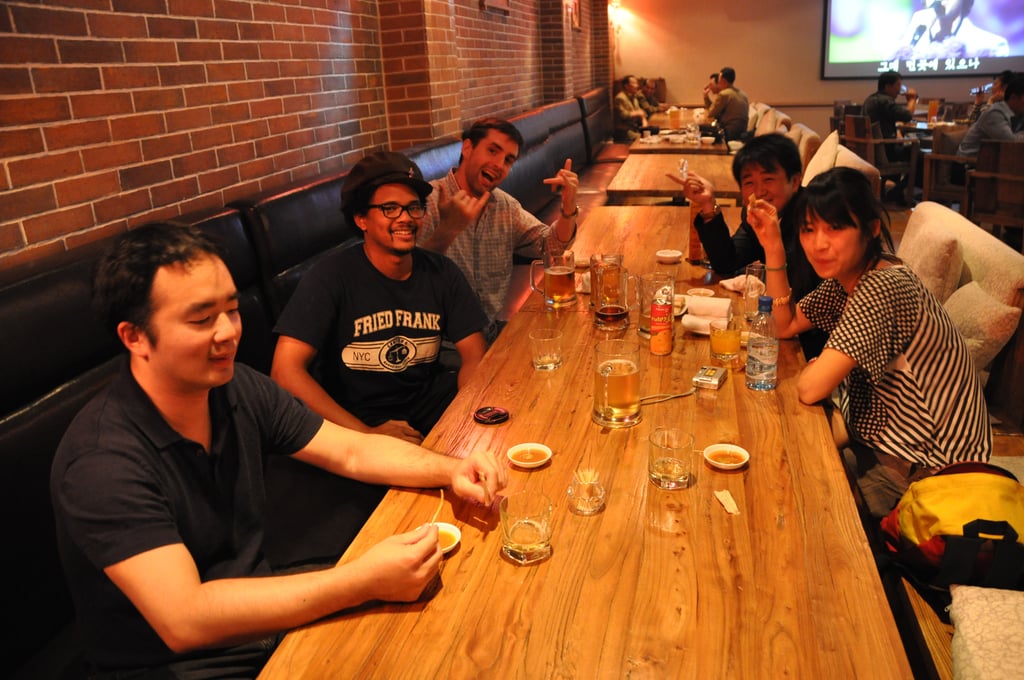
North Korea’s highest quality brews are more associated with the business class drinker, but beer is a common drink for many North Koreans. Reporter Maya Oppenheim quotes a defector stating that beer and soju were often enjoyed after work. “There were no nightclubs but there are bars where they only sell beer. Women are allowed but no children. It just looks like a normal bar but there is no music. I would go a lot in summertime, about twice a week, because it’s very hot so you want cold beer.”
It’s easy to forget that beneath political divides, people are people, and North Koreans enjoy their beer as much as anyone else. Journalist Robert Foyle Hunwick, who visited the country to learn about its drinking culture, notes “there’s a strong macho drinking culture in North Korea. You see people drinking into oblivion, but there are also bars.”
At the Golden Lane Bowling Alley, Hunwick saw a scene of youngsters drinking and bowling which “could have been anywhere were it not for the propaganda on the walls”.
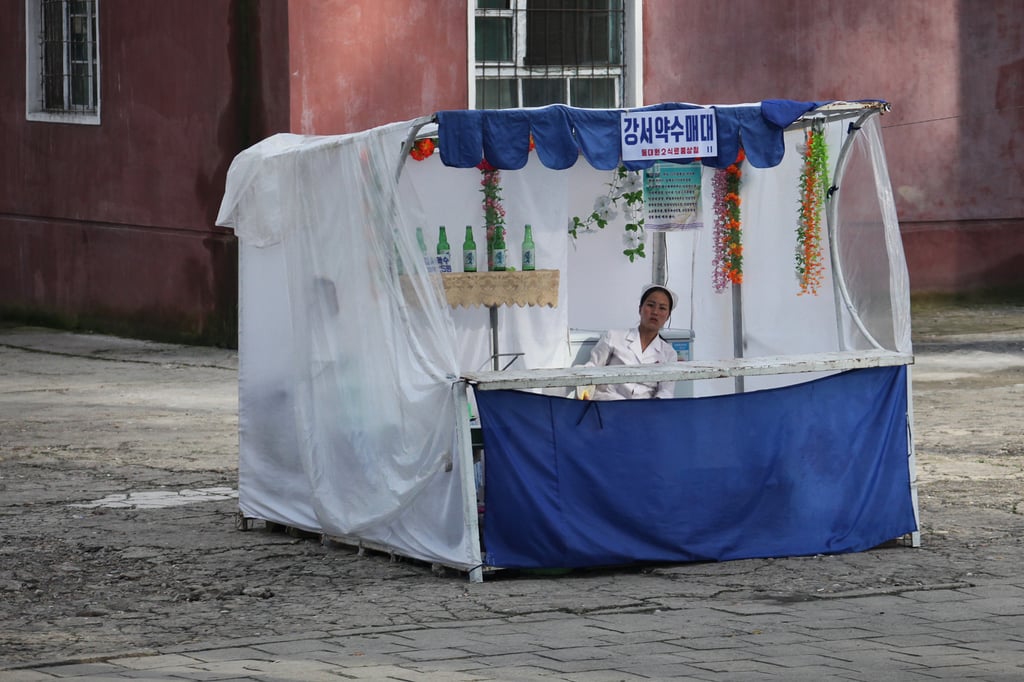
Granted, bowling alley visits are likely not the typical North Korean experience. Outside of the capital and its business class citizens, much of the country produces its brew locally, selling or sharing within the community. The quality can vary. One defector states how he “found corn flower and hops and made something that came out a weird milky color. At least it was fizzy like beer.”
He may have been describing makgeolli, “one of the oldest forms of alcohol in Korea. A milky type of unrefined wine, it is made by steaming non-glutinous rice and glutinous rice together, drying it, mixing it with malted wheat, nuruk (a fermentation starter culture) and water and letting the mixture ferment for a couple of days.” It typically ranges from 6 to 7 percent, with a sweet, tangy, lacto-type flavor.
There are no laws against public drinking, however it should go without saying that drinking around political or revolutionary sites is verboten. A tour operator states that during holidays and Sundays you may find North Koreans in public parks or at the beach, drinking, singing and dancing. Back in Pyongyang, districts distribute ration cards which can be used at beer bars, good for up to 10 pints a month.
North Korean Beer Tours
Since the Otto Warmbier incident of 2016, Americans have been forbidden from travel to North Korea. However, tours still run which are open to citizens of most countries, including tours focused around drinking beer. In fact, in summer of 2016, there was a Pyongyang Beer Festival, intended to be the first of many. Scenes from the 20-day fest appear as if they could have been plucked from Munich, and seem to signal a since-cooled effort to open the country up. Seven beers on offer, a slew of food, and festivities running from 7pm to 12am.
It seems a mix of drought and geopolitics brought the festival to an early end, with COVID driving thoughts of a second even further from the mind. Considering the ability of beer to break down barriers and ease inhibition, one is left to wonder what might have been if the country kept “Mashing Un” with its “Kim Jong Ales”, trading DMZ for ABV.
Featured Image Photo Credit: Wikimedia Commons/Uri Tours


Conversations (0)
No comments yet.