


How Liability Brewing Co. is Helping Greenville, South Carolina Become a Top-Tier Beer City
 Story by:
Matthew Dursum
Story by:
Matthew Dursum
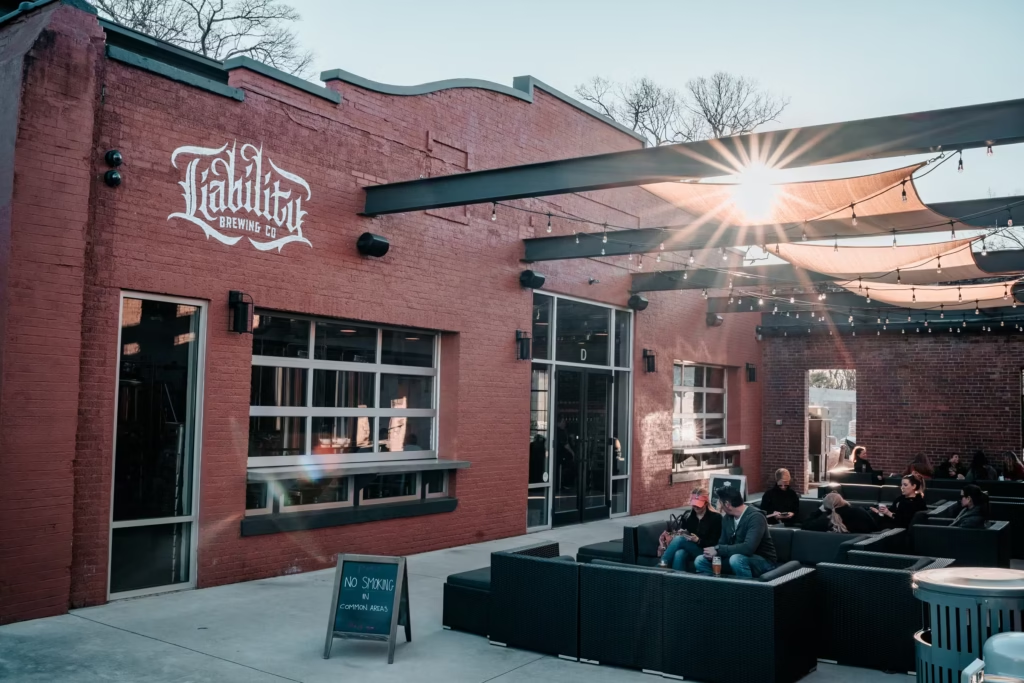
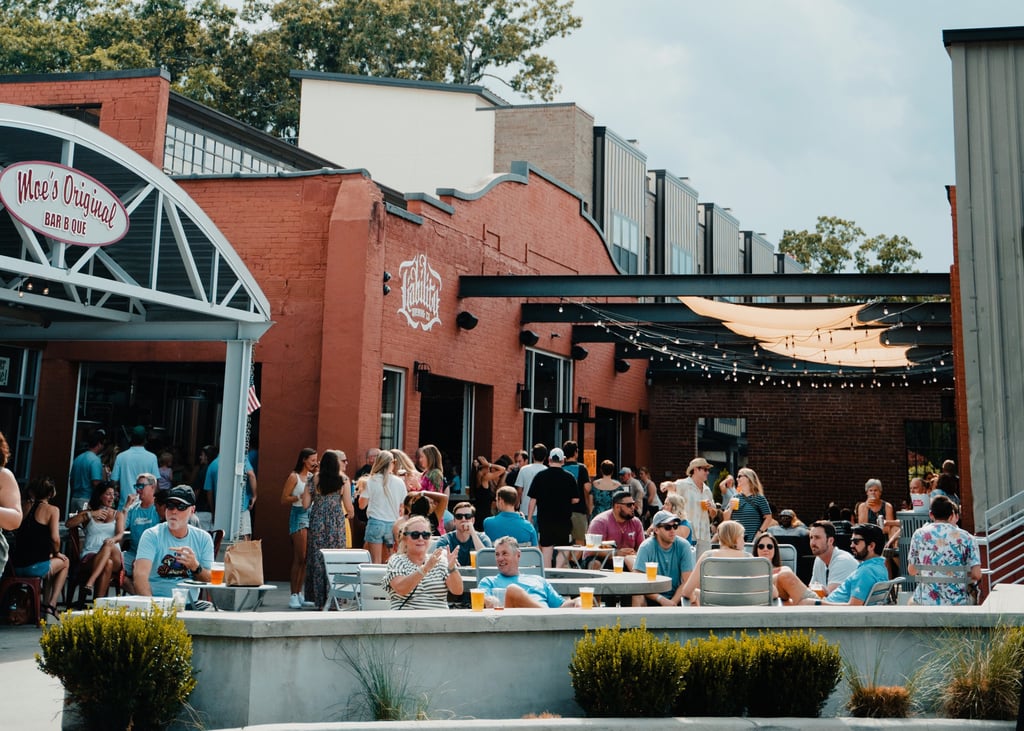
Walk into Liability Brewing Company on any given day, and you’ll likely see people of all ages chatting over pints. Look at its beer list and you’ll notice quirky names such as the Feral Garden Gnome Belgian Blonde or an Imperial Stout called A Final Blaze of Incompetence. You’ll see Greenville locals with their friends of all ages and demographics, mixing in with travelers and folks visiting family from out of state. What you won’t see is a TV – anywhere in the taproom. The crew of this Greenville establishment wants you to engage with your neighbor, just like its founders did in the beginning.
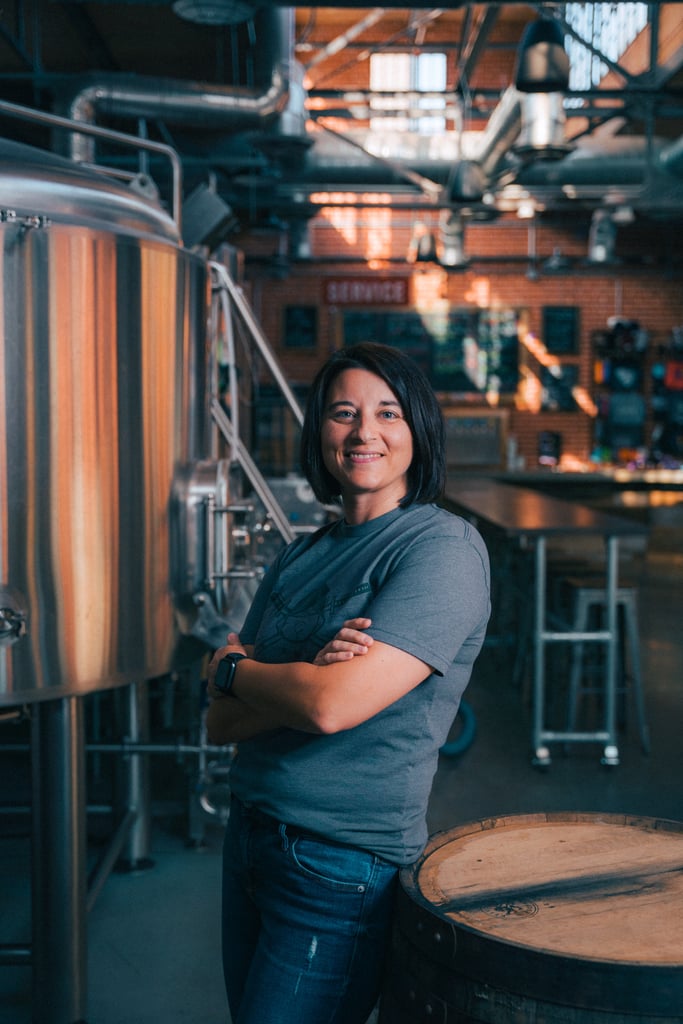
Neighbors Dustin Howard and Terry & Kathy Horner began brewing beer together, sharing recipes, favorite hops, and at times, Star Wars trivia. “We are the three who kind of had the idea to open the brewery,” says general manager Kathy Horner. The neighbors shared Friday night happy hour duties on their back porches. “That is really when Terry got back into craft beer after kind of not being in it for a while, and I actually started to explore the craft world.”
From Neighbors to Brewers in Greenville
After moving to a new neighborhood, the friends kept in touch, and Dustin and Terry started homebrewing in their garages in 2015. Besides Terry’s brief “Mr. Beer” homebrewing kit experiments, Dustin and Terry had no prior experience. The friends went to homebrew shops and stocked up on grains, hops, and yeast. “We had the equipment set up here, and it was during one of several homebrewing days that the idea of ‘we should really start a brewery’ started,” says Horner.
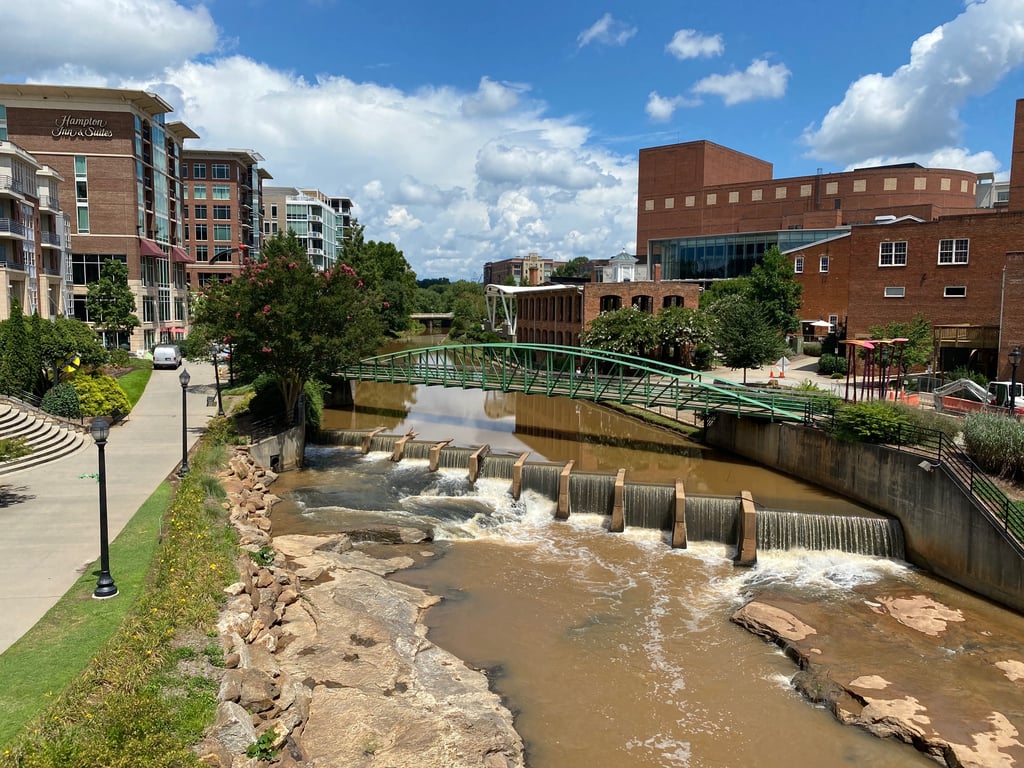
At the time, Greenville had few craft breweries. “A lot of people went up to Asheville, North Carolina, because we’re, you know, a quick 45 minutes to an hour up there, and at that point, the Asheville beer scene was very mature and very hip,” says Horner. Small craft breweries had to contend with South Carolina’s strict liquor laws.
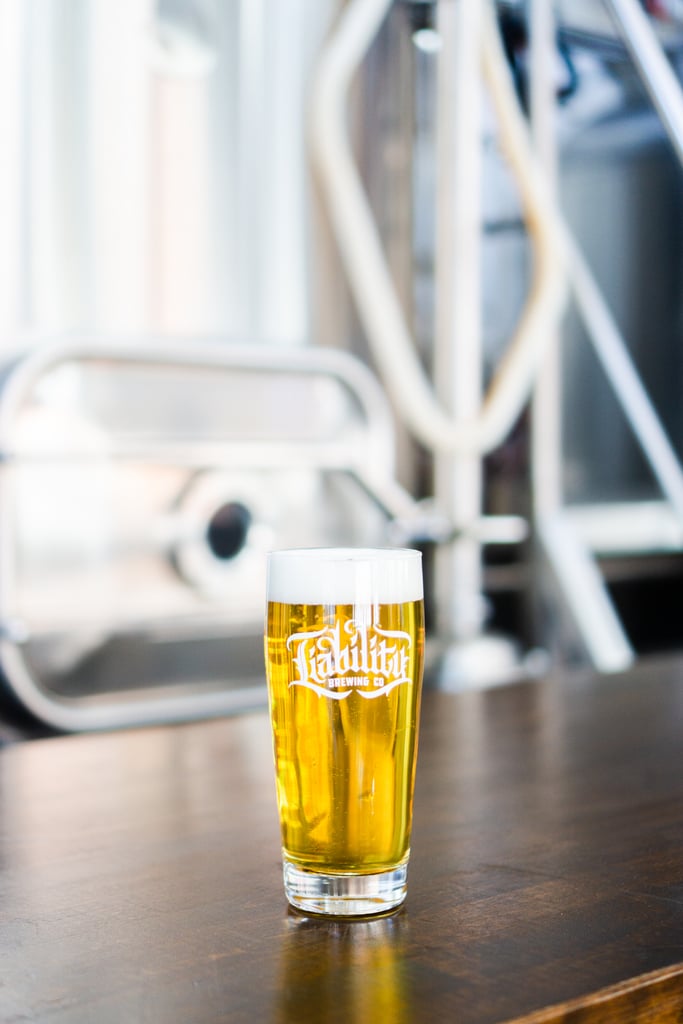
Before 2014, South Carolina brewers couldn’t pour more than three pints or sell food from their premises. “The scene here and the Upstate was all retail-based. You had a couple of craft bars and bottle shops, but not even that many,” says Liability Head Brewer Jared Tuttle. That all changed when Stone Brewing came to the region, looking for a home for its new energy-efficient brewing, packaging, and distribution center.
Although Stone eventually bypassed South Carolina for Richmond, Virginia, lawmakers in South Carolina, hoping to attract Stone’s business, changed the Prohibition-era laws. “Now, with the laws and being able to actually sell beer out of a taproom, a lot of smaller breweries have popped up. More people come in with their own interpretations of beers, and that has made it to where people have a little more understanding of what craft beer can be,” says Tuttle.
Craft Beer Culture in South Carolina’s Upstate
After the laws were loosened, craft brewers from around the state exchanged recipes and personnel. Breweries such as Thomas Creek became hubs for creativity and craft beer culture that spread quickly. “I know every brewer that’s in the Upstate and even some down to the coast, and a lot of them came from some of those breweries that really started it. So the culture here is almost like a fraternity,” says Tuttle, who says nobody ever feels like a competitor. “We’re all in this together. We give recommendations for other breweries to go to, and they do the same for us. So we never feel like it’s a competition between us.”
In this supportive Wild West of a beer scene, Liability opened its doors in July 2018 to friends, family, and the public, with a sparkling 4,953 sq. ft. taproom and production facility, 10-BBL brewhouse, and three fermentation vessels. “One of the very first beers we made is now called Ted Danzig, and we opened with that beer when we opened the actual brewery; it’s a Schwarzbier that was born in our driveway,” says Horner. The beer is still one of Liability’s most popular.
Currently, there are 18 open-pour breweries in Greenville, with four scheduled to open within the year 2025. “We’ve got everything from production-based breweries with taprooms, which is what we are, all the way to kind of full-scale restaurant breweries, which is what I would put Iron Hill brewery and Restaurant in that category, and everything in between,” says Horner. “It depends on what folks are interested in, and they can definitely find a brewery around here that offers the kind of vibe that they’re looking for. That was another reason why we got into it. We’re like, how can we make Greenville a beer city?”
Liability Brewing as a B Corp Pioneer
In 2021, Liability switched its legal structure from a C Corporation to a Benefit Corporation or B Corp, the first and only one in South Carolina. “It’s this whole idea to make sure that businesses care about more than just making their owners rich, making their stockholders rich; that they are taking care of their employees, they’re taking care of their community, they’re taking care of the environment, they’re transparent in their governance,” says Horner.
B Corps make up around 0.2 percent of breweries in the U.S. and include businesses such as The Alchemist in Vermont, Athletic Brewing in Connecticut, and New Belgium Brewing in Colorado. “There’s a growing trend of businesses of all types becoming this. It’s a really rigorous process,” says Horner.
Liability offers its employees continuing education opportunities, competitive benefits, and avenues to work their way up in the company. “If somebody starts with us as a bartender, but they’re like, I really want to brew beer, we’re going to figure out how to help you do that,” says Horner.
Sustainability also became a standard business practice to supplement its B Corp status. “When we were outfitting the brewery, we made sure we bought HLTs (Hot Liquor Tank) and CLTs (Cold Liquor Tanks), because those would make our water and energy usage more efficient. We bought a heat exchanger for the same reason,” says Horner.
Giving Back Through Partnerships and Events
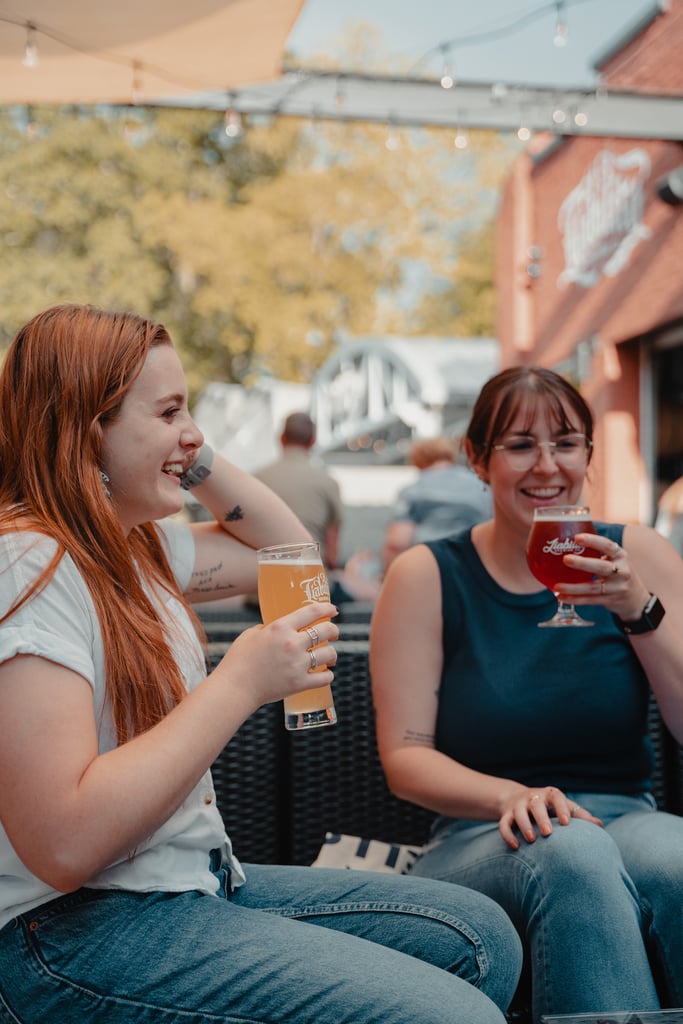
Liability started partnering with organizations, sometimes up to five a year, “and we bring them in, do events with them, we’d have a charity beer on for that month, and they received part of those proceeds from that as well,” says Horner. The partnerships led to events on-site, which helped to build the new brewery’s growing popularity though “COVID threw all of that out the window.”
When the pandemic hit, only a year and a half after opening, Liability closed its taproom, remaining open for to-go orders only until restrictions were loosened over the course of a year. “The pandemic was definitely a tough couple of years trying to make sure that we could keep the doors open, keep all of our staff employed, have a place where people could get out of their house and come and be on our patio and enjoy safe, socially distanced outdoor conversations with folks,” says Horner.
During that time, “we kind of had to flip it and think, ‘all right, well, how do we want to still give back to the community?’” says Horner. The team began partnering with organizations that focused on three impact areas, starting with health and wellness-based missions, such as the South Carolina chapter of the American Fisheries Society, Conestee Nature Preserve, and a local bike and rugby team the brewery sponsors. “And then our other area has a kind of personal and economic impact. So, giving back to organizations like the Greenville Junior League that are working with the community and trying to provide educational benefits to folks, and we’ve worked with Upstate South Carolina LGBT+ Chamber of Commerce with their types of activities, trying to make sure that they can have successful charity-raising events.”
Awards, Challenges, and the Future of Greenville Beer
Today, the brewery’s main challenge is keeping up with the costs of imports. “The tariffs that are coming out now are starting to impact us,” says Horner. “Obviously, aluminum is a big part of a brewery when you can your beers, and some of our malt comes from Canada.” Even merchandise is made overseas before being printed and sold on-site.
According to Horner, many small breweries in the region have succumbed to the economic pressures. “In the last two years, about 8 to 10 breweries have closed Upstate. We’ve had restaurants close. There was a bit of an issue with liquor liability laws in South Carolina that were really forcing a lot of establishments in the food and beverage industry out of business because insurance became unaffordable. It’s a grind sometimes, and you just have to know that you’re going to get through whatever is thrown at you this time, and everything will be fine, and we’ll keep going, and we’ll face the next challenge and get past it as well.”
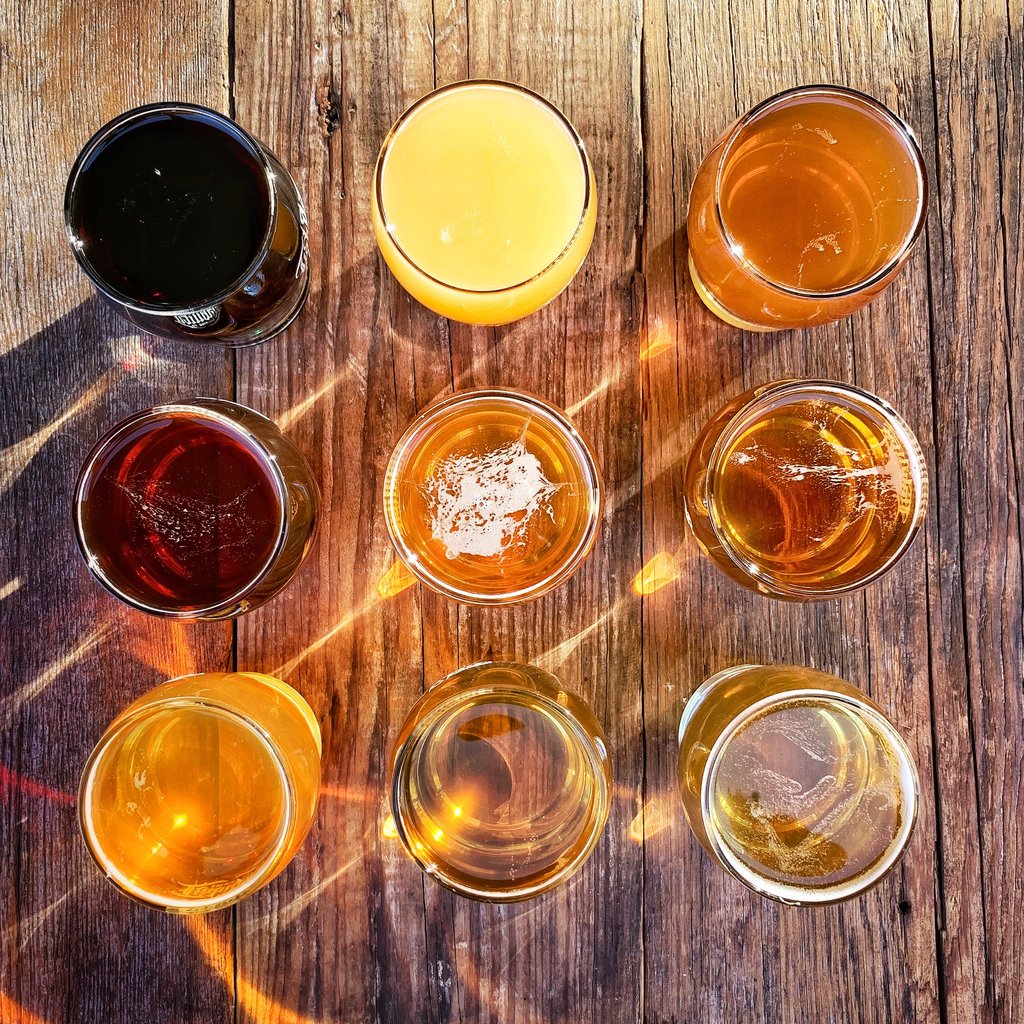
Liability, as a brewery, has certainly gotten past it, especially when it comes to accolades. In 2025 its Feral Garden Gnome won in the Belgian-Style Blonde Ale category at the World Beer Cup. At the U.S. Open Beer Championship, its beers have won two gold medals and seven silvers, as well as two gold medals at the South Carolina Brewers Cup.
For head brewer Jared Tuttle, there’s a lot to reflect on beyond Liability and its medals. “We’ve become a city where we used to be just a little town, and that’s what I’m enjoying seeing, that people are happy with what’s happening in Greenville and with the beer scene.”
All photos courtesy Liability Brewing Co., except where noted
Comments 0
No Readers' Pick yet.