



Meet Me in the Middle: In Praise of Mid-Strength Beer
 Story by:
Ben Keene
Story by:
Ben Keene
First things first. I should get this out of the way: I’m a dad. And as anyone who’s a parent knows, kids will change you. Perhaps that reality alone informs my view of the current beer market. Or maybe it’s the fact that I’m over 40 years old. I was an avid beer drinker during some or all of the IBU wars, the pasty stout era, the haze craze, the short-lived sour resurgence, and the current boom in non-alcoholic options. I’ve seen trends come and go, and I’ve sought out both rare and familiar beers on no less than five continents. There really isn’t a style I don’t enjoy, and the limitless creativity of brewers all over the world continues to impress me. So the recent emergence of a category of low-alcohol or mid-strength beers piqued my curiosity. And now, having tried a few examples, I’m sold on the concept.
Before I go on, it’s worth pointing out that lower strength beers are hardly a new idea for brewers. Germans have long had their Leichtbier and Schankbier, the Czechs their 7º and 8º Plato lagers, Belgians their Grisette and Table Beer, and the English, more famously, their Bitters and Milds. They aren’t styles that you run into with much frequency here in the United States, but they can be found if you look hard enough.
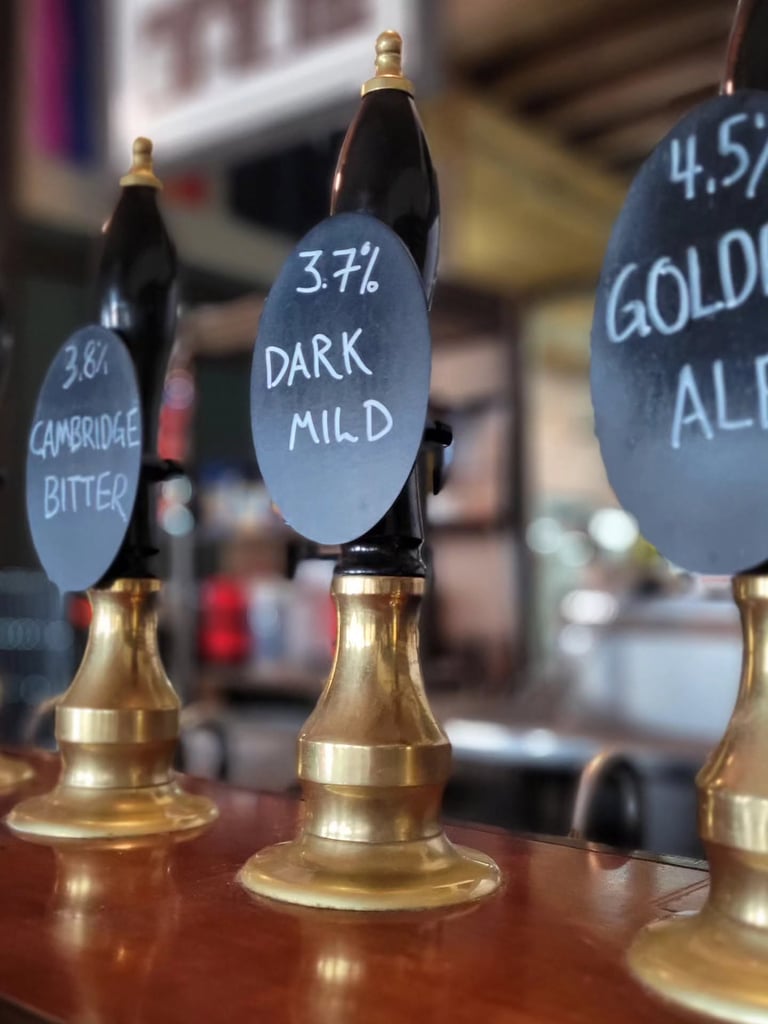
Here in Seattle for example, I’ve gladly consumed pints of the roasty yet light-bodied Dark Mild made by Machine House for years. Deeply flavorful yet only 3.7% ABV, it’s a beer made for a prolonged session in a pub. And maybe it’s introduced a small number of Emerald City residents to the notion that in the hands of a talented brewer, less can be more. Or, as the founders of Small Beer put it on their website, low alcohol beer is “for people with sh*t to do.” As much as I love beer, I’m one of those people.
As I see it though, there are two noteworthy things about these newer beers with alcohol volumes under four percent:
Following the lead of NA breweries, companies are starting to market them to a growing audience—younger and older (hello Dad Strength)—interested in wellness and moderation.
To differentiate themselves from omnipresent light lagers while matching their strength, some brewers are pushing the boundaries of low ABV India Pale Ales, the bestselling craft beer style.
Low-Alcohol Over No-Alcohol
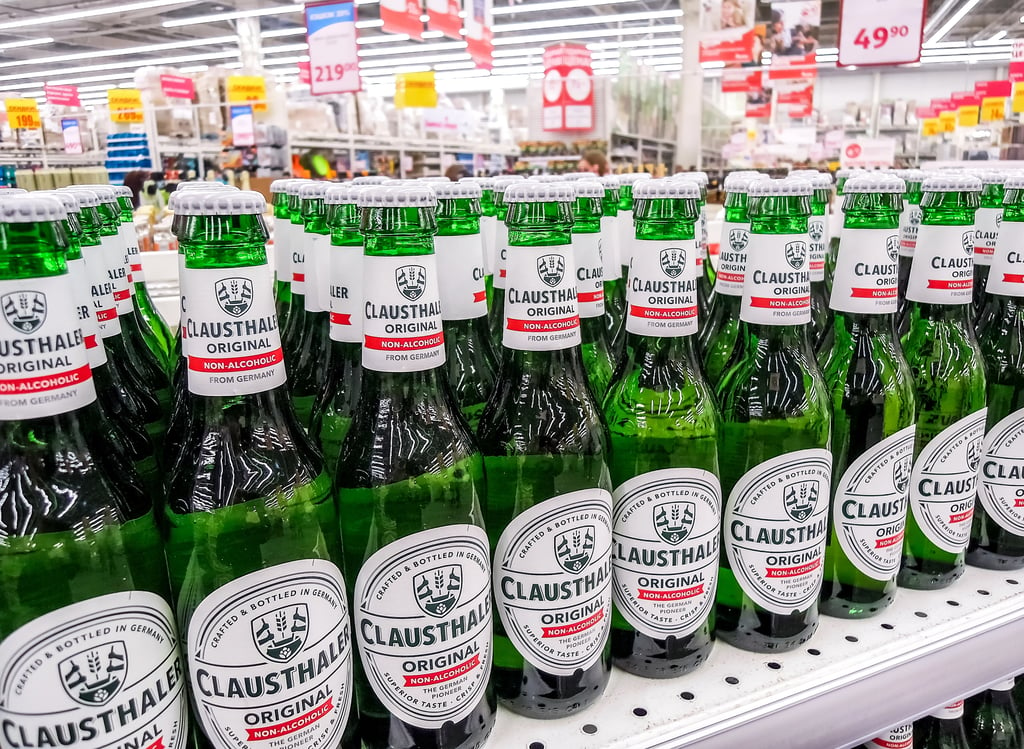
You might say that non-alcoholic beer has been on a bit of a tear lately, with rapid growth in a market that hadn’t seen much competition or innovation in years. Early entrants like O’Doul’s and Clausthaler served as the primary option for decades, offering little in the way of excitement or variety for consumers. But that all changed when Athletic Brewing began selling in 2018, focusing exclusively on NA beer and proving that a better product, stronger branding, and smart marketing could generate real demand. Numerous other brands soon followed. Then, in 2023, Heineken gave us our first NA beer Super Bowl ad! Anyway, it’s been interesting and even a little surprising to see non-alcoholic beer catch on as quickly as it has, so much so that Athletic—the domestic market leader—has become the 18th largest brewery of any kind in the United States.
Personally though, I’m not as interested in eliminating alcoholic beverages as much as I am in striking a new balance as 50 begins to catch up with me. And I think there’s plenty of evidence now that a lot of people out there are reevaluating their relationship with alcohol and prioritizing moderation. As much as we enjoy the social aspect of beer, we all acknowledge somewhere deep down that alcohol isn’t something our bodies require. At the same time, we’re drawn to its complex range of enticing flavors.
For all of the advances that have been made in the non-alcoholic brewing space, I haven’t found one that really scratches the itch. Many have come close, but there’s a small but perceptible element of fermentation character that I truly miss in the majority of these beers. Especially the hoppier examples. I’ll still drink a NA beer once in a while, but I rarely find myself wanting another. Hop water too, while refreshing, is by its very nature lacking in flavor. And so the appearance of hop-forward lower strength beers got my attention.
Bridging the Gap
In between the multitude of NA beers and the many full-strength IPAs occupying the shelf is a considerable gulf. As Pale Ales (in name certainly, if not number) faded in popularity, most hoppy offerings circa 2026 fall in the 6.5 to 7 percent ABV range. That leaves a lot of wiggle room for mid-strength beer. Especially without that Pale Ale coming in around 4.5 or 5.5 percent ABV. If you’ve lingered at a happy hour, participated in a brewery crawl, or spent an afternoon watching sports with friends, you know that two or three pints of 7 percent beer is nothing to scoff at. And that’s when an adult beverage that can hold your attention without completely impairing your senses starts to make a lot of sense.
You could alternate between NA beer and a full strength ale and lager, but again, most NA beers don’t satisfy in the same way. I’m looking for something that matches the aromatics, the body, the flavor, and the finish of a typical IPA. But I also want to be able to have several in a sitting. Fortunately, there are a growing number of successful examples out there. Take Ninkasi Brewing’s now six-month-old entrant into the mid-strength category, the unsubtly named 2.75% IPA. So far, it’s one of just a few widely distributed examples here in the Pacific Northwest.
Pouring with a moderate haze, a goldish orange hue, and a thick white dollop of foam, 2.75% IPA immediately offers strong peach and nectarine notes, followed by some angel food cake, clementine, and a hint of green, unripe strawberry. In short, it delivers on the nose. On the palate, it’s effervescent and light bodied, with some mango and papaya character along with a degree of citrusy sweetness that together offer a degree of juiciness. And finally, a slight and satisfying bitterness joins the overall fruity quality in a finish that lingers longer than expected. Easy drinking yet full of depth would be another way to put it. Without hesitation I opened a second can soon after finishing the first.
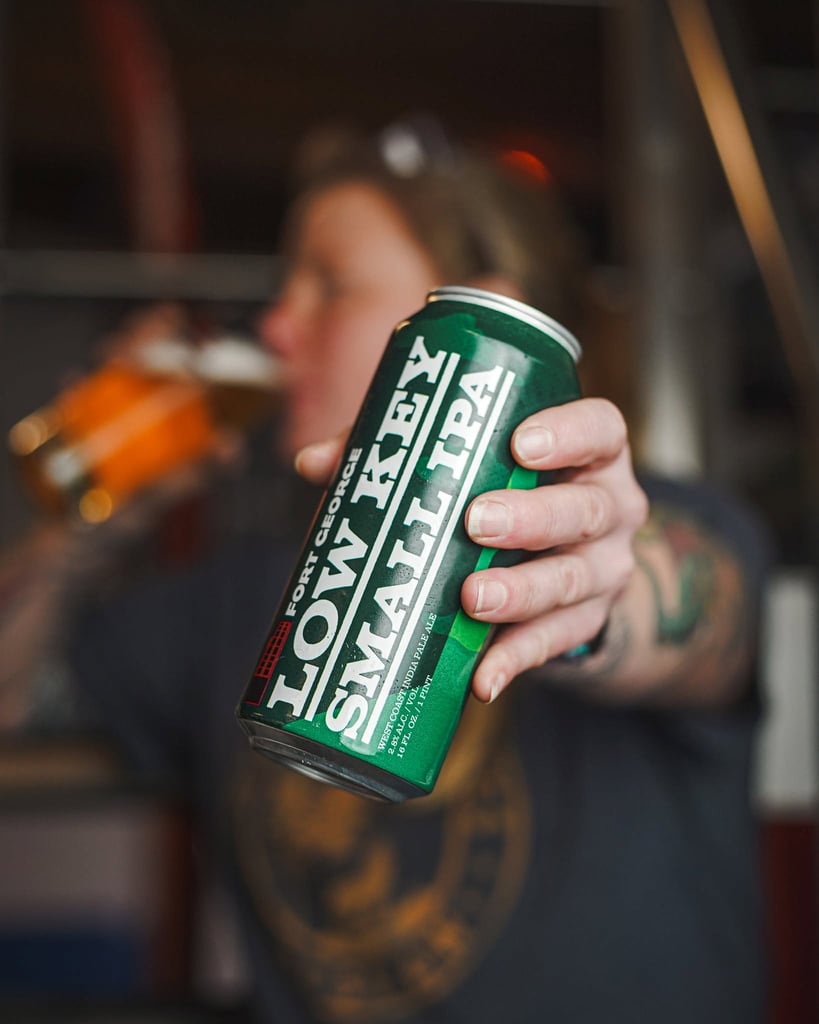
No, I’m not about to stop drinking—and appreciating—the 7 percent IPAs out there. But 2.75% IPA exceeded my expectations. And we have craft brewers to thank for getting us to a place where a mid-strength IPA can hold its own against a more typical example. Ninkasi created a medium-bodied beer by using wheat, oats, and dextrin malt along with a Pilsner base. And then by combining a contemporary approach to hop additions with modern hop products (Eureka Salvo, Krush Cryo Hop, and Simcoe Cryo Hop supporting Comet pellets), they somehow guided all of this bold character into a chill landing. Georgetown accomplishes something similar with Little Baby Bodhi, a 2.7% ABV version of its flagship IPA, Bodhizafa. And Founders achieves its Low Profile 3% ABV IPA with a blend of six malts and four tried and true hop varieties. Back on the West Coast Fort George also uses Krush hops (as well as Eclipse and Mosaic) in its “Small IPA,” Low Key. In other words, you’re not settling by reaching for a beer that takes a more moderate approach to alcohol .

A Market for the Middle Ground
The question, as ever, is will people buy mid-strength beer? Will these brands succeed because of their lower level of alcohol, or in spite of it? Are beers like 2.75% IPA, Low Key, Low Profile, and Dad Strength the vanguard of a segment that has legs? Definitely, maybe. Fun and flavor plus no hangover? Sign me up. In the past, naysayers would tell you that consumers equate ABV with value, but I am not so sure that’s true anymore. Particularly when it comes to younger drinkers, or, in my case, dads.
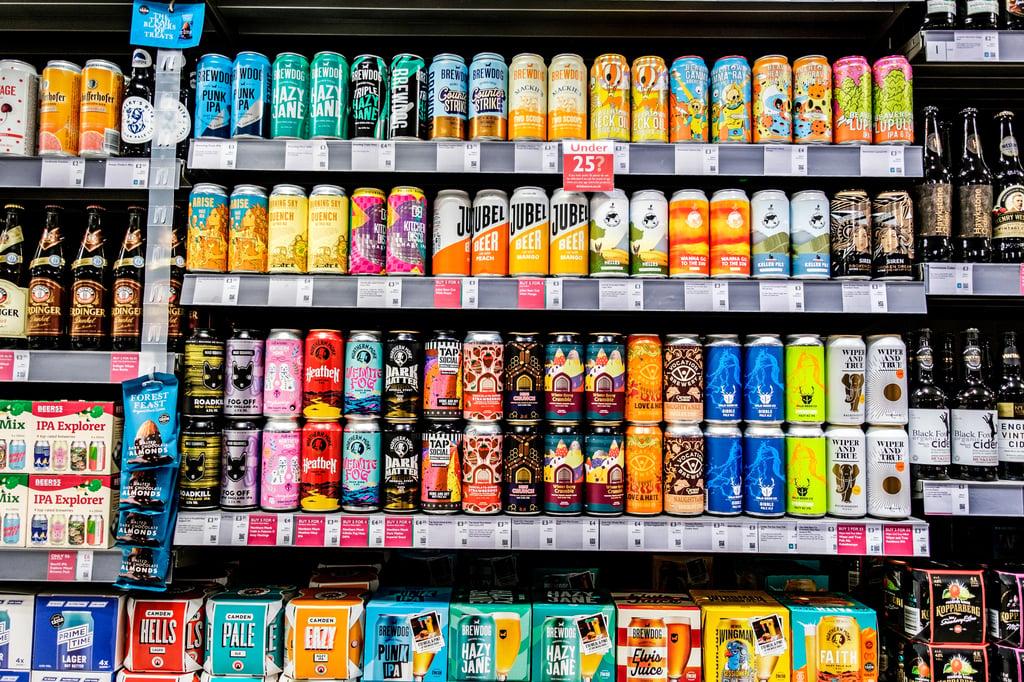
Maybe if these mid-strength beers were priced like a limited release Double IPA or a barrel-aged Stout, but they’re not. For a six pack of Ninkasi, I was charged about what you’d expect to pay for probiotic soda. And the success of NA beer should also tell us that positioning, packaging, and marketing matter if this emerging area is going to have any longevity. Price matters, yes, but when you’re scanning the shelves at your grocery store or bottle shop and many of the packages are comparable in cost, what tips the scales?
In my opinion, it’s all about quality and flavor. Both of these things already exist in this new beer category. With time, they will only get better. And I know at least one dad who will be happy to reach for a flavorful, mid-strength IPA on his next trip to the store.
Images courtesy of respective breweries


Conversations (0)
No comments yet.