



Are Craft Beer Ratings Ruining the Experience?
Or are we letting scores keep us from finding our soulmate beer?
 Story by:
Bil Corcoran
Story by:
Bil Corcoran
“Beers are for drinking… not reviewing.”
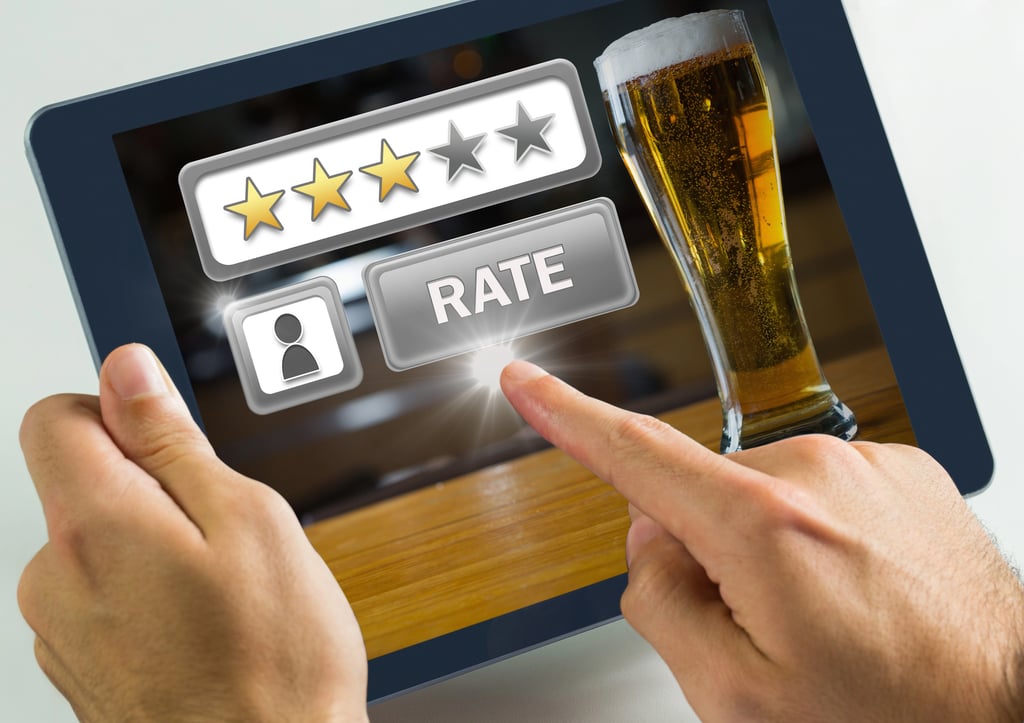
It is a sentiment often expressed half-jokingly at bars, breweries, and industry gatherings, but one that carries increasing weight in the digital age. Today, nearly every beer poured is also rated, ranked, and reviewed online. Whether through sprawling platforms or quick mobile check-ins, beer lovers are no longer just consumers; they are critics.
But this shift raises an important question: are craft beer ratings enhancing our appreciation of beer, or are they quietly undermining the very experience they aim to celebrate?
We have all been there, choosing a beer because of a glowing review, or avoiding one after reading a scathing critique. Yet, just as often, we discover that our personal preferences run counter to the online reviewing crowd. The disconnect is glaring, and it highlights an uncomfortable truth: beer reviews are deeply subjective. They are just opinions and not absolutes.
Still, their influence is undeniable. From shaping consumer behavior to affecting brewery reputations and sales, online beer ratings have become a powerful force. The question is not whether they matter, but whether they help or harm the journey toward finding that elusive “soulmate beer.”
The Rise of Online Beer Rating Platforms
To understand the scope of the issue, consider the scale of modern beer rating platforms.
Untappd, the most prominent beer-rating and discovery app, boasts over 11 million users globally, with nearly 100 million check-ins annually. This level of engagement demonstrates just how deeply rating culture is embedded in the craft beer world.
Other platforms, such as BeerAdvocate (now owned by the parent company of Untappd) and RateBeer (now closed as of Feb 2025), have long served as hubs for beer enthusiasts, offering detailed reviews, forums, and scoring systems. BeerAdvocate alone has cultivated one of the largest beer communities and forums on the internet, with decades of user-generated content.
These platforms have transformed beer drinking into a data-driven experience. Each pint can be quantified, scored, and categorized. But with this transformation comes both opportunity and risk.
The Case in Favor of Beer Ratings
1. Helping Consumers Navigate a Crowded Marketplace
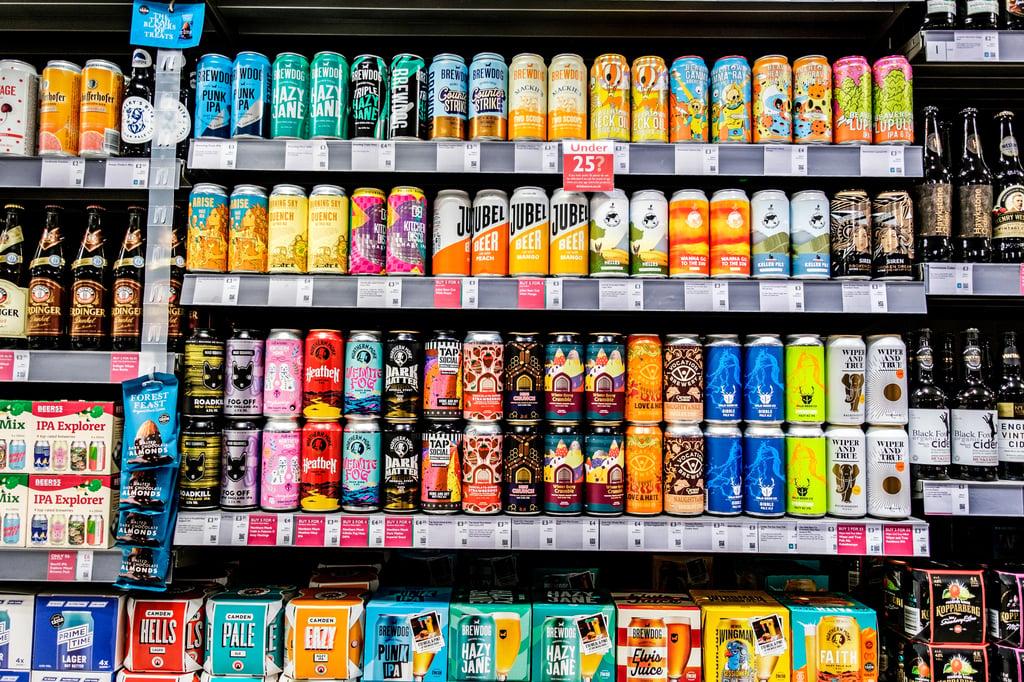
The craft beer landscape is vast and constantly expanding. For newcomers or even seasoned drinkers, navigating thousands of breweries and styles can be overwhelming.
Online ratings serve as a guide. Consumers increasingly rely on socially generated information when making decisions, including beer choices. In fact, studies suggest that a significant portion of rating variation reflects actual product characteristics, meaning that reviews can provide meaningful factual insight (Li & Hitt, 2012; Mueser et al., 2015).
For someone unfamiliar with sour ales or hazy IPAs, reviews can demystify flavor profiles and expectations. In this sense, ratings act as a bridge, connecting drinkers with beers they might never otherwise try.
2. Boosting Brewery Visibility and Sales
Positive reviews can have a profound impact on a brewery’s success. A strong rating or endorsement can elevate a relatively unknown beer into a sought-after release.
Industry analysis shows that positive reviews can increase sales and boost a beer’s reputation, while also enhancing brand visibility. Many breweries actively monitor ratings to understand consumer response and refine their offerings, and many even include those ratings in their press release materials.
For small or emerging breweries, online platforms can level the playing field. A single viral review or high aggregate score can introduce a beer to a global audience overnight.
3. Educating and Engaging the Beer Community
Beer ratings are not just about scores; they are also about storytelling. Detailed reviews often describe aroma, mouthfeel, color, flavor complexity, and brewing techniques.
This educational aspect helps consumers develop their palates and deepen their appreciation for craft beer. Over time, it can transform casual drinkers into informed enthusiasts.
Additionally, platforms like Untappd foster community interaction. Users share recommendations, follow friends, and exchange opinions in real time. This social layer enriches the experience and builds connections among beer lovers.
The Case Against Beer Ratings
Despite their benefits, beer ratings also carry significant downsides, many of which strike at the heart of the drinking experience.
1. The Problem of Subjectivity
At their core, beer reviews are opinions. One person’s “World Class beer” is another’s undrinkable experiment.
The original concern still rings true: time after time, drinkers find beers they love that reviewers hate, and vice versa. This inconsistency undermines the reliability of ratings as predictive tools.
Even though research indicates some level of objectivity in ratings, individual preferences still play a significant role. Taste is personal, and no algorithm can fully account for it, especially when reviews are contributed by experienced as well as inexperienced craft beer consumers.
2. Herd Mentality and Bias
Online ratings can create feedback loops. When a beer receives early positive reviews, subsequent reviewers may be influenced by those opinions, consciously or subconsciously.
Organizations studying online reviews warn of bias, inaccuracies, and conformity effects, which can skew overall ratings and mislead consumers.
This phenomenon can discourage independent exploration. Instead of discovering beers organically, drinkers may default to “safe” high-rated options, missing out on hidden gems.
3. The Risk of Unfair Damage to Breweries
Perhaps the most troubling aspect of online beer ratings is their potential to harm breweries.
A single negative review, especially on a high-traffic platform, can deter potential customers. As noted in industry analysis, low ratings can directly reduce sales and damage a brewery’s reputation.
Consider the imbalance: thousands may enjoy a beer without leaving a review, while a handful of dissatisfied drinkers post harsh critiques. The result is a distorted public perception that can linger indefinitely. That is part of what makes the issue so complicated: reviews do not just judge a liquid in a glass; they can affect the people behind the beer.
This aligns with a common frustration among brewers: their work becomes subject to permanent, highly visible judgments, often from individuals who may not even enjoy the style being reviewed or may not have even had a proper or fresh pour of that beer.
4. Discouraging Creativity and Authenticity
When breweries know they are constantly being rated, they may feel pressure to produce beers that appeal to the masses or to the preferences of online reviewers.
This can stifle innovation. Instead of experimenting with bold or unconventional styles, breweries may chase high ratings by replicating popular trends.
Ironically, this runs counter to the very ethos of craft beer, which thrives on creativity, individuality, and risk-taking.
Real-World Impact: When Ratings Help or Hurt

Positive Impact Example
Many breweries have leveraged positive ratings to achieve rapid growth. Highly rated beers often see increased demand, expanded distribution, and stronger brand loyalty.
For instance, breweries that receive strong critical acclaim frequently experience spikes in sales and recognition, validating the role of reviews as a marketing accelerator.
Negative Impact Example
On the flip side, negative ratings can have lasting consequences. As noted earlier, low scores can deter customers and reduce revenue, especially for smaller breweries with limited visibility.
Even without a single high-profile incident, the cumulative effect of negative reviews can erode a brewery’s standing. In a crowded modern craft beer market, perception often becomes reality.
Are Beer Ratings Ruining the Experience?
The answer is not simple.
On one hand, ratings provide valuable guidance, foster community, and elevate deserving breweries. On the other hand, they introduce bias, discourage exploration, and can unfairly harm businesses.
Perhaps the real issue lies not with the ratings themselves, but with how we use them.
If we treat reviews as gospel, we risk losing the spontaneity and personal discovery that make craft beer so enjoyable. If we dismiss them entirely, we miss out on a wealth of shared knowledge.
The key is balance.
Finding Your “Soulmate Beer”
The idea of a “soulmate beer” is deeply personal. It cannot be dictated by a score or defined by consensus.
The best beer you will ever drink may not have a 4.5 rating. It might be a lesser-known brew shared with friends on a Friday night, one that never trends online but resonates with you in a way no review can capture.
Beer conversations at the bar, among friends who understand each other’s tastes, often carry more weight than anonymous online critiques. These exchanges are contextual, nuanced, and rooted in trust.
In contrast, online reviews are static, impersonal, and often stripped of context.
A Return to Thoughtful Engagement
Beer ratings are not inherently good or bad; they are tools. Like any tool, their impact depends on how they are used.
We should read reviews but not rely on them blindly. We should share opinions, but with respect and awareness of their influence. And most importantly, we should continue to explore, experiment, and trust our own palates.
After all, beer is meant to be experienced, not just evaluated.
So the next time you pick up a new brew, ask yourself: are you choosing it because of a number on a screen, or because something about it speaks to you?
Let’s keep the conversation going. Are craft beer ratings helping you discover great beers, or holding you back from finding your perfect match?





Conversations (0)
No comments yet.