




Craft Beer Conglomerates: The New Middle Tier Reshaping American Craft Brewing
 Story by:
Bil Corcoran
Story by:
Bil Corcoran
As someone who monitors the pulse of the beer-news world every day, I’ve witnessed many unexpected changes in the last 20 years. First, it was large macrobreweries acquiring small and independent breweries. Shortly thereafter, a new “Craft Conglomerate” tier emerged as larger craft breweries began making the same acquisitions. Today, I find myself asking, “How do these macro-owned craft acquisitions and Craft Conglomerates really differ from one another?”
The modern craft beer industry has entered a new phase, one defined not just by independent brewers, but by the rise of “Craft Conglomerates.” Companies like Boston Beer, Tilray Brands, Artisanal Brewing Ventures (ABV), and Duvel Moortgat now operate as multi-brand portfolios, owning and managing numerous breweries under one “craft” corporate umbrella. These organizations sit in a gray area between traditional independent craft brewers and global macro beverage giants, raising important questions about identity, scale, and the future of beer.
This evolution is not accidental. It reflects economic pressures, maturing markets, and the need for scale in a highly competitive industry. But are these conglomerates a net positive for craft beer? Are they fundamentally different from macro brewers like Anheuser-Busch or Molson Coors? And why does the distinction matter so much to consumers?
The Rise of Craft Conglomerates
In the early days of the American craft beer movement, independence was everything. Small breweries took pride in local ownership, experimentation, and rejection of mass-market beer, values strongly reinforced by organizations like the Brewers Association. But as the industry grew into a multi-billion-dollar sector, consolidation became inevitable.
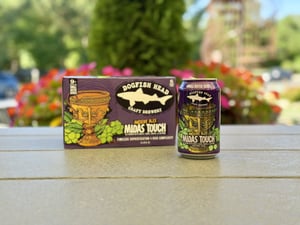
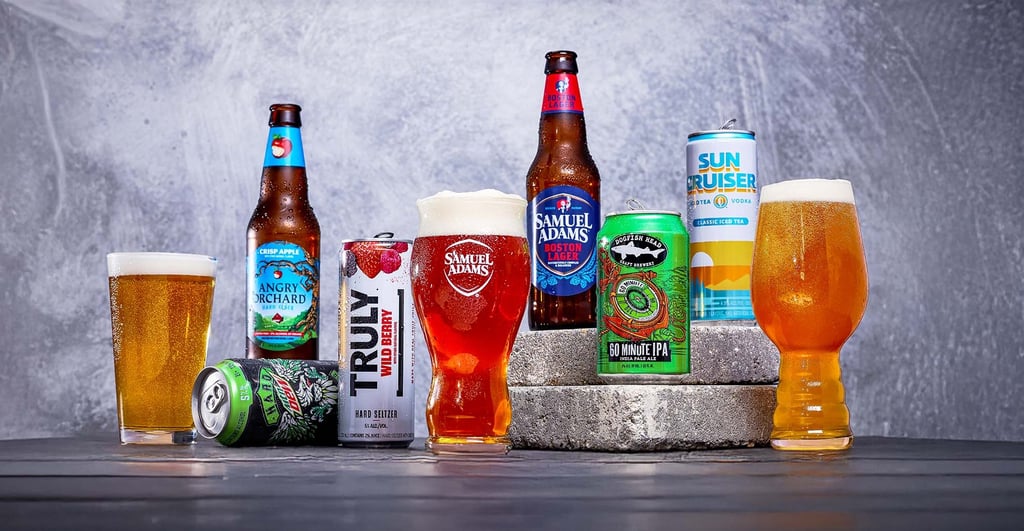
Few examples illustrate this better than The Boston Beer Co. Once the scrappy craft pioneer behind Samuel Adams, the company has evolved into a diversified beverage powerhouse. Its 2019 acquisition of Dogfish Head Craft Brewery for roughly $300 million marked a turning point, creating one of the largest “craft-on-craft” mergers in U.S. history.
Meanwhile, Tilray Brands has rapidly assembled a sprawling portfolio of craft breweries through acquisitions from both independent owners and macro brewers. By 2023–2024, Tilray had purchased brands from Anheuser-Busch InBev and Molson Coors Beverage Company, including well-known names like Blue Point, Breckenridge, 10 Barrel, Terrapin, Redhook, and the latest massive acquisition of BrewDog. This strategy has propelled Tilray into the ranks of the largest craft brewers in the United States (according to the Brewers Association), with an increasingly significant national footprint.
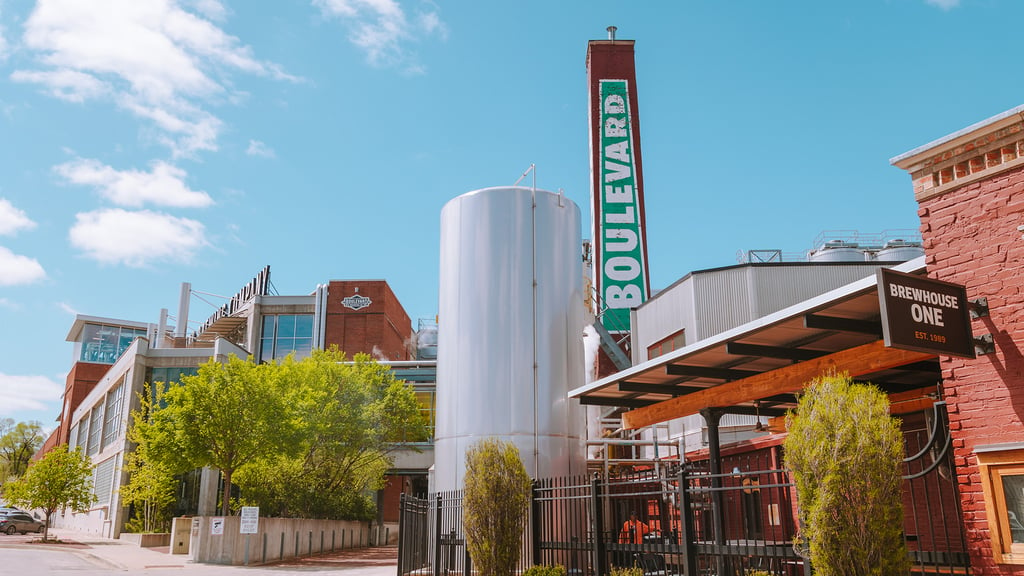
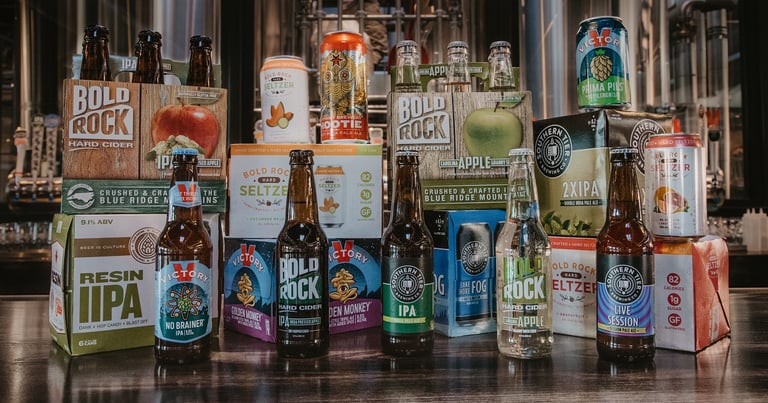
Other players follow similar models. Artisanal Brewing Ventures (ABV) has brought together regional breweries like Southern Tier, Sixpoint, Bold Rock Cider, and Victory under shared ownership, and Duvel Moortgat has acquired and invested in breweries such as Brewery Ommegang, Boulevard Brewing and Firestone Walker, maintaining a reputation for high quality while still expanding globally.
These companies represent a middle ground: larger than traditional craft breweries, but still distinct, at least in branding and philosophy, from multinational beer corporations.
Benefits to Breweries: Scale Without (Complete) Sacrifice
One of the strongest arguments in favor of craft conglomerates is that they provide resources and stability without entirely erasing a brewery’s identity.
Distribution and Market Access
Small breweries often struggle to expand beyond their local markets. Joining a larger portfolio can dramatically increase reach. Tilray, for example, has emphasized its ability to “expand distribution” and access new markets as a key benefit of its acquisitions. This can turn a regional favorite into a national brand very quickly.
Economies of Scale
Brewing is capital-intensive. Larger organizations can centralize purchasing, logistics, and production efficiencies, leading to lower costs. Tilray has specifically highlighted “cost synergies” as a major outcome of consolidation.
Financial Stability
The craft beer boom has cooled down in recent years, with slowing growth and increased competition. Many breweries face rising costs and shrinking margins. Being part of a larger group can provide the financial backing needed to survive downturns, invest in equipment, or weather unexpected market shifts.
Talent and Collaboration
Multi-brand organizations allow brewers to collaborate across locations, share expertise, and innovate. In theory, this can lead to better beer and more efficient brewing practices.
Preservation Over Closure
In some cases, acquisition may be the only alternative to closure. When macro brewers began divesting craft brands, companies like Tilray stepped in to keep those breweries operating, preserving jobs and production capacity.
Taken together, these benefits suggest that craft conglomerates can act as stewards, helping breweries grow while still maintaining their identity.
The Counterargument: Are They Just “Macro Lite”?

Despite these advantages, critics argue that craft conglomerates are not fundamentally different from macro-ownership; they simply wear a different mask.
Ownership vs. Independence
At its core, the craft beer ethos has always emphasized independence. Once a brewery is owned by a larger corporation, whether it’s a global giant or a craft-focused conglomerate, it is no longer independent. For purists, that alone changes the equation.
Centralized Decision-Making
Even if branding remains local, strategic decisions are often made at the corporate level. This can influence everything from ingredient sourcing to product lineup, potentially limiting the creativity that defines craft brewing.
Portfolio Optimization
Large organizations, regardless of their origin, tend to prioritize efficiency and profitability. That can lead to consolidation of production, discontinuation of niche beers, or shifts toward more marketable styles, decisions that mirror macro brewery behavior.
Consumer Perception
Many drinkers feel misled when a “craft” beer is owned by a larger entity. The Brewers Association’s definition of craft includes independence, and these ownership changes can affect whether a brewery qualifies. For example, some brands regained “craft” status after being sold by macro brewers to companies like Tilray, highlighting how much the craft label matters in marketing.
Slippery Slope
If craft conglomerates continue to acquire breweries and grow market share, at what point does it become indistinguishable from a macro brewery? The line is not always clear, especially today.
Why the Distinction Still Matters
The debate over craft conglomerates ultimately comes down to identity and transparency.
Cultural Significance
Craft beer is not just a product; it’s a cultural movement rooted in local taprooms, unbounded creativity, and independence. Ownership structures can influence whether that culture is preserved, diluted, or destroyed.
Consumer Choice
Many consumers actively seek out independent breweries, viewing their purchases as a way to support small businesses. Clear distinctions allow drinkers to make informed decisions and actually support who they think they are supporting.
Industry Diversity
A healthy beer ecosystem depends on a mix of small independents, mid-sized groups, and larger corporations. If consolidation goes too far, diversity may suffer.
Marketing Integrity
Labels like “craft” carry weight. If consumers feel that the term is being stretched or manipulated, trust in the entire category could erode.
At the same time, it’s worth asking whether strict definitions still reflect reality. The industry has evolved, and the binary distinction between “independent craft” and “macro” may no longer capture its complexity.
A More Nuanced View

Rather than viewing craft conglomerates as inherently good or bad, it may be more useful to evaluate them on a spectrum.
Companies like Duvel Moortgat often emphasize long-term stewardship and brewer autonomy, maintaining strong reputations among enthusiasts. Others, like Tilray Brands, are more aggressively growth-oriented, assembling large portfolios across regions and beverage categories.
Meanwhile, BBC occupies a hybrid space, publicly traded and massive in scale, yet still deeply tied to craft beer’s origins.
The key differences may not lie solely in size or ownership, but in how these companies operate:
- Do they allow breweries to retain creative control?
- Do they invest in quality and innovation?
- Do they maintain transparency with consumers?
An Industry at a Crossroads
Craft beer conglomerates are reshaping the industry in profound ways. They offer clear benefits: expanded distribution, financial stability, and the potential to preserve beloved brands. At the same time, they blur the lines between independence and corporatization, raising important questions about authenticity and identity.
In many ways, they reflect the natural maturation of the craft beer movement. What began as a rebellion against big beer has grown into a complex ecosystem where scale and independence coexist but sometimes collide.
The most important question may not be whether these conglomerates are “good” or “bad.” Instead, it’s whether they can balance growth with the values that made craft beer meaningful in the first place.
Let’s Discuss:
- Do you consider beers from companies like The Boston Beer Company or Tilray Brands to still be “craft”?
- Is independence essential to craft beer, or can quality and creativity exist within larger organizations?
- Are craft conglomerates a necessary evolution for the survival of many small breweries?
- At what point does a “craft” conglomerate become indistinguishable from a macro brewer?
- Does ownership actually affect how a beer tastes, or just how we perceive it?
The conversation around craft beer ownership is far from settled, and that’s part of what makes the industry so dynamic and beer so social and enjoyable. Cheers!






Conversations (0)
No comments yet.