



Are Brewery Taprooms Hurting America’s Great Beer Bars?
 Story by:
Owen Ogletree
Story by:
Owen Ogletree
In recent years, sweeping legislative changes have enabled American breweries to sell beer directly to consumers through their own taprooms—a shift that has dramatically altered the landscape for both brewers and the retail beer bars that have long partnered with them. Once allies in the campaign to popularize craft beer, these two groups now find themselves navigating an increasingly competitive and sometimes contentious marketplace.
The Brewers Association (BA), a national trade organization representing America’s small and independent brewers, has argued that this new model is a net positive for the craft beer ecosystem. According to the BA, brewery taprooms are more than just points of sale—they are dynamic marketing engines, giving brewers a direct line to curious drinkers and helping to shape a broader appreciation for craft beer. Despite resistance from traditional retail bars and distributors, who worry that taprooms create an uneven playing field, the BA maintains that these venues ultimately drive demand for craft beer and foster long-term loyalty that benefits the entire industry.
The Taproom Boom Changed the Brewery-Bar Relationship
The rapid success of taprooms is perhaps best illustrated by the meteoric rise of Tree House Brewing Company in Massachusetts. As beer journalist Justin Kendall observed in Brewbound.com: “For proof that the taproom business is thriving, look no further than Massachusetts’ Tree House Brewing Company. In 2016, Tree House sold 13,000 barrels of beer, with the vast majority of its sales made directly to consumers. [Only two years later,] Tree House opened a new production facility and taproom in Charlton, Massachusetts, and co-founder Nate Lanier told us that his company sold around 30,000 barrels — all of it at the brewery.”
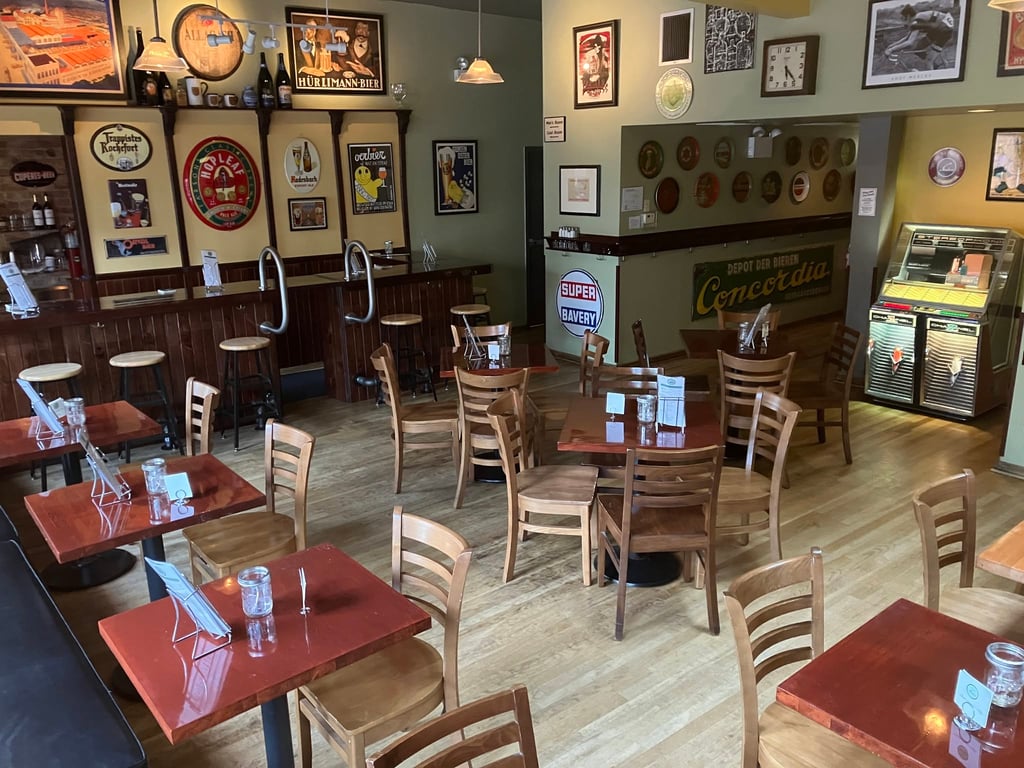
Yet this success story has a flip side for established beer bars. Michael Roper, owner of Chicago’s renowned Hopleaf pub, has witnessed firsthand the impact of brewery taproom expansion on his own business. As more breweries opened their doors to the public, Roper saw his sales drop by about 10 percent. Customers were drawn to the excitement and freshness of brewery taprooms, and the collaborative spirit that once defined the relationship between brewers and retailers gave way to a new form of competition.
Industry analysts have documented this shift as well. Jessi Devenyns, writing for Food Dive in 2018, noted: “Instead of purchasing a pint at the bar, Nielsen data that the Brewers Association analyzed showed 55% of craft beer drinkers buy a brewery’s products after making a visit to a taproom. This trend not only draws in more customers, but provides higher profit margins — so small brewers are striving to shift more of their sales into direct-to-customer channels. Roughly 9% of bar traffic across the U.S. now moves through brewery taprooms and brewpubs, and bar owners and beer distributors are losing money.”
Those on the front lines of retail have not always taken these changes lightly. Chris Black, the iconic owner of Denver’s now-shuttered Falling Rock Tap House, did not mince words about the rise of taprooms. At a beer conference in Las Vegas, Black described brewery taprooms as “a pretty naked retail grab,” and accused many craft brewers of being “addicted to the crack that is the retail dollar.” His frustration ran so deep that he famously removed Oskar Blues beers from Falling Rock after the brewery opened its own Denver taproom.
Even established craft brands like Sierra Nevada and Boston Beer have had to navigate this changing dynamic. As consumers chase local, limited, and taproom-exclusive experiences, legacy craft brands can find it harder to command the same presence on retail draft lists.
Why Drinkers Are Choosing Taprooms
The preferences of craft beer consumers are also evolving. Conversations across online beer communities reveal a growing appreciation for the authentic, immersive experiences offered by brewery taprooms: lower prices, knowledgeable staff, and the chance to sample beer straight from the source. Taprooms have become destinations in their own right, offering a diverse range of styles and a freshness impossible to match elsewhere.
Industry consultant Bump Williams captured the intensity of this shift in a feature for The Beer Connoisseur, stating, “I started in 2017, saying it will be a battle for the taproom. Maybe we have to stop calling them taprooms and call them brewing experiences. You can clearly see there is an arms race that is starting to heat up for the biggest, baddest brewery taprooms in the country.”
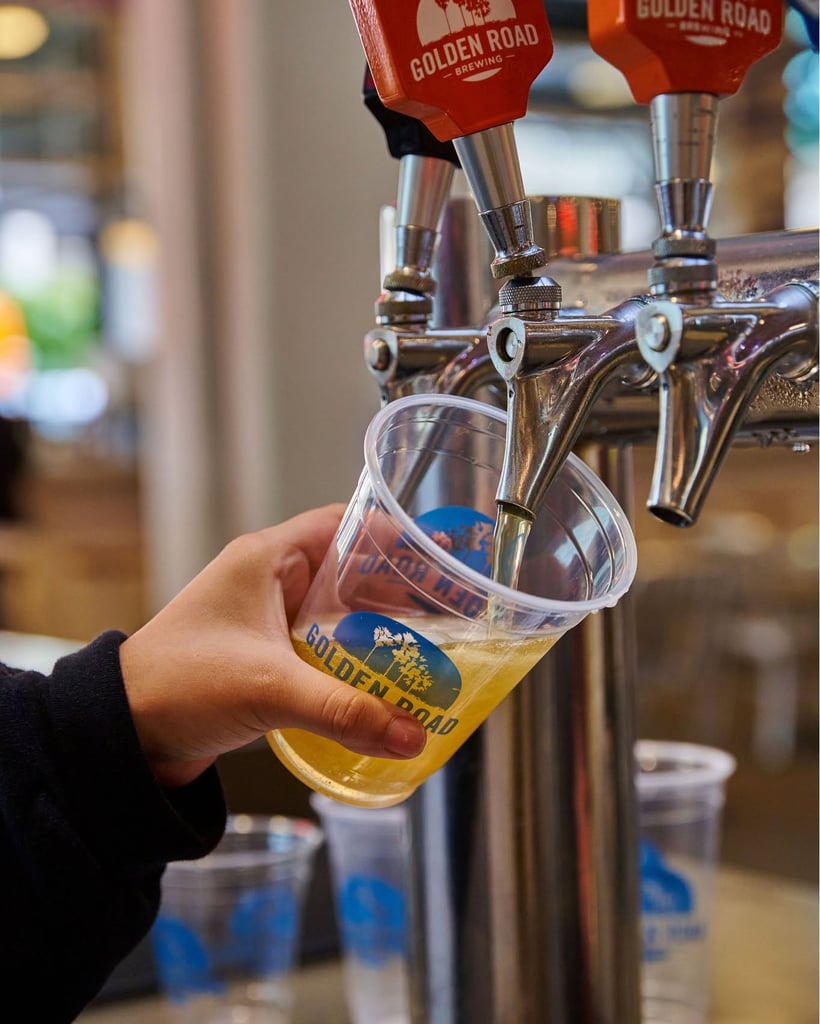
For brewery founders like Meg Gill, formerly of Golden Road Brewing in Los Angeles, the value of taprooms goes beyond immediate sales. Gill told All About Beer: “Taprooms and brewpubs provide a higher conversion rate of non-beer drinkers to beer drinkers than any other form of marketing, in my view. If somebody is watching a Bud Light or Miller Lite ad on TV who doesn’t drink beer, they’re probably not going to rush out and buy beer. But if you get that same person into your brewery taproom with their friends and they try a nitro stout and they love it, you’ve just created a new beer drinker.”
Georgia Shows How Local the Taproom Debate Can Be
The evolution of taproom laws has played out differently across the country. In Georgia, for instance, breweries gained the right in 2015 to provide beer samples during tours only, following the “Beer Jobs Bill.” Prior to this, strict three-tier laws meant that all beer had to pass through a distributor, making direct sales to consumers impossible. The legal landscape has gradually shifted, allowing Georgia breweries to sell beer in their taprooms and eventually offer packaged beer for take-home consumption, untethered from the old tour requirements.
Yet the response from Georgia’s retail bar owners has been notably varied. Some publicans see opportunity rather than threat, viewing taprooms as a way to spark new interest in craft beer and, over time, increase demand for retail sales.
T. Silva, co-owner of Athens, Georgia’s Hi-Lo Lounge, Little Kings Shuffle Club, and Nové Mêsto Lagerhaus, describes a collaborative rather than adversarial relationship with local breweries. “I do not feel that brewery taprooms hurt our beer sales much, if at all,” she explains. “Even with Little Kings Shuffle Club sharing a city block with Creature Comforts, I carry their Tropicalia IPA on draft, which is a solid sell constantly. I keep a couple of Creature’s year-round beers like Bibo Pilsner and Classic City Lager in our pubs’ coolers, and these brands move regularly. Tropicalia is also on draft at Hi-Lo Lounge and ranks as our number one or number two selling draft every week.”
Silva also emphasizes the importance of variety, noting, “As important as it is to support and carry local brews in our spaces, my business partner Jon Andrews and I also curate and emphasize drafts and cooler beers with brews from out-of-state. We’ve been lucky in the past couple of years to be able to get our hands on beers from some of the best breweries in the country, and these beers attract beloved beer nerds to all three of our bars.”
J.K. Kenny, owner of the long-running Wing Cafe & Tap House in Marietta, Georgia, had similar concerns about the rise of taprooms but found the reality less disruptive than anticipated. “Initially, since we have a heavy emphasis on craft and import brews in our pub’s strategy, I thought that the growing number of local brewery taprooms might have a big effect on our sales. This never really happened.”
Kenny attributes this minimal impact to several factors, including the maturation of local breweries and the expansion of their distribution channels, which brought a wider array of interesting beers to his bar. “On the other hand, Georgia had so many new breweries opening that people were tripping over them,” says Kenny. “Some of these younger breweries were not up to par and consequently did not have much impact on our retail sales. All the while, many people were still enjoying imports and craft beers from around the country, which were easily available in draft and packaged form. Wing Cafe also offers a huge food menu, not the limited selection of a brewery food truck. This has definitely helped keep the doors open at Wing Cafe.”
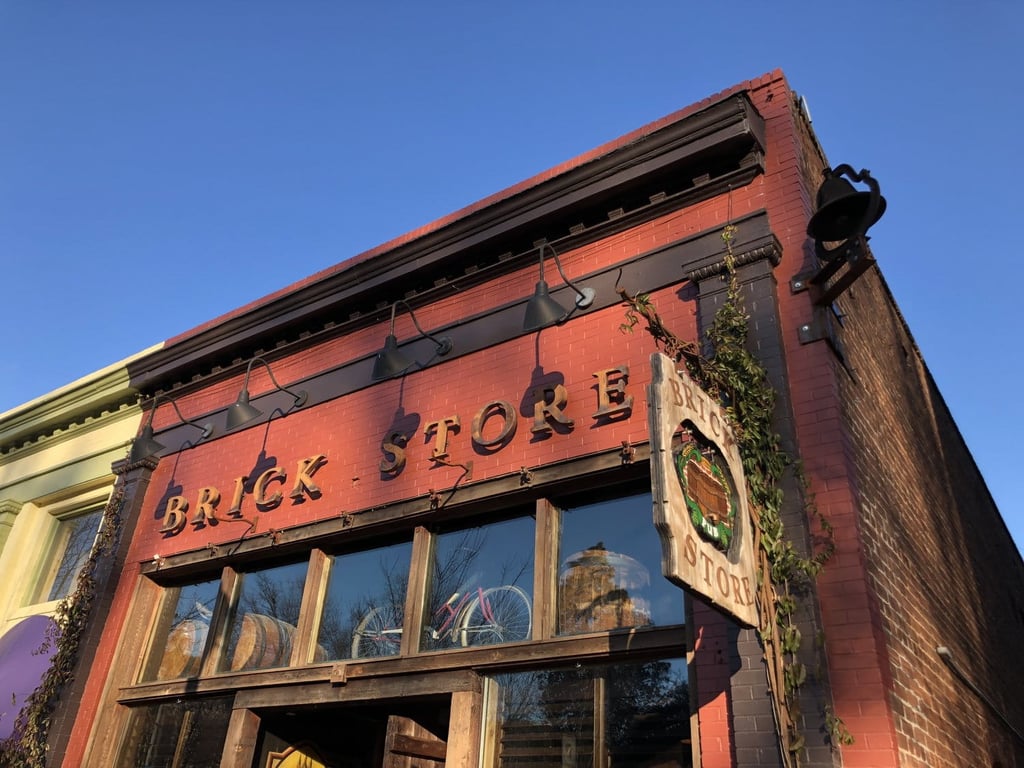
In Decatur, Georgia, the celebrated Brick Store Pub has thrived by embracing nearby taprooms and working with local breweries to create unique offerings. The pub even helps produce special cask-conditioned ales for Brick Store’s popular upstairs, U.K.-themed cask ale bar. Known for its world-class atmosphere and carefully curated beer list, Brick Store has turned its proximity to breweries into an asset rather than a liability.
Neil Callaghan, beer director for Brick Store, describes a collegial local culture: “The proliferation of taprooms in our area has done nothing but help our business at the Brick Store. We’re lucky enough to be less than a mile from several taprooms, including Inner Voice and Three Taverns, and having them close by helps make Decatur a beer destination. Folks might have come to Decatur to visit the Brick Store for a beer or two, but now they can make a beer-centric day of it by visiting these taprooms/brewpubs before or after visiting us. Our staff visits these taprooms, the taproom staff visits the Brick Store, and we all encourage our guests to visit other nearby beer destinations. It’s a very ‘rising tide lifts all boats’ mentality.”
Competition, Collaboration, and the Future of Beer Bars
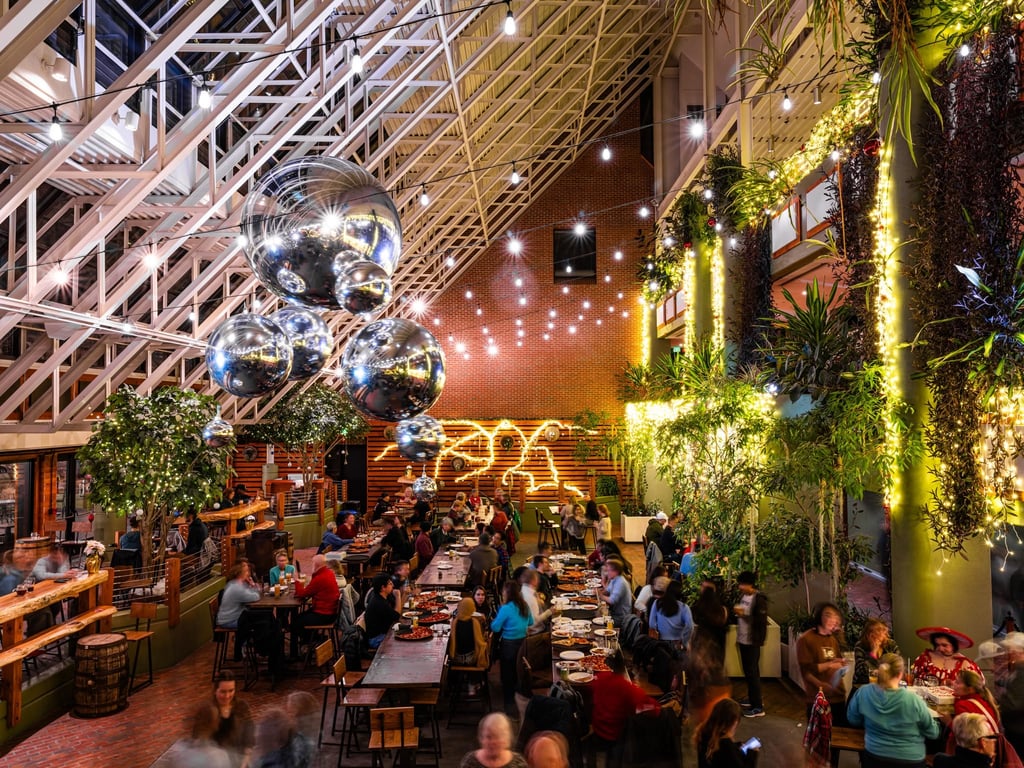
The question of how brewery taprooms have impacted retail beer bars defies simple answers. As pricing pressure grows and beer sales soften and some breweries close, the landscape remains in flux. Yet one thing is clear: survival in the modern craft beer ecosystem depends on a willingness to collaborate, adapt, and recognize that the interests of breweries and beer bars may be more intertwined than ever.
Photos Courtesy Respective Establishment


Conversations (0)
No comments yet.