



The End Of Automatic Price Hikes In Beer
After years of steady increases, rising prices have collided with consumer reality, forcing beer into a new era where value, not pricing power, drives growth
 Story by:
Ari Opsahl
Story by:
Ari Opsahl
For nearly two decades, the U.S. beer industry operated under a simple formula: raise prices annually, protect margins and let brand equity carry the rest.
It worked… until it didn’t.
In 2026, it is clear that beer’s long-standing “automatic price hike” model has collapsed. What once powered steady dollar growth is now driving volume declines, retailer frustration and consumer disengagement. The era of easy pricing is over, and the brands that recognize this structural reset — rather than resist it — will define the next cycle of growth.
The Model That Defined a Generation
For years, major brewers relied on annual price increases that outpaced inflation. The logic was straightforward: raise prices on core SKUs, protect margins through cost discipline and premiumization, and use marketing scale to defend share.
According to Beer Business Daily editor and publisher Harry Schuhmacher at the January 2026 Beer, Wine and Spirits Summit, “It’s worked very well… however, the model is done.” He added, “If 2024 saw the model dying, 2025 saw its destruction.”
The numbers tell the story:
- 2023: Beer dollar sales +2.6%, average case price +$1.28
- 2024: Dollar sales -0.6%, price +$0.63
- 2025: Dollar sales -2.9%, price +$0.49
For the first time in years, pricing power stopped compensating for weakening demand. The industry ran into a basic economic truth: you cannot outprice your consumer indefinitely.
At the same time, above-premium brands swelled to roughly 56% of the category — up from around 10% three decades ago. Premiumization worked in strong economic cycles, but it also pushed prices further apart. Consumers were increasingly asked to pay 30%, 40% or even 55% more for beers positioned just one step higher on the price ladder.
Eventually, consumers pushed back.
Price Is Now the Barrier
Beer has always been an accessible beverage. It was meant to be affordable.
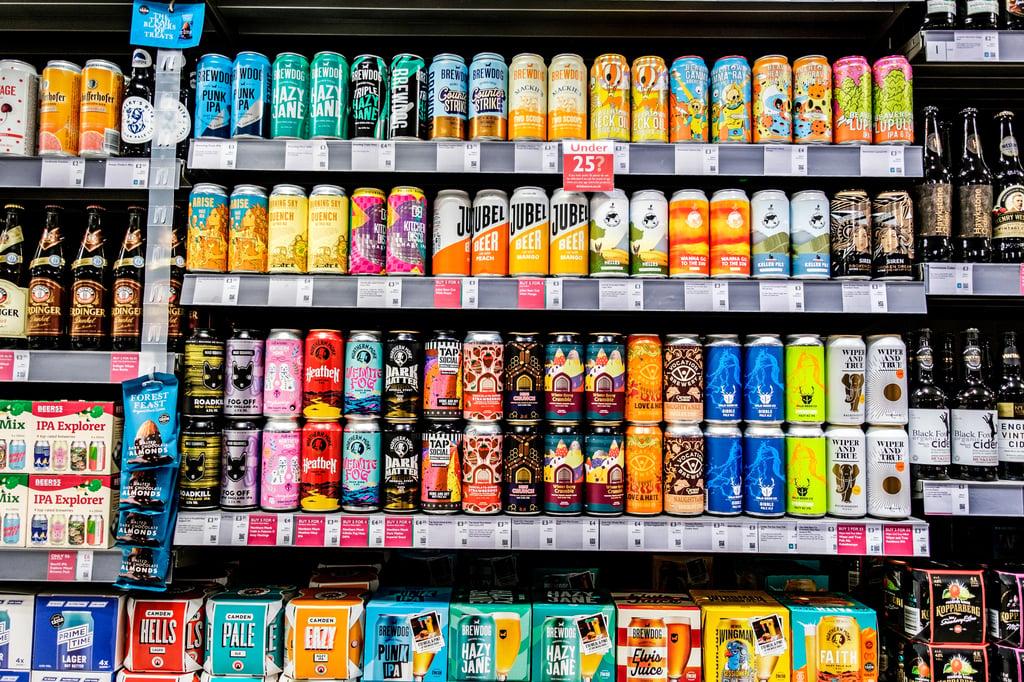
Yet over the last several years, we watched the category drift further from that principle. Consumers were told to trade up. Retail prices climbed. Meanwhile, the largest brewers spent extraordinary sums on marketing — including an estimated nine-figure presence around tentpole events like the Super Bowl — even as shelf prices continued to rise.
From the consumer’s perspective, the math stopped making sense. If brands can spend $100 million on a single advertising window, why does a 12-pack keep getting more expensive?
Price is now a primary barrier to participation. It is suppressing volume and, more importantly, eroding relevance. In a world where wellness, moderation and value-conscious spending dominate the cultural conversation, beer cannot afford to appear disconnected from household economics.
The result is visible in consumer behavior. A January 2026 Numerator survey found that fewer than half of Dry January participants planned to resume drinking alcohol in February, while 42% remained undecided. Alcohol has lost roughly 5% share of total beverage dollars since early 2022.
Health is a driver, but so is cost. Thirty percent of Dry January participants cited saving money as a reason for abstaining. These consumers skew millennial and Gen X, often in lower-income households with multiple dependents — precisely the demographic most sensitive to repeated price increases.
Americans have not abandoned beer, but they are thinking harder about what it’s worth.
Retailers Want Volume Again
Retailers feel this shift acutely. Reset decisions in 2026 are no longer just about margin protection. They are about restoring velocity — how quickly products sell off the shelf. When average case prices rise for three consecutive years while dollar sales decline, priorities change. Unit growth becomes the focus.
Across the country, national and regional chains — including Walmart, Kroger, Costco, Safeway, Albertsons and Circle K — are recalibrating shelf space toward brands that can drive incremental volume rather than simply hold price.
This is not philosophical. It is pragmatic. Retailers need traffic-driving, repeat-purchase products that align with household budgets.
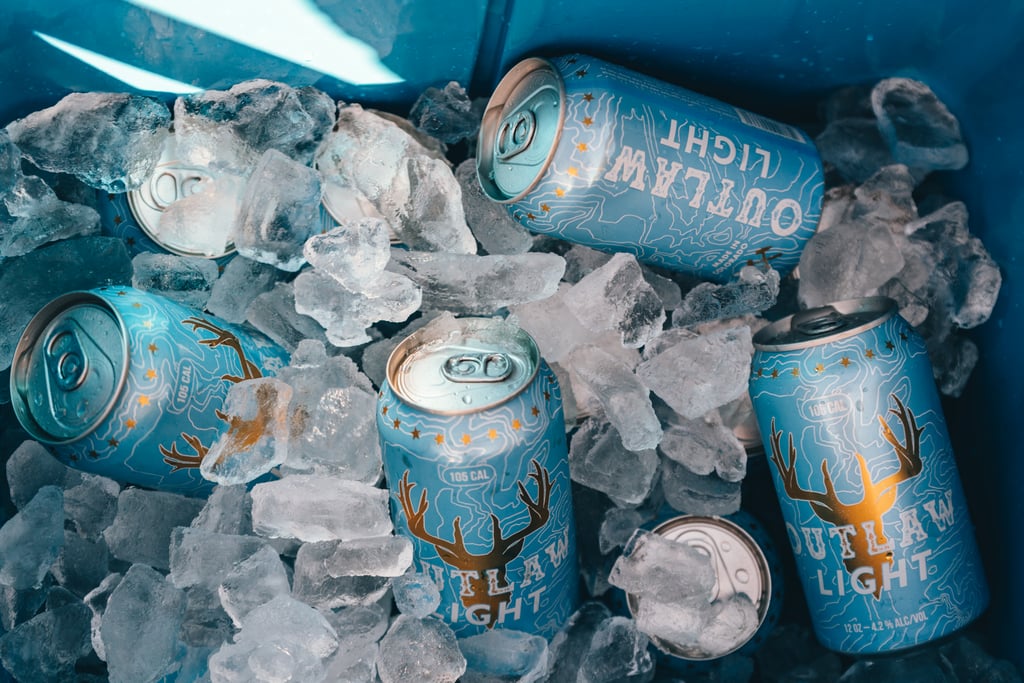
In our own experience at Outlaw Light Beer, we are seeing this shift firsthand. After operating in roughly 6,750 chain placements in 2025, we are entering 2026 with more than 32,500 projected placements.
Retailers are not making emotional decisions. They are responding to performance data, prioritizing products that generate consistent sell-through.
Why the Old Model Broke
The collapse of automatic price hikes is not cyclical. It is structural.
First, consumer budgets tightened. Inflation reshaped discretionary spending. Dining out declined. At-home occasions became more scrutinized.
Second, premium gaps widened too far. When consumers are told a light beer costs 30% to 55% more than familiar domestic options, many opt to stay put — or exit the category entirely.
Third, the cultural backdrop changed. Super Bowl ads once celebrated beer as the centerpiece of American leisure. Increasingly, those same moments highlight wellness, protein intake and performance lifestyles. Beer is competing in a new narrative environment.
Finally, repeated price increases trained consumers to expect more from less. At some point, consumers retaliated.
A Return to Beer’s Core Promise
The brands positioned to succeed in 2026 share one trait: disciplined affordability.
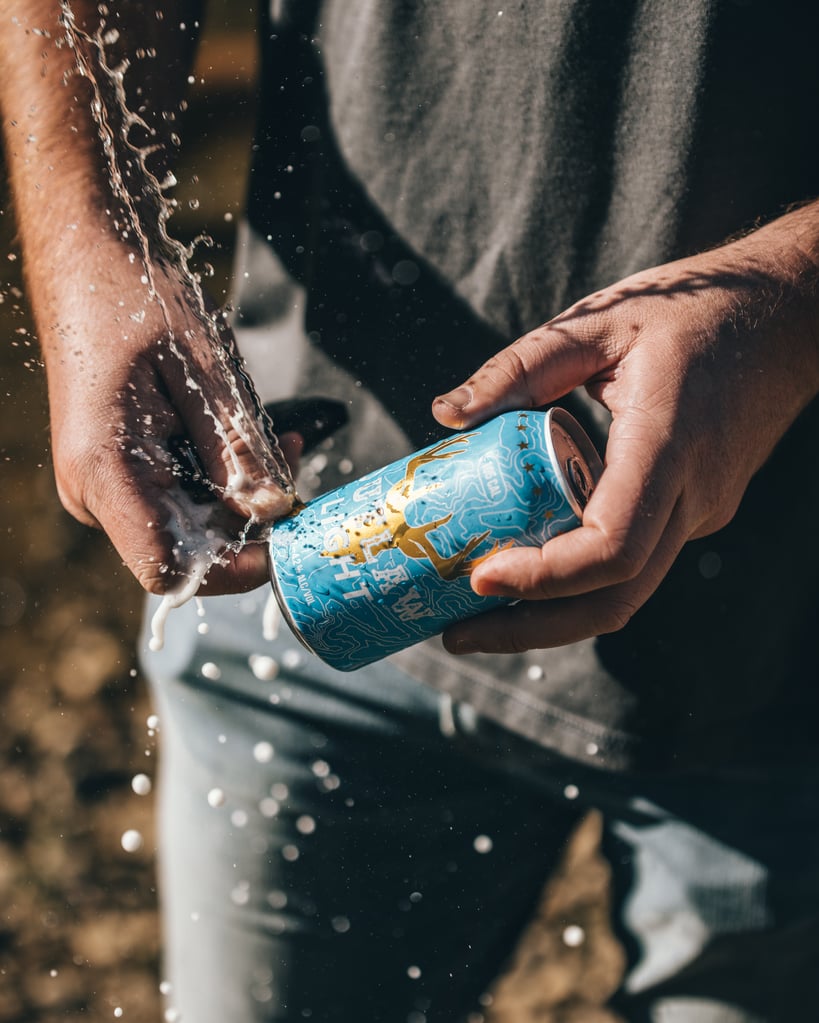
At Outlaw Light — brewed by Tivoli Brewing Co., whose roots trace back to 1859 — we built the business around a simple premise: premium quality at a working-class price. This is not a discount strategy. It is how the business is structured.
Our approach rests on four pillars:
- Aggressive everyday pricing near the value tier.
- High-quality liquid that competes with established light lagers.
- Lean operations designed for scalable efficiency.
- Authentic positioning that resonates with consumers who are tired of overpaying for legacy labels.
We are not built to outspend multinational conglomerates on advertising. But we can outwork them on the shelf. When retailers see pull-through and incremental growth, the conversation changes.
Outlaw exited 2025 with an annual run rate of more than 1 million cases and is forecast to ship approximately three times that volume in 2026. We are investing $2.5 million in production upgrades in La Junta, Colorado, and have secured a $25 million capital raise to support disciplined growth.
Those numbers matter. But what matters more is alignment. We are operating inside the acceptable value band at a time when the industry is being forced back toward it.
2026: The Inflection Point
The end of automatic price hikes marks a turning point for beer.
Legacy brewers are recalibrating price-pack architecture. Retailers are demanding performance. Consumers are reasserting budget discipline. Volume matters again.
This reset is healthy for the category.
For too long, growth through pricing masked underlying demand erosion. Now, the industry must earn its way forward through relevance, accessibility and fairness.
Affordability does not mean racing to the bottom. It is a recognition of beer’s social role. Beer is shared at barbecues, concerts and ballgames. It is a connector. When it drifts too far from everyday economics, it risks becoming occasional rather than habitual.
The next era of beer growth will not be powered by another round of automatic increases. It will be driven by brands that restore equilibrium between price and value.
The pricing model that defined the last 20 years is no longer working. Brewers now have to decide how to adapt. In 2026, consumers have already made their choice.



Conversations (0)
No comments yet.