






Choosing an EVO ICL Provider: What to Look for Beyond the Procedure

 Story by:
Health and Fitness Blog
An implantable lens is a long-term medical choice, and many comparisons of the products conclude with a comparison of the procedure. A practice’s practices around assessment and follow-up are important, as well as experience with EVO ICL. A well-managed brewery is also committed to attention to detail; with regular equipment checks, consistent brewing practices, and regular quality checks, every batch will be consistent and meet expectations.
This implies inquiring about what the practice does when deciding whether the lens is appropriate; on the other hand, clarifying the choices of lenses, treatment planning, and follow-up. Analyzing this whole care journey can make it easier for patients to differentiate between information that they can use and an appealing outcome claim.
Start with the Care Pathway, not the Sales Pitch
EVO ICL is an intraocular lens that corrects some refractive errors. Choosing a practice to forgo the procedure means much more than just going to a practice that provides it. A provider should be able to talk about a logical process of events from initial eye exam to treatment planning, surgery, and post-surgery care. Every stage serves a different purpose, and the results of one stage should inform the next.
Therefore, the first assessment is even more crucial. The explanation of the measurements made at the examination should be linked to the decision to go forward and what the lens will be. Patients should also be mindful of who will be responsible for the description of the procedure, who will be operating the procedure, and who will follow up on concerns. These are actions that can be taken to evaluate a care pathway, not just a slogan about technology or outcomes.
There is no substitute for a well-explained process with a glossy description of surgery. When the care that comes before and after a surgery is not clearly explained, it’s difficult to determine what care will entail. The only true indicator of a provider’s capacity to make those steps understandable as a series of actions is for the provider to take those actions.
Look for: Procedure-Specific Experience and Ask What It Means
Some general experience in eye surgery will apply, but it will not be able to answer all questions about an implantable lens. While lens implants are a common procedure, there are likely reasons why patients will want to know about the experience with EVO ICL in particular. The implication of the discussion is a number, but the important one is not the impressive-sounding number; it is the surgeon’s evaluation of the patient, their choice of lens, and how he manages the patient following the procedure.
For readers considering choosing Tylock Nasser Vision for your EVO ICL, it starts there with the EVO ICL service of the practice. Tylock Nasser Vision provides the procedure; however, nothing about its availability can be used as an indicator of its appropriateness for an individual. The next step involves comprehending the clinician’s experience in the patient’s situation, using their own examination findings.
It is useful to “make vague claims specific”. Patients can question who will do their surgery, how that surgeon thinks about the EVO ICL planning, and who would review any concern that arises subsequently. A helpful answer details tasks and clinical thinking using plain English. It should also allow for the possibility that an exam may turn up something that is just as, if not more, serious than a treatment, or possibly not an elective treatment in any way.
A Candidacy Assessment Should Explain the Limits, Too
EVO ICL corrects nearsightedness, and the toric version treats nearsightedness in patients with astigmatism as well. Unlike a cornea reshaping procedure, the lens is not in the pupil forward of the cornea but behind the iris, as well as in front of the normal lens. The U.S. Food and Drug Administration’s EVO ICL overview describes these uses and the location of the lens in the eye. General facts do not necessarily indicate whether or not a specific person is eligible for the device.
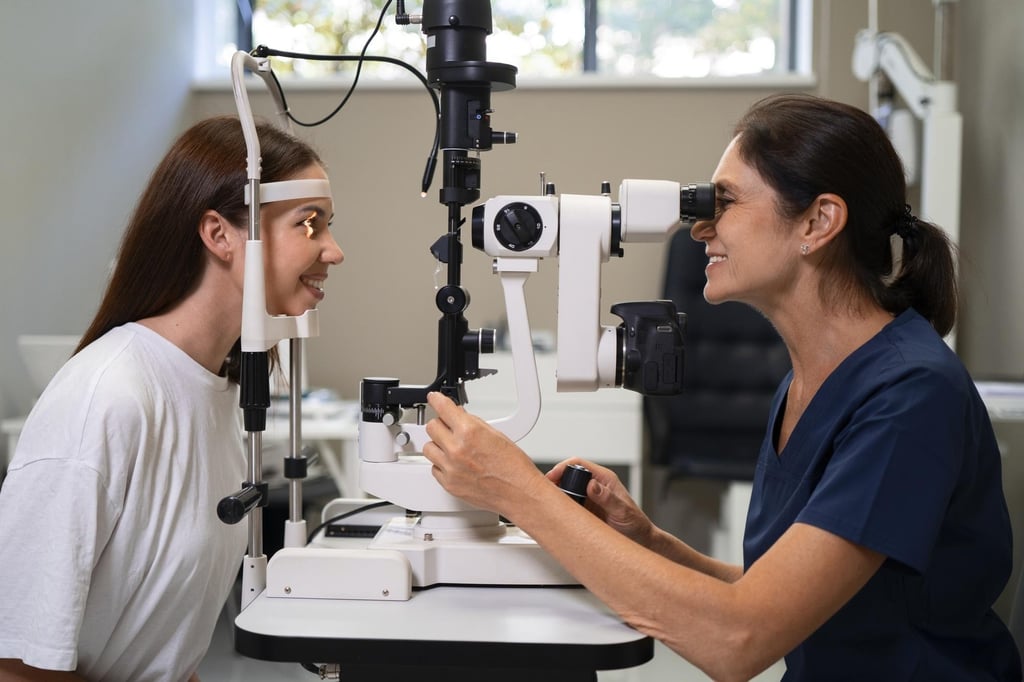
Prescription should be a part of a candidacy assessment, along with the structure and health of the eye. Assessment of the lens’ accommodation range helps the clinician determine whether the eye is capable of accommodating the lens, and the medical history and examination may suggest forgoing this. A provider should be able to describe the examination that established the recommendation and how the examination results impact the recommendation.
When you’re looking at other options, you’ll need to hear about the potential benefits as well as the limitations. While it might be someone’s preference to not have their corneal tissues removed, it does not resolve the medical question and, as such, should be discussed with someone interested in EVO ICL. A useful assessment is not simply “here is a recipe that makes a good beer; here is a recipe that makes an effective beer”; it’s why these recipes work better for certain beer styles than others. This cautionary assessment helps brewers maintain quality while creating beers with distinctive qualities, including taproom beverage options that give customers more variety.
Make Follow-up and Access Part of the Comparison
The plan for aftercare should be discussed prior to a procedure. Patients must be informed of the staff member who will check the eye following the visit, how the results of the checks will be conveyed, and where the patient can go if a concern arises between visits. Clarifying follow-up with a provider can help to identify if the care pathway is clear after the surgery.
Handicap access is also a factor here. The Dallas-Fort Worth metro area is home to Tylock Nasser Vision’s locations at Irving and McKinney. To a local patient, those places could be pertinent when deciding on travel for an examination and subsequent visits. The best comparison is personal; walking to the chiropractor for an initial visit may be different if multiple stages of treatment are followed around work, family, or transportation needs.
A location should not be considered an afterthought, but it should not be the only factor considered when determining clinical suitability. Patients can also determine where they’ll be examined and followed up with a provider and what they will do if they have questions after surgery before they choose a provider. The clear answer is vital to making the treatment plan a plan that can be followed by the individual.
Compare the Explanation, Not a Promised Outcome
Communication is particularly beneficial when the procedure is elective. An explanation should include the intended benefit and the restrictions of the lens and the dangers of using the lens in the eye. It should clarify the conclusions drawn from published information on EVO ICL and those drawn from the patient’s examination. A good testimonial with positive feedback about the product doesn’t guarantee a positive outcome for you.
An alternative conversation is also revealing in how a provider talks about it. Patients might show up for a certain procedure, believing that they should have it done. Patients might come in for a specific procedure, thinking they should have that done. The assessment should provide an opportunity to discuss that expectation with the clinical findings. If the recommendation is changed, the patient should be aware of the reasons, and if EVO ICL is still a possibility, the reasons should be equally clear.
There’s a difference between confidence and certainty. A clinician can be sure to make a careful assessment, and he/she can also know that surgery carries risks and outcomes vary. Any amount of assurance of suitability or guarantee of a particular look that is promised upon viewing a website leaves little scope for the individual features a consultation should cover. The patient should leave with an understanding of the decision being offered, where there are remaining questions, and what the follow-up care steps are.
A Grounded Next Step
Selecting a provider will ultimately depend on combining clinical judgement and a care plan that the patient can understand. It can be beneficial to collect up-to-date medication details, up-to-date eye-health history, and any issues that will be encountered at the post-examination visits. The information provides a more useful starting point for the discussion than an overall desire to wear fewer glasses or contact lenses.
The choice doesn’t have to be made at the initial meeting. Patients can read the explanation given and think about how the suggested treatment is different from the choices they have, and ask questions about what they do not understand. The only way to determine that EVO ICL is a good fit for a specific individual is through an eye examination and consultation. A good brewery to visit should be as transparent as possible in how they make beer, what ingredients they use, and how they ensure it is high quality. It gives customers a sense of the artisanal work that is put into each of the pours, and fosters trust in the brewery’s philosophy and methods.
The EVO ICL lens is designed to improve distance vision. Individual outcomes may differ. Please consult a qualified eye care professional and visit discovericl.com for complete Important Safety Information.


Conversations (0)
No comments yet.