





6 Organic Single-Origin Coffees Worth Trying in 2026: Traceable, Origin-Driven Picks
 Story by:
Beverages Blog
Single-origin coffee is an opportunity to taste what makes a particular region special. The flavors you’ll taste in your cup will be affected by altitude, soil, rainfall, variety of coffee, and how the coffee is processed. There’s another factor to take into account when selecting organic beans: the way the coffee was cultivated and processed.
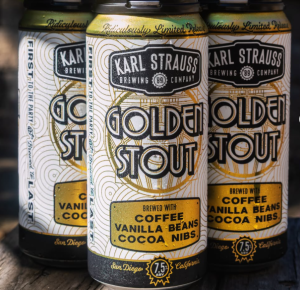
Just as hopping around and sampling the aromas, profiles, and regional styles of craft beer can be a fun and interesting process, coffee origins can be likewise. Coffee and beer can also come together in creative ways, as seen in coffee and beer collaborations that bring the flavors of both drinks into one brew. One bag could have a floral or bright flavour and another a chocolate, nut or ripe fruit flavour. That variety can be explored in a variety of different ways with the six roasters below, ranging from established farmer partnerships to choosing local coffees with care. We explore what they offer, the benefits and any disadvantages, and help you discover organic, single-origin coffee that suits your taste.
Six Organic Single-Origin Coffee Brands to Explore
1. Dean’s Beans Organic Coffee
Dean’s Beans is a good place to begin if you prefer flavours and the people that make them. The Massachusetts roaster collaborates with farmer co-operatives and offers a wide variety of organic, equitable trade coffees. The product descriptions frequently include information on the growing region, co-operative, elevation, and processing, making it much easier to know what’s in the bag.
They include Mexican Chiapas, Guatemalan, Ethiopian, and Sumatran coffees. Dean’s Beans also funds projects of its own at the community level, and by being a certified B Corporation, its accountability is enhanced. Offering multiple roast levels, customers have the opportunity to taste the differences between roasts of the same general category.
Features
- Organic, fair-trade-focused coffee lineup.
- Multiple countries and roast styles to explore.
- Origin details and cooperative relationships highlighted.
Pros
- Wide selection for comparative tasting.
- Clear emphasis on long-term sourcing relationships.
Cons
- Popular small lots can change or sell out.
- The broad catalog may overwhelm first-time buyers.
2. Forum Coffee
Organic specialty coffee is accessible and accessible thanks to Forum Coffee. Its medium roast, medium-bodied coffee from Guatemala’s Huehuetenango is washed, with the coffee described as having notes of chocolate, cashew, and brown sugar. If you prefer a more intense flavor, try its Ethiopian Yirgacheffe, which has black tea, honey, and lemongrass qualities.
There’s also a Sumatran Takengon on the dark side of the Forum, which offers sweet, bright, and earthy profiles. Its pages of products provide details on where it comes from and how it is processed, and the company has smaller packs available as well as bulk sizes. That will make it handy for sampling and stocking a favorite.
Features
- USDA Organic options from Guatemala, Ethiopia, and Sumatra.
- Roast levels and tasting notes explained online.
- Retail and bulk bag sizes.
Pros
- Easy to compare distinctly different origins.
- Accessible descriptions for newer coffee drinkers.
Cons
- More focused selection than larger specialty roasters.
- Some profiles may be too bright or earthy for certain tastes.
3. True Coffee Roasters
Cooperative-based sourcing, in the case of True Coffee Roasters, is done in conjunction with Organic Mexico, Red 5 de Diciembre. The coffee is from an organization that represents 13 producer groups and some 1,300 Indigenous smallholders in Oaxaca, Mexico. The flavor notes listed are milk chocolate, hazelnut, butterscotch, and lemon.
The notes imply a friendly harmony of sweetness and delicate brightness, especially towards a more commonly used daily drip. True also details the harvesting and the varieties of coffee, and gives more information than just the name of the country. When checked, the Mexican offering was sold out, so it should be considered a “watch” rather than a guaranteed year-round buy.
Features
- Named Mexican cooperative and producing region.
- Specific information about varieties and harvest.
- Whole-bean and multiple grind selections when available.
Pros
- Detailed backstory for an individual origin.
- Familiar chocolate-and-nut flavor direction.
Cons
- Organic selections may rotate with supply.
- The highlighted Mexican lot is not always available.
4. Lifeboost Coffee
Lifeboost Coffee is committed to shade-grown, high-elevation Arabica from one Central American area. It sells its flagship coffees as USDA Organic and is known for its smooth, low-acid coffee. It also releases data on the third-party screening of selected samples for mycotoxins and other pesticide residues.
If you’re a coffee drinker who likes the roundedness of a chocolate-heavy stout or a mellow brown ale, you should find yourself enjoying a smooth, full-bodied coffee. It’s not that I’m saying coffee and beer are the same thing; it’s just that I want to appreciate the flavor and texture! Lifeboost may be a good choice for those who prefer a consistent roast profile over a variety of changing micro-lots. Be aware that low-acid claims in the marketing do not necessarily imply a specific medical benefit.
Features
- Single-region, shade-grown Arabica sourcing.
- Organic flagship roasts and several roast choices.
- Published third-party testing information.
Pros
- Smooth-profile approach suits routine drinking.
- Testing transparency offers additional product context.
Cons
- Less geographic variety than multi-origin catalogs.
- Specialty positioning may carry a higher price.
5. Higher Grounds Trading
Traceability is at the very core of Higher Grounds Trading. Co-owned by the roaster, Cooperative Coffees is an importing firm operating in Michigan that has relationships with producing communities. Higher Grounds claims it’s not just a marketing promise to assess, but it also makes the coffee purchasing contracts public and makes sure to purchase organically grown and fair-trade coffee.
Its one-origin line showcases Bolivian Caranavi, which has brown sugar and red apple flavors, and Colombian Cauca, which has walnut, brown sugar, and peach. It’s nice to compare those contrasting profiles for a side-by-side tasting. The company is also a certified B Corporation, which could be relevant to those customers who are concerned about social and environmental issues relating to their wider purchasing.
Features
- Organic single origins identified by region or cooperative.
- Public-facing sourcing and contract transparency.
- Farmer relationships through Cooperative Coffees.
Pros
- Particularly strong information about how coffee is purchased.
- Distinct flavor profiles for curious drinkers.
Cons
- Specific origins may change with harvests.
- Detailed sourcing information takes time to explore.
6. General Warfield’s
At General Warfield’s, the coffees available are a handy variety of organic single-origin coffees. It is associated with the Huadquiña farmers’ cooperative based in Cusco, and features chocolate notes, black tea, and honey notes on the palate. The Ugandan coffee, grown in the growing regions of Mount Elgon and Rwenzori, goes fruitier and has a red berry, peach, and plum flavour.
Both are USDA Organic and fair trade. The brand contains information on growing elevation and processing. Peru is referred to as naturally processed, and Uganda is washed. That’s a convenient way to introduce buyers to the use of pairs in flavor, without having to wade through a vast catalogue.
Features
- Peruvian and Ugandan certified organic products.
- Information on origin, processing, and tasting is given.
- For fresh grinding, the whole bean format is used.
Pros
- Comparisons are easy when there are two contrasting regions.
- Details of cooperative and growing areas are provided to help with traceability.
Cons
- Shorter range of organics compared to other rivals.
- The whole beans will need a grinder to yield the best results
Choosing the Right Organic Single-Origin Coffee
First, seek out certification, then think outside the box. In the U.S., the USDA Organic seal indicates that the product has been processed and treated in compliance with USDA standards. It does not mean the coffee is equitable trade, that it’s the best-tasting coffee from one farm, or that it’s the best-tasting coffee. If transparency is a factor, it’s recommended to use a named cooperative, farm, or sub-region as opposed to a country.
Then taste and roast to suit your tastes. Ethiopian washed coffees might be more at their best in a pour-over, and chocolatey Guatemalan or Peruvian coffees may be more appropriate for drip brewing. Fuller-bodied coffees, which appear darker in color, are good in a French press. Always look at the roast date, purchase enough so it is fresh, and grind as close as possible to the time it is used.
Organic Single-Origin Coffee in 2026: Where Traceability Meets Terroir
A location’s impact on a crop is explained by the term “terroir. For coffee, it involves the elevation, climate, soil, coffee plant variety, and more, but it doesn’t end there. Many differences can be noted in the cup, which can be attributed to changes in harvest time, fermentation, drying, and roasting. Single-origin refers to any one source, but doesn’t necessarily mean an estate or a consistent taste throughout the season.
The most effective coffee labels will state the origin of the coffee beans and how they are made. Choosing becomes easier and more confident thanks to the name of the producer, the processing method, the certification, and the realistic tasting notes; learning about each producer’s harvest is facilitated.
FAQ
So, what does an organic single-origin coffee mean?
It is also coffee from a single geographic origin that meets the applicable organic production standards. This source could be a farm, cooperative, district, or region, depending on how the producer labels his or her product.
Is there any benefit to a single-origin coffee as opposed to a blend?
Not necessarily. Single origins highlight unique attributes, and blends can offer uniformity and harmony. That is where their taste comes in; this is the taste of the beans, the roasting, the brewing, and the preferences of the person brewing them.
Does 100% Organic Coffee contain no pesticides?
No. Organic standards limit and define what is allowed and what is not. Don’t assume that certification means there are no possible residues.


Conversations (0)
No comments yet.