








Moscow Mule, Martini, Espresso Martini: Three Classics Worth Getting Right
 Story by:
Beverages Blog
The Moscow Mule, Martini, and Espresso Martini are all simple cocktails. They do not require a whole bunch of ingredients, but all three have a tendency to go wrong pretty easily. Old ginger beer will cause the Mule to taste lifeless, old vermouth will ruin a Martini, and poor coffee will make Espresso Martini taste like sugar and liqueur. It all boils down to basics: good ingredients, sufficient ice, correct proportions, and knowledge of how the cocktail should taste. In fact, these fundamentals will be familiar to any craft beer lover because ingredient quality and preparation are extremely important to achieve the desired taste result. From a perfect cocktail to an artisanal beer, attention to detail is all it takes to transform something average into a delicious drink.
The Moscow Mule should be cold, sharp, and gingery. The Martini should be very cold and clean, with fresh vermouth taste. Espresso Martini requires good coffee and enough foam in order not to end up tasting like dessert. All of this does not require any bartending skills, and these cocktails are simple enough to allow mistakes to show through.
Moscow Mule: Keep the Ginger Beer Sharp
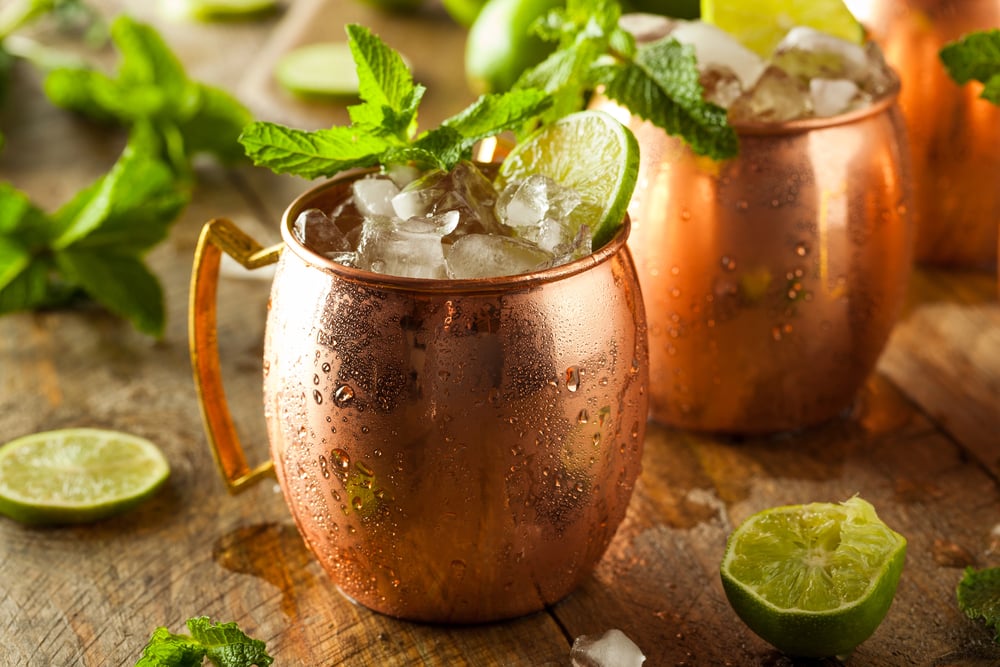
The ingredients for the Moscow Mule are clear enough: 45 ml vodka, 120 ml of ginger beer, and 10 ml of fresh lime juice. Pour the cocktail over ice and stir, garnishing it with a slice of lime. Copper mugs are classic, yet regular rocks or highball glasses can be used just as well. In fact, what’s more important in terms of taste is not the cup, but ginger beer.
The ginger ale is sweeter and softer, which makes it impossible to provide that sharpness even after the ice has melted, while ginger beer should still have some spiciness in it. It’s better if fresh lime is used, since bottled juice will be less sour and bitter, but ice is also very important here because the mixture should be poured into the glass correctly.
There is no need to pour just three pieces of ice into the bottom of the glass and leave the drink not cold enough. In fact, vodka plays a secondary role in this drink. If you’re choosing vodka mainly for cocktails, a clean, reliable bottle is usually enough. Punin Wine currently lists options from producers including Absolut, Belvedere, Grey Goose, Reyka, and Tito’s, along with plenty of other bottles at different price points.
For a better Moscow Mule at home:
- use ginger beer rather than ginger ale
- squeeze the lime fresh
- fill the glass properly with ice
- keep the mixer cold before opening it
- if it tastes too sweet, add more lime or use a drier ginger beer instead of adding more sugar
Martini: Decide What Kind You Actually Want
It is important to note that the Dry Martini is made with gin and not vodka. While the standard version of this IBA cocktail requires 60 ml gin and 10 ml dry vermouth, the Vodka Martini, being a derivative of the former, gained popularity and became a cocktail in its own right. As such, a vodka martini should consist of 60 ml vodka and about 10 ml of dry vermouth. It should be stirred with lots of ice, strained into a chilled glass, and garnished with lemon peel or an olive.
The mistake many people make at home while preparing their martinis is forgetting about vermouth. This ingredient is wine-based and, therefore, needs to be refrigerated once opened. Leaving it in the cupboard for months and subsequently pouring it into expensive vodka is one of the most efficient ways of wasting your expensive vodka. Stirring is the standard technique, because it allows chilling and dilution of the drink without putting much air into it. Shaking modifies the texture of the drink slightly, making it more cloudy, but if you like it this way, there is no problem. Espresso Martini: Use Proper Coffee
Espresso Martini is just as simple on paper. The IBA version uses 50 ml vodka, 30 ml coffee liqueur, 10 ml sugar syrup,p and one strong espresso. Everything gets shaken hard with ice and strained into a chilled cocktail glass. The coffee is the part worth paying attention to. Weak espresso leaves the liqueur and syrup doing all the work, which usually makes the cocktail taste much sweeter than it should. Coffee that has been sitting around for an hour isn’t much better, so make it close to the time you’re actually mixing the drink.
The foam comes mostly from shaking. Use plenty of solid ice and give the shaker some effort rather than five lazy shakes and a hopeful look at the glass. Sugar syrup is also easy to adjust because coffee liqueurs vary a lot in sweetness. Ten millilitres might work perfectly with one bottle and be too much with another. If the finished drink tastes sticky or overly sweet, reduce the syrup next time instead of trying to bury the problem under more vodka.
Vanilla vodka can work if you specifically want vanilla in the drink, but it isn’t automatically an upgrade. A clean regular vodka keeps the coffee in charge, which is usually the better starting point.
The Same Vodka Behaves Differently in Each Drink
You can use one bottle of vodka for all three cocktails, but it won’t play the same role in each one. In a Moscow Mule, ginger beer and lime cover a lot of the spirit’s character, so a reliable mid-priced vodka normally does the job perfectly well. In a Vodka Martini, the spirit makes up most of the drink, so roughness is much harder to hide and spending a little more can make more sense.
Espresso Martini sits somewhere between the two. Coffee and liqueur bring plenty of flavour, but the vodka still affects the finish and overall texture. You want something smooth, but pouring an extremely expensive bottle under coffee liqueur and syrup probably isn’t the best use of it. Flavoured vodka depends on the drink too. Vanilla can make sense in an Espresso Martini, while citrus vodka can work in some long drinks. In a Martini, though, added flavour becomes very obvious very quickly.
| Cocktail | What Matters Most | Easy Way to Ruin It |
| Moscow Mule | Spicy ginger beer, fresh lime, lots of ice | Weak ginger ale or too little ice |
| Vodka Martini | Cold vodka, fresh vermouth, proper dilution | Old vermouth or a warm glass |
| Espresso Martini | Strong espresso, hard shake, balanced sweetness | Weak coffee or too much syrup |
You Don’t Need Much Equipment
A home bar doesn’t need to look like an actual bar. A shaker, a jigger, a strainer, and something sturdy enough to stir a Martini will cover most of what you need to prepare classic cocktails at home. While a nice mixing glass is nice to have, any sturdily made ordinary glass or small pitcher will serve the same purpose.
Precise measurements matter more than fancy equipment since free pouring of 45 ml, 30 ml, and 10 ml requires some skill, and any errors become readily apparent when making cocktails from just a few ingredients.
Fresh ice plays a similar role here. While half-melted ice cubes will melt fast and ruin your drink by adding too much water before it gets cold enough, a fresh solid ice cube allows you more control when shaking or stirring your cocktails.
The other things here should be common sense: refrigerate the opened vermouth, use fresh limes, make decent-tasting espresso, and don’t use flat ginger beer.
The useful basics are:
- shaker
- jigger
- strainer
- mixing glass or sturdy alternative
- plenty of fresh, solid ice
Three Drinks, Three Different Results
The Moscow Mule is the easiest of the three to make for a group. It’s refreshing, easy to drink, and requires little technique once you have decent ginger beer, fresh lime, and enough ice. Even when exploring certified drinks, with simplicity and good ingredients, this cocktail will stand out. The Martini is almost the reverse.
There is no place for low-quality ingredients, and minor changes in vermouth, dilution, and temperature become apparent. Moreover, it is the most personal of the three drinks since people generally have very strong ideas about the dryness of the drink, its shaking/stirring, and garnish. Espresso Martini is yet in a completely different league. It is sweeter and heavier and therefore is much more suitable for the latter part of the evening. When coffee is potent and sweetness is moderate, the result is spectacular. When either coffee or sugar is wrong, it becomes a sweet coffee drink with vodka. None of these three cocktails requires elaborate techniques or a line of bottles on the shelf behind the bar.
Fresh, high-quality ingredients, ice, and precise measurements are good enough as a foundation. Everything after that can be adjusted according to individual tastes. Even the story of the first-ever espresso reflects how simple ideas can evolve into something distinctive. This appreciation for simplicity also extends to craft beer, where thoughtful ingredient choices and balanced brewing methods often create the most satisfying results.


Conversations (0)
No comments yet.