



Casual Entertainment Rituals: From Tastings to Short-Session Games
 Story by:
Beverages Blog
Story by:
Beverages Blog
American craft culture has entered a more deliberate phase. The Brewers Association reported that small and independent brewers produced 23.1 million barrels in 2024, down 4% from the year before, while retail value reached $28.8 billion and held a 24.7% share of the total beer market. That tells a brewer something precise. People still care about flavor, place, and choice, but they give less time to excess. The same pattern shows up in casual entertainment. A tasting flight, a ten-minute slot-style game, or a low-key pour at home all fit the same adult habit: a small ritual with a beginning and an end.
The Short Pour
The tasting room trained drinkers to enjoy smaller measures. A four-glass flight lets you compare malt and yeast without committing to a full pint. You talk about the citrus note in one pale ale. Then you move to the dry edge in a pilsner. The format rewards attention. Gallup’s 2025 polling found that beer remained the drink U.S. drinkers named most, ahead of liquor and wine, even as total drinking reached a low point in its long survey history.
Social casino sites belong in that same broad category of brief adult amusement. They offer casino-style play through virtual coins rather than cash wagering, so the draw comes from motion and quick decisions. Academic work has described these products as gambling-themed games that use virtual currency and may include paid coin purchases. For an adult user, the basic appeal resembles a tasting flight in one narrow respect: short duration, clear feedback, and no need to clear a whole evening.
Breaks With Edges
A good short break needs limits you can feel. You know when the sample glass ends. You know when the phone timer goes off. The same discipline helps with social play, because the best use case stays modest: one brief session while dinner rests, or a few spins after the taproom tab has closed. For that use, ACE works with its range of free games. The point isn’t to replace the bar stool or the bottle share. It’s a compact entertainment break for adults who like slot-style games and the feeling of a round that resolves fast.
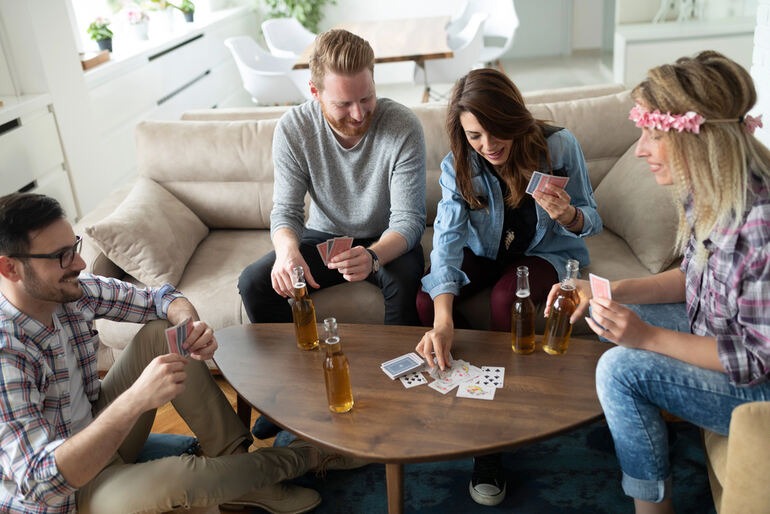
Beer people already understand this kind of restraint. A taster who orders two half pours learns more than someone who moves through a board without noticing temperature or aroma. Even in social formats like drinking games, the same principle holds: awareness shapes the experience more than volume. Short-session games reward a related sort of self-command. You pick a game, play for a set span, and leave while the activity still feels like recreation. That structure keeps the experience closer to a crossword than a night out, which suits adults who want a pause rather than a project.
Numbers Behind The Habit
The wider market gives the pattern some weight. Craft’s volume decline didn’t erase its value, and the Brewers Association still counted a large retail presence across American drinking culture. Consumers seem more selective about where they spend time and money. Taprooms have responded with smaller pours and better non-alcoholic choices. Those beer trends point toward choice by occasion rather than one fixed drinking routine.
Games have moved in a related direction. The Entertainment Software Association reported in 2026 that 212.3 million Americans play video games each week, while its 2025 data said 81% of U.S. adults believed games provide stress relief. Spending also shows how common this habit has become. ESA, Circana, and Sensor Tower put U.S. consumer spending on video games at $60.8 billion in 2025.
Flavor Without Fuss
The rise of no-alcohol brewing adds another clue. IWSR reported that U.S. no-alcohol beer volumes rose 23% in 2024, with a 175% gain from 2019 to 2024. The Brewers Association also noted that NIQ tracked 213 companies producing non-alcoholic brands in 2025, up from 91 in 2021. Drinkers still want taste, but they want more control over timing and effect, often aligning their consumption with the setting, pace, and even the game choice during social occasions.
Cocktails have followed the same practical turn. Penn State Extension noted that ready-to-drink options reached younger legal-age consumers, with 8% of drinkers aged 21 to 29 naming them as the alcoholic drink they consumed most in Gallup data. That doesn’t mean the shaker has lost its place. It shows that many adults like formats with less preparation and more control over portions. Short-session games draw from that same preference for easy entry and a defined stop.
The Taproom Lesson
A good taproom visit often has a small plan behind it. You scan the board, ask about one seasonal pour, and choose a measure that leaves room for judgment. The staff member may explain the grain bill, but the drinker still decides by taste. Casual games work best under the same adult logic. You set the boundary before you begin, then keep the session inside it. That decision protects the entertainment value.
The cultural overlap comes from attention. Beer connoisseurs don’t only consume a product. They notice process, freshness, and serving style. Social play, at its best, gives adults a small pocket of focus. The screen asks for a choice, then returns a result. It doesn’t need a long story arc. It needs enough variation to hold the eye for a brief span, then enough frictionless closure to let you leave.
A Better Small Ritual
For beer enthusiasts and industry professionals, the lesson is less about novelty than fit. A tasting works when the pour size suits the moment. A social game works when the session stays brief and intentional. Adults don’t need every leisure habit to become a hobby with equipment, study, and a full calendar. Some evenings call for one well-chosen can, one careful sample, or one game before the next thing begins.
That view keeps the subject in proportion. The beer world has spent years teaching drinkers to value occasion as much as product, with a growing awareness of well-being shaping how those moments are approached. A lager after yard work does a different job from a barrel-aged stout shared at a release event. Short-session entertainment follows the same adult instinct for context. You choose the format that fits the gap in the day, then you move on with the rest of the evening intact.


Comments 0
No Readers' Pick yet.