




5 CBD Packaging Trends You Must Know in 2026
 Story by:
Cannabis Blog
Story by:
Cannabis Blog
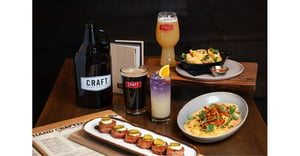
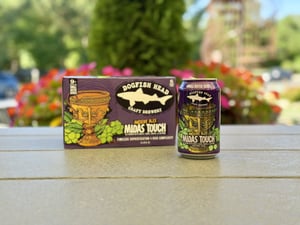
CBD packaging is transitioning from product protection to evolving beyond it. So in 2026, the need for packaging to serve multiple purposes will grow – protecting the product when needed, conveying quality, aiding compliance, minimising product waste and making a strong impression on the shelf. The priorities also align with the beer industry, in which packaging serves a much more functional role, from keeping beer fresh, to creating a sophisticated brand image, to aiding an overly competitive shelf presentation. A lot of the space around a can or bottle is another chance for breweries to share information and establish contact with customers.
Meanwhile, consumers are increasingly mindful of the ingredients from which the product is constructed, the packaging, and the overall experience with the consumption of a product. So much so that the way that CBD brands are approaching boxes, pouches, jars, labels,s and secondary packaging seems to have changed. These 5 trends will surely resonate with brands in the process of designing new packaging for this year. Read on.
- Sustainable and Recyclable CBD Packaging Materials
Sustainability remains one of the strongest forces shaping packaging in 2026. However, the conversation has changed. Instead of simply calling a package “eco-friendly,” brands are paying more attention to what the custom CBD boxes are actually made from and whether their materials can realistically be recovered or recycled.
Packaging Forces 2026 features four elements the Sustainable Packaging Coalition considers key to packaging’s future: recyclability, packaging design, material innovation, and recovery systems. This change is an opportunity for various reasons for CBD brands. When appropriate based on product and protection needs, recycled paperboard, post-consumer recycled materials, recyclable mono-material structures, glass, and lightweight packaging are all ways to help minimize material use.
- Smart Packaging With QR Codes and Digital Product Information
Packaging is being used as a link connecting the product to an online brand experience. One of the most convenient means to make that connection is QR codes. A brand doesn’t need to put small pieces of information in the package, but can add a large code to the package that links to other product information, batch information, test documentation, instructions, or brand content.
This trend is especially relevant to CBD because customers may want more information than can comfortably fit on a small package. For a cannabis brand, a QR code can provide access to a larger digital information page while allowing the physical design to remain clean, organized, and easy to navigate.
Packaging in the cannabis arena is also underway on serialized codes, NFC, and supply chain visibility/digital capabilities for authentication. What’s important is that the smart packaging should address an actual problem. The value of the QR code is in the link that you direct people to after the scan. There is little value in having this QR code that will take people to a generic home page. It’s much more helpful to be able to get customers to a specific batch if a code takes them directly to the batch-specific info or product documentation.
- Minimalist CBD Packaging Designs With Clear Branding
A crowded package isn’t as appealing. Clean layouts, controlled colour palettes, simple typography, and well-chosen graphics are growing trends among brands of CBD. The product will seem more modern while maintaining users’ ease in accessing key information in a minimalist approach.
Having lots of graphics on a strong package isn’t necessarily the mark of a strong package. Rather, the front panel can set the brand, define the product, and even provide a clear front-picking hierarchy. Other panels or digital content can be used for the secondary information. This approach reflects some of the shaping trends in 2026, with brands placing greater emphasis on clarity, intentional design, and a more polished customer experience. Minimalism also works well for brands that want to position CBD as part of a modern wellness lifestyle. Neutral tones, natural textures, refined typography, and restrained illustrations can create a more sophisticated appearance than overly busy designs.
- Child-Resistant and Tamper-Evident Packaging Features
Bigger than ever, safety and compliance are still at the forefront of how CBD and cannabis are packaged in 2026. The regulations differ widely depending on the product type and jurisdiction, and each brand of CBD should review the regulations that are relevant to their particular market. In licensed cannabis companies, child resistance is a possible requirement or regulation. For instance, California mandates that cannabis goods be presented in child-resistant packaging, and references testing and certification requirements for qualifying packaging.
Another factor to take into account is tamper evidence. A security seal, tear strip, shrink bands, and other seals can afford a visual assurance to the customer that a package is unopened prior to purchase. A design objective in the challenge is to have them be both functional and not cumbersome for supporting customers who are legitimate adults. It’s possible to have a secure package that is easy to open and close.
- Premium Packaging With Better Shelf Appeal
CBD is also moving toward more polished and premium packaging experiences. As the category becomes more competitive, brands need packaging that does more than identify the product. The package can influence how customers perceive quality before they ever try what is inside. This shift has encouraged brands to explore new packaging design ideas that balance visual appeal with practical function. Extraordinary packaging doesn’t have to be high-end packaging. A solidly made, well-designed folding carton that is precisely printed can appear more elegant than an oversized box with inessential decorations.
The colour mattes are still effective at creating contrast, and contrast through selective gloss, embossing and debossing, foil accents, textured papers and spot UV are still effective tools to create contrast – both visual and tactile. Stepping is not important; it’s restraint. An excessive number of finishing techniques may make a package look stuffy instead of upscale. The premium shift is a trend throughout the entire cannabis packaging industry, and manufacturers are making investments in packaging that offers protection, differentiation, and an enhanced consumer experience.
Final Remarks on CBD Packaging Trends in 2026
The most noticeable shift in CBD packaging is towards intentional packaging. Actually having a choice that supports sustainability is important. Useful information should be available in the digital features. Minimalist designs must say what they have to say.
In addition, security features must be able to meet applicable requirements. For Premium finishes, the enhancement of the product should not be distracting. Such trends also indicate that attaining desired product objectives is impossible without packaging decisions. If your CBD formula is sensitive, then it may be necessary to use more barrier protection; if your product is retail-based, it may need to have a more memorable secondary carton. Understanding the uses and effects of CBD can also help brands communicate product information clearly through thoughtful labeling and packaging choices. The same attention to detail can matter in beer packaging, where material choices, labeling, and finishes can help protect the product while giving a brewery a polished presence on the shelf. The goal is to make packaging work with the beer and its brand rather than compete for attention.


Conversations (0)
No comments yet.