




Top Emerging Beer Styles for 2021
 Story by:
Ryan Newhouse
Story by:
Ryan Newhouse
All bets were off in 2020 due to the ongoing COVID-19 pandemic, and the beer industry felt it. We saw the absence of beer festivals, large and small. We hit pause on happy hours and beer flights and rare bottle releases. Instead, we applauded breweries who offered curbside pickup or, better yet, home delivery. We stocked up on beers to drink at home, sometimes alone, or at the most with small groups of friends. We started beer delivery subscriptions, growler exchange programs and weekly virtual tastings with friends from all over.
And through it all, breweries never stopped innovating, reimagining, and making great beer. In some ways, 2020 allowed breweries to try new things, whether they were new beer styles or new packaging or new distribution models. And beer fans did their best to support their local breweries, or their favorite breweries, by buying their beers, their merchandise and their gift cards – doing anything they could to help at-risk breweries stay afloat.
So how do we take a year like 2020 and make our best educated guesses for what’s to come in 2021? It’s not impossible, or even difficult. We can look at what beer styles emerged out of the topsy-turvy chaos and what flagships helped breweries weather the storm. We can dive into sales, awards and the online “beer chatter” that replaced in-person, bar-top banter among friends and come up with what will likely be an accurate list of beers to keep an eye out for next year.
With that, we offer what may be the top emerging beer styles for 2021.
Wood- and Barrel-Aged Imperial Stout
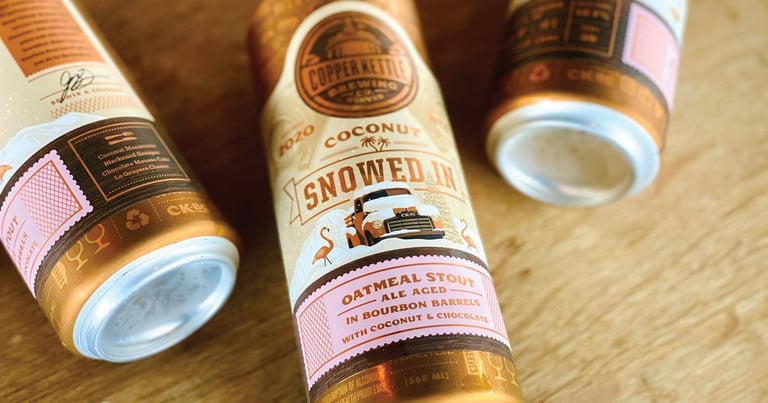
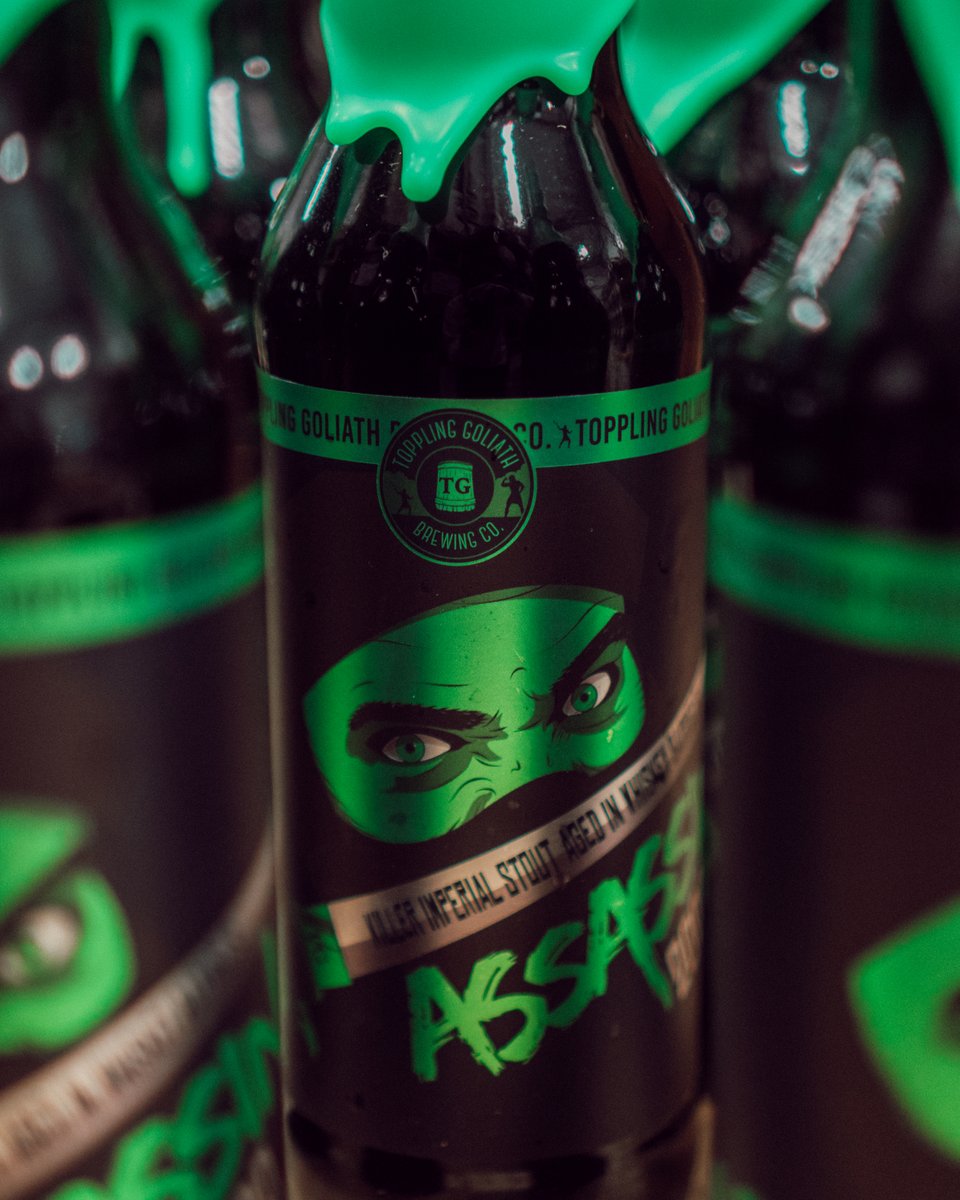
Wait, is it déjà vu all over again? Haven’t the “big beers” had their day? Even in last year’s version of this article, it was correctly noted that the pastry stout category isn’t going anywhere, and, in fact, those beers “will become even more dessert-like.” That wasn’t wrong, as we’ll see further down in this piece, but the new potential for strong stouts in 2021 is based solely on the Great American Beer Festival.
Yes, while the famous festival didn’t actually occur as an in-person event in 2020, it did retain the beer judging portion of the event. There, the beer style that reemerged as one of the “Most Entered” categories after a couple years outside the limelight was “Wood- and Barrel-Aged Strong Stout” with 199 entries.
Last year’s GABF competition was not hindered by the lack of 62,000 beer-drinking attendees. On the contrary, the number of beers entered in 2020 was only 7% less than in 2019, and still all 50 states plus Washington, D.C. were represented, so the case for strong stouts remains, well, strong for 2021.
It’s worth noting here there’s perhaps a twist of irony that one of today’s iconic examples of a barrel-aged stout, Bourbon County Brand Stout by Goose Island Beer Co., was disqualified back in 1995 (the first year it was entered into GABF) because it didn’t fit into an existing style category. Two-and-a-half decades later and beer drinkers can’t get enough of its dark roasted malt aroma, notes of baking chocolate, dark-fruit sweetness and its lingering booziness – all elements that have come to define the style.
Examples: The Abyss by Deschutes Brewery, Assassin by Toppling Goliath Brewing Co., Barrel-Aged Ruckus by Melvin Brewing, BA Double Stack by Great Notion Brewing Co., Maman by Perennial Artisan Ales, Snowed In Coconut by Copper Kettle Brewing Co.
Steinbier
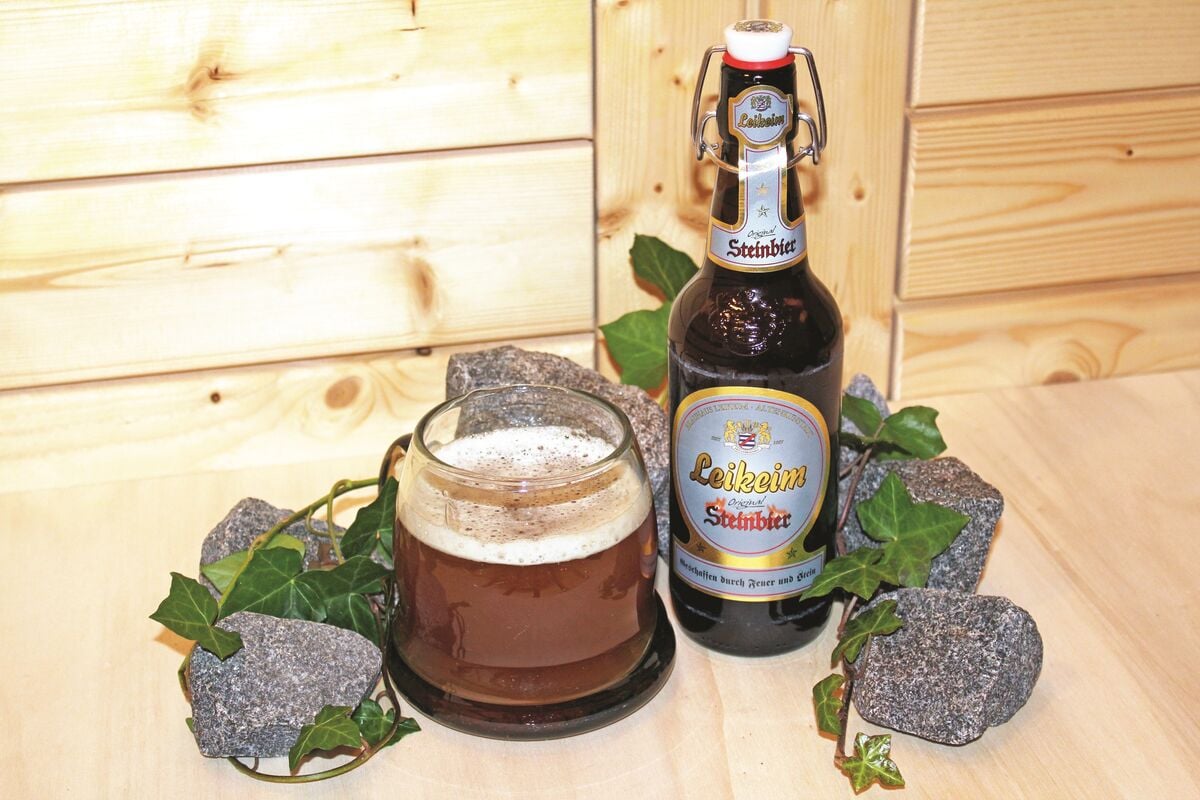
A lot can go right when you play with hot rocks and fire. Translated as “stone beer,” steinbier can be traced back (in writing) to 1229 to a tavern along a 2,000-year-old trade route between modern-day Austria, Bavaria and Hungary. Making steinbier involves the process of adding superheated rocks (often granite) into unboiled wort. Instead of building fires and heating vessels by external means, heated stones could do the trick, at least in small batches.
The signature effect this has on the finished product is caramelizing the sugars in the wort, adding complexity and a delicate sweetness to the lager-style beer.
Today, new brewers are keen on recreating this historical method of brewing. Famed beer writer Michael Jackson actually eatured steinbier on an episode of his show, The Beer Hunter, in the 1980s. Jackson had visited the Bavarian Rauchenfels Brewery in Marktoberdorf, Germany to educate his viewers about the unique beer style.
Queen City Brewery in Burlington, Vermont, has been producing its Vermont Steinbier since the brewery opened in 2014. Queen City uses a specific variety of sandstone called graywacke for its steinbier because it won’t split or break at high temps. Baked over a beechwood fire, brewers carefully lower metal buckets of hot rocks into the wort kettle.
Only a handful of breweries in the U.S. have been making steinbier with regularity, including Queen City and Scratch Brewing Co. (Illinois), but one or two more seem to be jumping on board each year, so chances are better now that beer fans will come across one in 2021.
Examples: Hofstettner Granitbock by Brauerei Hofstetten, Steinbier Original by Brauerei Leikeim, Steinbier by Night Shift Brewing, Vermont Steinbier by Queen City Brewery, Steinbock by Fonta Flora Brewery, Stein Beer by Scratch Brewing Co.
Fruit Beer
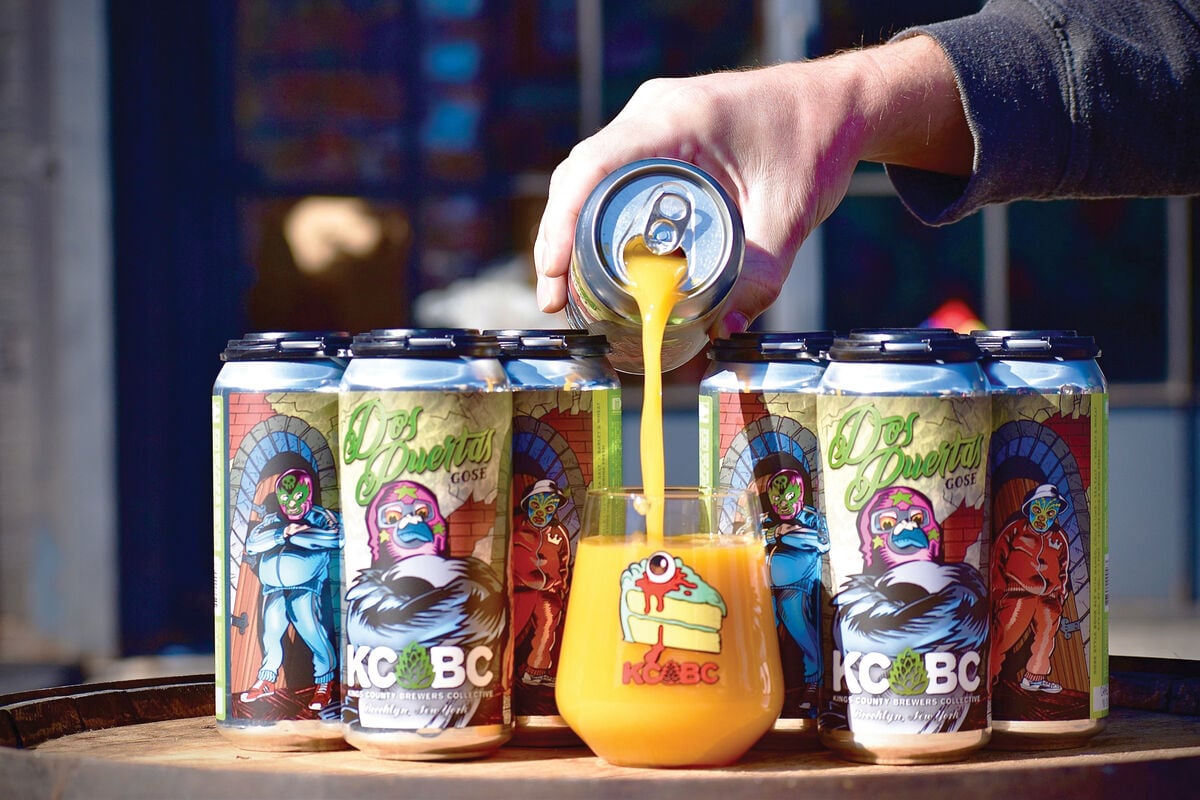
Fruit beers outsold “craft lager” by about $20 million in chain retail by Q3 in 2020. Just as more craft beer fans were waxing poetic about lager’s clean, crisp simplicity, here comes tastes of raspberry, dragon fruit and yuzu to bodycheck the senses. What’s more, we’re seeing fruit beers shine across multiple base beer styles, from blonde ales to kettle sours.
A prevailing thought is that fruit beers can bring a diverse group of drinkers to the beer camp, and with that mass appeal and an eagerness to expand one’s horizons, fruit beers will trend in 2021 and beyond. One recent study projects that the fruit beer market will hit $379.5 million by 2027.
One brewery enjoying the fruits of their labor (pun fully intended) is Odell Brewing Co., makers of Sippin’ Pretty, a fruited sour ale loaded with a blend of açai, guava and elderberry, all balanced with a touch of Himalayan pink sea salt. It’s been a poster child for fruit beer.
“We launched Sippin’ Pretty in November of 2018,” says Adam D’Antonio, Marketing Manager at Odell. “At the time it was our newest year-round offering and our first year-round kettle sour. It has risen to be our third best-selling beer by volume, behind only 90 Shilling and IPA.” The brewery says it will also be adding a 19.2-ounce can of Sippin’ Pretty to the market in 2021.
Examples: Dos Puertas by Kings County Brewers Collective, Dreamsicle Flurries by Pollyanna Brewing Co., Blue Raspberry Super Slurp by Junkyard Brewing Co., Bailey’s Taproom 10th by pFriem Family Brewers, Astrolabe by Urban Artifact, Slang du Jour – Blueberry Peach Cobbler by Drekker Brewing Co.
Ice Cream Beer
With all the turbulence in 2020, there was no paradigm shift in the beer industry where all breweries and beer drinkers turned back to flagship beers and classic styles. If anything, having little to no taproom traffic and slower sales allowed brewers time and space to experiment with all kinds of beer and venture out into unusual styles. Ice cream beer was among those styles.
“We thought it would be fun to do something different involving our favorite desserts that could appeal to everyone, especially people who don’t normally like beer,” says Bre Hovely, co-owner of Barbarian Brewing. “A fateful trip down the ice cream aisle one day inspired us to go down the ice cream ale route.”
Barbarian Brewing sells “Dessert Packs” of ice cream beers, which can include Apricot, Gimme 5 (their take on a Take 5 candy bar), S’Mores and Peanut Butter Fragments.
“They have been very popular, enough so that we plan on making them for the foreseeable future,” adds Hovley.
Barbarian Brewing isn’t forging this frozen path alone. New Belgium Brewing Co. collaborated with Ben & Jerry’s to produce Chocolate Chip Cookie Dough Ale and told beer drinkers to “Put down the spoon, pick up a pint.” Does this give new meaning to having a “frosty pint?”
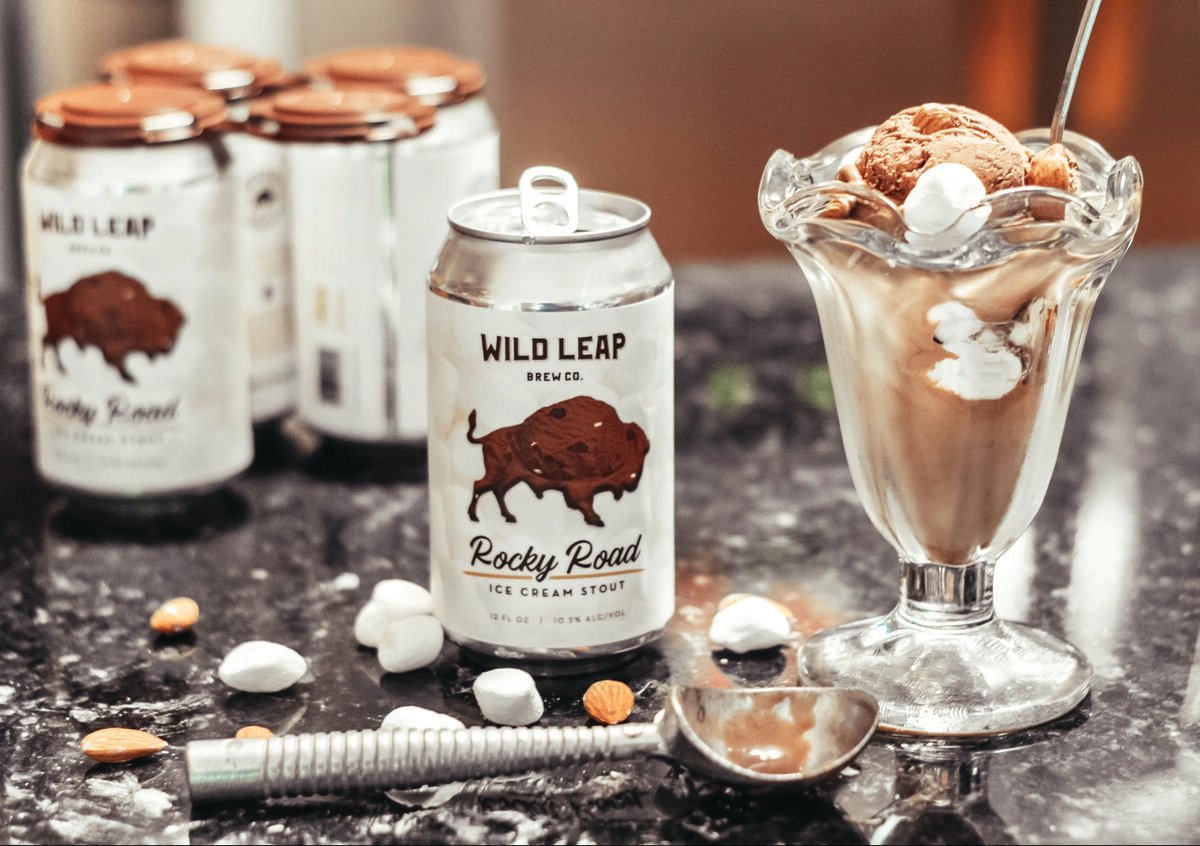
Examples: Cali Creamin’ Creamsicle by Mother Earth Brew Co., Gimme 5 Ice Cream Ale by Barbarian Brewing, Chocolate Chip Cookie Dough Ale by New Belgium Brewing Co., Rocky Road Ice Cream Stout by Wild Leap Brew Co., Fried Ice Cream Stout by Flying Fish Brewing Co.
Even More Double IPA
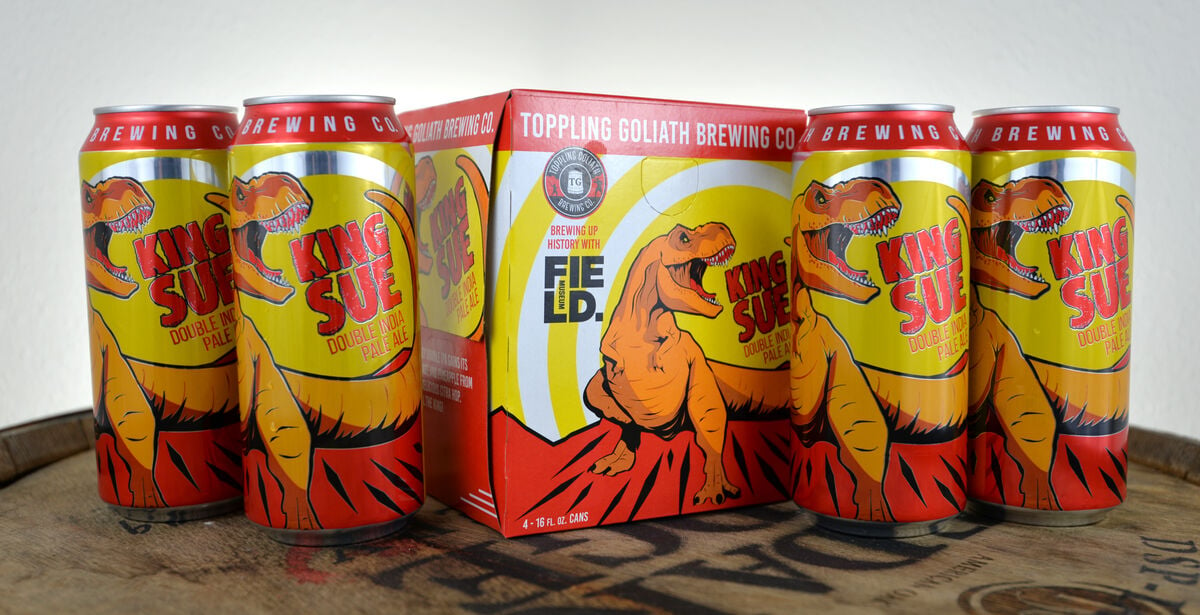
There are trends and then there are rocket ships. Double IPAs may be the latter. Low-cal and low-carb beers were thought to be an emerging beer style for 2020 (again citing last year’s article) but the hard data that came out of actual sales in the last year have shown that double IPAs lived up to their name, literally, as in double the sales of healthier alternatives. Adam Boura, the brewer at Four Points Brewing in Pennsylvania, Tweeted out: “We are brewing twice as much DIPA under quarantine.”
Drizly, an e-commerce site that sells and delivers alcohol to your doorstep, has stated that double IPA sales have increased +512% year-over-year by Q3 in 2020. And now many nationally distributed breweries have announced plans to start offering year-round double IPAs.
The already popular Voodoo Ranger Imperial IPA by New Belgium Brewing Co. proved to be even more popular than last year, boosting its sales in grocery, convenience, liquor and other chain stores by 85% for the first three quarters in 2020 compared to the prior year. Voodoo Ranger Imperial IPA also outsold the brewery’s longstanding flagship, Fat Tire Amber Ale.
It makes sense. More people drank at home during quarantine, and without having to drive home from a bar or brewery, perhaps they could allow themselves a little more alcohol in their glass. There’s also savings to be had. People want to stretch their dollar by adding a little more ABV per bottle in their six-packs. It’s a feel-good return on their investment.
“We’re selling full cases online because it keeps the shipping cost down for folks buying beer,” says Collin McDonnell, co-founder and CEO of HenHouse Brewing Co. “DIPA does pretty well – though mixed cases are still what we sell the most of online. Twenty-four of any one beer is a big commitment for anyone, but eight bottles of three different beers seems to be the sweet spot.”
“DIPAs are definitely for entertainment,” adds McDonnell. “They have loud labels and fun names, they rotate in and out a ton – they’re like baseball cards or Pokémon. They’re not just a beverage, they’re a thing to talk to your friends about. They’re a reason to read a Wikipedia article you’ve never thought about. They’re much more like a Marvel movie than a Coors Light.”
Examples: Haze in the Hood by Reuben’s Brews, Ghost in the Machine by Parish Brewing Co., Lake Haze #10 by Wallenpaupack Brewing Co., Double Dust by Pure Project Brewing, Visual Cortex by Source Brewing
Cask Ale and To-Go Beer
Sometimes innovation comes from seeing things from a new perspective. In this case, instead of thinking outside the box, one brewery chose to think inside of it (or at least inside a reusable, food-safe container).
“We started using the bag-in-box packaging as soon as bars, restaurants and brewery taprooms were closed due to COVID back in March,” says Bill Arnott, owner/brewer at Machine House Brewery in Seattle, Washington. “I actually ordered the packaging just a couple of hours after [the closures] had been announced. I had been thinking about doing them for a few years.”
Machine House Brewery has focused heavily on cask ales since it opened in 2013. While many other breweries shifted to canning beers during the pandemic, that really wasn’t an option for them.
“Cask breweries in England have been using polypins (a plastic, food-safe, flexible container) for quite a while, which is more or less the same thing,” Arnott continued. “Polypins would be about 20 liters, which is a lot of beer to go through at home. We opted for 5-liter boxes, which is still quite a lot of beer, but suits what we are trying to promote in ‘sessionable’ cask beers that you can drink in pretty large volumes compared to the mostly higher-ABV beer in the craft market.”
The bag-in-box beers from Machine House Brewery are available for curbside pickup and free home delivery. More importantly, they “have helped us maintain enough sales to keep us in business.”
“Bag-in-boxes give a really good beer-drinking experience,” says Arnott. “It’s getting as close as we can to having a fresh, hand-pumped pint of cask ale at home.” With a worldwide pandemic raging, that’s incredibly important for fans of the style.
While bag-in-box beer, like Machine House’s Cambridge Bitter, might not sweep the nation as the “next big thing” in craft, it is a clear example that ingenuity and adaptability prove to be an evergreen (and in some cases, a business-saving) trend in the beer industry that will surely see an increase over the course of 2021.
Examples: Cambridge Bitter by Machine House Brewery, Black Pale Ale by The Bronx Brewery, Dark Star Ale by Pints Pub Brewery, Gold Coast Nitro Cream Ale by Freewheel Brewing Co., Best Bitter by Porter Brewing Co.
Seeing the Future
In 2020, it was virtually impossible to venture out into the world to sit down and sample beers directly from a brewery. However, though the pandemic may continue, it did allow beer drinkers to stay in and explore new beer possibilities without having to worry about how to get home. So stay safe and healthy, and enjoy exploring new beers in 2021!

Comments 0
No Readers' Pick yet.