




Potato Neutral Spirit: The Raw Material Behind the World’s Finest Drinks
 Story by:
Beverages Blog
Story by:
Beverages Blog
Each bottle of top-quality vodka starts well before the label is created and the first cocktail is served. It all starts with a decision, one that affects the mouthfeel and the positioning of the drink in the market: the base spirit. The same dedication to the basics of a beverage applies to beer as well, where the quality and type of each of the base ingredients of a beer can be crucial to the overall experience of enjoying a glass.
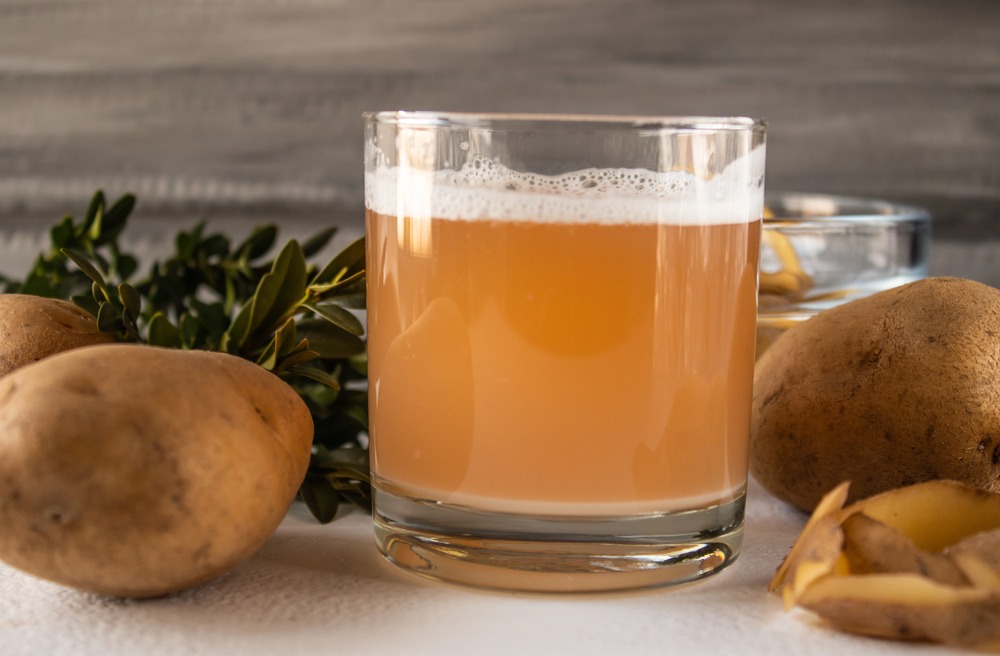
That base is normally grain for the majority of producers. These are the familiar, abundant, and inexpensive wheat, corn, and rye. But there are more distillers that are switching to an alternative source. One that is less than 1% of the world’s vodka and has a sensory profile that no cereal can match. It is the potato that is the source.
A Spirit Defined By Texture, Not Just Purity
By definition, neutral spirit is distilled to >= 96% AB, where most of the flavor compounds are removed. Uniformity is indicated by the word “neutral.” In reality, it conceals an amazing variability. Grain-based neutral spirit has a clinical, sharp, and clean finish. Potato neutral spirit will taste different. It is commonly referred to as being “softer” and having a more subtle sweetness than its grain brethren and a nice long finish. These are not all “dramatic” flavour notes; they are “textural” qualities, which can be felt even at extreme purity levels.
For producers of certified drinks, these subtle distinctions can still matter, particularly when the character of the base spirit influences the final drinking experience. Another important note about texture and finish is that for some beer buffs, the texture of a beer on the tongue can make a difference to their tasting, but not to the point of taking away from the beer’s unique taste. This is important to producers who are developing a premium brand. It’s the base of any vodka, botanical gin, or craft liqueur. If this foundation is also a subtle beauty, the spirit that is created is as well.
Why Do Potatoes Remain Rare In Distilling?
But if potato spirit is better in texture, why is it that it only makes up a small part of the world’s potato production? There is no quality solution; there is only an economic and logistical solution. The amount of alcohol produced from 1 tonne of potato is less than that from cereal grains. An extra number of enzymatic steps is needed to convert starch to fermentable sugars, and the fermentation cycle is longer. Storage has greater requirements: potatoes require a lot of space, are seasonal, and are perishable.
This all comes out to a costlier unit and a more complicated supply chain. Grain is the rational choice for large industrial distillers that are geared for volumes and margins. Producers focusing on sensory or provenance differences or craftsmanship, however, have a different set of calculations. The additional cost of potato spirit, in terms of excise duty, packaging, and marketing, is relatively low. However, it does not differentiate as much as is needed on a crowded shelf.
Poland: Where Potato Distilling Is Heritage, Not Novelty
Potato spirit is only made in a few places. It is primarily produced in the northern latitudes of Europe and in certain parts of North America where there is ample growing land for potatoes and where distilling is a traditional activity. Poland is in a unique situation. For centuries, potatoes have been an important ingredient in Polish distilling, and as a result, the country’s agricultural distillers, many of whom are established family enterprises, have developed a wealth of knowledge in processes that can be difficult for newer distillers to master. This experience also highlights the impact of production methods on the character, consistency, and quality of potato spirit.
Purity levels are routinely achieved that are higher than the EU regulations as a result of decades of continuous production of Polish rectification methods. The alcohol content of a spirits product has become more of a brand asset in the minds of a spirits producer considering their supply. Consumers react to specificity: a “named” area, a specific origin in agriculture, a production story that is based on true tradition, rather than marketing innovation. That’s the story that Poland’s potato spirit imbues.
What To Look For When Sourcing Potato Neutral Spirit?
A buyer’s focus is on the quality of neutral spirit, and quality is critical, but it is not the only thing that makes a good supplier. There are a number of crucial factors that make a good partnership difficult. Consistency ranks first. If you’re using a base spirit different in each batch, you’ll need to rework it downstream, and you might run the risk of missing the sensory profile your customers might be looking for. Spot checks are inadequate and should be done at least for every batch; a critical producer would insist on chromatographic and organoleptic analysis.
Traceability follows closely. With the attention and stringent regulations placed on food safety, one can no longer afford to have a premium extra like knowing exactly which potato varieties were added to the mash and from which farms. More and more, it’s becoming an expectation for brands in particular that export to the U.S. or Canada, or to the EU. This level of traceability can also matter to producers exploring related categories such as potato beer, where sourcing and consistency can influence everything from production to beer pairing. In places such as this, where the ingredients and consistency can make a difference to the product, they have to be sourced. Continuity is the third pillar of supply.
While many distilleries are seasonal and run only during the post-harvest months, potatoes are a seasonal crop. Use a producer who produces throughout the year and stores strategic reserves to avoid seasonal risks that may ruin your production schedule. Finally, flexibility matters. Not all distillers will require the same amount of ABV, container format, or volume. A supplier who canfine-tunee proof levels, take trial batches as well as full tanker loads, and is able to supply full export paperwork eases up the procurement process at every step.
A Partnership Built On Precision
This is exactly what Poland’s over 170-year-old agricultural distillery, Alquora, has been built on. Alquora is the largest single potato spirit producer in Poland, owning the entire production process (from cultivation of the potato crop to fermentation, distillation, and rectification) in one place. The model allows the company to have an unprecedented level of quality control and to ensure that the product’s quality is consistent from batch to batch, something that disjointed supply chains are not able to achieve. That emphasis on sourcing and consistency of ingredients also aligns with the beer world; if the beer world is aware of the importance of the raw materials and the process used in making beer, then they know that what is put in determines what comes out.
Their product range spans three distinct grades of rectified potato neutral spirit, specially made for each segment of the market, from a tried and tested workhorse to an undisturbed and utterly neutral look that can’t be detected as an impurity. It’s a proposition worth considering first-hand for producers who want to be sure of their origin, who want to know the risk of using garbage, and who want the assurance that their spirit meets the strictest of technical requirements, while being certified for sustainable sourcing. They even have free samples, the best reason for any distiller interested in testing out alternatives.


Conversations (0)
No comments yet.