




World Class Beer Highlight: Hanssens Oude Kriek
 Story by:
Jim Dykstra
Story by:
Jim Dykstra
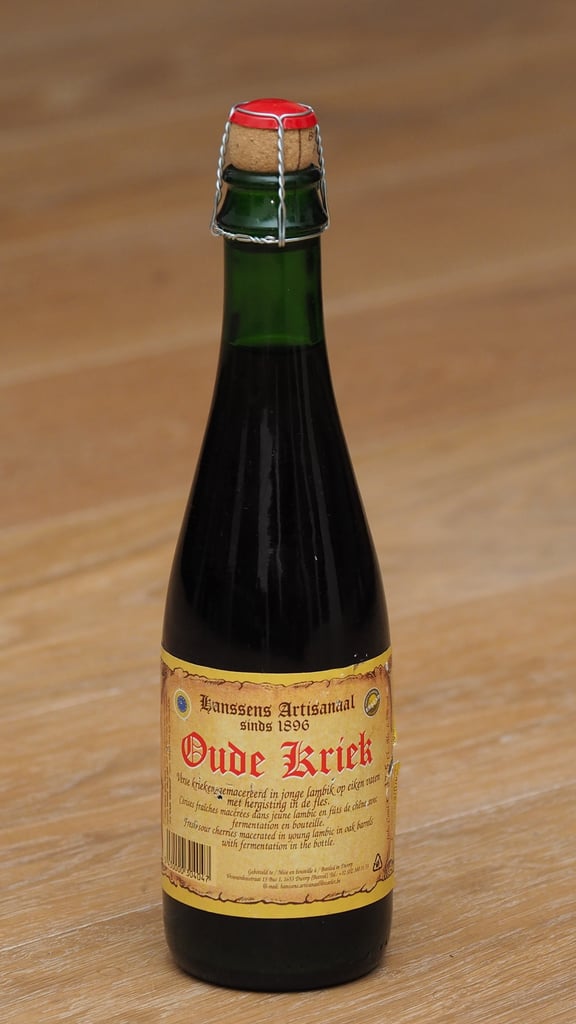
Some beers reveal themselves immediately. Hanssens Oude Kriek is not one of them. Dry, tart, funky and intensely fruited, this traditional Belgian lambic rewards attention and, as our judges discovered, considerable patience.
After five years in the cellar, the bottle opened for our original roundtable review earned an extraordinary World Class rating of 99, placing it among the very best beers our judges have reviewed. With its brooding cherry character, puckering acidity and layers of complexity from fruit, oak and age, Hanssens Oude Kriek offers an ideal opportunity to explore a beer style whose roots stretch back centuries.
Kriek’s Long History
Kriek is one of the oldest forms of fruit lambic. Records of sour cherries being sold to brewers around Brussels date to at least the late 1700s, while documented kriek recipes survive from the early 1900s. Bottled kriek can be either carbonated or still, although beers labeled “Oude Kriek” are generally bottle-conditioned and carbonated.
The terminology also carries legal significance. Under the European Union’s Traditional Specialities Guaranteed framework, Oude Kriek must meet requirements involving the lambic blend, fermentation, aging and fruit content. Among other specifications, the blend must have an average age of at least one year, undergo secondary fermentation and be conditioned on its sediment.
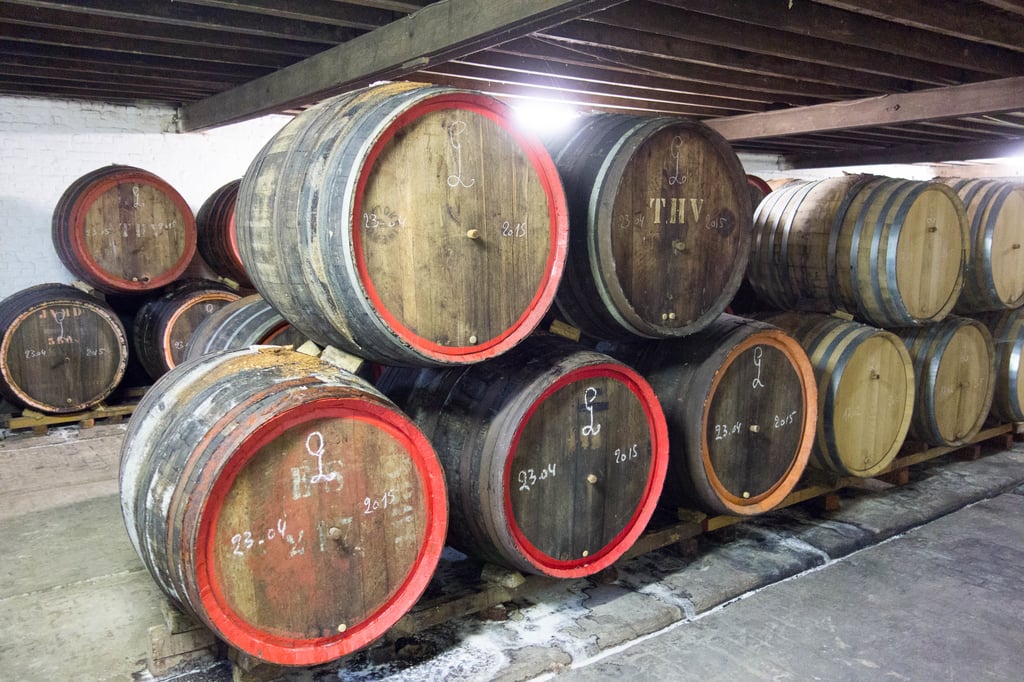
Historically, kriek was often produced in wooden barrels or foeders, with large openings making it easier to add and remove fruit. Wooden vessels remain part of traditional lambic production, although stainless steel is also common today.
A surviving 1907 kriek recipe called for roughly 160 to 200 grams of cherries per liter of approximately two-year-old lambic. Sugar syrup and Ceylon cinnamon were also added before four to five months of maceration, followed by roughly six months of bottle conditioning. The resulting beer was considered capable of aging well for about five years.
The traditional Schaerbeek sour cherry remains closely associated with the style, although its scarcity has led producers to use other varieties. Cantillon, Hanssens and other lambic producers have periodically released special krieks using Schaerbeek cherries when sufficient fruit is available.
What Defines Modern Kriek?
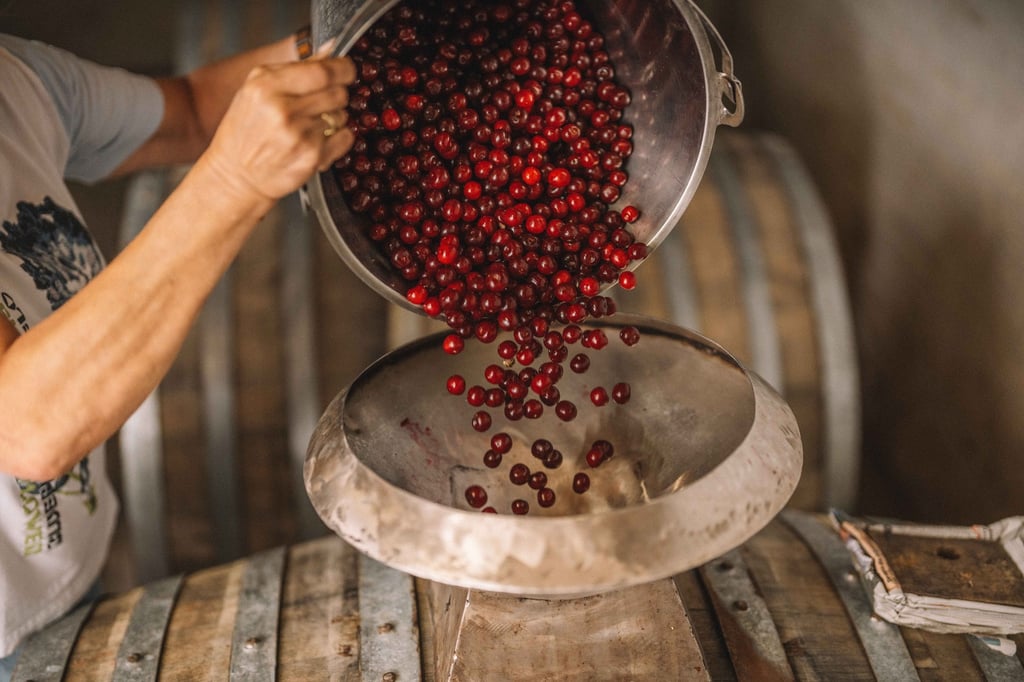
At its core, kriek is lambic fermented or macerated with sour cherries. Traditionally, whole fruit is used, including the pits, allowing the cherries to contribute not only fruit character but also additional fermentation.
As the sugars from the cherries ferment, the beer becomes highly attenuated. That distinction is important: traditional kriek can deliver powerful cherry flavor without tasting sweet. The result is typically tart, dry and complex, with fruit, acidity and the earthy or funky characteristics associated with spontaneously fermented lambic.
Fresh or frozen whole cherries remain common in traditional production, although fruiting rates, varieties and maceration times differ substantially among producers. Some less traditional versions rely on sweetened syrups or flavorings, creating a very different drinking experience from an unsweetened Oude Kriek.
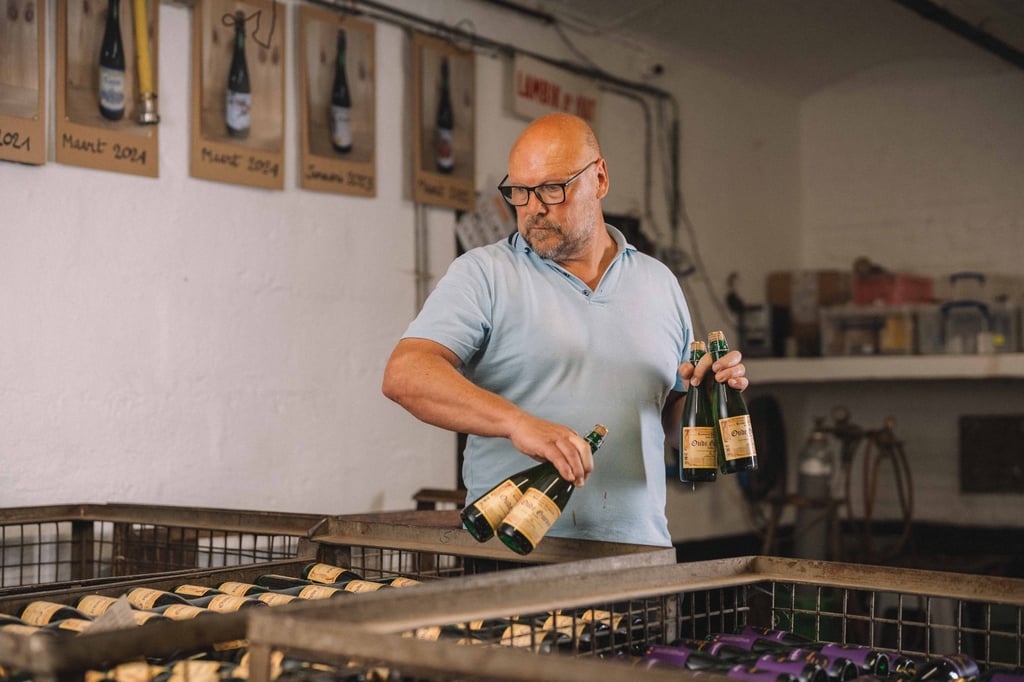
Hanssens occupies an especially interesting place in this tradition. The family’s lambic history stretches back to the 19th century, with Hanssens operating at its current site in Dworp since 1896. Today it functions as a traditional lambic blendery rather than brewing all of its own wort.
About Hanssens Oude Kriek
Hanssens Oude Kriek is one of the oldest beers in the blender’s portfolio and remains a regularly available release. It is generally sold in 375 mL and 750 mL bottles and currently carries a 6% ABV. Each batch uses approximately 70 kilograms of black Belgian cherries per 600-liter barrel.
Hanssens uses young lambic as the base and allows the cherries an extended period of contact with the beer. The result is a dry, deeply fruited lambic in which acidity and cherry character develop alongside the earthy complexity of traditional spontaneous fermentation.
That combination has earned the beer some notable admirers over the years. Garrett Oliver once described Hanssens Oude Kriek as “heartbreakingly stunning,” an appropriately dramatic description for a beer that can become an experience rather than a mere beverage.
What the Judges Thought
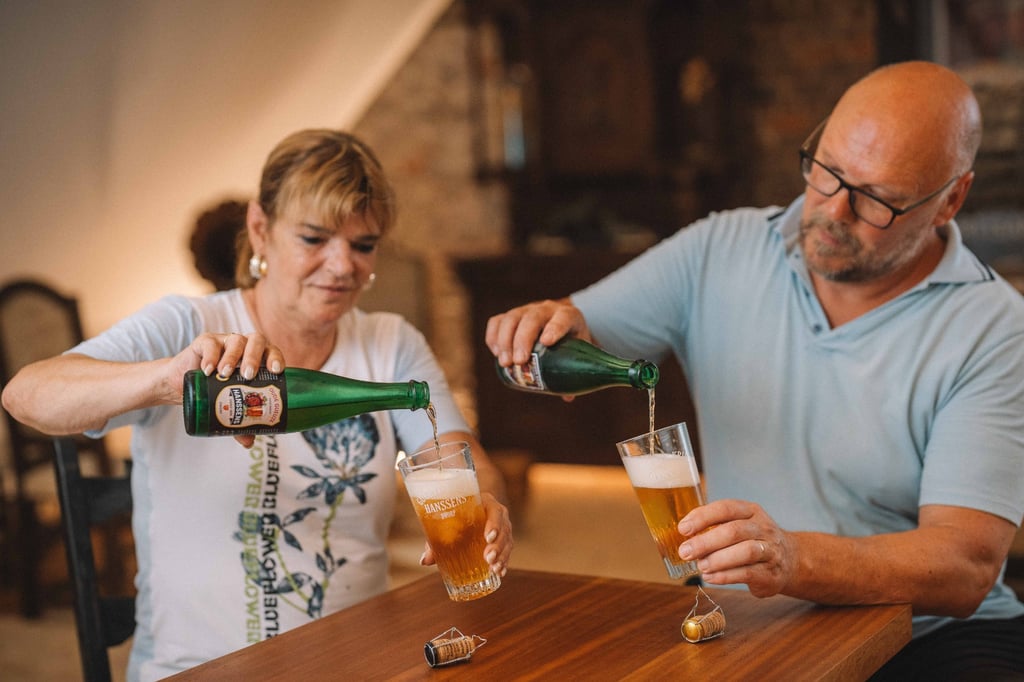
Hanssens Oude Kriek was reviewed in BC’s original roundtable fashion, with a total of five years of cellaring age behind the cork.
Immediately, its “deep, rusty, reddish-brown” hue struck the judges, who also noted a slight lacy head. Aromas included almond, ripe cherry and gentle sourness, while one judge commended the interaction between its cherry aroma and less-prominent earthy, mushroom notes.
Upon first sip, the praise continued for flavors of “brooding dark cherry, stingingly dry almond notes and puckering sourness.” Individual judges profusely praised the complex interplay of fruit, cherry stone and cask aging, calling the beer a true classic.
One judge compared the overall experience to listening to jazz—“lots of components, but one true song.”
The final impression was that Hanssens Oude Kriek was “epic” and worth taking great pains to acquire. The judges also recommended aging it, provided you can bear to wait before popping the cork.
A Lambic Worth the Wait
Hanssens Oude Kriek demonstrates why traditional fruit lambic occupies such a distinctive corner of the beer world. Its cherries don’t simply make it taste fruity; they become part of a years-long interaction among spontaneous fermentation, acidity, oak, fruit and time.
That also explains why an aged bottle can be so rewarding. Hanssens Oude Kriek is already a formidable beer when young, but patience allows its sharper edges and individual flavors to evolve into something even more complex.
A 99-point score is extraordinary. For a beer this uncompromising, traditional and unmistakably itself, it also makes sense.
All Photos Courtesy Hanssens Artisanaal except for Header Photo Courtesy Wikimedia Commons/Alpina~nlwiki




Conversations (0)
No comments yet.