






World Class Beer Highlight: Fuller’s London Porter
 Story by:
Jim Dykstra
Story by:
Jim Dykstra
A great porter doesn’t need to overwhelm you to make its point. Fuller’s London Porter builds its reputation more quietly, layering chocolate, coffee, caramel and restrained roast into a pint that remains remarkably easy to drink.
That balance helped earn it a score of 97 from our judge and World Class status. It also makes Fuller’s an especially fitting beer through which to revisit English Porter, a style with deep London roots that helped transform commercial brewing centuries ago. The beer in the glass today may be a modern interpretation, but the qualities that made porter such an enduring success are easy to recognize.
English Porter’s Origin Story
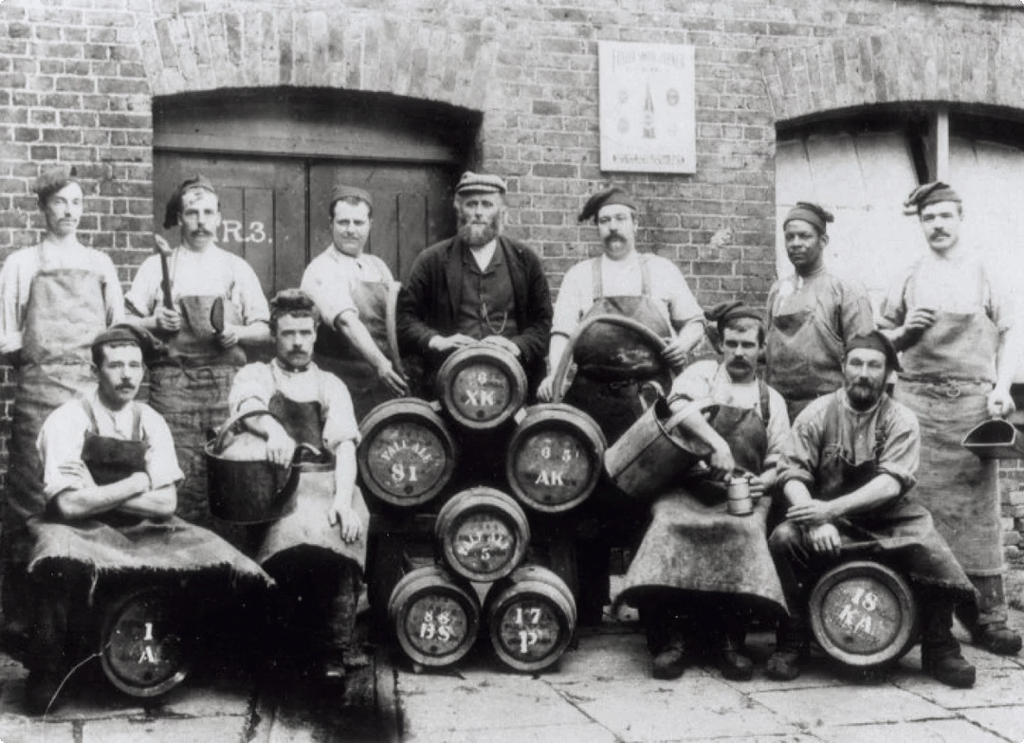
Porter originated in London in the early 1700s, evolving from the brown beers popular at the time. It became one of Britain’s great industrial beer styles and was widely exported during the 19th century before declining and eventually disappearing from regular British production by the mid-20th century.
The history of porters is also inseparable from the history of stouts. “Stout” originally referred to strength rather than an individual style, and stronger porters were commonly refered to as stout porters.
Beer historian Martyn Cornell highlighted an 1810 definition that divided porter into “brown-stout and porter properly so called,” with brown stout described simply as a fuller-bodied version. In other words, the border separating porter from stout was historically much less rigid than today’s style categories might suggest.
As for the name itself, the traditional explanation is that porter became particularly popular among London’s working-class porters and other laborers who carried goods through the city. Modern beer historians generally treat that explanation as a plausible tradition rather than a settled origin story. The BJCP likewise describes the name as being “said to have been derived” from its popularity among London workers performing load-carrying jobs.
What Is an English Porter Today?
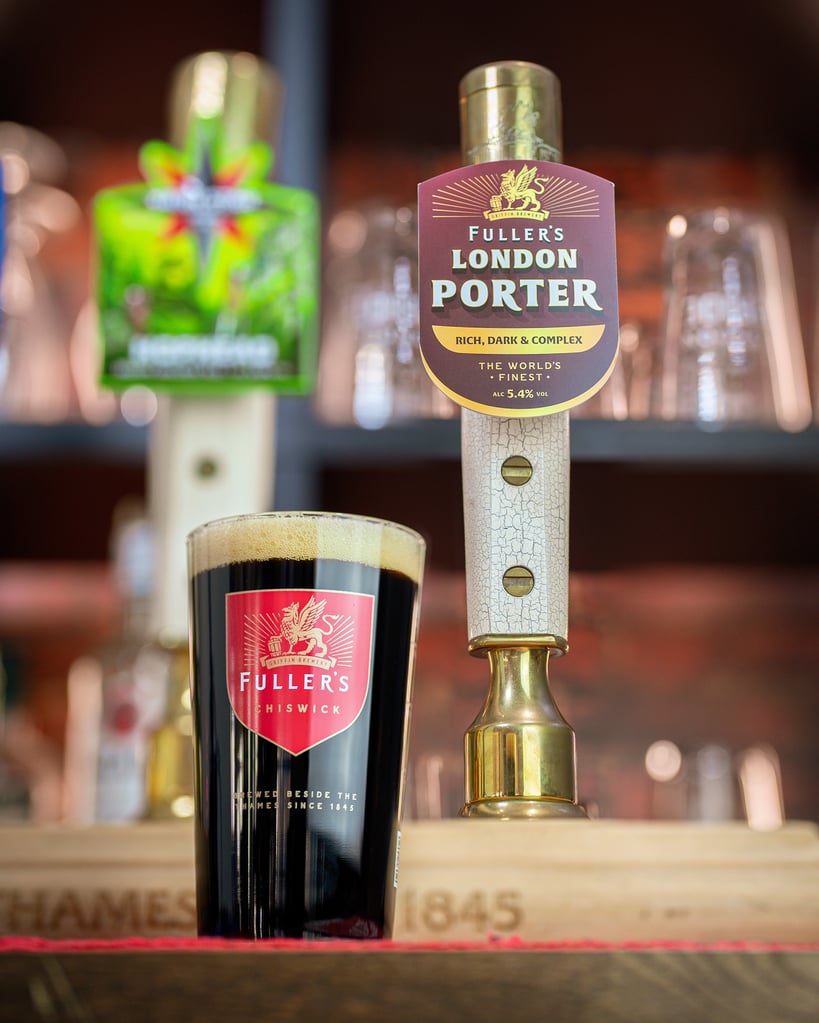
Modern English Porter is a dark, moderate-strength ale built primarily around malt complexity rather than aggressive roast or hops.
The current BJCP guidelines describe the style as a dark brown English ale with restrained roast and bitterness. Typical flavors include bread, biscuit, toast, chocolate, caramel, nuts and toffee, sometimes accompanied by lower levels of coffee or licorice. Burnt or harsh roast should generally remain absent.
Hop character can range from nonexistent to moderately earthy or floral, while bitterness usually sits between medium-low and medium. The finish may lean slightly malty or slightly bitter, and a light-to-moderate creamy texture is characteristic.
That restraint is part of the style’s charm. An English Porter can offer substantial depth without becoming heavy or exhausting.
About Fuller’s London Porter
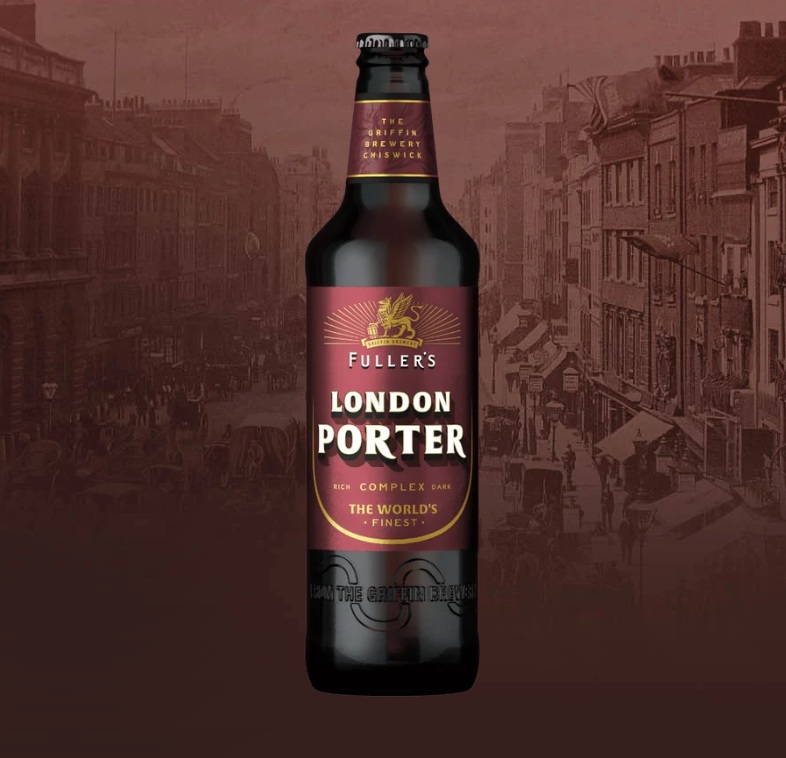
Fuller’s London Porter is often described as a classic of the modern style, but its own history requires an important distinction: the beer itself is not an unchanged recipe dating to the 18th century.
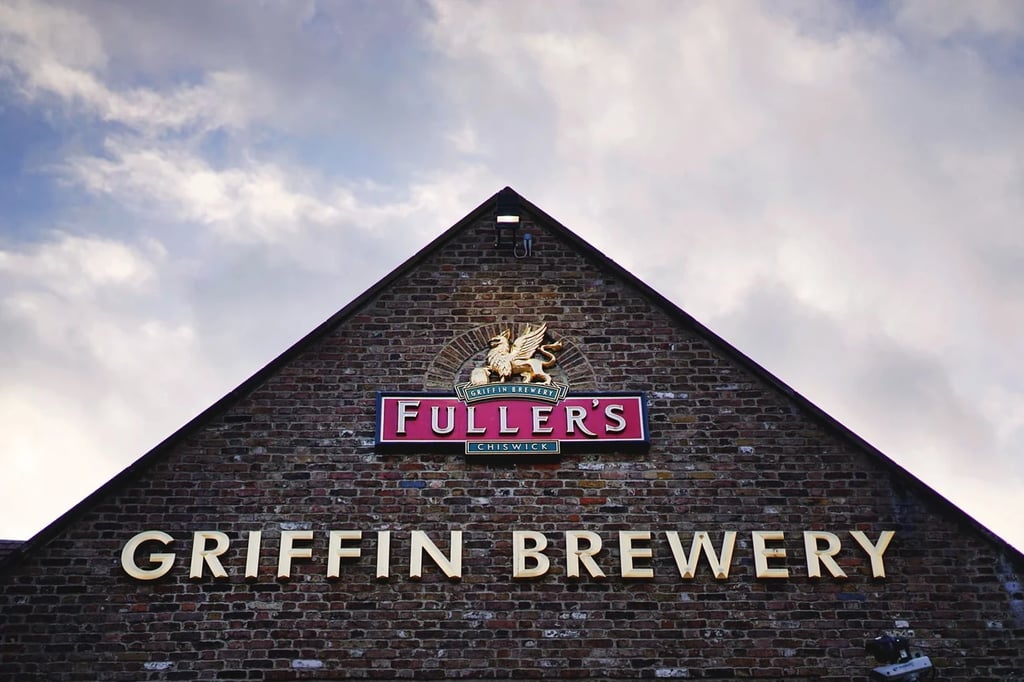
Brewing has taken place at the Griffin Brewery site in Chiswick for centuries, while Fuller, Smith & Turner was formally established in 1845. Fuller’s celebrated its 150th anniversary in 1995, and the success of its anniversary Strong Ale encouraged the brewing team to develop another specialty beer the following year. That beer became London Porter.
Former Fuller’s brewer John Keeling recalled that then-head brewer Reg Drury developed the recipe by studying historical porter recipes and the brewery’s own traditions. It was not intended as an exact recreation of one particular historical beer but rather Fuller’s interpretation of what a London Porter should be.
That makes London Porter something arguably more useful than a museum-piece reconstruction: a modern beer informed by history but designed to work for contemporary drinkers.
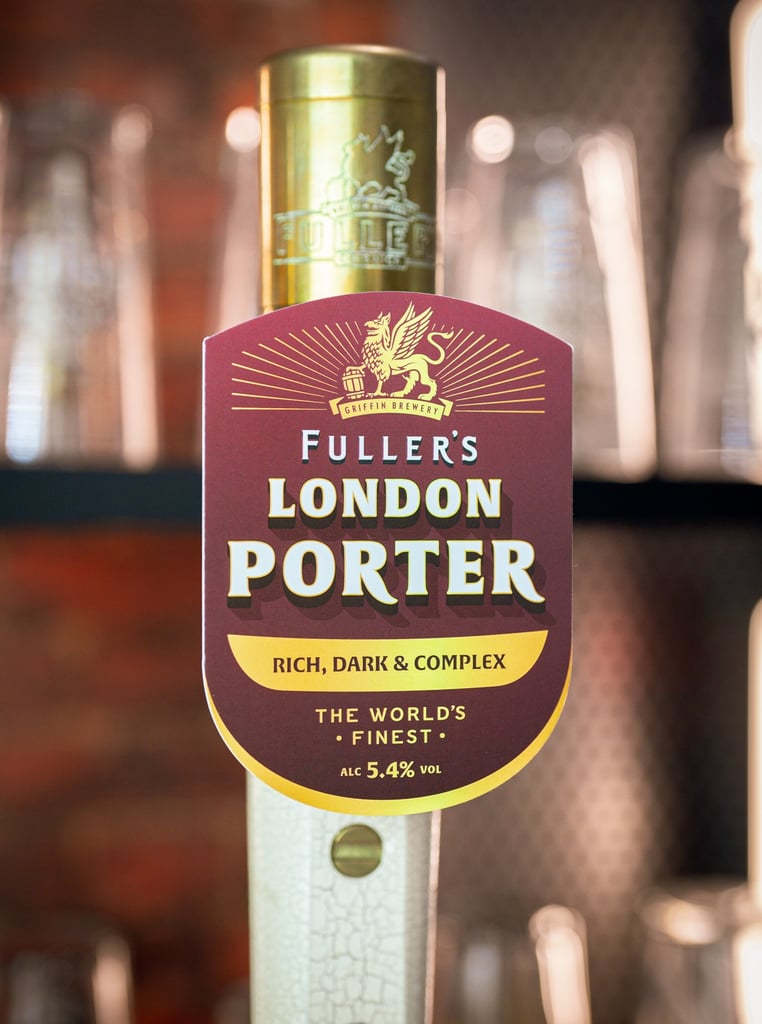
Today, Fuller’s London Porter is brewed to 5.4% ABV using Pale Ale, Crystal Light, Brown and Chocolate malts with Fuggles hops. Fuller’s describes the combination as producing earthy character, creamy texture and prominent coffee and chocolate notes.
The beer has since become one of the best-known modern examples of English Porter and is listed as a commercial example of the style in the BJCP guidelines.
What the Judge Thought
London Porter was judged by Phil Farrell, who described its appearance succinctly, calling it “extremely dark.”
From there, he noted subtle and complex aromas of toffee, caramel, chocolate and coffee intermingled with slight earthiness. The flavor followed suit, also featuring chocolate and coffee while adding hints of nuttiness and a smoky component—all qualities comfortably at home in a porter.
Farrell also commented on the relative lack of hoppiness compared with American versions of the style.
Perhaps most importantly, he highlighted the beer’s easy-drinking mouthfeel, describing a “medium-light body and a smooth, slightly creamy finish.” As the beer warmed, he found that “the flavors become more complex and complementary.”
As for the roast component: “Rather than coming off overly harsh or muddled, the roast adds just the right amount of bitterness to make this a super drinkable pint.”
That last observation gets to the heart of why Fuller’s London Porter works so well. There is plenty happening in the glass, but none of it comes at the expense of drinkability.
Why Fuller’s London Porter Endures
Porter was once an everyday beer of London, and Fuller’s modern interpretation still succeeds because it retains something of that fundamental accessibility.
This is a beer that can reward deliberate tasting, but it doesn’t demand ceremony. Its chocolate, coffee, caramel and roasted-malt character are substantial enough to pair with rich foods or hold a drinker’s attention on their own, while its moderate strength and smooth finish make another sip remarkably easy.
Fuller’s London Porter isn’t remarkable because it perfectly reproduces an 18th-century beer. It is remarkable because it takes the character and history of English Porter and translates them into a beer that remains compelling today.
That combination of depth, restraint and drinkability is exactly why our judge placed it among the World Class.
All Images Courtesy Fuller’s Brewery







Conversations (0)
No comments yet.