




Frost and Foam: A Winter Meditation on Beer and Backpacking
 Story by:
Mary Beth Skylis
Story by:
Mary Beth Skylis
I was in my early twenties the first time I experienced a “summit beer” – a tradition that involves carrying a pint to the top of a chosen mountain before cracking it open in celebration of the day’s accomplishments. The sweet sound of the aluminum can breaking open and the carbonation foaming at the lip was like music after sweating my way through the mountains. Then there was the taste of the liquid itself, which took the flavors of the wilderness and bottled them up. It was hoppy with notes of citrus, pine, and mint. It was a bridge between my standard creature comforts and the mountains, comforting me with every sip.
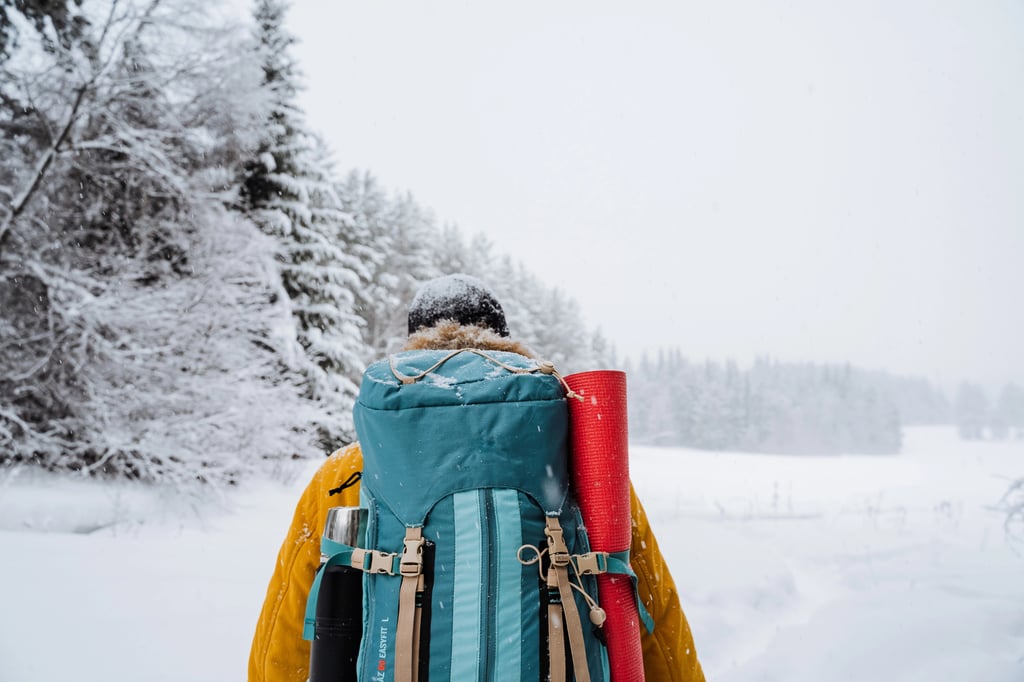
The flavor notes of a winter beer like stouts and IPAs become ever more poignant amidst the backdrop of winter after a day of gallivanting through snowdrifts, the internal heat of the body matching the extreme cold of the whipping wind. To pour a beer in celebration of winter is to participate in the season, bringing awareness to the tides of time. These are some of the best beers for a winter walkabout in the wilderness.
Porters and Stouts Meet Winter Campfires
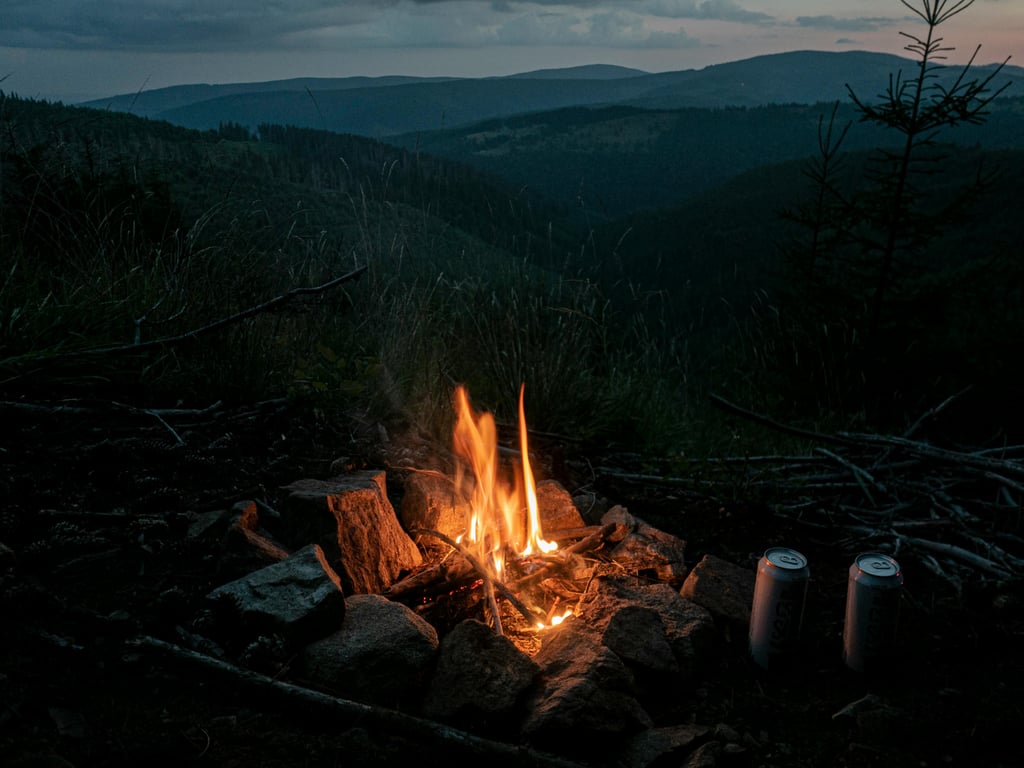
The dark, velvety flavor of a porter or stout is reminiscent of campfire flavors; They’re smokey, slightly charred, and smooth. Stouts are generally more robust than porters, and their flavors are often compared to the bitterness of coffee, while porters are usually less acidic and yield caramel and chocolate-flavored notes instead of the bitterness of coffee.
Porters and stouts also often come with a higher caloric density, which makes some outdoor fanatics quick to label them as “recovery” beverages (or at least caloric-replacement beverages). But both porters and stouts are known for the comfort that they bring – like a first cup of coffee in the morning from the local barista.
A few personal favorites include the Founders Breakfast Stout, with its chocolatey zest and coffee flavor. Left Hand Milk Stout Nitro leaves nothing to be wanted with its creamy texture and sweeter finish, enriching the day with a comforting and rewarding gesture.
Traditional IPAs Enliven the Palate With Pine and Hops
It’s no coincidence that mountain towns like Fort Collins, Colorado are bursting at the seams with craft breweries that specialize in IPAs. The outdoor adventure culture practically demands their existence, encouraging the micro-browery culture to foster a connection to the surrounding summits. And the result is a flavor palette that’s reminiscent of a Christmas tree coming alight in November while the first hints of snow dance through the air.
IPAs like the Odell IPA and Sierra Nevada Celebration IPA make use of the bright flavors of alpine and evergreen landscapes, incorporating flavor notes like pine resin, and an earthy bitterness in each sip of beer. Unlike porters and stouts, IPAs foster a sense of acuity and crispness that makes them ideal for midday summit celebrations.
Bocks and Doppelbocks Provide Sustenance and Support
In the 17th century, German Paulaner monks famously began brewing a strong beer that was known for being nutritious and ideal for sustenance. The resulting doppelbock beer was commonly used to support the monks during long fasts, allowing them to maintain their energy despite being unable to consume solid foods.
Today, bocks and doppelbocks are often referred to as “liquid bread,” and with good reason. Both bread and beer are made with yeast and cereal grains like wheat and barley. These strong, malt-forward lagers are sustaining, smooth, and hearty – the perfect concoction for outdoor-focused adventurers who are looking to gain another summit. This style of beer is rich without the bitterness of IPAs, making them the perfect companion for solitary ventures in the snow. Germany’s Ayinger Celebrator Doppelbock is toasty, semi-dry and minimally sweet, making for a serious companion amidst the winter.
Brown and Amber Ales for Backcountry Pairing
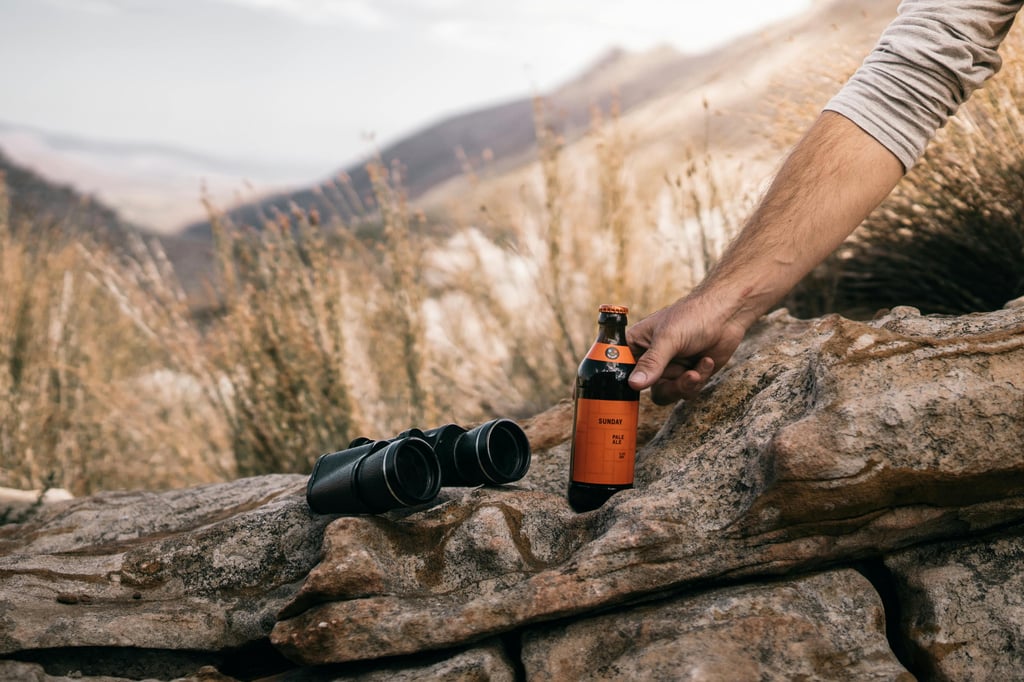
Brown and amber ales are a moderately sweet option that often highlight nuttiness and toasty flavors as a main component. Beer like Bell’s Best Brown Ale and Anderson Valley Boont Amber pair nicely with outdoor snacks like jerky, roasted nuts, and s’mores. Compared to porters and stouts, these options are lighter and ideal both while on the summit and when making camp.
Winter Beer for Ritual and Reflection
Ritual has been used by humanity to assign meaning to various moments in time for many years. This practice gives structure to otherwise lawless emotions and habits, containing them into tangible pastimes. The ritual of putting up a Christmas tree after Thanksgiving also marks the passage of time, giving those who celebrate the opportunity to find good cheer. Weddings are another type of ritual that most commonly involve the exchange of vows and rings to signify the merging of two lives.
Beer has been used in rituals for centuries, donning the responsibility of appeasing the gods, accompanying the dead into the afterlife, and cementing social bonds. While the facets of rituals have changed throughout time, as have beer’s relationship to them, they continue to assign meaning in new ways today.
A personal ritual like packing a stout for a mountain summit can be a celebratory milestone in itself, marking a technical accomplishment in climbing and mountaineering. Or cracking open a stout after a cold day in the high country could also serve as a method of celebration. There’s something sacred about wandering through a pine grove, kicking steps into snowbanks as you travel, making your way to a fire at dusk to sip your favorite beer. The world stills, calling on the quiet corners of our mind to rest in reflection. The branches of the trees whistle under the glow of the stars, breath melts into vapour. Our cheeks tingle with the chilled air while we warm by the flame, reminding us what it is to be alive.


Comments 0
No Readers' Pick yet.