




Finding The Best Bread For Beer Pairings: A Guide For Food Service Providers
 Story by:
Cooking and Food Blog
Story by:
Cooking and Food Blog
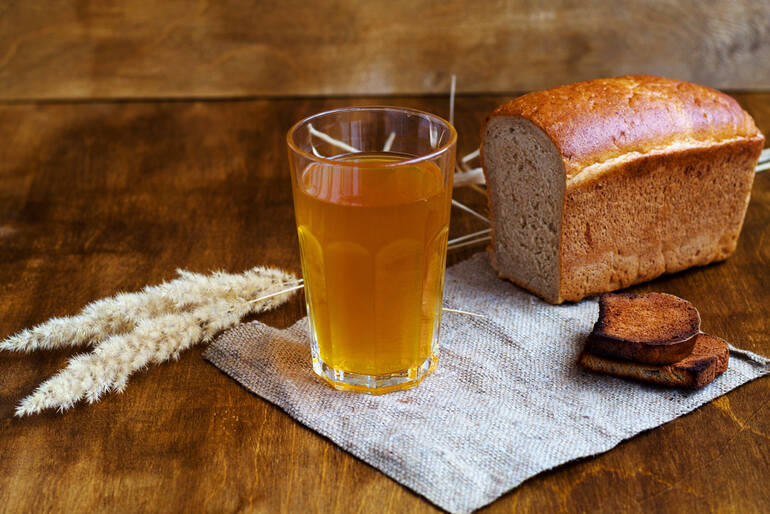
The trend is toward in-flight food and drink services, and beer has become a significant element in menu design and recall. Combinations that seem to be carefully thought out are appealing to guests, and flavour, texture, and freshness need to combine to create a full experience. Wine and cheese are not novel, but beer and specialty bread offer a more wholesome and down-to-earth alternative, which is more in line with the current development of craft brewing and fresh ingredients.
To a food service provider, the appropriate bread and beer are complementary elements that make the whole offer more interesting and wholesome. The malt profile, subtle notes, and the creation of a better tasting experience can be supported by the structure of artisan bread. The right combination can boost customer satisfaction and make them come back. This is a quick tutorial of the principles of pairings and a peek preview of the most appropriate bread delivery companies.
The Art And Science Of Flavor
Individuals are fond of experimenting with different food blends that are trending online due to the creativity, newness, and originality. According to a survey conducted recently, one-third of consumers may be receptive to new food combinations. In the modern competitive market, the ability to impress with a memorable food pairing may be what makes the difference between breweries, pubs, and restaurants.
Common ways of matching food are:
Complementary: This results in a dense taste brought about by similarity in flavor profiles.
Contrasting: Compatible flavors are antithetical to one another.
Cutting: Soothes the palate so that one can take another bite or swallow.
Bread and beer pair well because both are chemically complex foods. Combined, they can elevate each other’s flavor and depth. In fact, there are as many as 500 compounds contributing to a bread’s aroma, from alcohols, acids, and hydrocarbons.
A Quick Guide To Matching Breads And Brews
The process of pairing bread with beer begins with the identification of what makes a given brew recognisable. The foundation is constructed by Malt, which is more of a warm, sweet, roast and the foundation is developed by hops, which balances with bitterness and floral or citrus aroma. 100 mL of beer contains 12-52 mg has 12-52 mg of phenolic compounds, which give rise to soft and grainy flavours, as well as to bold and toasted flavours. Food service providers using knowledge of this structure are able to change bread to strengthen and enhance the natural profile of the beer to create a more complete and satisfying service.
Pilsners, Lagers, and Kolsch are light and crisp beers that give a clean, refreshing finish. The soft texture of the bread and the non-obtrusive sheep flavor, e.g, plain burger rolls or light wheat bread, retain the freshness of the bread and balance the experience. Intense and aromatic, delightful, and joyful beers are IPAs and pale ales. Rye and sourdough add an element of structure and slight tang, thereby helping to anchor those lighter notes, along with leaving the pairing with a solid feel on the palate.
Beers that are made in the style of malty, such as a brown ale, porter, or stout, add a roasted flavor and a hint of sweetness that would pair well with bread with the same richness. Pumpernickel adds a greater, darker malt flavor to the stout, and multigrain rolls to the caramel flavor in many ales. Fruity and spicy beers, including Hefeweizens and Belgian ales, have been matched up with less crunchy breads with a hint of sweetness. Brioche accompanies such expressive flavours and is used to cleanse the tasting experience to give the guests a memorable, thoughtful, and balanced pairing.
Finding Your Ideal Supplier Partner
The following bakeries are ideal suppliers with a long-standing reputation for high-quality goods and dependable service.
1. Gold Medal Bakery
Gold Medal Bakery is well-known in the industry for high-quality ingredients, on-time delivery, and long-standing business relationships with over 35 vendors. Founded in 1912, it grew to become one of the largest independent bakeries in the country. Its programs range from institutional business, wholesale distribution,n and direct store delivery.
The company’s lineup includes rolls and English muffins to specialty breads, helping drive clients’ profits.
2. Klosterman Baking Company
Klosterman Baking Company is a dependable bread manufacturer and distributor. The company prides itself on its peerless warehouse and route distribution system, which enables it to fulfill orders on time. With both fresh and frozen bread, it serves the specific needs of businesses from fine-dining establishments and chains to hotels and hospitals.
Its facilities use less energy and emit fewer greenhouse gases, earning the Energy Star Certification.
3. Turano Baking Co.
Turano Baking Co. is a family-owned business committed to producing traditional European-style bread, with a twist. The company uses passed-down recipes while innovating using modern techniques to provide high-quality goods. Its artisan-style ciabatta and focaccia are popular among pubs and restaurants. It has expanded from Illinois to Chicago, Florida, Nevada, and Georgia. In fact, they are among the most popular Italian bakeries in Chicagoland.
The Methodology: What To Look For In A Food Service Bread Supplier
The factors to determine the best suppliers are the following:
- Product portfolio and quality
- Distribution and logistics excellence
- Strategic partnership and profitability
- Deep industry experience
Frequently Asked Questions (FAQs)
Here is some information to help you find the perfect bread supplier.
What Is The Difference Between A Commercial Bakery And An In-Store Bakery Program?
Commercial bakeries sell their goods to stores, such as the bread you see in grocery aisles. On the other hand, in-store bakery programs are sold in the bakery section of a grocery store — they can be the same bread, just packaged differently.
How Does A Frozen Bread Program Work For A Food Service Business?
Modern freezing programs bake the bread and flash-freeze it in prime freshness and texture. Businesses can manage their inventories better and prevent food waste without sacrificing quality.
How Can Private Labeling Impact A Restaurant Or Brewery?
In 2024, private-label goods hit a staggering $271 billion in sales, outpacing national brands. This strategy enables establishments to increase their profit margins while having control over price and packaging.
Your Menu’s Next Great Pairing
The combination of bread and beer is a time-tested tactic for developing an unforgettable customer experience and selling. Since craft beer is taking over menu design, operators have a chance to improve each pour with bread that complements each drink in terms of flavour, texture, and overall appearance. When combinations are considered, this is something that the guests will notice, and this information will lead to more visits, more impressions, and more willingness to discover more services.
It is not just about the right flavors when it comes to finding the right pairing. The appropriate supply partner guarantees the same quality level, dependable supply, and products that will enable the integrity of your beer program. Freshly made bread will enable every match to be deliberate and complete. Also, the strategic initiatives like private-label goods may enable the businesses to build their brand, distinguish themselves in a competitive market, generate more profit, and offer experiences that guests recall and refer to.


Conversations (0)
No comments yet.