



Top Emerging Beer Style Trends for 2026
 Story by:
Brett Cortelletti
Story by:
Brett Cortelletti
As 2025 comes to a close, brewers, bar managers, and beer drinkers alike are looking back at the past year. Beer consumption has been dropping while brewery closures are on the rise. So now, more than ever, it’s critical that breweries proceed with deliberation. Whether it’s a new release or a re-release, it’s worth asking, “Will this sell?” While sales are rightfully the top priority for breweries and bars, another question that is important for the long-term success of breweries and the beer industry at-large is, “Will this keep our customers excited about beer?”
For years, the hazy IPA has handily dominated tap lists. Surely enough, they have great sales numbers, but after a nearly decade-long reign on the industry, their sales have been slipping. That’s not to say that they won’t still be one of the best-selling styles of 2026. Still, as their chokehold on tap lists and shelf space continues to wane, this leaves room for an abundance of other beer styles to claim a spot at the table.
While it is difficult to predict which specific styles will be the best-selling, trends from 2025 can give us some hints. Traditional lager styles are hotter than ever, and now is the prime time for the revival of beer styles from the past. In some cases that means old-world European styles that never got a proper moment in the spotlight. In other cases, classic styles from the original craft beer revolution are coming back with a vengeance. While no truly ‘new’ styles have emerged in the past year, brewers are also committed to testing out new techniques with the styles we already know and love.
A year from now, there are sure to be some glaring omissions on this list. After all, the next ‘hazy IPA’ is always just one innovation away. Similarly, some of these predictions may turn out to be pipe-dreams (if not a wish-list for what the author would like to see – cough cough – rauchbier). Still, here are our best guesses, and the reasoning behind them.
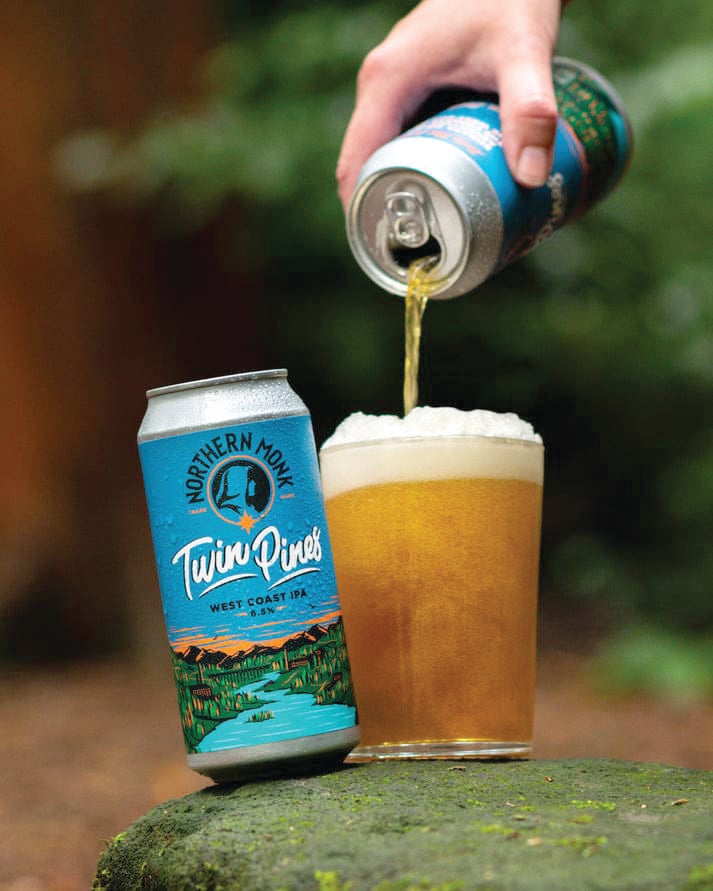
West Coast IPA
Any beer forum, op-ed, or overheard discussion in a taproom is sure to mention “IPA fatigue.” It’s true. Double dry hopped Hazy IPAs featuring choose-your-own-adventure variations of hop profiles no longer have the same consumer pull as they once did. That does not mean that the IPA as a whole has outworn its welcome. Rather, drinkers are just looking for something different.
To veterans of the craft beer community, the idea of a West-Coast IPA (also known as an American IPA) being an ‘emerging style’ may seem absurd. From the 90s on to mid-2010s, they were by far the most dominant style in the American craft beer scene. However, a large segment of younger beer enthusiasts grew up in an era where “IPA” was synonymous with hazy, juicy, and tropical in opposition to bitter, resinous, and piney. Now, as these lighter and crisper IPAs are making the rounds again, young drinkers are delighted by their bright body and sharper edge, while the Old-Heads are welcoming back this blast from the past.
Popular Examples
- Sierra Nevada Brewing Company: Torpedo Extra IPA
- Russian River: Blind Pig
- Brewery Ommegang: Nirvana
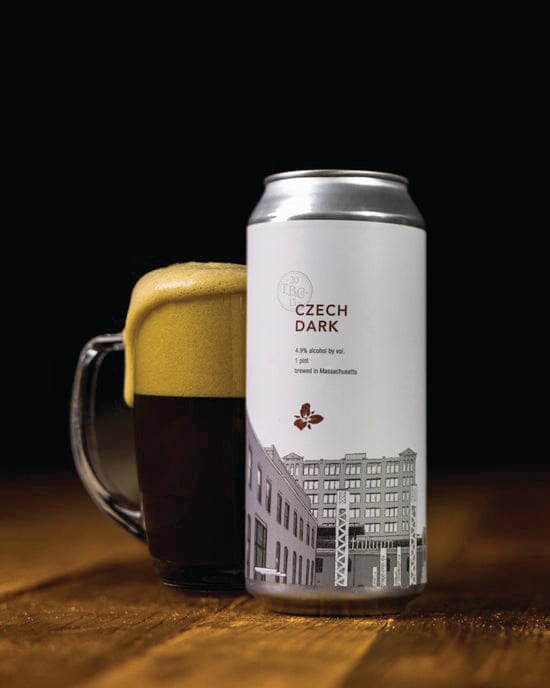
Czech Dark Lager
Unlike the West-Coast IPA, the Czech Dark lager is an extremely traditional style. However, it has yet to see its heyday on American taplists. This style features a dark and rich body, erring on the dry side. Common tasting notes include roastyness, cacao, and chocolate, much like a traditional stout or porter. What really sets this style apart is the fact that it is brewed with a lager yeast. The slow and deliberate fermentation process makes the beer remarkably smooth and shockingly light.
While Czech styles at large have been experiencing a rise in popularity, the Czech dark larger in particular is primed for a takeoff. It’s full bodied flavor and cozy, roasty notes makes it the ideal wintertime beer. Whether nursed at the bar at a high-end lagerhaus or chugged in the living room between disparaging remarks about referees, it is the platonic ideal for a cold-weather daily drinker.
Popular Examples
- Green Bench Brewing: Tmavé Pivo
- Dovetail Brewery: Czech Dark Lager
- OEC Brewing:Coolshop Lager Black
Dark Wheat Beers
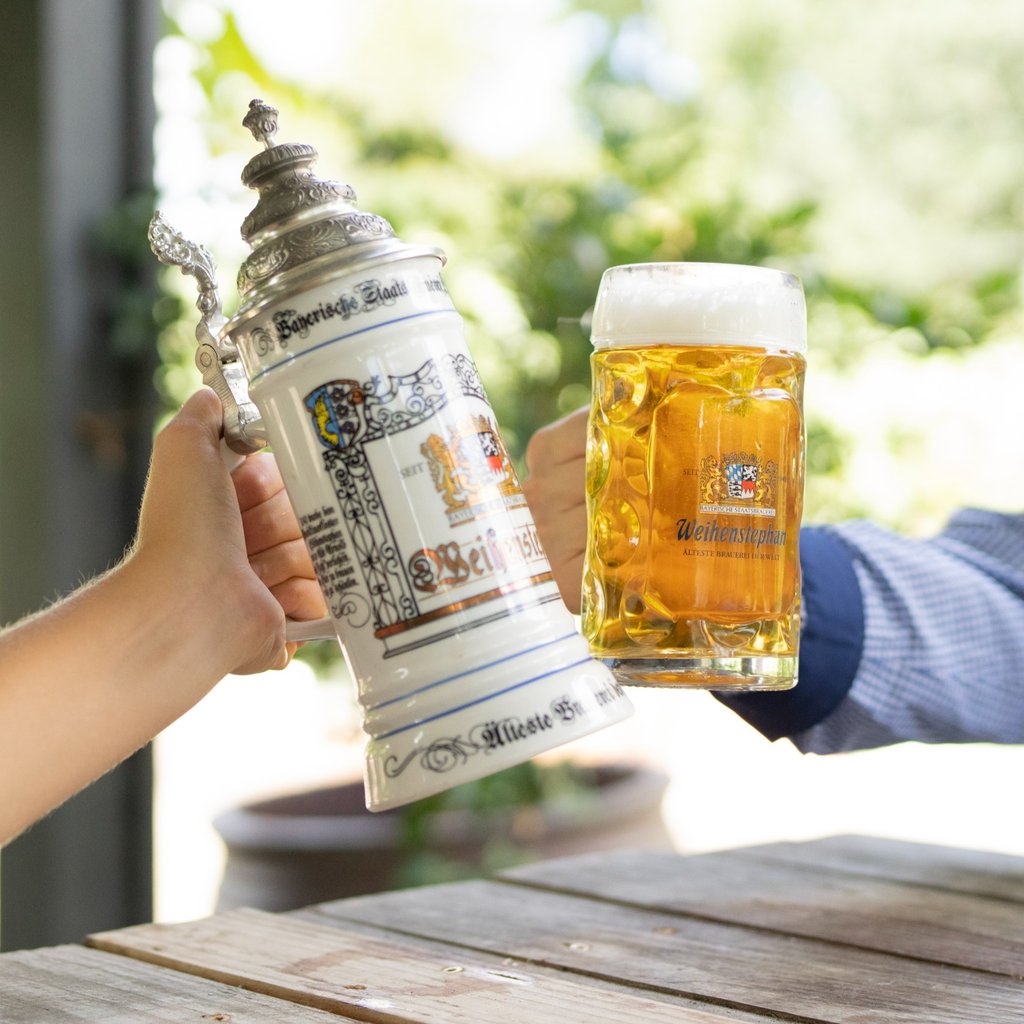
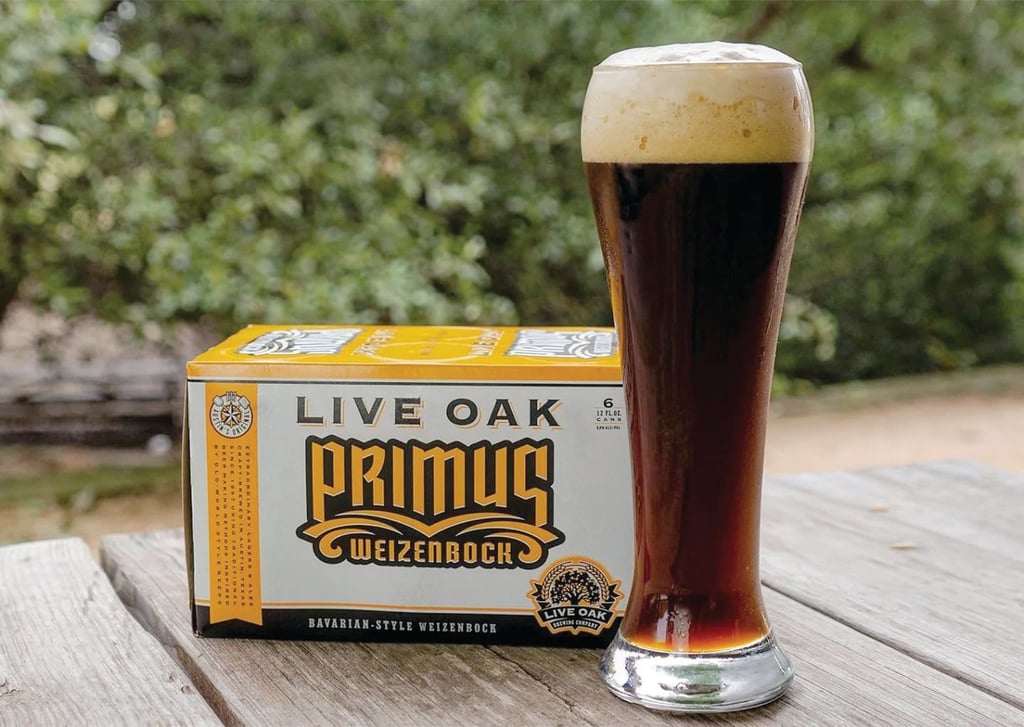
The cool-weather season is prime-time for malt-forward beers to shine. While porters and stouts have traditionally dominated this corner of the flavorwheel, darker iterations of wheat beers are in a great position to earn a bigger slice of the pie. Belgian-style Witbiers and Hefeweizens are taproom staples every summer, so their sweet and carmely counterparts, such as Weizenbocks and Dunkleweizens, are in a perfect position to round out seasonal taplists. The spicy notes that come from the yeast esters are another factor working in favor of darker sweeter wheat beers establishing themselves as a seasonal favorite. Given the lasting popularity of wheat beers, darker variations of the style are familiar enough for drinkers to give the style a try, but uncommon enough to stand out on any draft list.
Popular Examples
- Bayerische Staatsbrauerei Weihenstephan: Heffeweissebier Dunkel
- Live Oak Brewing Company: Primus Weizenbock
- Urban Chesnut: Maximilian
Kölsch
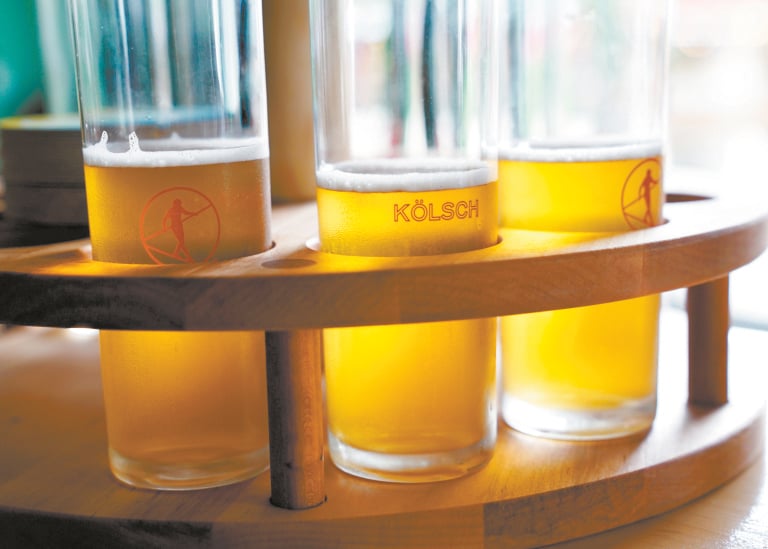
While summer may seem far off, it’ll be here before we know it, and breweries better be ready. Traditionally, summer is the time for lagers, shandys, and citrusy wheat beers. However, the Kölsch is long overdue for its turn as a taproom summer staple. A well-executed Kölsch is bright, clean, floral, and most importantly, refreshing and easy to pound. It’s the ideal brew for a patio or biergarten on a hot summer day. While the lager renaissance continues, the Kölsch (which is technically an ale fermented at lager temperatures) deserves a seat at the table.
Some breweries have capitalized on Kölsch’s potential by offering ‘kölsch service’ at their bars. Kölsch service is a traditional serving method in Cologne (the birthplace of the Kölsch) where customers remain seated while servers patrol the drinking space with small, narrow glasses of kölsh, setting a fresh one down in front of any customer with an empty glass. The repeated small servings compound until the customer cuts the servers off by setting a coaster on top of an empty glass.
Popular Examples
- Trillium Brewing Company: Sprang
- Halfway Crooks Beer: Farina
- Almanac Beer Co.: True Kolsch
Hoppy Lagers
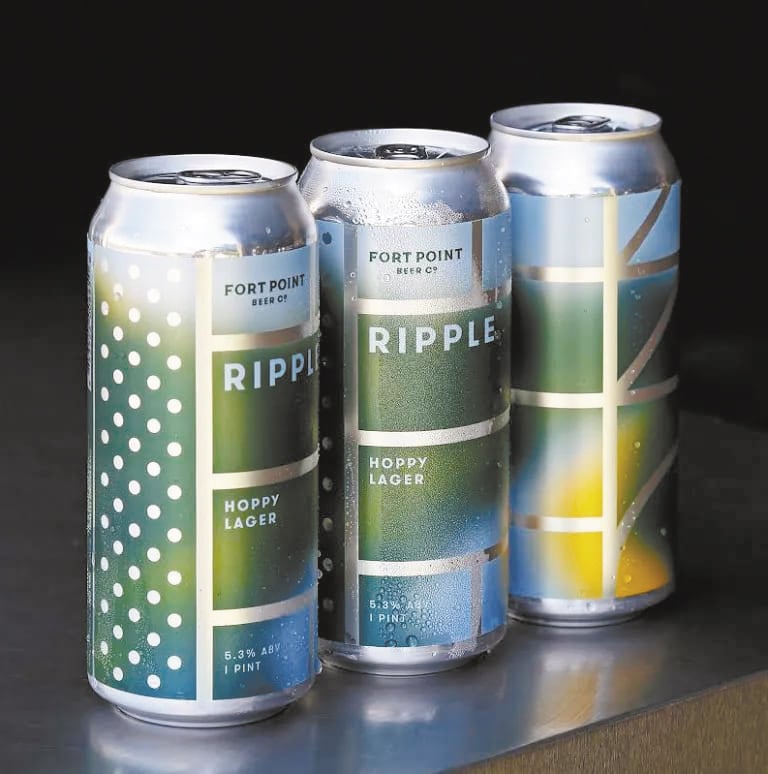
As previously mentioned, beer culture is currently experiencing a lager renaissance. In most cases, this has largely entailed American breweries attempting to faithfully reproduce traditional European Lager styles. However, many of them are putting their own twist on tradition, and what better way to ‘Americanize’ a beer style is there than to boost up the hops? This includes the use of American hop strains as well as dry-hopping technique. There are two angles that breweries can take advantage of when lagers are hopped up. First, it can be a great way to get IPA devotees to embrace lighter and cleaner lagers. Similarly, a hoppy lager can also be a great way to introduce lager purists to the wonderful world of IBUs.
Popular Examples
- Jack’s Abby Craft Lagers: Hoponius Union
- Firestone Walker Brewing Company: Pivo Pils
- Threes Brewing: Other Ephemera
Beers Aged in Alternative Barrels
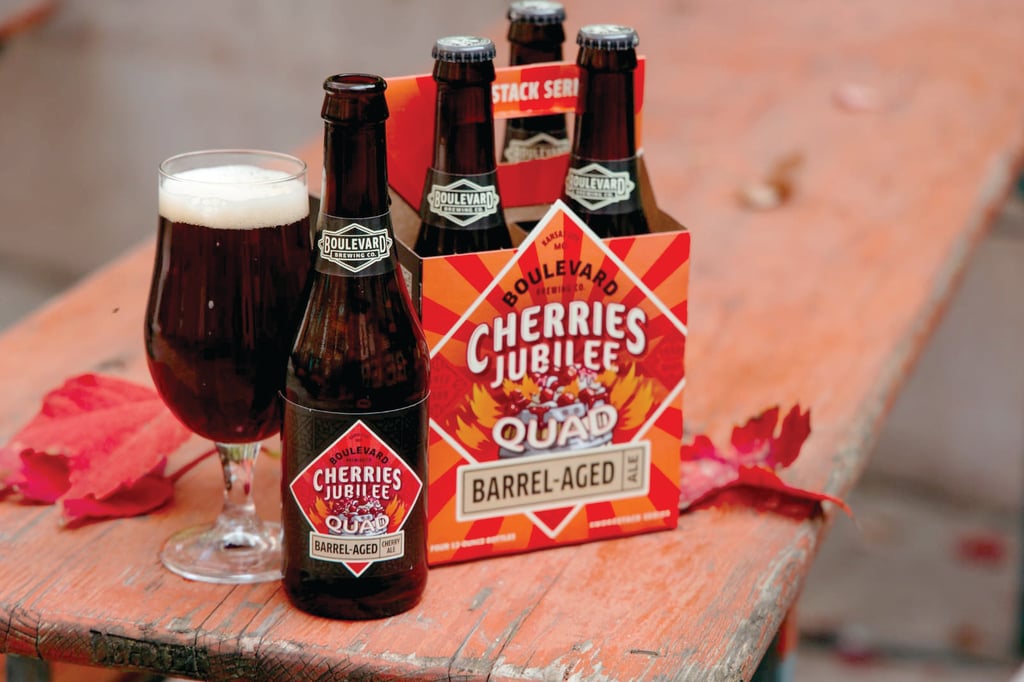
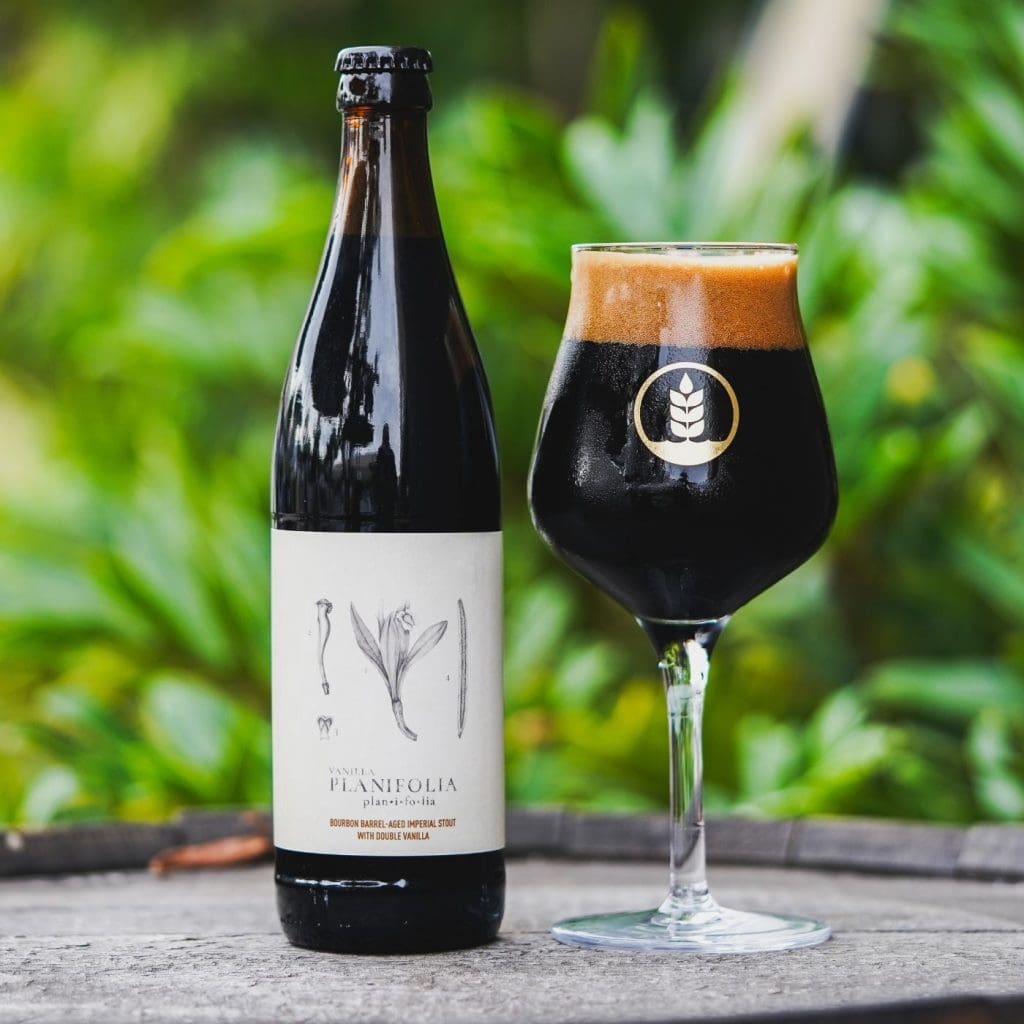
Ever since Goose Island first released Bourbon County Brand Stout, the barrel-aged stout (and later, barrel-aged barleywines and strong ales) was forever cemented as staples for brewery special releases. This won’t be changing any time soon. Since the style’s inception, “barrel aged” has heavily been associated with the use of bourbon or whiskey barrels. However, there’s still room for innovation and experimentation, especially with regard to the choice of barrel used for aging…
Specifically, wine barrels show great potential to bring out and highlight the deeper fruity notes in a beer. While dark and bold beers have traditionally been the ideal candidates for barrel aging, white wine barrels have proven to be great candidates for aging saisons. Other spirit barrels, such as rum, mezcal, and brandy have also proven to be great choices. One of the best indications for the future of this trend is the fact that in Goose Island’s 2025 lineup of Bourbon County Brand Stouts, they included a stout aged in cognac barrels.
Popular Examples
- Boulevard Brewing Co.: Chardonnay Cask Saison
- Goose Island: Cherries Jubilee (2025)
- Surly Brewing Co.: Port Barrel-Aged Stout
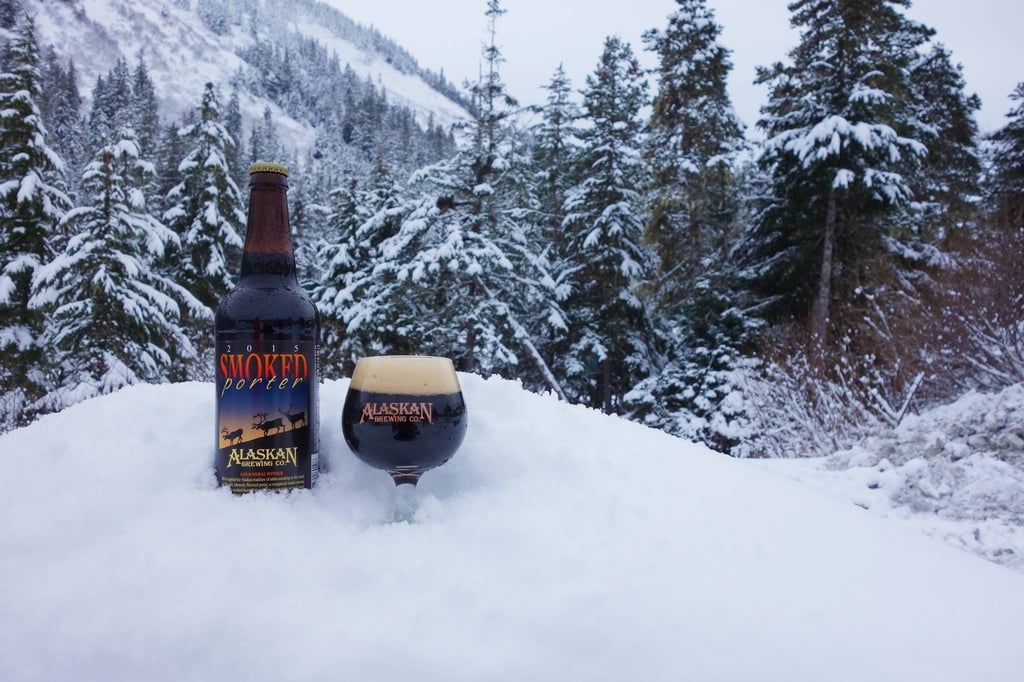
Smoked Beers
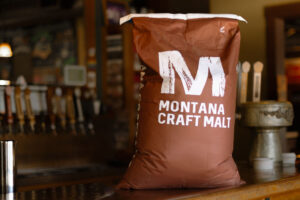
Perhaps the most polarizing beer on this list, smoked beer (also known as rauchbier) is experiencing a renaissance of its own as it escapes cult-classic status and is becoming more common at breweries across the country. Smoked beer is exactly what it sounds like: beer brewed with smoked malts, carrying a distinct smokey aroma. While you probably won’t be finding any smoked beers on the shelves of your local grocery store, more and more breweries are offering limited releases of the style, often in the form of fall and winter seasonals. In the past, when American breweries have attempted this traditional style, the results were questionable. This was largely because brewers were inexperienced with the style, and quality smoked malts were difficult to source. However, now, more and more maltsters are committed to getting it right, with some even featuring a variety of woods used for smoking.
A poorly executed smoked beer comes across as harsh and ashy, but when well executed, they perfectly balance sweetness with the smoke’s sharp edge. While the flavor profile may be unusual, the recent popularity of other old-world styles has shown that beer drinkers are willing to go out on a limb when a brewery commits itself to getting the style right.
Popular Examples
- Alaskan Brewing Co.: Smoked Porter
- Wolf’s Ridge Brewing: Buchenrauch
- Suarez Family Brewery: Stands To Reason











Conversations (0)
No comments yet.