


Aged to Perfection: Exploring the Best Whiskey to Age in Oak Barrels
Discover the art and science of whiskey production through oak barrel aging. Explore the best whiskeys that have absorbed the colors, scents, and flavors of oak. Uncover the secrets of oak whiskey barrels and learn why they are the preferred choice for maturing whiskey.
 Story by:
Spirits Blog
Story by:
Spirits Blog
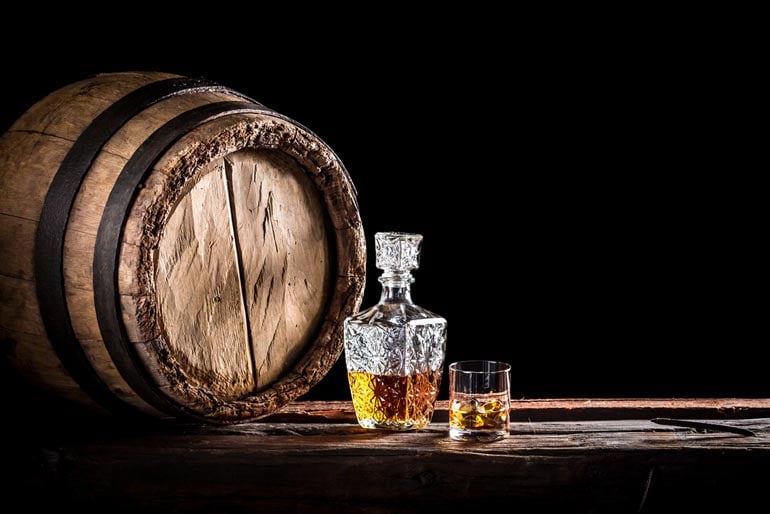
Oak-made, barrel-aged whiskey is a beloved alcoholic beverage because of its peculiar, delicate fragrances. But did you know that the way these traits manifest themselves is significantly influenced by age? Whiskey matures in oak barrels, absorbing the colors and scents of the wood to develop an unequaled diversity of flavors.
There is a reason whiskey has been matured in wood barrels for so long. Wood may absorb odors and smells from whiskey since it is permeable, creating a deep and scrumptious fragrance when the two are combined. The flavor profile of whiskey might vary depending on the type of wood used, the size of the barrel, the age of the barrel, and duration spent in the barrel. We can evaluate some of the best whiskeys aged in oak barrels and gain a better knowledge of the art and science of whiskey production by comprehending these elements. Raise a glass and explore the best whiskeys that have aged in oak barrels with us in this post!
What Makes Oak Barrels Ideal for Whiskey Aging?
Let’s discuss what makes oak barrels the favored technique of whiskey aging before we identify the best whiskeys to mature in oak casks. Because oak is a porous wood, the whiskey can interact with it and draw out its flavors and colors. Vanillin and tannins found in oak also add to the flavor and aroma of whiskey.
The flavor of the whiskey can also be impacted by the type of oak used for the barrel. For instance, European oak has more spice and tannic overtones whereas American oak is known for its sweet, vanilla tastes. Additionally, the profile of the whiskey may be impacted by the size and age of the barrel. There are many whiskey barrels for sale that can provide the requisite barrel-aging flavors and aromas from sources around the world.
Let’s look at the best whiskeys to mature in oak barrels now that we’ve established why they’re utilized for the process.
The Importance of Choosing the Right Oak Whiskey Barrel
Using “just any barrel” is insufficient when it comes to maturing whiskey in oak barrels. The whiskey’s flavor and scent can be influenced by the type of wood used, the barrel’s size and shape, and even the contents of the barrel preceding it. For instance, American oak is renowned for its sweet, vanilla fragrances, but European oak exhibits more spice and tannic qualities. Furthermore, the whiskey’s maturation process and the overall flavor profile of the completed product can be impacted by the size and age of the barrel. The right oak whiskey barrel must be chosen if you want the best flavor and aroma.
Why Slower-Grown Oak Is Preferred for Barrel-Aged Whiskey
The rate at which oak trees grow has a considerable influence on the quality of whiskey matured in oak barrels. Slower growth produces denser wood with tighter grain patterns, allowing for a more equal and gradual extraction of flavors and aromas from the wood. Faster-growing oak, on the other hand, generates wood with larger pores and looser grain patterns, which might result in a more vigorous extraction that may dominate the natural flavors of the whiskey. As a result, it is usually assumed that slower-growing wood is preferable for maturing whiskey in oak barrels.
The Importance of Heat
The process of heating is crucial in the creation of wooden whiskey barrels. Due to the structure of wood fibers, the staves are initially straight and must be bent using heat. Without heat, the staves cannot be shaped and formed into a barrel. The staves are often heated over an open flame or with steam; as they warm, they become more flexible and simple to shape. The barrel shape is created by placing the heated staves inside a metal hoop. Since heat forms the barrel and ultimately the flavor and aroma of the whiskey aged inside it, heat is crucial to the barrel-making process.
Role of Bourbon Casks
The oak casks used to age bourbon whiskey are known as bourbon casks. These barrels are made of American white wood and frequently have their interiors blackened. The smells and scents of the completed product might vary significantly depending on how much charring has occurred. Bourbon casks are burned for a brief period of time, frequently between 40 seconds and 1 minute, leaving an interior layer that is black and charred. By caramelizing the wood sugars and removing immaturity and sulfur compounds from the new spirit, charring the surface of the oak changes it. As the whiskey ages in the cask, it absorbs flavors and aromas from the burned wood, giving bourbon its distinctive flavor profile.
A Note on Sherry Barrels
The Scotch business frequently ages whiskey in sherry casks. European wood, which has a richer flavor than American oak, was used to make these casks. Rather than being burned, sherry casks are frequently toasted, producing a full-bodied whiskey with distinctive flavors and aromas.
Types of Whiskey and Their Ideal Oak Barrels for Aging
Oak barrels are essential in the manufacturing of whiskey – adding flavor, color and character to the finished product. Different types of whiskey require different types of oak barrels for aging, each with its own distinct characteristics. Let’s look at some of the most popular whiskeys and the oak barrels that are best for aging them.
Bourbon Whiskey
Bourbon whiskey is a type of American whiskey that is matured in fresh, charred oak barrels and is made from at least 51% maize. The charred interior of the barrel aids in impurity removal and adds smokey overtones to the whiskey’s character. Bourbon must also be aged for at least two years, though many distilleries age it for longer.
Maker’s Mark, Woodford Reserve and Wild Turkey are among the greatest bourbons to mature in oak barrels. These whiskeys feature a smooth, sweet flavor profile with vanilla, caramel and oak flavors.
Scotch Whisky
The base developing time for Scotch whiskey, a sort of whisky made in Scotland, is three years. Whiskey should be matured in shiny new barrels, although Scotch can be matured in barrels that have previously housed sherry or bourbon.
The absolute best Scotch whiskies to mature in oak barrels are Glenmorangie, Lagavulin and Talisker. These whiskies can taste anything from sweet and fruity to peaty and smokey, contingent upon the area and refinery.
Irish Whiskey
Irish whiskey is a specific variety of whiskey made in Ireland, and it needs to age for at least three years. Similar to Scotch, Irish whiskey is frequently aged in barrels that had held sherry or bourbon.
Among the best Irish whiskeys to age in oak barrels are Jameson, Bushmills and Tullamore Dew. These whiskies include undertones of oak, vanilla and honey that make them comfortable to drink.
Rye Whiskey
American whiskey with at least 51% rye is known as rye whiskey and is matured in new, charred oak barrels. Rye whiskey’s strong, peppery flavor makes it a favorite ingredient in cocktails.
The three best rye whiskeys for oak barrel aging are Sazerac, Bulleit and WhistlePig. Rich, delicate flavors with hints of wood, cinnamon and pepper characterize these whiskies.
Conclusion
Since the barrel that is chosen to age whiskey could affect the final product, it’s critical to select the correct kind. Everybody can find a whiskey they like, whether they want sweet, smoky or spicy flavors. The whiskies that have completed the optimum length of time-intensive aging and have the perfect balance of flavor and aroma are the best for oak barrel maturing.
While picking an oak barrel, consider the sort of oak, the size of the barrel and how much time the bourbon has been maturing. Every component has the ability to change the bourbon’s general flavor. A few refineries use a mix of oak barrels for development, including a first-fill barrel joined by a second-fill barrel, to expand the extravagance of the bourbon.


Comments 0
No Readers' Pick yet.