




Alternative Grain Beer and Black IPA
 Story by:
Chris Guest
Story by:
Chris Guest
Alternative Grain Beer
When one thinks about beer, a few simple descriptors immediately spring to mind: carbonated, alcoholic, crushable, etc. When one thinks about the ingredients found in beer, the same could probably be said: water, barley, hops and yeast. These four simple ingredients have led to thousands of years of beverage experimentation and they continue to be the baseline for the wonderful, avant-garde brews that pop up every day in the world of craft beer.
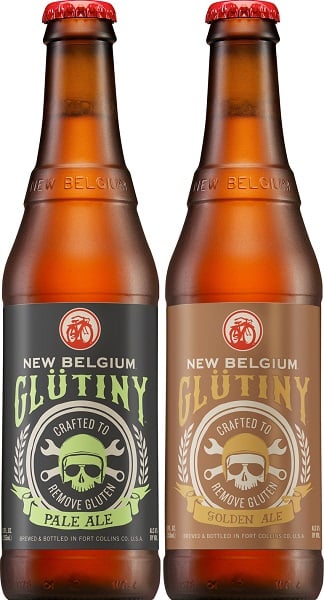
However, there is a growing cache of brewers that do not follow the ancient belief that to make a “capital-B” beer you have to use some combination of those ingredients. It also happens to be in-line with the general pushback against gluten in modern society.
As the son of someone who suffers from Celiac Disease (a disease that causes digestive problems and small intestine infections if gluten is digested), I know a thing or two about gluten-free products. While most people think of barley and wheat as essential ingredients in beer, Alternative Grain Beers buck this belief.
When one thinks about the ingredients found in beer, four simple ingredients spring to mind: water, barley, hops and yeast. However, there is a growing cache of brewers that do not follow the ancient belief that to make a “capital-B” beer you have to use some combination of those.
Alternative Grain Beer is a style in which additional or non-standard brewing grains are added or used exclusively in the making of the beer. A few of the grains that may be employed are corn, oats, buckwheat, spelt, millet, sorghum, rice and quinoa. As long as the beer contains one of these ingredients in some form, it’s an Alternative Grain Beer.
While the base style of the beer will greatly affect the qualities of the beer, a few common threads are found in all Alternative Grain Beers. Firstly, no matter what the base style is, some additional haziness may be present. The alternative grains will also provide almost all of the aroma of the beer, and they almost always evince an unidentifiable nutty or grainy character.
When it comes to flavor and body, different grains have different effects on the finished product. Gluten-free grains will almost always decrease the body of a beer, making for a lighter mouthfeel; however, they often create additional creaminess in the mouth, making up for the beer’s lack of body. Additional alternative grains should never overpower the base beer style’s flavor hallmarks and should always enhance the overall flavor and drinking experience.
While many people think that gluten intolerance and gluten allergies are just a myth cooked up by sensationalist media monoliths, I can tell you from personal experience that Celiac Disease is indeed very real, and it makes eating bread or drinking beer a deadly gamble. It’s nice to be able to find tasty craft beers that cater to this ever-growing audience yet still find ways to push the envelope with interesting flavors and ingredients. Also, even if you don’t have a gluten allergy, give an Alternative Grain Beer a try. The lighter mouthfeel and lower calorie count might make you an Alt-Grain believer.
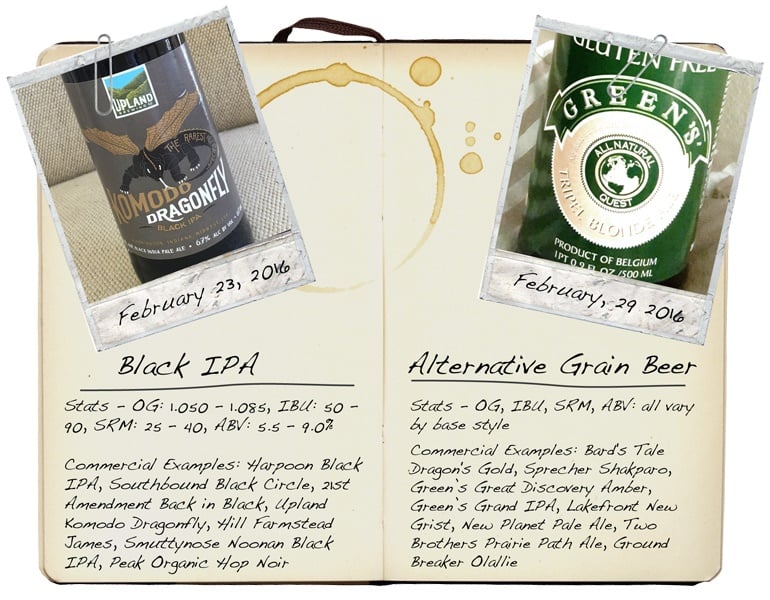
STATS:
OG, IBU, SRM, ABV: all vary by base style
Commercial Examples: Bards Tale Dragon’s Gold, Sprecher Shakparo, Green’s Great Discovery Amber, Green’s Grand IPA, Lakefront New Grist, New Planet Pale Ale, Two Brothers Prairie Path Ale, Ground Breaker Olallie
Black IPA
It has been widely stated (including in this very publication) that this is the “day of the IPA.” Every brewery, brewpub and bar under the sun proffers an endless array of the hopped-up, orange-amber beverage du jour. While some are better than others, the general theme of IPAs reduces them to a string of adjectives describing their flavor: citrusy, resiny, dank, sticky, hoppy, etc.
The rise of popularity in IPAs has also given strength to rampant experimentalism. In this case, Specialty IPAs (Red, Belgian, White, etc.) have risen from the “normal” hoppy creations of breweries nationwide to gain a large foothold on the marketplace. One of the more popular and more interesting variants is Black IPA.
While the term Cascadian Dark Ale is also used to refer to Black IPAs, this term originated on the West Coast, specifically in the Cascade mountain range that extends from Washington to California. The first commercially available Black IPA is credited to Stone Brewing Co. and the release of its 11th anniversary beer, Sublimely Self-Righteous Ale. Stone’s Black IPA was the first beer widely produced in the style, but the brewery later admitted that it was inspired by earlier East Coast creations; notably, Shaun Hill’s (of Hill Farmstead Brewery) first foray into Black IPAs, which was in turn inspired by Greg Noonan’s 1990 creation (of Vermont Pub and Brewery), Blackwatch IPA.
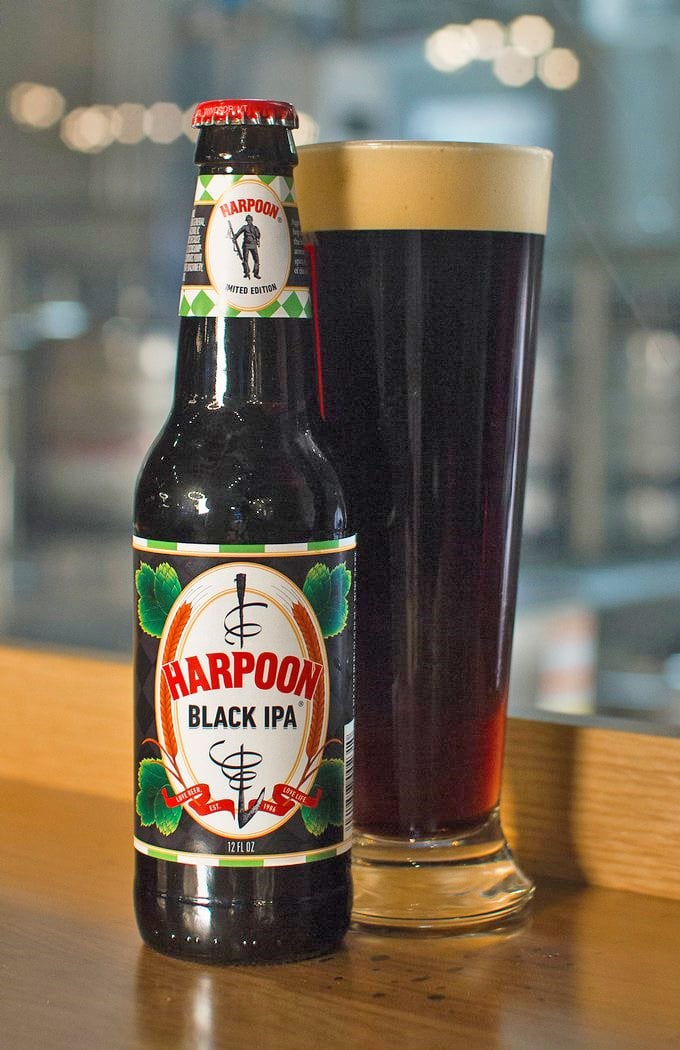
Despite the muddled history of its origins, Black IPAs have a fairly standard set of ingredients. Created mostly as a middle ground between stouts and IPAs, Black IPAs should have the hop-forward qualities of the best IPAs while retaining the deep, dark brown and black colors that make stouts so enticing and mysterious. This coloration is Black IPA’s calling card and is attained through the use of roasted malts, which not only provide the color for the beer, but also serve as a foil to the style’s inherent hoppiness.
While the term Cascadian Dark Ale is also used to refer to Black IPAs, this term originated on the West Coast, specifically in the Cascade mountain range that extends from Washington to California.
It would be easy to overroast the malts during brewing, but the hallmark of a Black IPA is the restrained roastiness of the malts coupled with the ample hop profile. An analogous style is Schwarzbier, though this German classic doesn’t feature the same hop level that a Black IPA will uniformly have.
In terms of flavor, the usual tropes of IPA are prevalent, including citrusy, tropical, piney and resinous aspects combined with high bitterness, which are partially contributed to by the use of dark malts. Clean, low-intensity toffee and caramel malt characteristics highlight the de-bittered malt base, which should never be smoky or ashy and should never clash or overpower the hop highlights.
It should be noted that the ABV range for Black IPAs is vast, especially for the IPA style, ranging from 5.5 percent (the upper end of session-strength) to 9 percent (Double IPA territory). Black IPAs serve as an excellent standalone crusher, especially on the upper level of ABVs, but they also make for an excellent accompaniment to spicy barbecue ribs, fish tacos and sharp, flavorful cheeses.
STATS:
OG: 1.050 – 1.085
IBU: 50 – 90
SRM: 25 – 40
ABV: 5.5 – 9.0%
Commercial Examples: Harpoon Black IPA, Southbound Black Circle, 21st Amendment Back in Black, Upland Komodo Dragonfly, Hill Farmstead James, Smuttynose Noonan Black IPA, Peak Organic Hop Noir
Photos Courtesy of New Belgium and Harpoon.
Conversations (0)
No comments yet.

Share or leave a comment