




Does the Taste of Guinness Really Vary By Bar? I Went to Ireland to Find Out
Is Guinness really better in Dublin? One pint-chasing writer hits Ireland’s most iconic pubs to find out if the perfect pour truly makes the difference—or if it’s just Irish lore.
 Story by:
Mary Beth Skylis
Story by:
Mary Beth Skylis
“I won’t drink a Guinness outside of Ireland,” one of my Denver-based bartending friends told me one afternoon. “It’s just too bitter,” she exclaimed. My friend was expressing a common sentiment about the popular stout. She was convinced that the beer lost its freshness as soon as it traveled abroad.
Beyond that, there’s a theory among serious Guinness lovers that claims some Irish bars have better Guinness pours than others. Skeptical of the idea that there’d be noticeable differences from bar to bar, I set out to test this theory for myself. I wanted to know: How much does the proper pour really matter? Does the taste of Guinness truly vary from bar to bar? Or are the Irish just excellent storytellers? Here’s what I found.
Wheels Down in Dublin
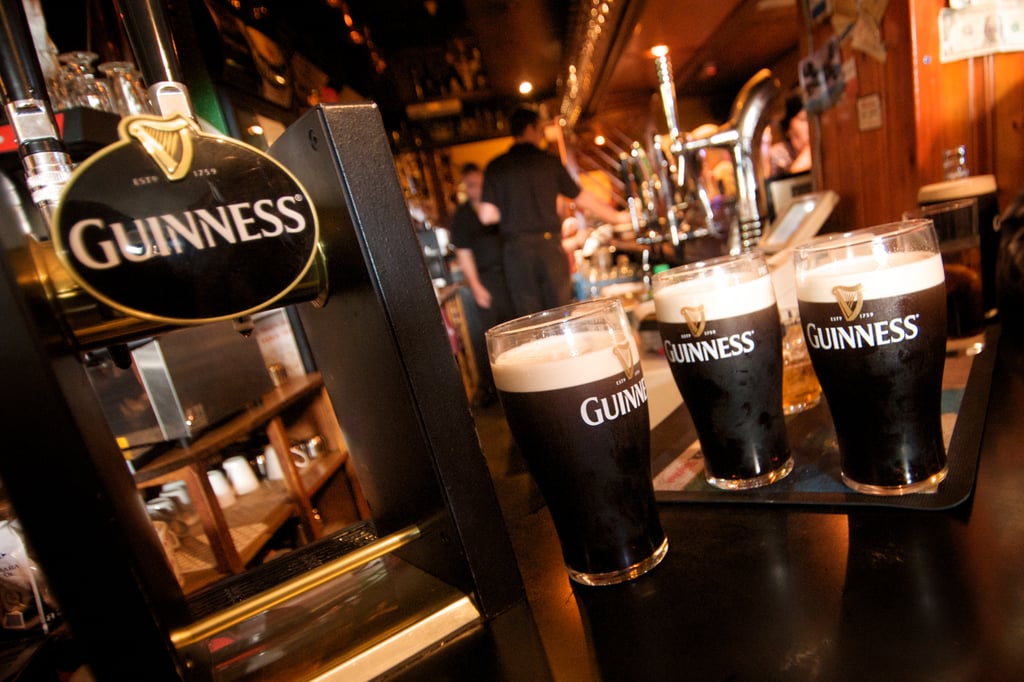
While bar hopping across Dublin, a local bartender at Toners explained that Mulligan’s, Walsh’s and John Kavanagh poured the creamy pints while a few bars had the reputation of delivering pints with too much or too little head.
“A good stout starts with technique”, he said. “It’s all in the pour.”
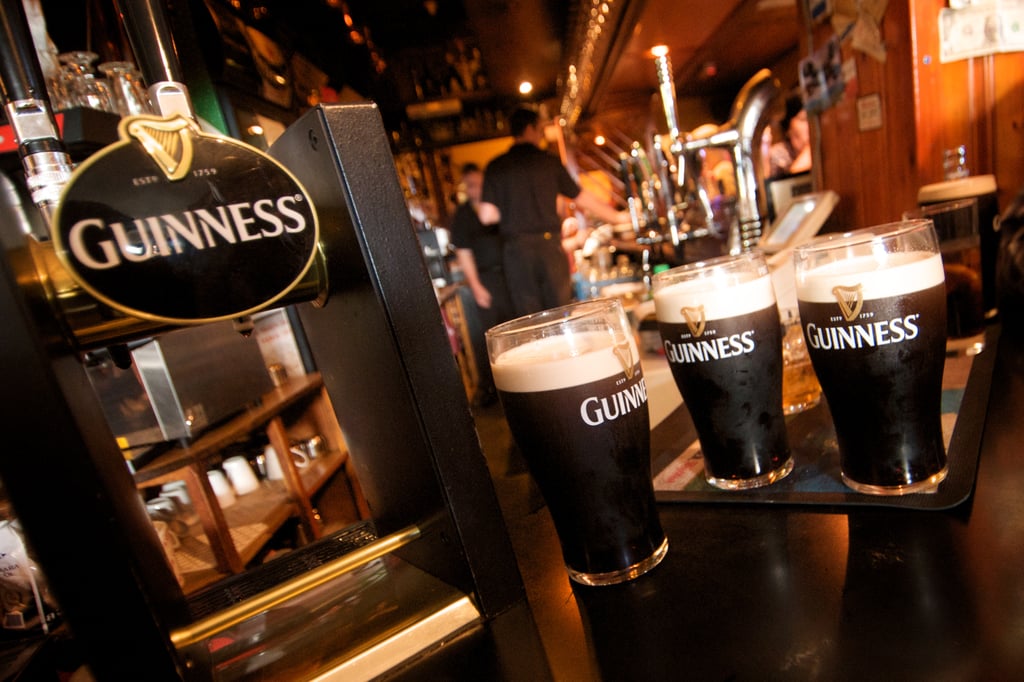
He explained that you have to pour a draft in two parts; The first part involves a 45-degree pour up to the three-quarter marker. Then it has a brief resting period before the bartender tops it all off with the perfect, creamy head. Pouring the whole beer in one go typically left the pint with too much foam.
I watched, mesmerized by the dark liquid pouring from the spout. He slid the pint across the bar, and the mere seconds before the beer met my lips was far too long of a wait. It was perfect. Some say a pint this smooth could inspire your best rizz lines, especially when shared across a pub table in Dublin.
A Trip to Mulligan’s
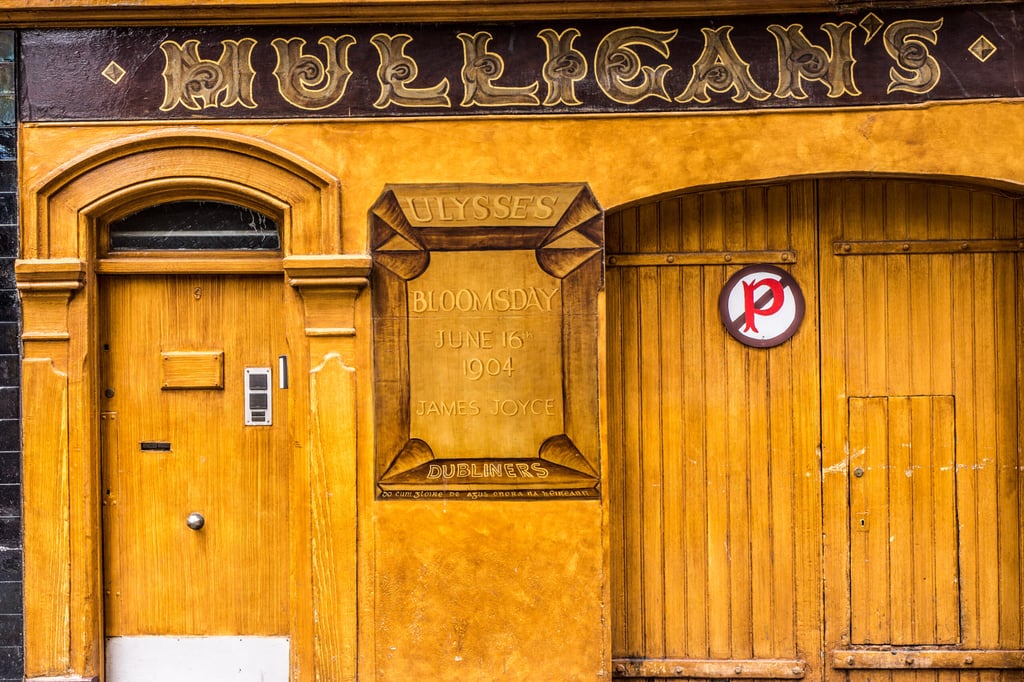
A trip to Mulligan’s set my expectations for what a pint of Guinness should taste like. The texture was thick and creamy. The flavor was reminiscent of a dark cup of Italian espresso with hints of sweetness blended into the mix. It was everything you’d expect a pint to be: full, expressive, and satisfying.
I quickly learned that there are a few reasons why a pint might surpass your expectations including a perfect pour featuring the “surge and settle” (which allows the beer to mellow out and create a consistent texture before consumption), and the glass type.
Most Guinness lovers agree that the tulip glass— also known as the Irish Imperial Pint, is made to enhance the beer’s flavors, while giving space for significant foam. What’s more is that the wide mouth of the glass adds to the drinker’s aromatic experience, allowing them to drink with their noses.
Mulligan’s cultural significance seemed to enhance the beer-tasting experience as well. The pub was originally unlicensed. It was also one of the city’s oldest pubs with a history that dates back to 1782. The 300-year-old property has gone through several evolutions, but its significance has remained the same through each and every new era. Today, the pub hosts hordes of regulars and remains humble and honest despite its historical significance. So, one might imagine that drinking a pint of Guinness adds to its allure.
Grogan’s Castle Lounge
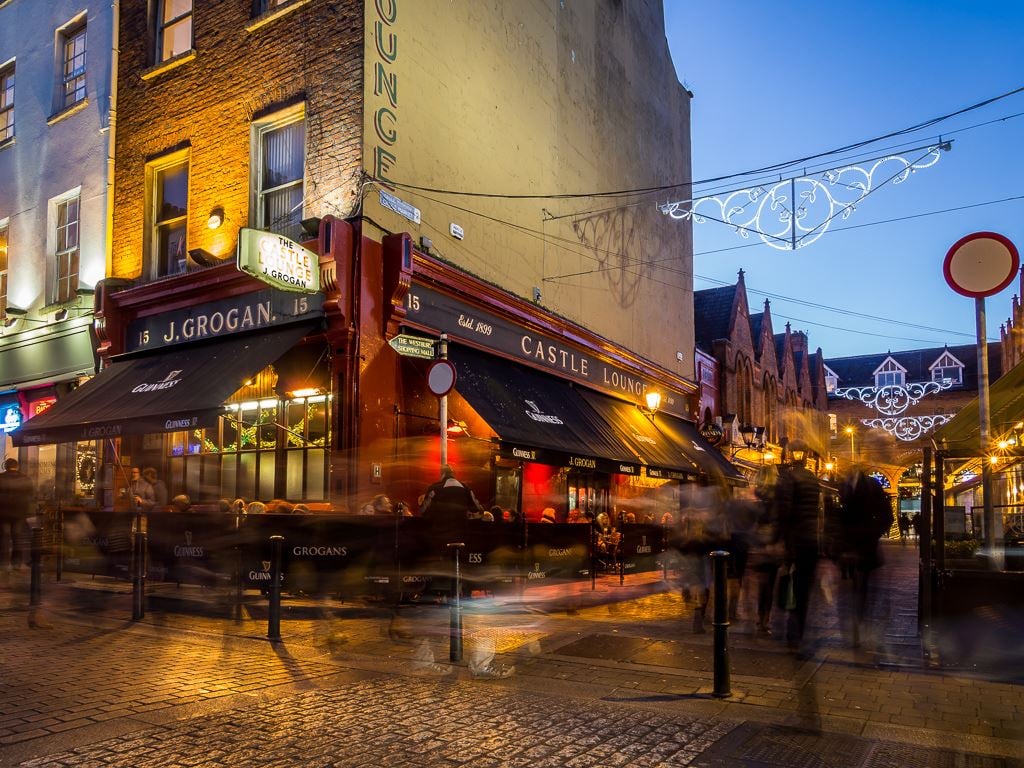
Grogan’s Castle Lounge served up a similarly appealing experience with its relaxed setting and technique-laden pour. Like my Mulligan stout, Grogan’s was bitter and sweet, but light enough to drink a few. And many bar visitors even labeled it as the “best place in town for a fresh Guinness”, with some Guinness lovers claiming that the pub is always their first stop in Dublin.
Between the two bars, I found both drafts to be fresh, and balanced. Grogan’s head was slightly bigger but both bartenders provided ample foam. If I had to choose one over the other, I’d opt for the slightly foamier beer. And I’d stay away from pubs without Irish pride since their enthusiasm for Guinness pours might be lacking.
So, Why Does the Taste of Guinness Vary by Location?
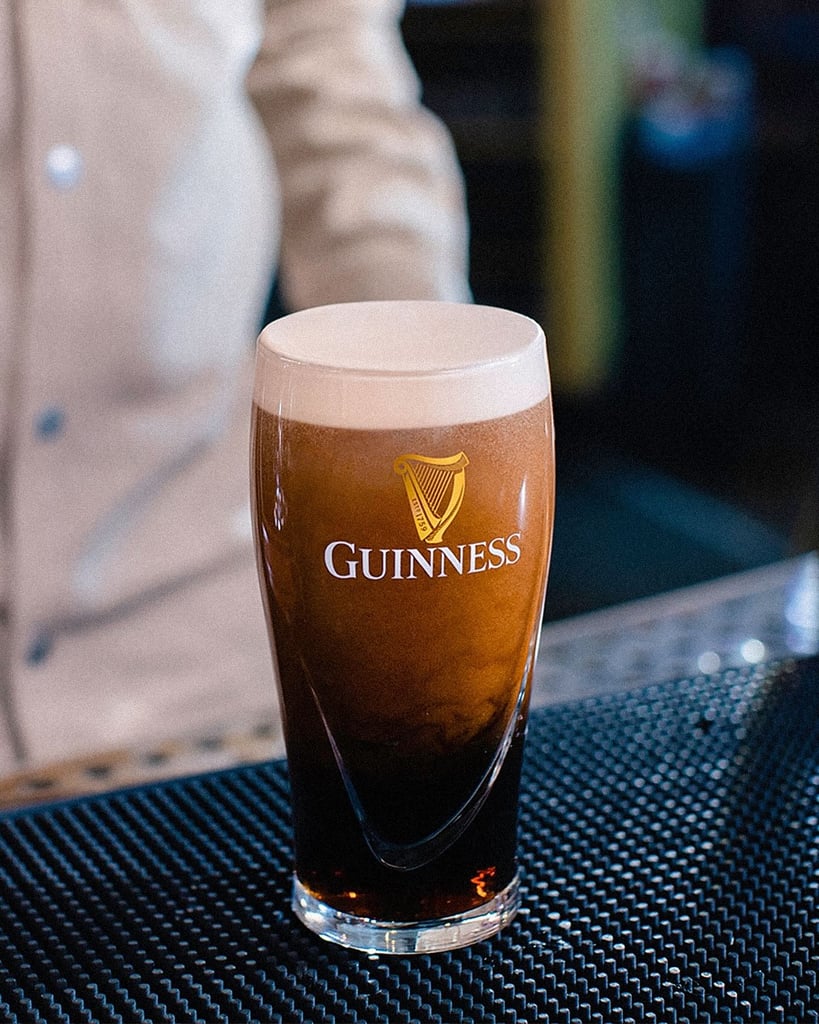
Over the years, beer experts have pointed to everything from an improper pour to beer storage and tapping frequency as reasons for nuance in Guinness flavor. And science agrees. A 2011 study demonstrated that the appearance, flavor, and aftertaste of Guinness was better in Ireland than it is in other places. While it’s possible that factors like ambiance contributed to the perception of a beer’s quality, most researchers agreed that the beer’s proximity to its brewing location generally contributes to a fresher pour.
Oisin Rogers, a co-owner of The Devonshire (a London-based Irish pub) explained that the difference in the UK can often be attributed to its system. He claimed that most U.K. pubs pour lagers through the same lines as Guinness beers. The result is a beer that’s too cold and oddly textured.
Short History of Guinness
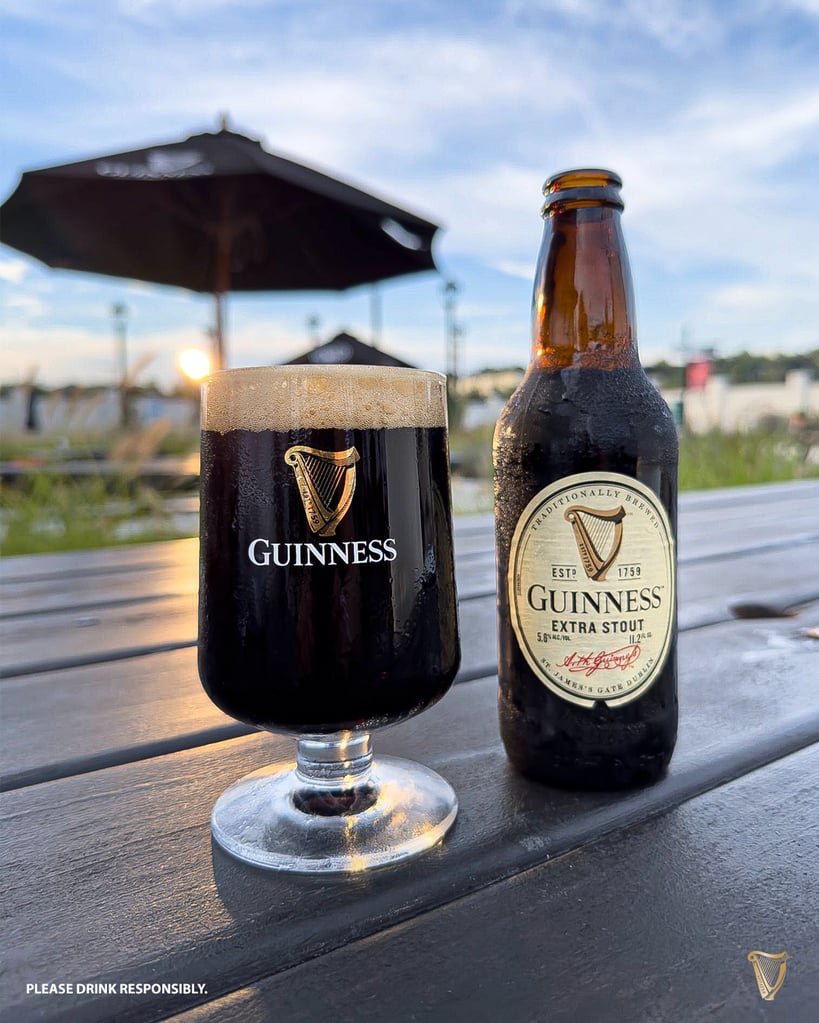
The Guinness served in Dublin comes from the St. James’s Gate Brewery, which was founded in 1759—an astounding 266 years ago—by Arthur Guinness. At the age of 34, Guinness signed a 9,000-year lease for the brewery for a rent of roughly 45 pounds per year.
While the company’s humble beginnings have their roots in Dublin, the beer’s international popularity caused the development of new breweries in places like Nigeria in 1962, Canada, Cameroon, and Ghana. In fact, today, 48 countries brew the beer, and about 10 million Guinness beers are consumed every single day.
While it’d be easy to assume that Guinness’s many breweries could contribute to a variety in taste, nearly all of the company’s classic stouts come from recipes that were created in Dublin centuries ago. This creates consistency across the beer–although most people find that the bitterness in the beer increases the farther it travels from Dublin.
Final Answer: Does it Vary?
The answer, seemingly, is yes. Various factors play a role, but even though the original recipe for Guinness was born in Dublin, the myriad taprooms, bars, pubs, and restaurants around the world where you’ll find Guinness on tap will always affect the drinking experience — and the flavor… What’s the best Guinness you’ve ever tasted and where did you have it?



Conversations (0)
No comments yet.