


What Role (if any) Did Hazy IPAs Play in the Current Craft Beer Downturn?
 Story by:
Owen Ogletree
Story by:
Owen Ogletree
Every craft beer drinker in America knows the vibe right now: craft beer’s in a slump. Profits are sinking, breweries are shuttering, and that old spark for malt and hops seems to be fizzling. How’d we get here, anyway?
Back in the ‘90s, there was already a hop-fueled gold rush—a craft beer bubble that burst almost as quickly as it appeared. But the next wave? That one was bigger, bolder, and a little unhinged. Suddenly, the beer nerds were everywhere: sipping bitter IPAs, swirling Belgian-style ales, chasing down imperial stouts so dark and boozy they could double as motor oil, and daring each other to try the latest sour beers. Brewers even competed to see who could pack the most hoppy international bitterness units (IBUs) into a single pint. It was a rebellion against the tyranny of bland lagers, and people were genuinely excited about beer again.
But tastes, like fashion, always shift. Around 2010, new beer crowd-pleasers took over: low-IBU hazy/juicy IPAs, sweet pastry stouts that tasted like someone dropped a donut in your glass, and one-dimensional kettle sours. Then came the pandemic, and everything went sideways. Breweries were scrambling; they were short on cash, short on staff, and watching ingredient prices spike. For some, survival meant chasing whatever trend looked hottest. As a result, originality often took a back seat.
Through all this chaos, hazy IPAs didn’t just stick around; instead, they became the main event. Walk into any taproom and odds are someone’s already asking: “What do you have that’s hazy?” But did the “haze craze” help steer craft beer into its current rut, or is it just along for the ride?
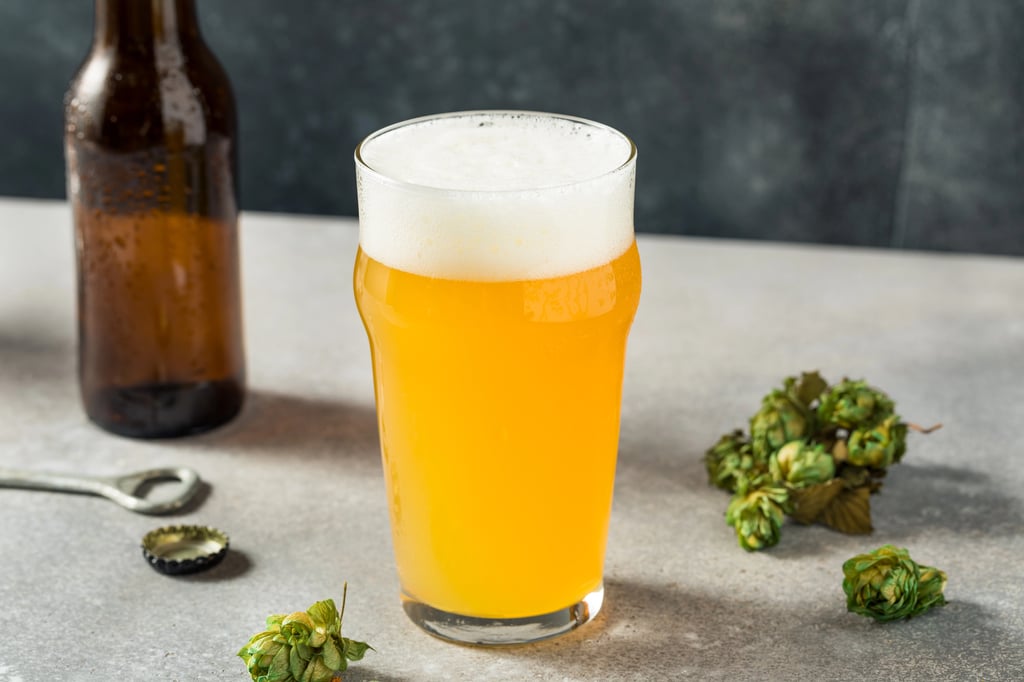
According to the Beer Judge Certification Program (BJCP), which added the Hazy IPA style in its most recent 2021 style guidelines, hazy/juicy IPAs are: “An American IPA with intense fruit flavors and aromas, a soft body, smooth mouthfeel, and often opaque with substantial haze. Less perceived bitterness than traditional IPAs, but always hop-forward.” That haze? It isn’t just for looks. It comes from a science experiment between dry-hop polyphenols and the proteins in generous heaps of oats and wheat. Flavorful hop polyphenols bind to suspended grain proteins in the beer, imparting an intense hop character. The result is a pillowy, creamy beer that looks like orange juice but tastes like tropical fruits. The BJCP goes on to note that appropriate haziness should not come from suspended yeast: “a hazy shine is desirable, not a cloudy, murky mess.”
Hazy IPAs are all about that plush mouthfeel, a blast of late-addition hop aroma, and a bitterness that barely whispers. Brewers hit them with hops late in the boil (or even during fermentation) to crank up the juicy flavor and keep the bitterness dialed way down.
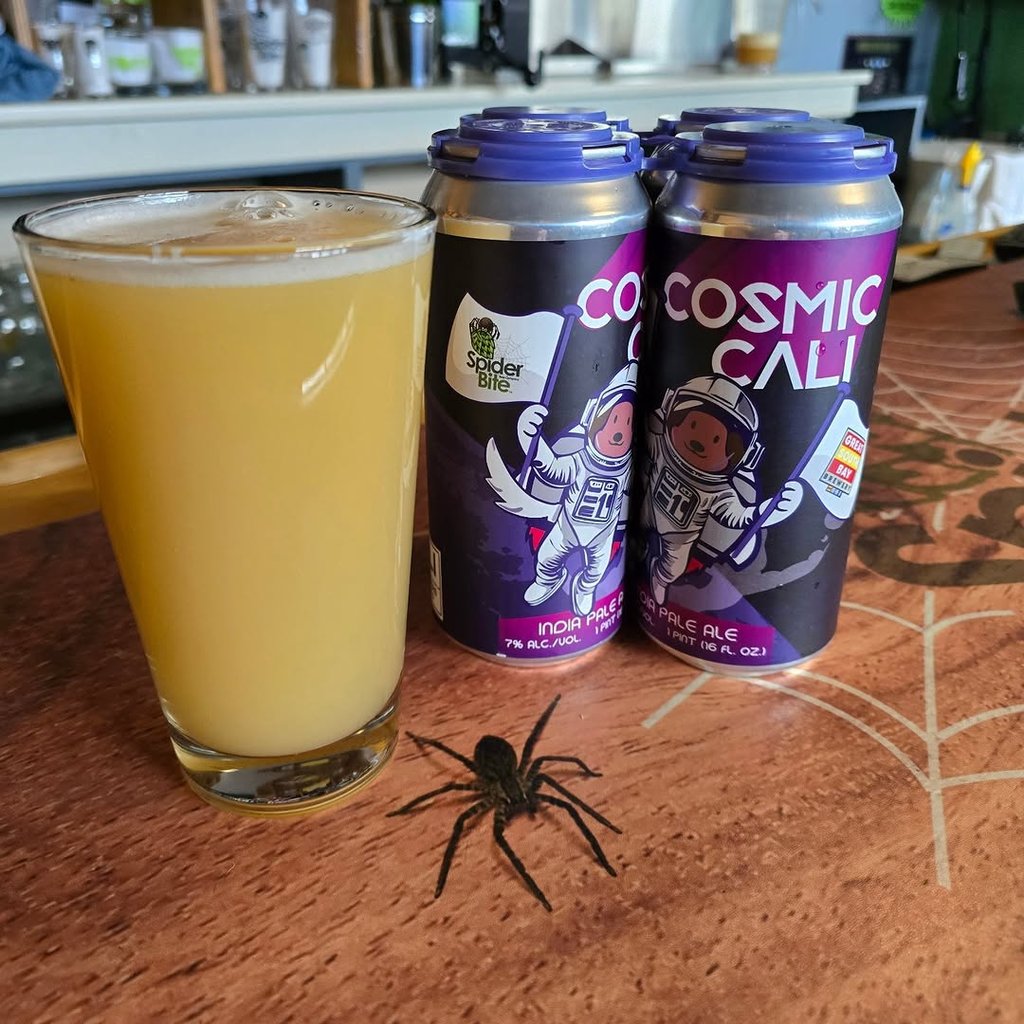
It’s no secret that hazy IPAs have helped lure in a new generation of beer fans. Even brewers who roll their eyes at the style admit that when they finally caved and brewed a hazy or two, the crowds showed up. Larry Goldstein, owner/brewmaster at Spider Bite Beer Co. in Holbrook, New York, spells it out: “I just don’t like to drink hazy IPAs, so we never really got into the haze craze at Spider Bite. We’ve only made a couple, although the last one we did was quite popular with patrons, won a gold medal, and Forbes even did an article on it.”
Of course, not everyone’s sold. The old guard—the drinkers who got hooked on craft in the ‘90s and early 2000s—can be pretty harsh about the haze takeover. To them, most hazies taste too sweet, too “starchy,” and way too similar. They gripe about pungent experimental hops that bring notes of cannabis, onions, garlic, earthy fruit, and even cat urine to the party. These beers are delicate, too—hazy IPAs don’t always handle shelf life well, often becoming stale and oxidized before their West Coast cousins.
Paste writer Jim Vorel isn’t shy about his opinion, either. He thinks the onslaught of aggressive New-World hops in hazy IPAs is burning people out—literally. He says, “NE-IPAs’ quest for ‘juicy’ has led us toward increasingly undrinkable beer, and ‘hop burn’ is the culprit.” This hop astringency can irritate the tongue and throat, leading to palate fatigue among drinkers and beer judges who try multiple hazy IPA versions in one sitting.
Canadian beer writer Stephen Beaumont points to another problem: sameness. “A new generation of beer drinkers became borderline obsessed with the haze,” he says. This led to a race by many, perhaps most, breweries to get on top of the trend, often rushing to market multiple interpretations of the styles collectively known as ‘hazies’ all at once, literally forcing beers of other styles off the taps and shelves.”
Back in the day, brewers made what they loved, then taught customers why these classic beer styles are special and worthy of attention. Mitch Steele, the IPA pioneer who’s brewed for Stone, New Realm, and now Abita, thinks hazy IPAs might have been instrumental in flipping the script. He explains, “What made craft beer successful in the early days was that it was brewer-driven, and innovation-driven, and I’m afraid we’re losing that.”
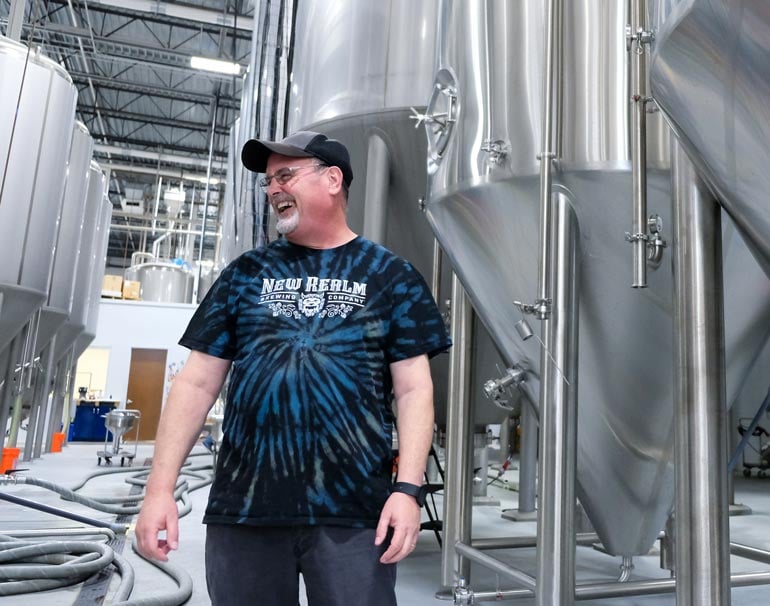
Many OG craft beer drinkers claim that their visits to brewery taprooms have declined in recent years because of the prevalence of hazy IPAs and a lack of classic styles. Others say that the hazy IPA style remains popular because it’s tasty and appealing, and trying a new hazy IPA is still an enjoyable experience.
The Alchemist Brewery in Vermont is largely credited with pioneering the hazy/New England IPA style with its iconic unfiltered double IPA, Heady Topper, released in 2003–2004. “Since the day we opened in 2003, our focus has been making the best unfiltered beer we can,” notes co-owner/brewmaster John Kimmich. “We popularized unfiltered/unpasteurized IPA in a package and spent years educating people on the hazy appearance of an unfiltered beer. We feel that the current slowdown in craft beer has nothing to do with the proliferation of hazy IPA and everything to do with the overabundance of poorly made beer on the market. In the mad rush to outdo one another and make crazier and crazier beers, most breweries have lost sight of what matters most – malt, hops, water and yeast. We continue to do what we have always done, and we continue to thrive. Never any bullshit or gimmicks, just delicious fresh beer.”
Todd DiMatteo, co-owner/brewer at Good Word Brewing & Public House in Georgia, does not see hazy IPAs as a “lazy” style or as requiring minimal thought or skill. “In fact, I believe it’s quite the opposite,” he says. “And the folks I know doing them on a world-class level take them very seriously.”
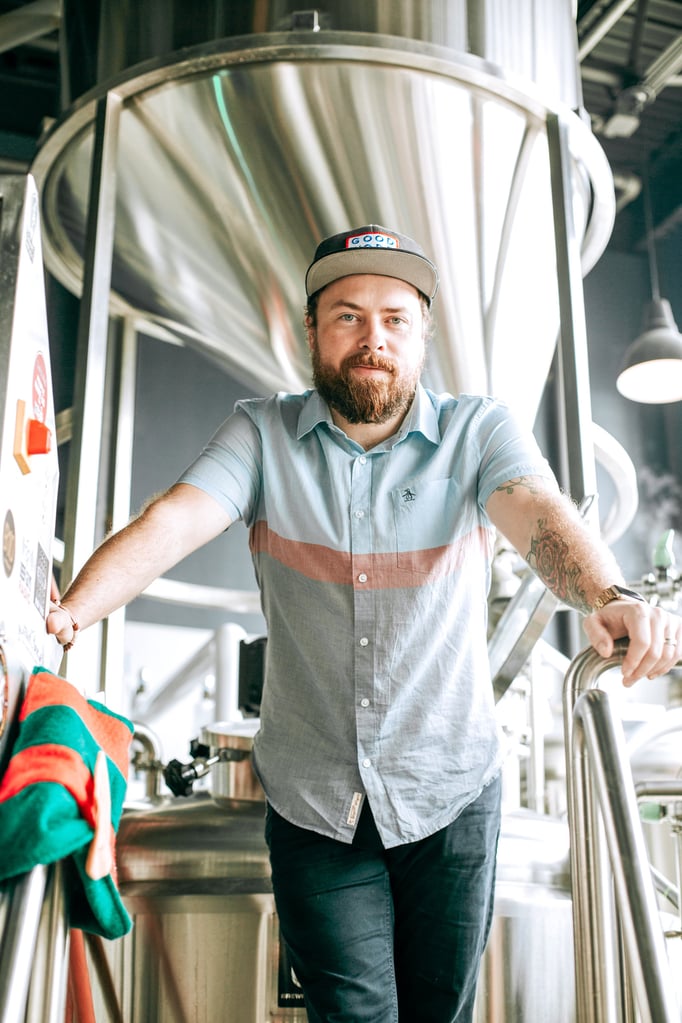
DiMatteo does believe that hazy IPAs, along with fruited sours and big stouts (especially those with spices), collectively contributed to the current homogeneity of craft beer. He notes that inexperienced Untappd users might have also played a role. “The app allows anyone to join and create ratings that impact breweries. Many retailers adopted the app for their digital beer signs and let it dictate which beers are ordered in the future. Hazy IPAs, fruited sours, and high-gravity adjunct stouts seemed to attract attention and get higher scores, and this encouraged other drinkers to focus mainly on these three styles.”
Some brewers think the obsession with hazy IPAs has eroded appreciation for the respectable bitterness of classic West Coast IPAs. Larry Goldstein at Spider Bite puts it like this: “Hazies seem to have made some consumers think an IPA should have less than 20 IBUs. It seems that when most of an industry dives deep into a trendy beer style, many new consumers won’t realize that craft comes in other styles and flavors. If drinkers don’t like hazies or get burned out on them, the danger is that they may move to mass-produced beers with low flavor or into new sectors like seltzers and THC drinks.”
But maybe there’s hope. Current sales data suggests that even the haze diehards are starting to branch out and try new styles. Todd DiMatteo thinks craft beer has some catching up to do. “We have to remember to meet the consumer where they are, where they begin,” he says. “Beer needs to be viewed as fun. I know each generation wants to buck the previous one and not follow in their parents’ footsteps, but I hope that beer doesn’t get too caught up in this. Education is part of the key that unlocks the door for new drinkers to experience styles beyond hazy IPA. I also think that breweries need to embrace everyone curious about craft beer. Honestly, hazy IPA can be a gateway for new drinkers to enter our wonderful craft beer culture.”
A few years ago, judges at the World Beer Cup and Great American Beer Festival watched the hazy IPA category explode in popularity, racking up the most entries of any style. Love them, tolerate them, or curse them under your breath, hazy IPAs aren’t going anywhere, and neither is their impact on craft beer.
Images Courtesy of Respective Breweries


Comments 0
No Readers' Pick yet.