








Ancient Origins: Beer’s Mesopotamian Beginnings
Discover the rich history of beer's ancient origins in Mesopotamia. Explore the Sumerians' pioneering brewing techniques, beer's role in society, and its lasting legacy.
 Story by:
Editorial Dept.
Story by:
Editorial Dept.
The story of beer is a tale that spans millennia, a captivating journey through the pages of history and the annals of human civilization. From the earliest days of antiquity, beer has woven itself into the fabric of cultures around the world, offering a glimpse into the past that is as refreshing as the drink itself. Let us embark on a journey to uncover the ancient history of beer, with a spotlight on the pioneering Sumerians of Mesopotamia.
Sumerians: The Cradle of Brewing Civilization
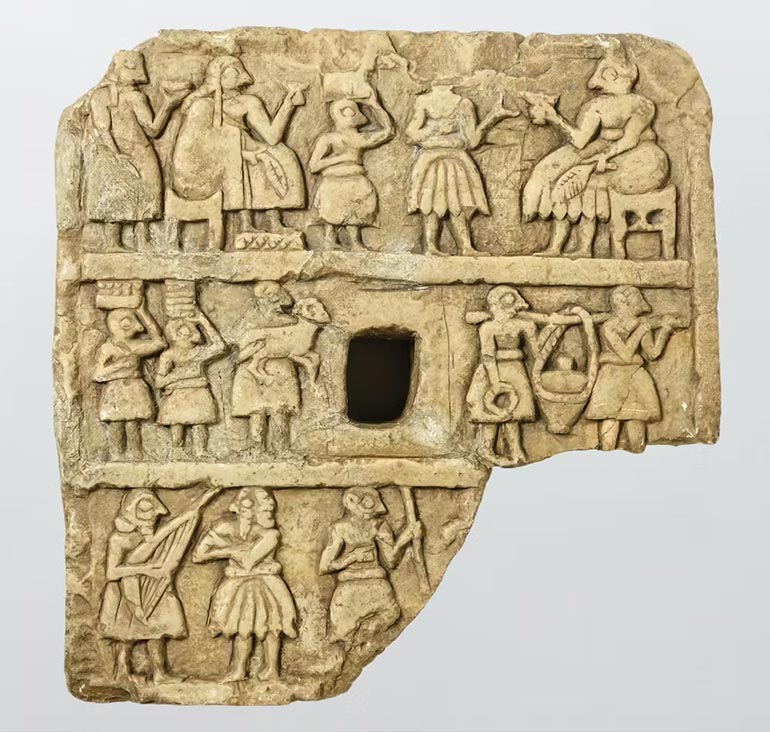
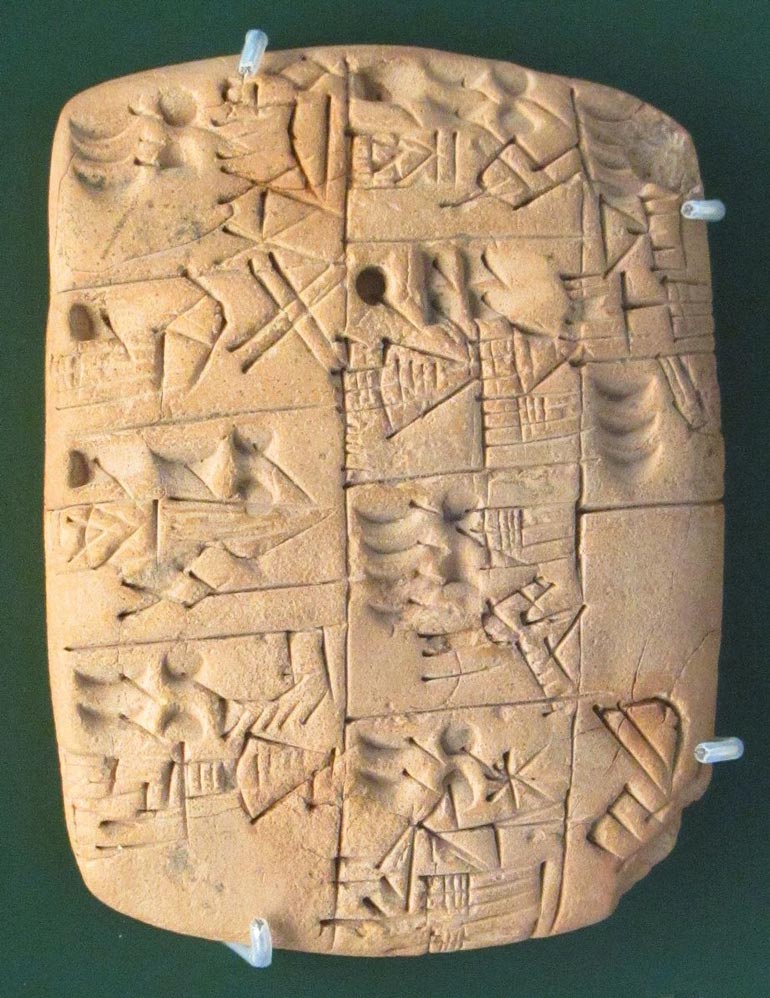
In the heart of Mesopotamia, around 4000 BC, the Sumerians crafted a liquid legacy that would endure through the ages. Their love affair with beer was recorded in cuneiform script, etching their devotion into clay tablets that survive to this day. These early brewers were meticulous in their craft, and their hymns to Ninkasi, the goddess of beer, served not only as spiritual homage but also as detailed brewing instructions for the beverage that came to be known as beer.
Beer as Currency and Daily Nourishment
The Sumerians understood the value of beer, both as a currency and a vital sustenance. Workers toiled under the sun with the promise of alcohol rations, a testament to its importance in their society. Believing it possessed medicinal properties, beer as an alcoholic beverage found a place on their daily menu, providing nourishment and hydration to the people of Mesopotamia.
Beer in Mesopotamian Society
Beer transcended the mundane in Mesopotamia, becoming an integral part of their culture. It was a libation offered to the gods, a medium for spiritual communion and a means to foster social bonds. Ancient beer houses, akin to modern-day pubs, served as sanctuaries where people would come together to relax, exchange ideas and revel in the joys of life, all while sipping on the nectar of the Sumerians.
Brewing Advancements and Legacy
The Sumerians were trailblazers in the world of brewing, and their innovations set the stage for a global beer phenomenon. As knowledge of brewing expanded, so did the variety and quality of beer. The Sumerians’ passion for beer laid the foundation for techniques that would spread far and wide, shaping the history of brewing and human culture.
Clay Tablets: Ancient Brewing Manuals
In a stroke of historical luck, the Sumerians left behind an ancient treasure trove – clay tablets containing invaluable records of their brewing techniques, beer ingredient lists and beer recipes. These tablets were, in essence, the world’s first brewing manuals. They meticulously documented measurements of ingredients, the intricacies of fermentation, and the pivotal role beer played in religious ceremonies and communal gatherings.
Photo Courtesy Large Norwegian Encyclopedia
Beer’s Role in Trade and Diplomacy
As Sumeria flourished, so did the trade of beer. It became a commodity that extended beyond their borders, reaching neighboring civilizations like the Akkadians and Elamites. Beer was not merely a local treasure; it served as a diplomatic gift, fostering relations and alliances between kingdoms.
Beer in Religious Rituals
Beer was deeply intertwined with Sumerian spirituality. It was offered in temples, and the act of brewing itself was seen as a sacred duty. The Sumerians believed that brewing brought them closer to the divine, and they used beer to honor their gods and goddesses.
The Sumerian Brewing Process
The Sumerians’ brewing process was surprisingly sophisticated for its time. They used barley, the primary grain, and fermented it with water. The resulting liquid was flavored with various ingredients, including herbs, spices and honey. The use of straw and clay pots for brewing vessels helped control temperature and fermentation, ensuring a consistent product.
Changing Techniques Through the Years
Of course, the Sumerian brewing method is not one that has stood the test of time. As we know it now, beer consists of hops, malt, yeast and water. Beer production and beer brewing are extremely scientific and heavily controlled. When hops grown in Bavaria, Germany, Belgium and elsewhere in northern Europe began to be included in beer recipes, new discoveries regarding the creation of beer began to change the way people viewed it and imbibed it.
Belgium and German Beer Innovations
Trappist monks in Belgium have long been the caretakers of beer production. During the middle ages, when society nearly collapsed at large, monks kept the beer brewing flame burning for future generations. Monasteries across northern Europe are home some of the finest beers with the most delicate tastes featuring simple ingredients, often times augmented by the inclusion of wheat or wild yeasts.
The lasting influence of monks on brewing can still be tasted today in the refined techniques and traditions that define classic Belgian and German beer styles.”
In Germany, the country’s beer purity law, called the Reinheitsgebot, (which dates back to the year 1516) limits the ingredients that can be included in beer. While this doesn’t allow for zany flavor experiments like American brewing provides, it does mean that Germans enjoy beers that are clean, smooth and of uniformly high quality.

Modern Takes on Ancient Brewing Traditions
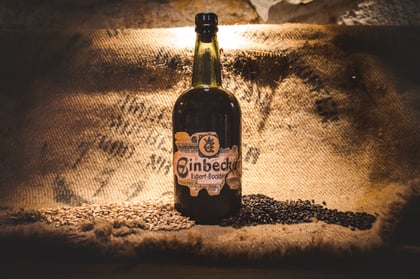
Great Lakes Brewing Co. in Cleveland, Ohio attempted to recreate the ancient Sumerians’ brewing methods with two limited-editions brews: Gilgamash and Enkibru (above). Gilgamash was a limited Pub Exclusive release and looks a bit more like modern offerings. Enkibru, on the other hand, was made using traditional Sumerian tools and equipment and looked much like the thick, milky substance that ancient Sumerians likely imbibed many thousands of years ago.
In the quest to craft the perfect ancient ale, Sam Calagione of Dogfish Head Craft Brewery embarked on a remarkable journey to Rome alongside molecular archaeologist Dr. Patrick McGovern. Together with the expertise of Birreria Brother Brewers Leo DeVencenzo from Birra del Borgo and Teo Musso of Baladin, they delved into an intriguing investigation. Their mission? Analyzing the ancient drinking vessels unearthed from 2,800-year-old Etruscan tombs. The fascinating revelation, albeit met with some initial hesitation from Italian historians, was crystal clear: the Etruscans had a penchant for ale. The result? A fascinating beer called Birra Etrusca Bronze, which was brewed with hazelnut flour, pomegranates, Italian chestnut honey, Delaware wildflower honey and clover honey.
Photo Courtesy Kathryn Grossman
The tale of beer’s ancient origins is a story of innovation, reverence and the enduring legacy of a simple yet extraordinary drink. The Sumerians of Mesopotamia, with their unwavering devotion to brewing, continue to be celebrated by beer enthusiasts around the world (as Ninkasi Brewing took their name from the Sumerian goddess of beer and brewing). As we raise our glasses to toast to this rich history, we honor the Sumerians and the remarkable journey of beer through time, from currency and nourishment to diplomacy and spirituality to modern-day breweries as hubs of commerce, communication and camaraderie.



Comments 0
No Readers' Pick yet.