


Craft Beer in Louisiana
 Story by:
Pat Evans
Story by:
Pat Evans
Louisiana is home to one of the world’s foremost party cities: New Orleans. It is also home to a thriving beer scene, but just how robust is craft beer in Louisiana?
Including the Big Easy, Louisiana is well-known across the globe for its food and culture, all of which would go well with some locally made beer. That a visitor, or even a local, might struggle to find a Louisiana-made beer at restaurants is a major disappointment to somebody like Cary Koch, the executive director of the Louisiana Brewers Guild.
“When you think of Louisiana, wherever you are from in the world, you are assuming that we are full of local flavors,” Koch said. “We’re the festival capital of the world. We pride ourselves on art, music and food – they’re our culture.
“You expect that same exact push on the beer side, and it is totally out of balance. It’s totally backwards. We put so much pride in those things, yet the beer is so far behind. You might not even get a local beer on the menu! That is the challenge before us.”
It is an odd situation. Along with the vibrant culture, the state regularly ranks in the top 10 in U.S. beer consumption. That’s good news, because Koch knows the breweries in-state are making good beer, perhaps at a higher rate than other states. However, there is a small issue: A severe lack of breweries. Louisiana has the lowest number of breweries per capita in the U.S.
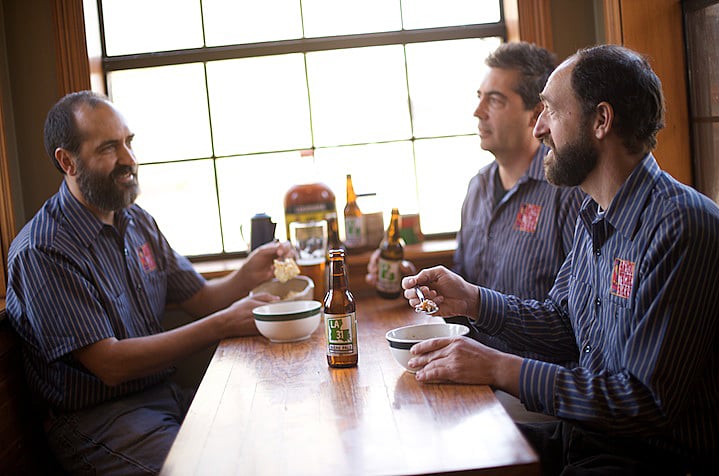
“[Beer] has caught on, but unfortunately we have some really backwards laws that hinder some of the future growth,” said Karlos Knott, founder of Bayou Teche Brewing Co. “It’s been an uphill fight, the second-worst state in the nation for laws. It’s a strict three-tier system, it really hinders the ability for a successful industry.”
As Karlos Knott, the founder of Bayou Teche Brewing, says, the Louisiana brewing laws are about as restrictive as they come. Bayou Teche opened in 2009, and Knott is also the president of the Louisiana Brewers Guild.
“[Beer] has caught on, but unfortunately we have some really backwards laws that hinder some of the future growth,” Knott said. “It’s been an uphill fight, the second-worst state in the nation for laws. It’s a strict three-tier system, it really hinders the ability for a successful industry.”
Breweries fall into two categories in Louisiana. Some are production breweries, which can send out beer into the marketplace and only within the last decade can open taprooms. Others are brewpubs, which can serve food and other beer and spirits, but can’t send their brews into the wild.
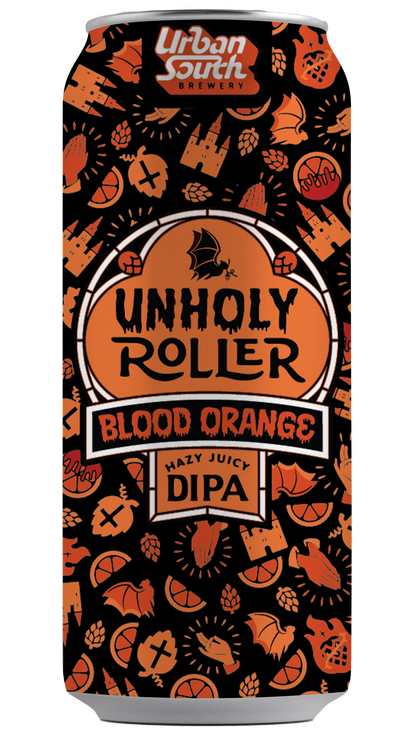
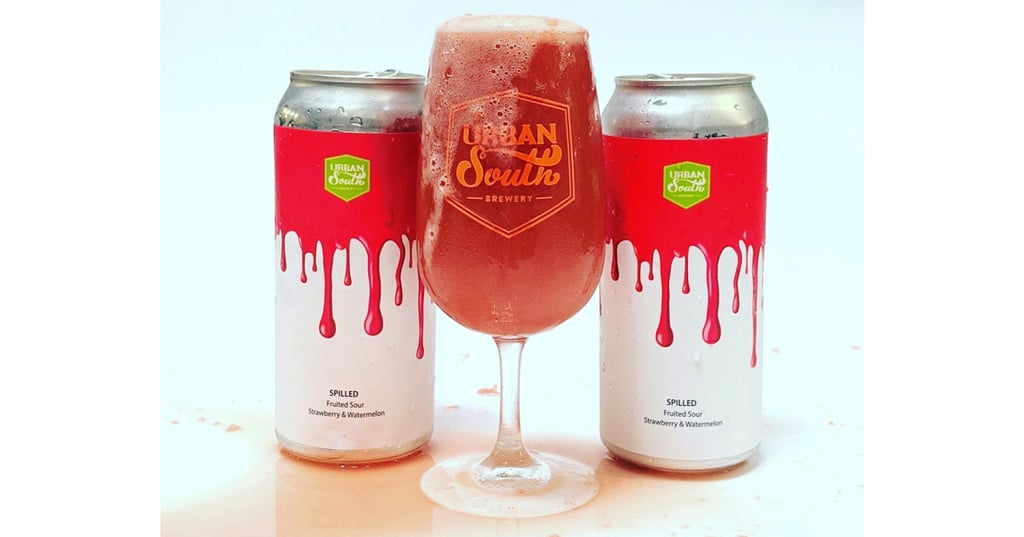
While the culture of Louisiana is enough to inspire any up-and-coming brewer, others look beyond their location. Gnarly Barley Brewing Co., for instance, embrace their love of skateboarding. Much of the brewery’s art and culture revolve around its founders’ love of skateboarding, and you can even buy a skateboard deck in the company’s shop festooned with the creature found on cans of Jucifer IPA. Urban South Brewery, which just opened an impressive sister location in Houston, Texas has been on the forefront of popular styles such as pastry stouts, fruit smoothie sours and hazy IPAs in recent years.
A production brewery is how Andrew Godley started Broussard, Louisiana’s Parish Brewing Co. in 2009, selling his first beer in 2010. That beer, a wheat beer called Canebrake, is made with sugar cane syrup to cut down on costs to land on the shelf at a reasonable price for consumers.
Parish is one of the state’s most influential breweries, and one of the first craft breweries to open in Louisiana, a brewing scene that at the time was largely based on Abita Brewing Co., an industry stalwart that opened in 1986 — but was left on its own for years. Since Parish opened its doors, however, dozens more have come online. Many take the culture of Louisiana and build it into the brewery.
After a few years of riding the success of Canebrake, still Parish’s top seller, Godley said the steady sales started to allow for innovation, which led to some of the most-hyped beers in the South.
“15 – 20 years ago, everybody was intrigued by Strawberry Lager by Abita, so we dropped a Strawberry Canebrake and people were following the truck to the stores,” Godley said. “When we made Ghost in the Machine in 2013, it was kind of hazy, and that was the beer that has put us on the map nationwide and globally.”
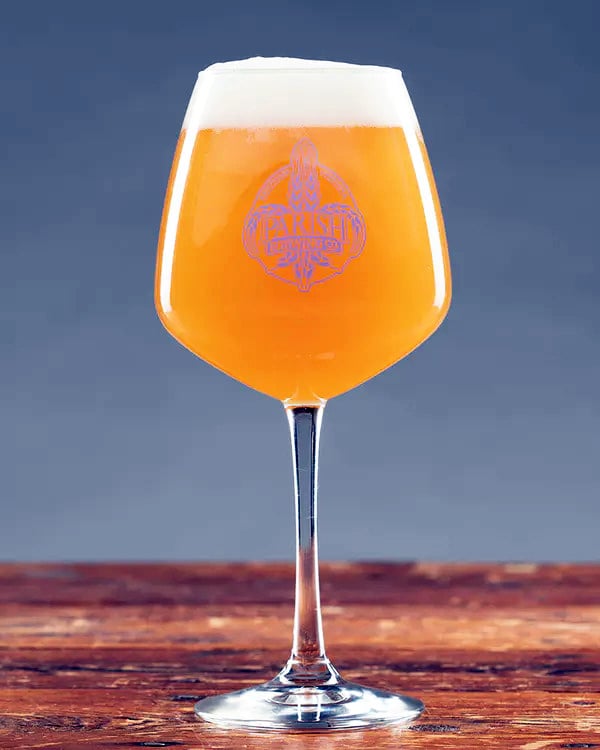
Ghost In the Machine, a hazy IPA, is the beer that put Parish Brewing Co. on the map among craft beer cognoscenti.
Godley said he still ships out 90% of his beer through distributors, calling them a key piece to his business. But the ultra-hyped releases out of the taproom are a model that has caught on quickly in the state and beyond.
“With the internet, people are just learning so quickly,” he said. “People can go from not knowing anything to looking things up on the Internet and, boom, they’re an expert. They can start trading, learning, finding new products and what brewery is doing what. And we as a brewery can see what’s innovative in a global sense. We don’t want to fit in just as being one of the best local breweries, we want to be one of the best breweries on a larger scale.”
While the local market share of the Louisiana beer market continues to hover below 5%, the beer culture is quickly evolving to be just as astute as other beer-loving states, Godley said.
The swift growth in the state is how Lynette Shoaf and her husband, Tim, found themselves owning a brewery “purely by accident.” About five or six years ago, The Shoafs started really getting into beer and eventually became regulars at Low Road Brewing in Hammond, Louisiana.
Then, the previous owner of Low Road started looking toward retirement, trying to talk the Shoafs into ownership of the small brewpub with a three-barrel brewing system.
“We wanted to open a meadery, but once we started looking at the numbers, it made sense,” Lynette Shoaf, one of the only female brewers in the state, said of the situation.
After taking over last year, the Shoafs are in the midst of working to expand the brewpub and make it a manufacturing brewery to get more beer out in the world. One change Shoaf would like to see? Self-distribution.
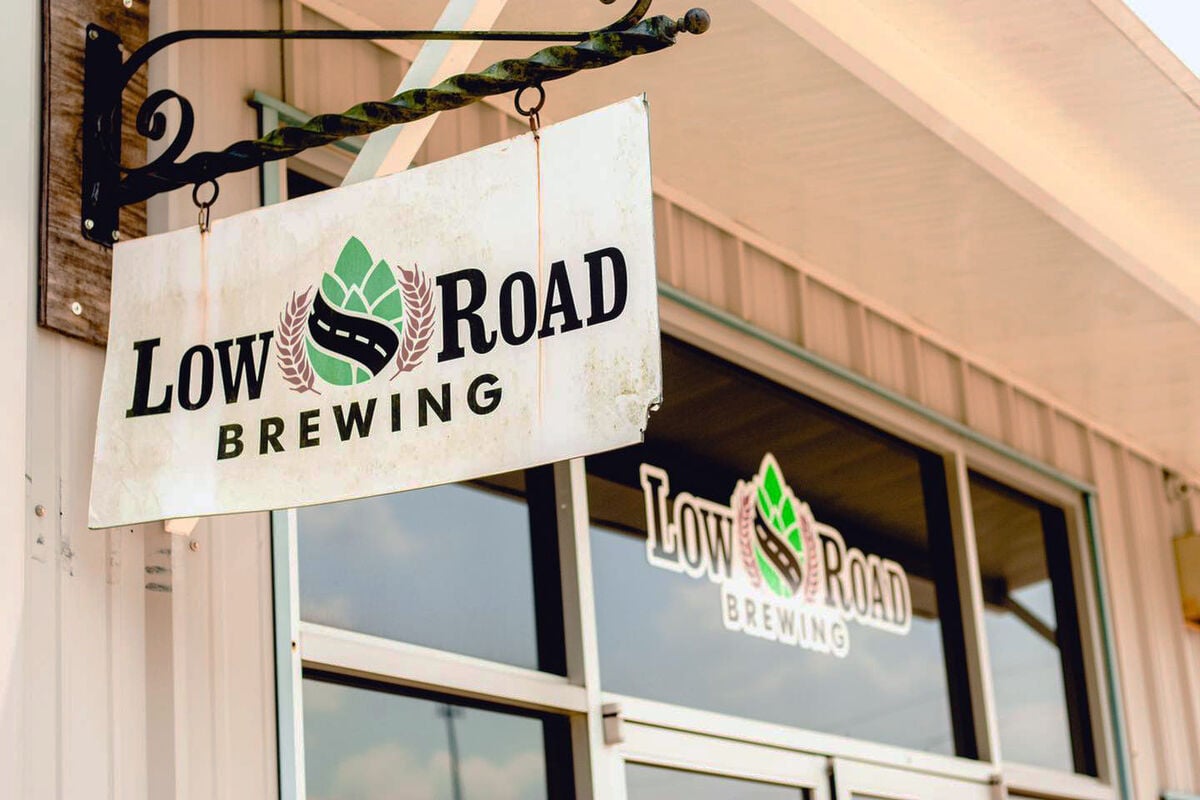
After taking over last year, Lynette and Tim Shoaf are in the midst of working to expand Low Road Brewing to make it a manufacturing brewery in order to get more beer out in the world.
“If small breweries like ours could self-distribute, it would make a huge difference,” she said. “We have a small, craft-only distributor, and they don’t have these big minimum requirements and that’s the only reason we can survive, otherwise we’d be shut out because of our size.”
As the Louisiana beer industry continues to forge its path forward, Koch said the Craft Brewers Guild is working to change the laws for a more friendly brewery business environment. He says the state is about 10 years behind the leading states for beer.
The change starts with a study by the Louisiana legislature on industry practices. Even a simple change like allowing breweries to sell at many of the state’s festivals or ship directly to consumers — as Louisiana wineries can — could mean a world of difference for the businesses. The legislators will look at the regulations in their own state, then look at other states to see where they can do better.
Then, Koch’s eyes turn toward the relationship with distributors, who put much of their focus on the multinational beer makers.
“We are pro modernization of the entire beer delivery system,” he said. “We’d like to be on the same page with [the distributors]. What they did 30 years ago is not best for today’s breweries, it’s just not. I don’t think we’re so far apart on the understanding of the new business models, but their fear is a crack in the vase is the end of their business model as they started. With 4% market share, even if we did everything we wanted, the sky won’t fall.”

Comments 0
No Readers' Pick yet.