


Top Emerging Beer Styles for 2023
Every new year witnesses new beer styles rise and older ones fall by the wayside. Golden IPA, Italian Pilsner, Cocktail Beer and more are trending. Be sure to try these newly popular and interesting beer flavors!
 Story by:
Jim Dykstra
Story by:
Jim Dykstra
Word among industry players and Average Joes alike is that 2023 is shaping up to be a make-or-break year for the world of beer. Prolonged economic struggle and a shifting consciousness is altering what and how people drink. This year may be the first in recent memory where beer choices are determined by what people don’t want, and what they can’t afford. Yet the beat goes on. Often, constraints lead to greater creativity, or at the very least, a sharpening or refinement of what is already available. It seems 2023, for beer drinkers, will be one of greater clarity. Let’s see what’s sparging the trub of interest for the coming year.
Italian Pilsner
Like Birra Moretti? Not quite. While there are plenty of popular pilsners from Italy, the “trendy” Italian pilsner has been around just a couple decades, with a few unique qualities. The official tale traces back to one man, Agostino Arioli.
The year was 1996. Arioli, founder of Como, Italy’s Birrificio Italiano, was attempting to craft a beer reminiscent of pilsners found in north Germany. He missed the mark, but landed on an intriguing variation, calling it Tipopils (type of pils). Tipopils was unfiltered and dry hopped in an English style, allowing its noble hop flavor to shine.
The beer soon caught the attention of Firestone Walker’s Matt Brynildson, who had come for the European Beer Star competition, inspiring him to come home and design the recipe for Pivo Pils, a Firestone Walker mainstay. To add a bit of flair, Brynildson incorporated Saphir hops, which inspired Arioli to do the same. This seemingly understated style seemed to light up any brewer who tried it, inspiring them to put their own spin on it. Now, you can find them popping up all over the U.S.
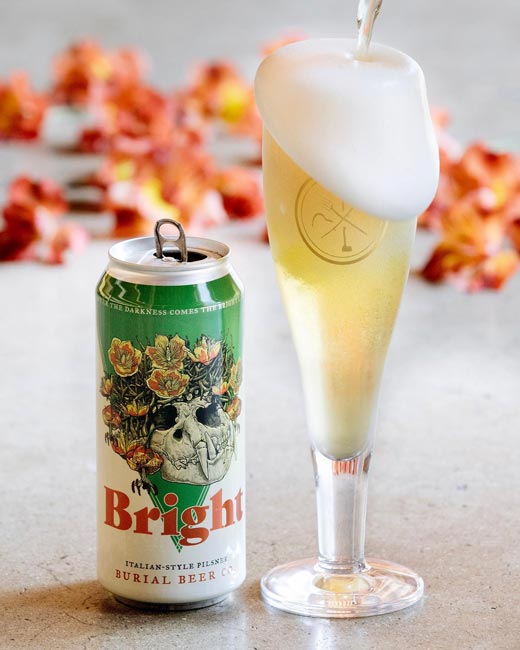
A typical Italian pilsner sits between 4 and 5% ABV, with a golden straw color and clean body. It is unfiltered and generally distinguished by its dry hopping. It holds a head nicely, highlighting spicy, herbal noble hop signatures but leaves room for notes of other hop characteristics, such as citrus. These flavors remain consistent throughout, and the finish is also pleasantly bitter and herbal – less fruity and sweet than your typical lager.
Note certain similarities between this style and Cold IPA, discussed elsewhere in this issue, which point to a theme: cleaner bases that help frame hop aroma and flavor with a gentle spotlight, rather than a controlled tastebud demolition.
Examples: Sfizio by Fort Point Beer Co., Luppulo by Oxbow Brewing Co., Aosta by Schilling Beer Co., Bright by Burial Beer Co.
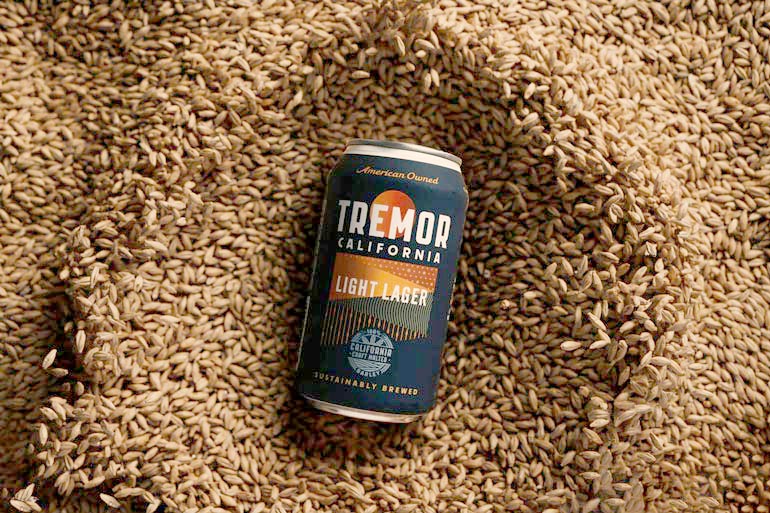
Light Lager
They’ve been around forever, but 2023 is the year light lagers get the same respect as IPA from drinkers and brewers. As mentioned elsewhere in the issue, Czech beer is seeing a resurgence. Your average beertender will be able to explain the differences between the two to three lagers they have on tap, pointing to sweetness and roundness in the body, or a lager’s hop character.
With respect comes attention, meaning the details of this style will be dialed in and tweaked. On the flip side, while some brewers will home in on the exacting standards of the style, others will begin to blur the lines of what constitutes a light lager. Rules are made to be broken. We can look to the evolution of IPA to forecast what the coming years hold: adjunct flavor additions, unfiltered haze and ingredients that alter the body of a brew. To this end, we can expect to see a rise in the usage of rice in beer.
Examples: Stick Shift Lager by Garage Brewing Co., Tremor California Light Lager by Seismic Brewing Co., American AF by Gnarly Barley Brewing Co., Swipe Light by Southern Tier Brewing Co.
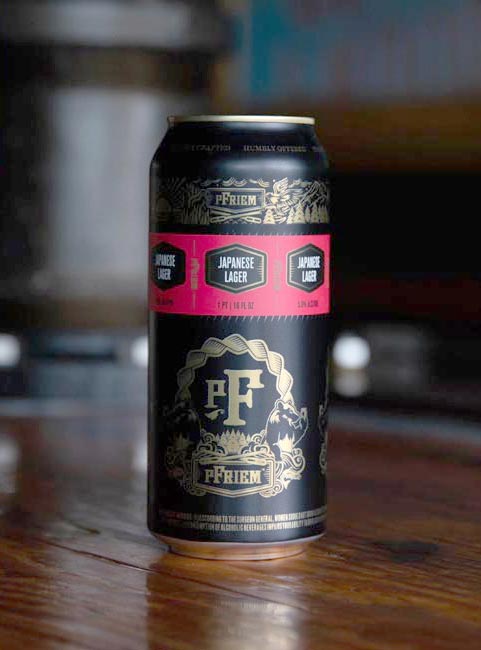
Rice Lager
Why rice? First, it’s affordable and readily available, two factors which are becoming more and more important to brewers. The varieties that are typically used to brew lend themselves to neutral flavor and aroma. When incorporated properly, it yields clean, smooth and light beer. Clean and light is in. Used on its own, rice also produces gluten-free beer, a big feather in the cap for the health-conscious drinker, to whom the thought of bread sometimes takes on a Satanic tinge.
The world’s most common food source is also already incredibly common in beer. If you’ve ever had Budweiser, Bud Light, Michelob Ultra, Corona, Sapporo, Kirin and Asahi, you’ve enjoyed rice in your beer.
Rice isn’t just a clean base. It can blend with and add flavor to beer. And good news for experimental brewers: there are over 120,000 varieties. Not all will be suited to brewing, but there is no doubt uncharted territory yet to be explored and genetically altered to suit our whims.
Craft brewers are quickly catching on.
Examples: Japanese Lager by pFriem Family Brewers, Earth Tone by The Brewing Projekt, Lime Snaps by Other Half Brewing, Jasmine Rice Lager by Jack Russell Brewery
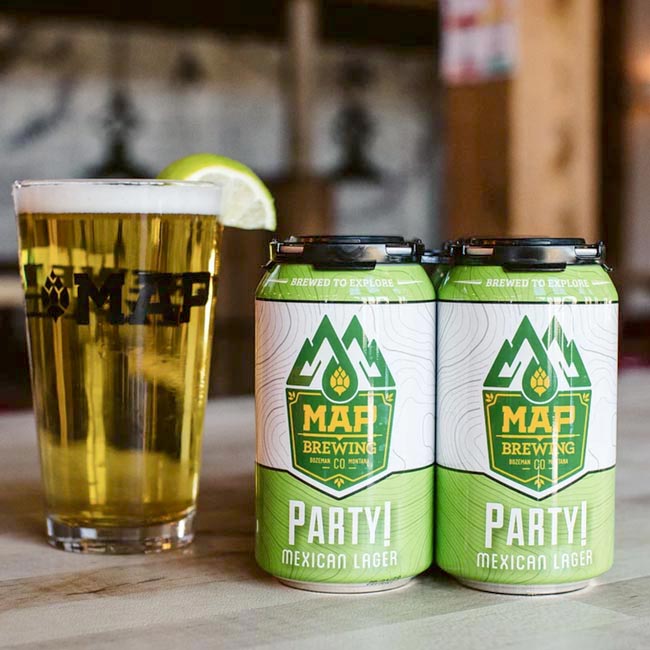
Mexican imports remain one of beer’s brightest stars, with Modelo inching ever closer to becoming America’s favorite brew. As lagers begin to assert their dominance, it only makes sense that craft brewers should get in on the stylistic fiesta. Universally enjoyed for its clean, refreshing profile, Mexican lager is both familiar and fun, opening up a rich avenue of culture to draw upon for naming, packaging, and ingredient corollaries.
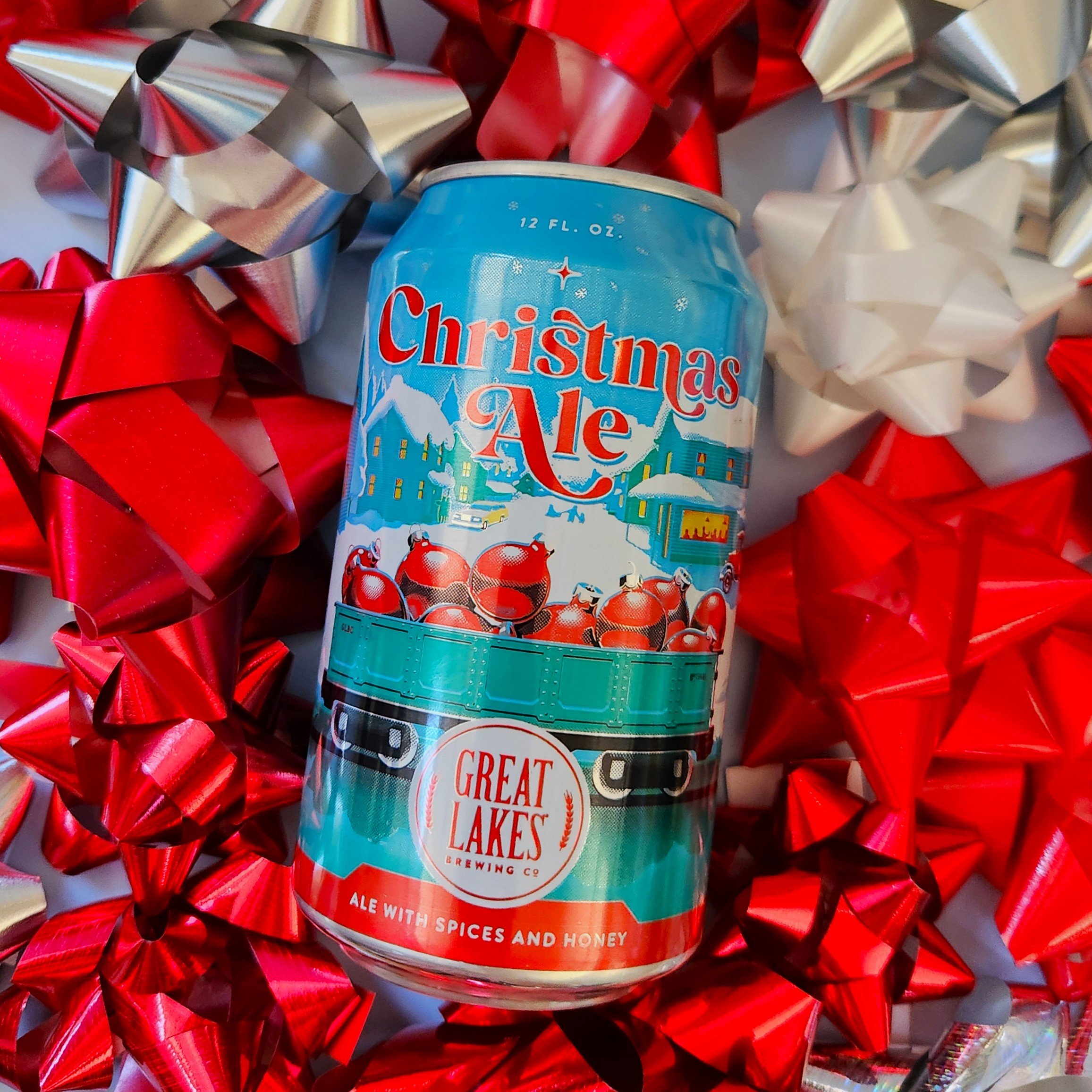
Examples: Buenaveza by Stone Brewing Co., Pachanga by Sun King Brewing, Party! by MAP Brewing Co., Mexican Empire by Arches Brewing, Mexican Lager with Lime by Great Lakes Brewing Co.
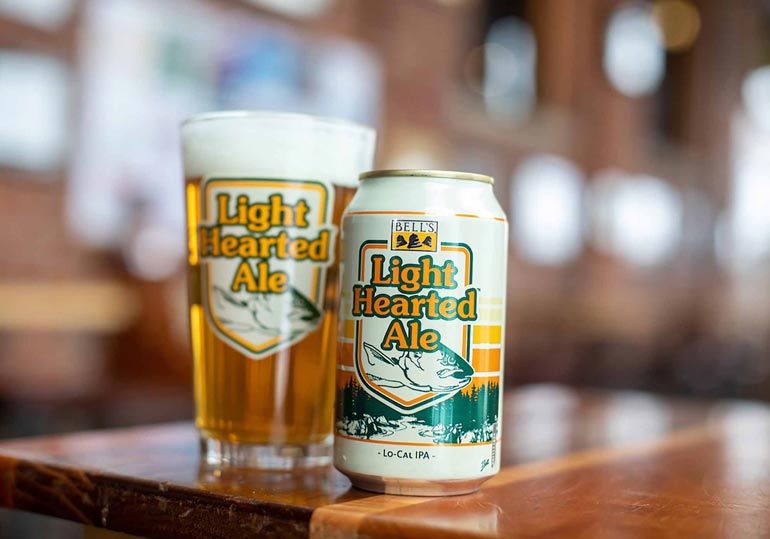
As we continue to emerge from our decade-long extreme beer bender, look for the pendulum to continue its swing towards extreme modesty. That means blazing new trails towards lower-ABV, sessionable versions of styles you know and love.
Alcohol doesn’t dictate flavor. Guinness is a great example of a well-rounded, flavorful and full-bodied beer that is deceptively low in alcohol and calories, at 4.2% ABV and 125 calories. Sessionable beers are typically defined as being below 4.5% ABV while retaining a level of flavor associated with stronger styles. For all intents and purposes, Guinness is a session stout without the trendy, marketable buzzword.
Trends and buzzwords do matter, though. They reflect the focus of the drinking public. Brewers struggling to innovate can find inspiration by experimenting with how to lower the ABV, calories and sugars in their beers without losing flavor. Keep an eye out for counterintuitive, genre-bending concoctions like session pastry stouts or session bourbon barrel-aged brews in 2023.
Examples: Session Lager by Full Sail Brewing, All Day IPA by Founders Brewing Co., Light Hearted Ale by Bell’s Brewery, Rec. League by Harpoon Brewery
Cocktail Beers
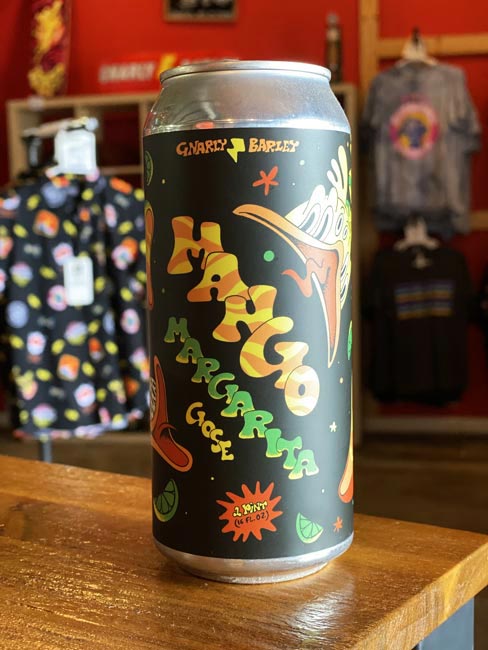
Now that canned cocktails are on the rise, grabbing market share from beer, we can expect brewers to level the playing field by brewing beers that masquerade as cocktails. Exhibit A: Whiskey Sour from Short’s Brewing, an experimental Belgian ale brewed with key limes and aged in oak bourbon barrels, featuring “strong notes of oak, lime, whiskey and finishing with a faint sweetness that doesn’t linger on the palate.” Not a cocktail, not a “beertail,” like a “beermosa,” but a cocktail beer.
There’s plenty of room for experimentation here, so if you can dream it, you can brew it.
Examples: Margarita Gose by Cigar City Brewing, Mojito Blonde Ale by Funky Buddha Brewery, Paloma by Sierra Nevada Brewing Co.
Non-Alcoholic
We’ve covered the rise of Athletic Brewing Co., the industry leader in non-alcoholic beer. Public perception is rapidly shifting towards not just acceptance, but enthusiasm for what was once considered by many to be a joke. What we can expect to see in 2023 is more traditional breweries embracing the style to welcome a wider range of drinkers.
Further, we can expect this change in perception to alter how we drink. Weekend day drinking is growing in popularity, which often lasts all day. NA beers offer a buffer without breaking the continuity of the beer drinking experience, along with far fewer calories. There are also no legal issues in shipping NA beer. If a brewer can perfect recipes to mirror full-ABV versions, we may see new drinking avenues open up.
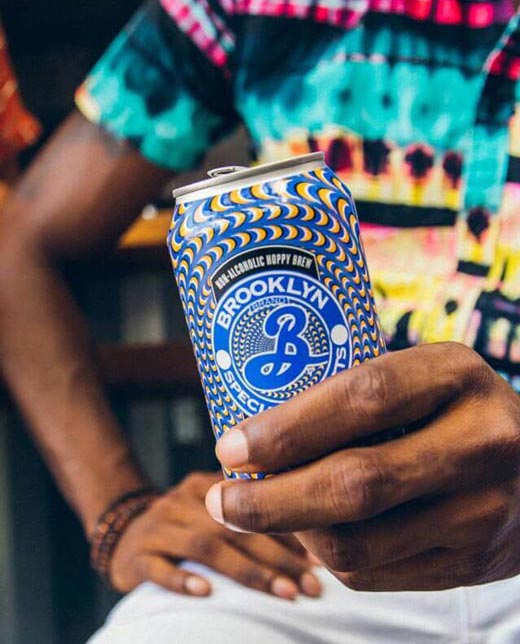
Examples: Run Wild IPA by Athletic Brewing Co., Special Effects Hoppy Amber by Brooklyn Brewery, Oatmeal Dark by Bravus Brewing
Golden IPA
To retailers, IPAs are money, because they sell. To brewers, hops and their cost mean a lot of green going in and coming out. To the novice drinker, the letters IPA are a greenlight in terms of preference. Green is old news, and Gold is new news.
Golden IPA is an unofficial style, part marketing term, and part conglomeration of associated flavor attributes. The style harks back to the golden days of West Coast IPA, which itself is seeing a renewed interest, and combines that style’s hallmarks with updated hop choices. In the case of Stone Brewing’s Moxee Gold, that means combining Centennial with El Dorado. Of course, Gold IPA should pour a bright gold color with a fluffy head like a Golden Ale. Golden ales, by the way, are selling very well right now. Perhaps if you’re going to invest your hard-earned cash in beer, you should put it into gold? In keeping with this year’s theme, look for Golden IPA as a way to enjoy bold hop aromas on top of a crisp, clean base.
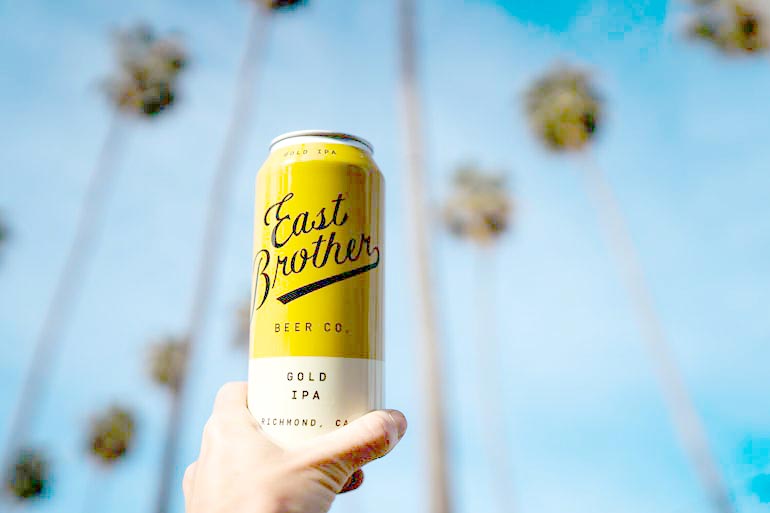
Examples: Gold IPA by East Brother Beer Co., India Golden Ale by Breakside Brewery, Space Needle Golden IPA by Pike Brewing, Tropical Golden IPA by Deschutes Brewery
Package Size
Packaging preferences are evolving, too. Bottles continue to lose shelf space to cans, and as cans grow in ubiquity, a desire for variety in shape and size grows. Consumers have expressed growing interest in 19.2 ounce “stovepipe” cans, often in favor of 12-ounce options. Many drinkers consider it the perfect size for a single serve, enough to pour into a pint glass and have a little left over to top off or share with a friend. Anything more or less doesn’t meet the Goldilocks range.
Taller, thin cans are also growing in popularity, as is acceptance of small pours down at the pub. Greater flexibility and post-session mobility are often cited for the latter.
Examples: 19.2 Ounce Can by American Canning Co., Slim Can by Iron Heart Canning, Small Pour by Suds Monkey Brewing Co.
Light and Tight
In 2023, what’s true for the wallet is true for beer preferences. Brewers and consumers are feeling financial pressure, on top of an increasing interest in health-conscious choices. Emerging beer trends are a clear representation. Thankfully, lighter styles are typically less expensive, and therefore, there’s a nice synergy about where things are headed. Look forward to a year of refinement, folks. And now that the tides are turning, look forward to an ensuing backlash in the next few years.

Comments 0
No Readers' Pick yet.