


The Dark Side of Mexican Beer
 Story by:
N.C. Stevens
Corona Extra, Modelo Especial, Pacífico Clara, Dos Equis Especial. These iconic brands have become synonymous with Mexican beer, their light bodies and crisp finishes making them fixtures in bars, restaurants, and refrigerators around the world. Although often marketed as pilsners, they generally lack the pronounced hop character of traditional Bohemian examples. Their popularity has helped establish what brewers now commonly call “Mexican-style lager,” a broad category frequently associated with the use of adjuncts such as corn to soften the beer’s malt character and body.
The formula has proven enormously successful. Mexico remains the world’s largest beer exporter, sending billions of liters abroad every year. Yet the dominance of pale lagers obscures a surprisingly diverse brewing heritage. Alongside the familiar claras, or pale beers, Mexico has a longstanding tradition of Vienna-style ámbares (ambers) and richer oscuras (dark beers). The history of Mexican dark beer reveals how these styles developed, why they endured, and how the now-ubiquitous clara eventually became the country’s signature export.
The Early Days of Mexican Brewing
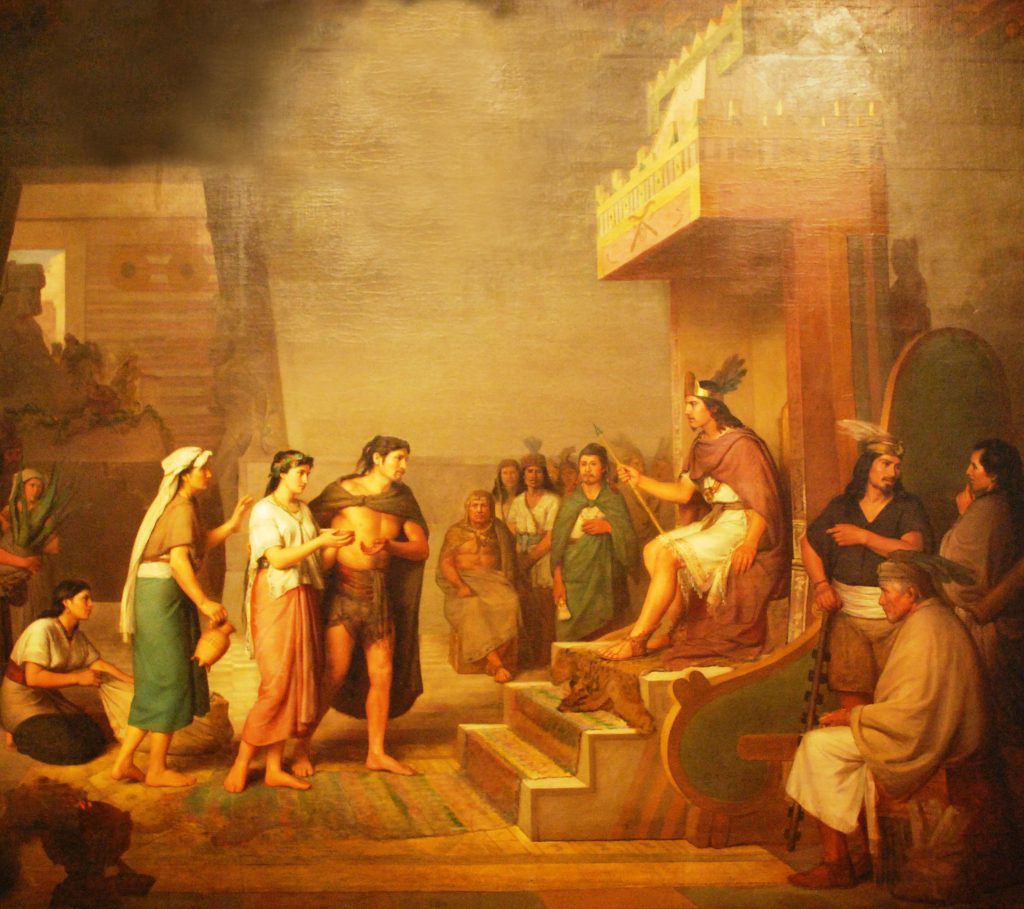
Image Courtesy Mabarlabin/Wikimedia Commons
For much of Mexico’s three centuries under Spanish colonial rule, beer occupied a relatively minor place in the country’s drinking culture. Brewing was attempted as early as the 1540s, but production remained limited, and beer struggled to compete with established beverages such as pulque, made by fermenting the fresh sap of the agave plant.
Following independence in 1821, northern European immigrants brought new brewing expertise and ambitions to the young republic. As early as 1824, two English brewers, Thomas Gillons and Charles Mairet, sought permission to produce beer in Mexico. They were among a growing number of European entrepreneurs who recognized an opportunity in a market with relatively little established commercial brewing infrastructure.
Unlike the brewing traditions of Europe, where particular regions had developed their own styles over centuries, Mexico offered these newcomers considerable freedom to experiment. Swiss, English, French, Spanish, and German immigrants introduced techniques and recipes from their homelands, adapting them to the ingredients and equipment available.
By 1842, reports indicated that Mexico had six breweries. Among the figures who appeared in early brewing records were Englishmen Thomas and William Earl, Bavaria’s Federico Herzog, and France’s Remigio Caire. Brewing was still largely artisanal, but these small operations were beginning to introduce Mexican drinkers to a range of unfamiliar styles.
One particularly interesting example was Bernhard Bolgard, a Swiss brewer who operated La Pila Seca in Mexico City. Bolgard produced a dark beer using Mexican barley and piloncillo, the traditional unrefined cane sugar commonly sold in hardened cones. Other early brewers offered pale ales, while darker English styles also appeared in the country’s growing beer trade.
These early experiments established something that is easy to overlook today: Mexican beer was stylistically diverse almost from the beginning of its modern commercial history.
European Influence and the Rise of Dark Beer
The brief reign of Austrian emperor Maximilian I, from 1864 to 1867, may have helped encourage an appetite for Vienna-style lagers, known for their amber color and rich, toasted malt character. The emperor was Viennese, after all, although European brewing influences had already reached Mexico well before his arrival.
By the latter half of the nineteenth century, Mexican brewers were producing an assortment of styles, including standard lagers, bocks, pale ales, porters, and darker beers that reflected their European origins. An 1864 advertisement promoted a cerveza inglesa superior, or premium English beer. Federico Besserer, who acquired La Pila Seca from Bolgard, offered a “Cerveza de Salud,” or Health Beer, alongside pale ale and porter. Other advertisements simply described their products as cerveza suiza, or Swiss beer.
The variety was considerable, particularly given the relatively small number of breweries operating at the time. And darker styles remained prominent even as the industry began moving toward larger-scale production.
Breweries such as Cervecería de Toluca, established in the nineteenth century, and Cervecería Cuauhtémoc, founded in Monterrey in 1890, helped usher in Mexico’s industrial brewing era. Advances in refrigeration, transportation, and production made it increasingly practical to brew and distribute the lagers that would eventually dominate the market.
Yet darker beers were hardly forgotten. In 1900, Cervecería Moctezuma in Veracruz advertised both Moctezuma-Superior, a pale lager, and a Bavarian-style dark beer. Nine years later, Cervecería de Toluca proudly declared that its Especial Toluca was “indisputably the best dark beer brewed in the country.”
In 1910, Cervecería Cuauhtémoc was promoting Wurtzburger as “The Great Dark Beer, Strictly German-Style.” These advertisements reveal a brewing industry that still celebrated differences in color, malt character, and European stylistic traditions.
Dark beer had also found a place at the dining table. Salvador Novo, the celebrated chronicler of Mexico City, later recalled how the staff at Restaurante de Chapultepec helped educate the palates of Mexico’s revolutionary generals, teaching them to enjoy lobster à l’américaine and pair certain meats with dark beer and others with pale beer.
By the early twentieth century, Mexican drinkers had access to a considerably broader selection than the country’s modern international reputation might suggest.
How Pale Lager Came to Dominate
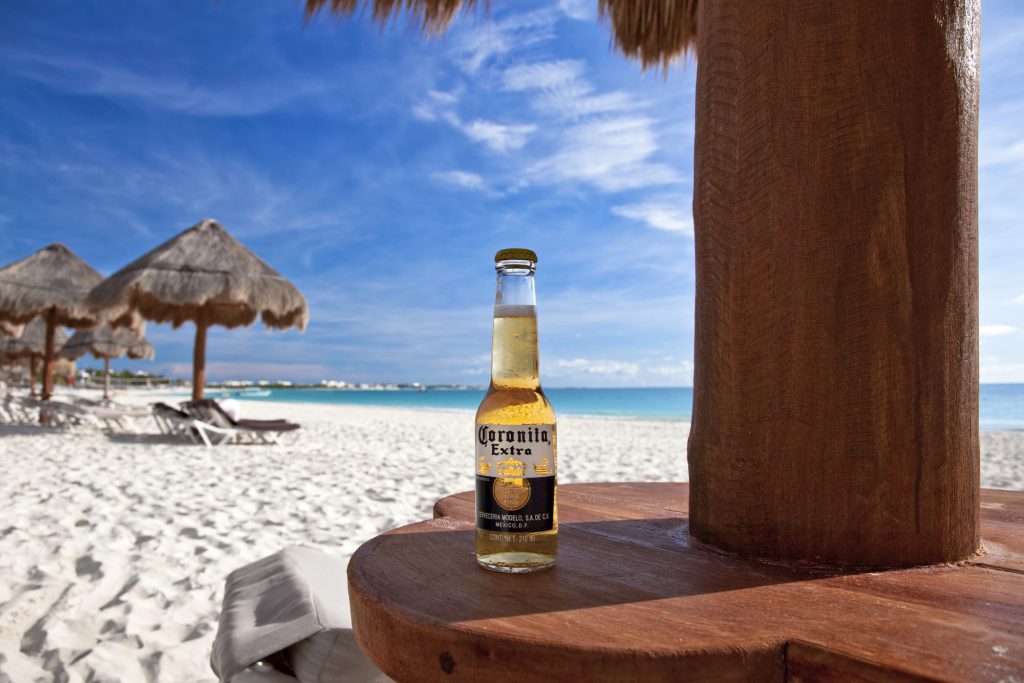
Despite this early diversity, the twentieth century belonged increasingly to the clara. Brands such as Sol, Corona Extra, Modelo Especial, Tecate, and Dos Equis established themselves as enduring commercial successes, eventually becoming familiar to drinkers far beyond Mexico’s borders.
Brewers promoted pale lagers as clean, hygienic, and refreshing, qualities that resonated with consumers as industrial production and modern sanitation became important selling points. Their approachable flavor profiles and easy-drinking character also made them well suited to a growing mass market.
The expansion of Mexico’s major breweries, combined with increasingly sophisticated distribution and advertising, helped these lighter beers establish their dominance. Their compatibility with a wide range of Mexican dishes certainly did them no harm, either.
Over time, the popularity of these brands came to define Mexican beer in the minds of international consumers. Their success was extraordinary, but it created a somewhat misleading impression of what Mexican brewing had always been.
Mexico’s Dark Beer Tradition Lives On
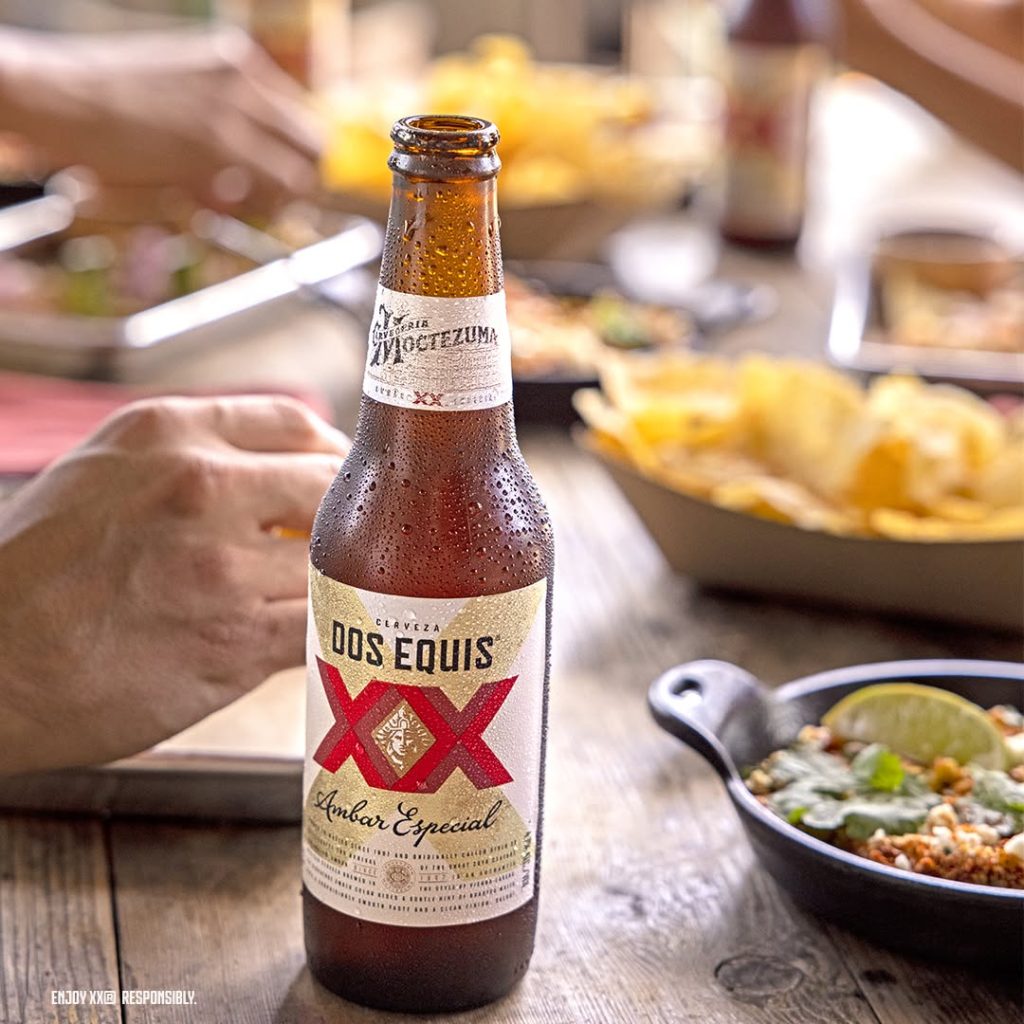
Fortunately, the country’s older brewing traditions never disappeared entirely. Several familiar Mexican brands still offer compelling examples of the amber and darker styles that once occupied such an important place in the market.
Victoria, one of Mexico’s oldest surviving beer brands, traces its origins to Cervecería de Toluca and was later acquired by Cervecería Modelo in 1935. It’s also my favorite mass-market Mexican beer, a wonderfully refreshing Vienna-style amber lager with enough malt character to distinguish it from its paler counterparts.
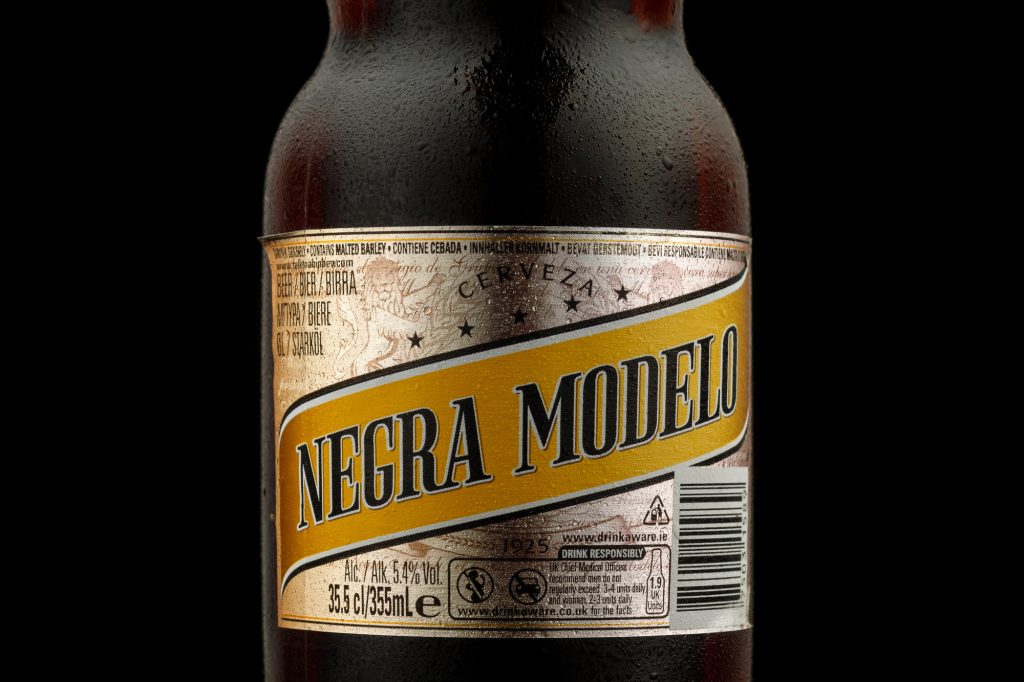
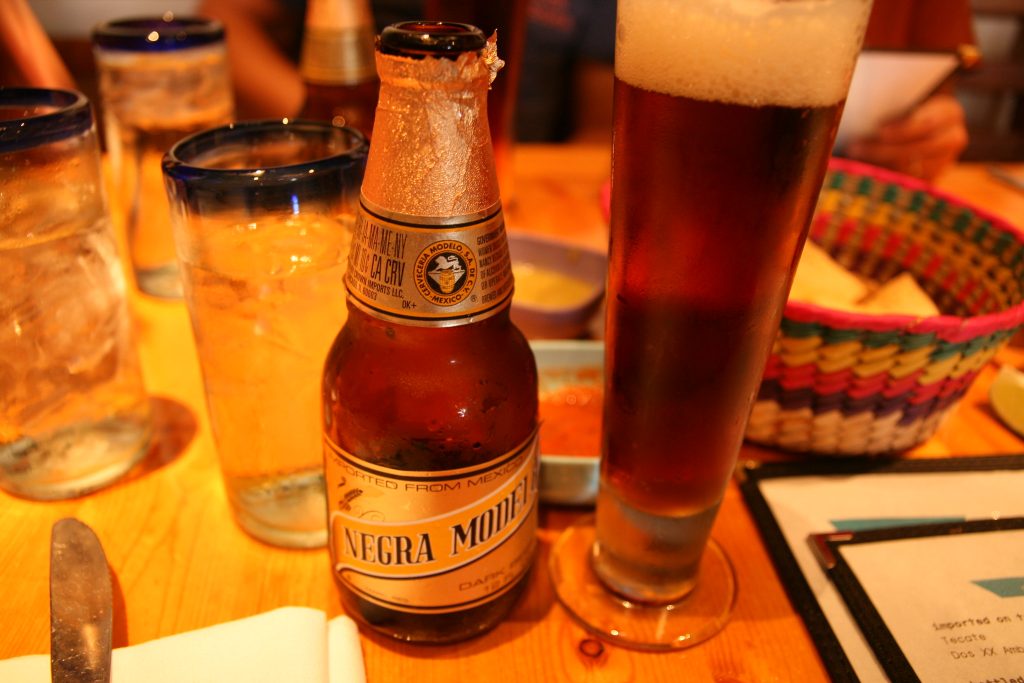
Modelo Negra, first introduced in 1925, offers another connection to Mexico’s brewing past. Classified by its producer as a Munich Dunkel-style lager, it delivers a smooth, malty profile with notes of caramel and dark malt. Dos Equis Ambar Especial, meanwhile, represents the Vienna lager tradition, balancing its toasted malt character with an approachable finish.
All three have histories stretching back a century or more, demonstrating the staying power of Mexico’s darker brewing traditions. And for those who seek something seasonal, there’s Noche Buena, the country’s longstanding holiday bock, whose richer malt character has made it a Christmastime favorite.
Beyond the familiar commercial brands, Mexico’s craft brewing scene has brought renewed attention to the diversity that characterized its earliest breweries. Producers in Ensenada, Guadalajara, San Luis Potosí, Mexico City, and other brewing centers are exploring an enormous range of styles, ingredients, and techniques. In many respects, their experimentation recalls the entrepreneurial spirit of La Pila Seca and the European brewers who helped establish Mexico’s modern beer industry.
American craft brewers have embraced these traditions, too, with examples such as pFriem Family Brewers’ Mexican Dark Lager, which combines Vienna lager influences with Mexican ingredients and techniques.
It’s worth distinguishing Mexican beer from the narrower idea of Mexican-style lager. The latter has become an enormously successful commercial category, but it represents only part of the country’s brewing heritage.
From the delicate, easy-drinking character of Corona Extra to the rich malt flavors of a holiday Noche Buena, Mexican beer has always offered a broader spectrum than its international reputation suggests. The next time you reach for a Mexican lager, consider choosing something a shade darker. You might discover a little history in the glass.
Images Courtesy Respective Breweries, except where noted
For more on the fascinating history of beer and other beverages in Mexico, explore N.C. Stevens’ The Complete Guide to Mexican Beverages, which examines the country’s drinking traditions from pulque and cacao to beer, tequila, coffee, and beyond.


Conversations (0)
No comments yet.