




The Hop Report: Trending Hops for 2021
 Story by:
Owen Ogletree
Story by:
Owen Ogletree
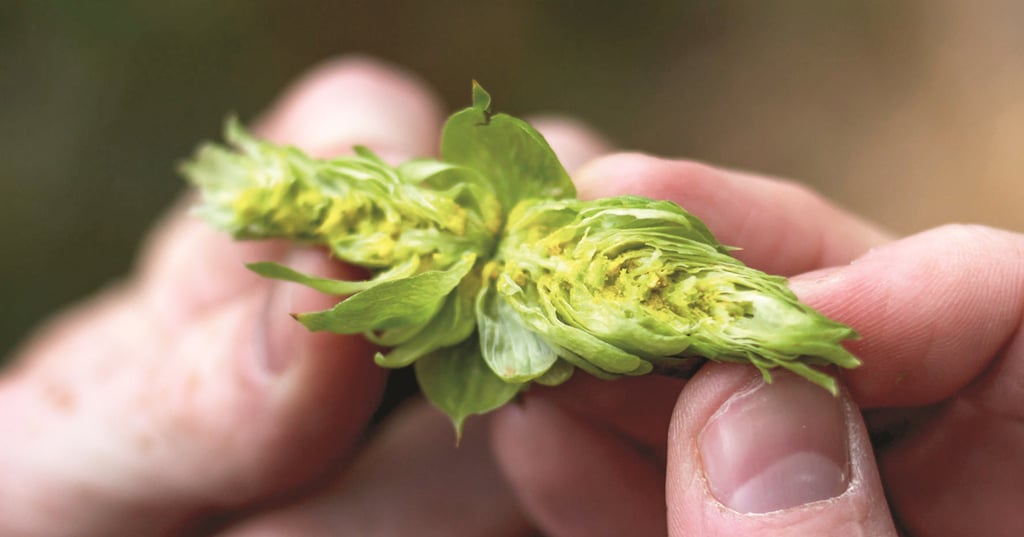
Hop flowers provide balancing spice and bitterness in beer. Most craft beer aficionados know the classic hop notes of flowers, citrus, grapefruit and pine, but what if hops could also provide nuances of coconut, grape, melon, peach, pineapple, chive, berries, vanilla and more? New hop types with unique aroma and flavor profiles fascinate modern craft brewers. This article showcases an exciting collection of established and experimental hop varietals that show extraordinary promise for 2021.
Just 40 years ago, brewers could only choose from less than 50 global hop varieties. These days, almost 200 varieties of hops exist, with another 100 or so experimental hop types currently under development. It takes roughly ten years for a new hop strain to make it to market by proving its worth through disease resistance, vigor and appealing aroma and flavor characteristics. It’s not surprising that only a handful of new hop varieties make it to market each year and end up in brew kettles.
Hop reproduction can involve sexual and asexual processes. In nature, the wind carries pollen from a male hop plant to the cones of a female plant, producing tiny seeds. Hops also spread without seeds by way of root rhizomes that grow horizontally through the soil or are transplanted to new areas by hop farmers. But how do growers develop new varieties of hops through cross-breeding?
Crossing two hop varieties is no simple endeavor. Only female plants produce the hop flower cones used in brewing, and breeders can place a bag over sections of the mother plant to isolate immature flowers from stray pollen in the air. Hop breeders then introduce pollen from the desired male plant into the bag, and the mother plant develops seeds that will be planted in greenhouses for observation. The young hops are infected purposefully with diseases such as downy mildew and powdery mildew to kill any new plants that don’t possess appropriate disease-resistant genes. After about five years, the strongest surviving plants earn the chance for farm trials and chemical and sensory analysis.
Craft brewers provide valuable input and feedback on which new hops will be accepted for wide-scale use. After new crosses grow for almost eight years, farmers ship hop samples to breweries for use in test beers, then brewers pick their favorites. As with all crops, demand drives supply.
Two leading American hop suppliers gave input on which trendy hop varieties they see as most likely to “go viral” in the craft beer arena of 2021. Located in St. Paul, Oregon, Willamette Valley Hops is a family-owned and operated premium hop product distributor established in 2008. Willamette Valley Hops’ list of hot hops for 2021 includes Talus, Sabro and Idaho Gem.
With the demand for hops from the Pacific Northwest always growing, Yakima Chief Hops stands as an organization of growers that has supplied outstanding hops from the region since 1869. “For six generations and counting, the family farms that make up Yakima Chief have been driven by the desire to help the entire community thrive by constantly improving beer’s greatest ingredient, the hop,” explains Public Relations Manager Cait Schut. Yakima Chief named Idaho 7, Talus, Sabro and Idaho Gem as its top hops to watch in 2021.
Idaho 7
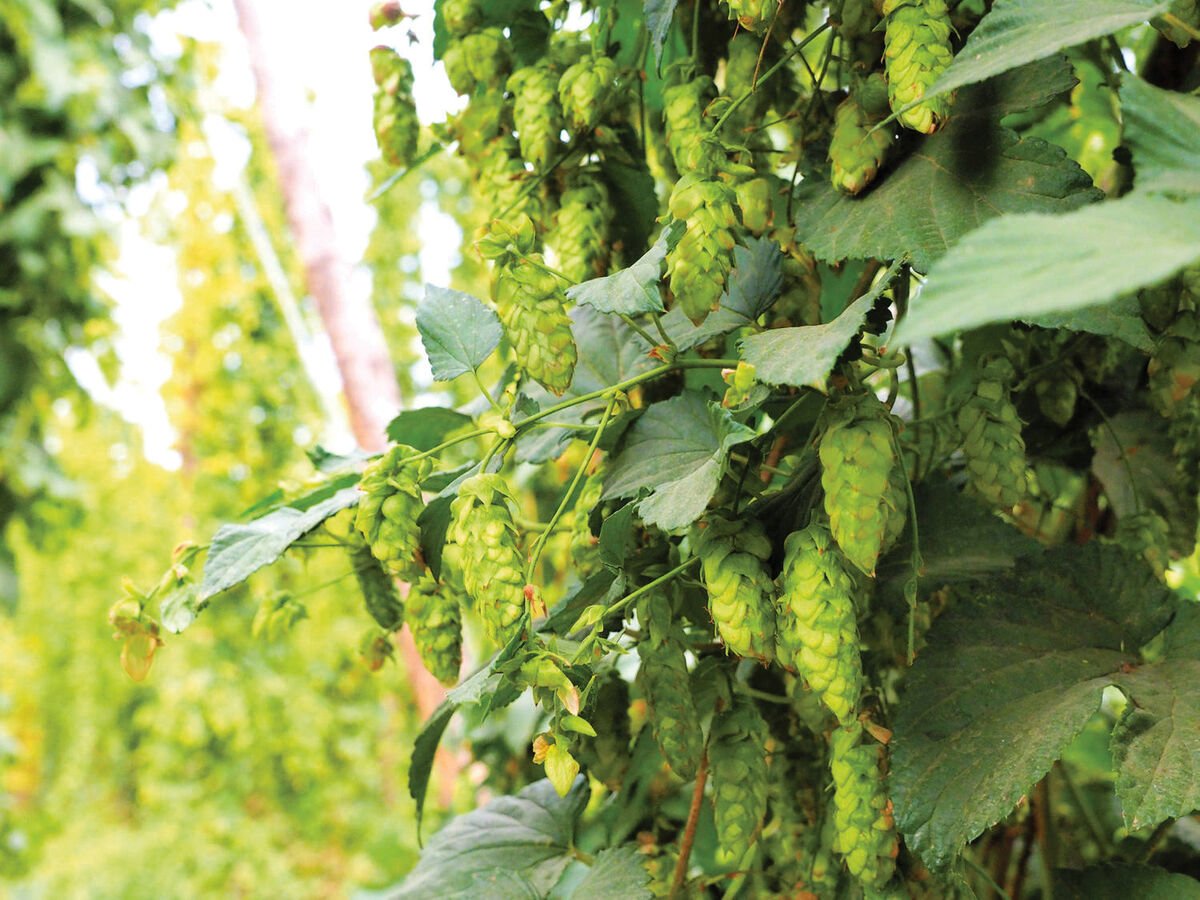
Yakima Chief’s hop specifications note that Idaho 7 was bred and released by Jackson Farms near Boise, Idaho. Idaho 7 presents pungent tropical fruit notes with pleasant apricot, orange, ruby red grapefruit, papaya, pine resin and inklings of black tea. Expect aroma nuances of peach, pineapple, mango and earthy spice in this complex hop that works well in IPAs, pale ales, American wheat beers and hazy/juicy, hop-forward ales. Found in the resin glands of hop flowers, alpha acids form chemical compounds that produce hop bitterness when boiled in sugary wort to make beer. Alpha acid percentages can register as low as 3% in mild noble hops like Saaz and Hallertau, but Idaho 7 packs a potent bittering potential of 9.5 to 14%. Due to its formidable aroma and flavor, brewers mainly add Idaho 7 during the boil’s late stages to produce memorable hop flavor and aroma. The hop also works well when dry cones or pellets are added to beer at later stages in a process known as “dry hopping.”
Idaho Gem
Idaho Gem originated at the family-owned Gooding Farms in Parma, Idaho. Gooding’s notes describe the hop as having “rich levels of sweet, fruit-forward aromatic oils that are optimal for late kettle additions or dry-hopping in a wide variety of styles.” Idaho Gem’s intriguing resin and hop oil profile offers notes of stone fruit, berry, lemon, grapefruit, herbs, spice, fruit chewing gum and mint. An intriguing hop for hazy New England IPAs, West Coast IPAs and American pale ales, Idaho Gem ranks as a favorite among modern craft brewers. Expect an alpha acid range of 12 to 14%.
Sabro
Sabro premiered as an intriguing entry from the Hop Breeding Company’s joint venture between John I. Haas, Inc. and Select Botanicals Group (now Yakima Chief Ranches). Sabro ranks as a pleasantly pungent aroma hop that shines with complex fruit and citrus character. With notes of orange, tangerine, stone fruit, papaya, coconut, mint and cedar, along with a potent alpha acid range of 12 to 16%, Sabro’s powerfully expressive hop profile works well in hoppy beers such as IPAs, American pale ales, classic saisons and American stouts. Because of the fruity nature of the hop, Sabro also performs well in various fruit beers. Sabro originated from the cross-pollination of a female Neomexicanus hop variety that grows wild in the mountain regions of New Mexico. Alex Barth, CEO of John I. Haas, notes: “Aside from its wonderfully complex and unique flavor profile, we also love the fact that this new hop is genetically diverse. If part of your heritage includes the desert and mountain environments of the southwestern United States, you have a strong survival spirit in your genes – the essence of sustainability.”
Talus
Talus, a collaboration hop between Yakima Chief Ranches and John I. Haas Inc., comes from a female Sabro plant crossed with a fragrant Pacific Northwest hop through open pollination. The resulting unique hop possesses clean, intriguing medleys of aroma and flavor nuances such as pink grapefruit, orange zest, pine bark, pineapple, kiwi, roses and sage. Talus offers alpha acid parameters of 8 to 9.5%. Haas recommends Talus in beer styles such as wheat ales, golden ales, pale ales, India pale lagers, classic IPAs, session IPAs, New England IPAs and imperial IPAs. The creation of Talus highlights the Hop Breeding Company’s exploration of novel genetics to produce contemporary flavors and aromas not found in classic hop varieties. Jason Perrault of Yakima Chief Ranches points out, “Talus has the distinction of being exceptionally unique, yet appealing and very translatable in beer. Moreover, its complexity lends itself to functionality in the brewing process alone or in combination with other hops. Talus checks a lot of boxes.”
Incognito Liquid Hop Oil
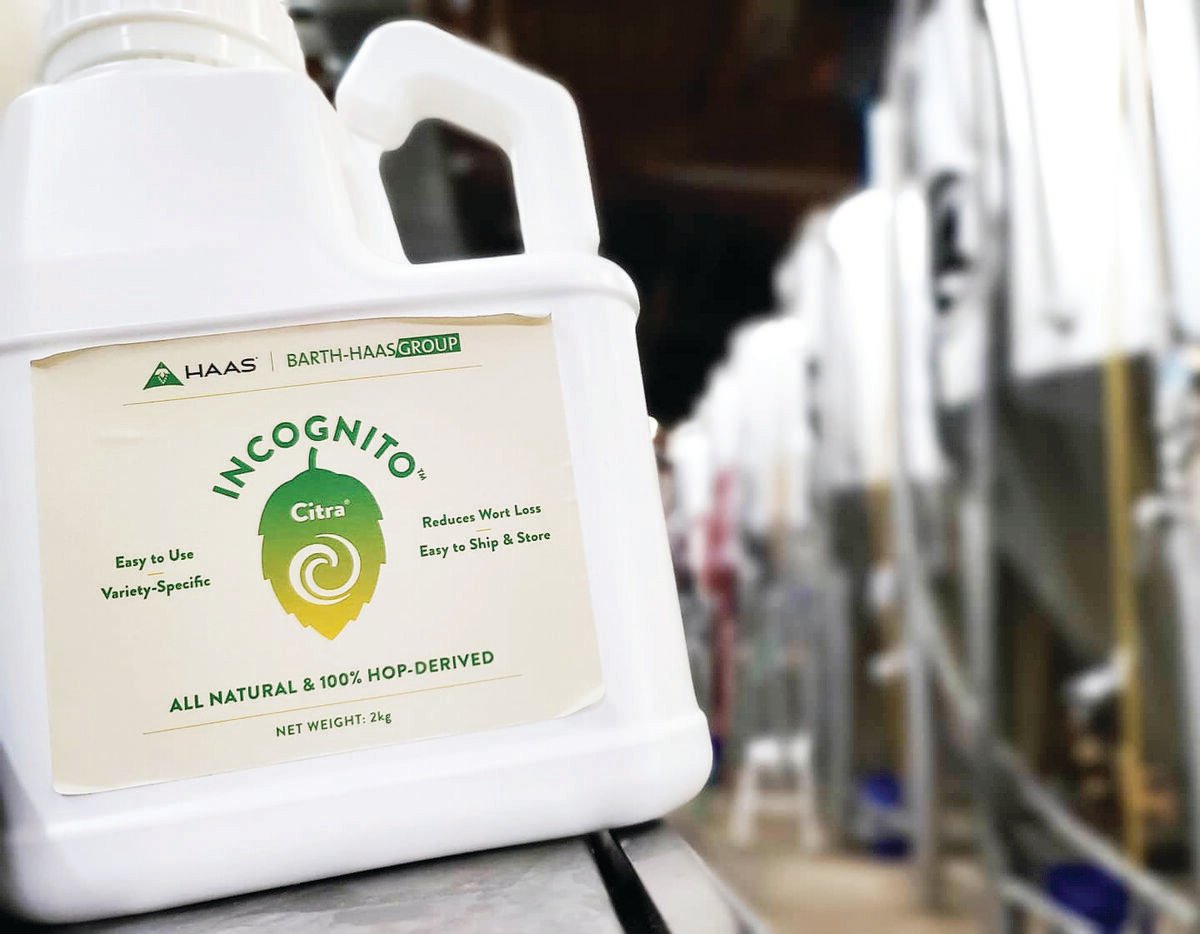
A concentrated liquid hop oil product from the Haas group, Incognito™ also contains no vegetative hop matter and delivers an impressive quantity of aroma and flavor while maximizing brewing efficiency and reducing beer loss and hop shipping costs. Brewers can choose from Incognito™ liquids that include Citra, Mosaic or Ekuanot hops.
Lupomax Hop Pellets
The folks at Willamette Valley Hops are actively promoting two of their advanced hop products from the Haas company. Produced from concentrated hop cone lupulin powder that contains hop resins and essential oils, Lupomax™ pellets produce a consistent, optimized hop flavor in beer. Currently, the pellets are available in Citra, Mosaic and Sabro hop varieties. Virgil McDonald, brewmaster at John I. Haas Innovations Brewery, explains, “The reduced vegetative matter of Lupomax™ pellets gives me a clean hop flavor and really saves on beer loss. It can be used at any stage in the brewing process, but it really shines where flavor intensity and reducing beer loss matter most, like dry-hopping.”
Nectaron
Stan Hieronymus, beer journalist and hop expert, has been touting two sensational new hop varieties from the Southern Hemisphere, where hop harvests take place in our spring. Craft brewers should now be on the lookout for limited quantities of these new hops, with more shipments coming in the spring of 2021. Nectaron, previously known as Hort 4337, comes from New Zealand. “The name combines ‘nectar of the gods’ with the name of breeder Ron Beatson,” Heironymus explains. “This gorgeous hop has been billed as the next Nelson Sauvin but with more stone fruit character – particularly peaches.” A close relative of New Zealand’s Waimea hop, Nectaron was developed by New Zealand’s Plant & Food Research group and took almost 20 years before full release. With 10 to 12 % alpha acid and a complex canvas of fruit essences, Nectaron makes a great hop choice for fruit-forward beers.
Eclipse
The new HPA-016 hop from Australia has just been given the official name of Eclipse. This release from Hop Products Australia began in 2004 but won’t be distributed around the world until 2021. Eclipse offers intense flavors of sweet fruit, crisp pine resin, citrus peel, spice and robust levels of alpha acids that run from 15.7 to 18.7%. “Eclipse is being compared to Galaxy with more spice character,” notes Heironymus. “The hop distributor sent some for a tasting event in 2018 at Zebulon Artisan Ales that featured experimental hops used in a range of single-hop beers. One of the attendees left a tasting note of the Eclipse beer that said, ‘If this were gumbo, it would be the best gumbo I ever smelled.’”
HBC 472
Eric Johnson, co-owner and brewmaster of Wild Heaven Beer in Atlanta, released a series of four single-hop IPAs last fall. Each beer was hopped with a different experimental variety. The project’s objective was to create a clean canvas to showcase each hop and give craft beer enthusiasts the ability to evaluate each hop individually. The beers were called “Next Big Thing,” and hop HBC 472 from Haas’ Hop Breeding Company garnered a pile of votes as fan favorite. Like Sabro, HBC 472 comes from Neomexicanus parentage. The hop scores 9 to 11% in alpha acids, and its unique flavor characteristics have created a buzz among brewers. Tasting notes include kiwi, mango, citrus, wood and coconut. When used in dark, malty brews, an intriguing and inviting bourbon nuance comes through firmly, making HBC 472 appealing for use in stouts, porters, barleywines, strong ales and any barrel-aged dark beer. “It’s great to see native American hops making their way into current breeding programs,” says Johnson. “I definitely expect HBC 472 to be part of the hop conversation for many years to come. Finding new hops is exciting, as this opens up possibilities of so many new flavors.
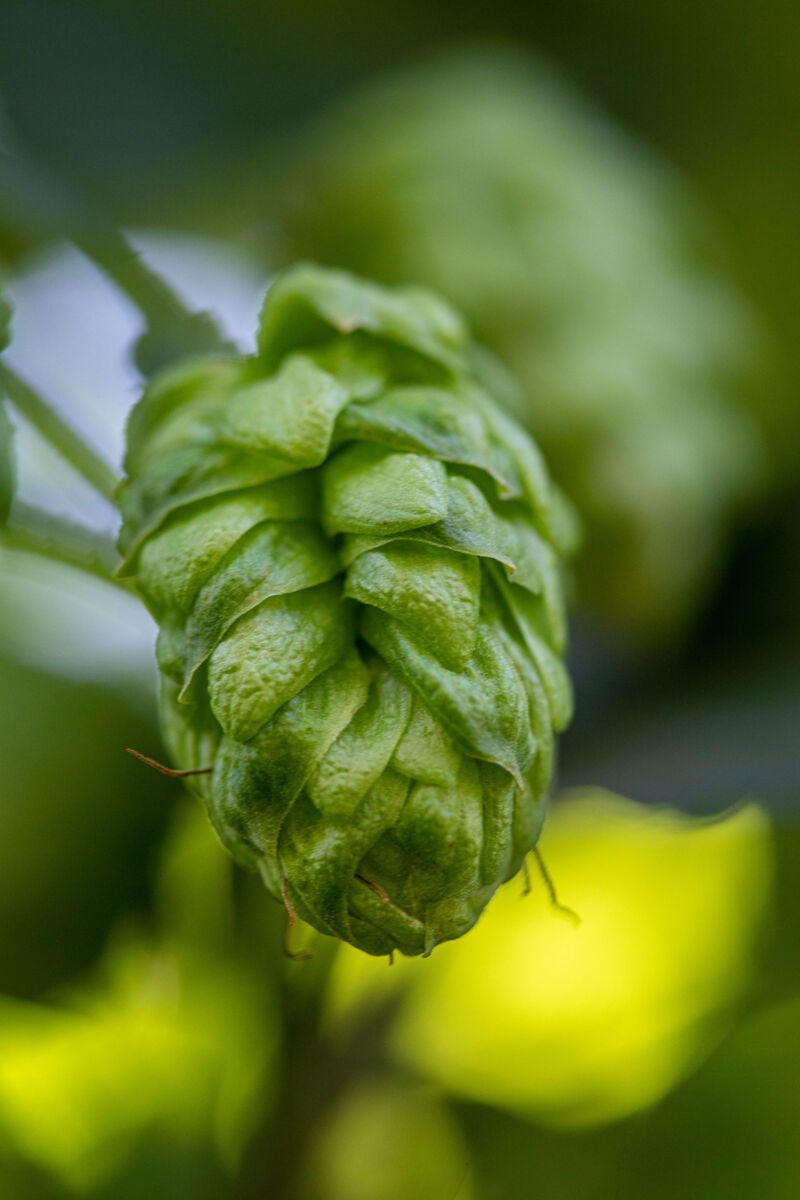
Beer is intrinsically culinary, and every ingredient matters. The work that the new breeding programs are doing expands the list of flavors that brewers have at their disposal. Experimental hops shape the beers of tomorrow in extraordinary ways.” These trending hop varietals will surely impact the brewing scene in a significant way in 2021.


Comments 0
No Readers' Pick yet.