




Doppelbock: A Flavorful and Malty Authentic German Brew
Discover the rich history and distinctive taste of Doppelbock, a traditional German beer dating back to the 17th century. From its origins in Bavaria to its popularity around the world, learn all about this unique brew.
 Story by:
Chris Guest
Story by:
Chris Guest
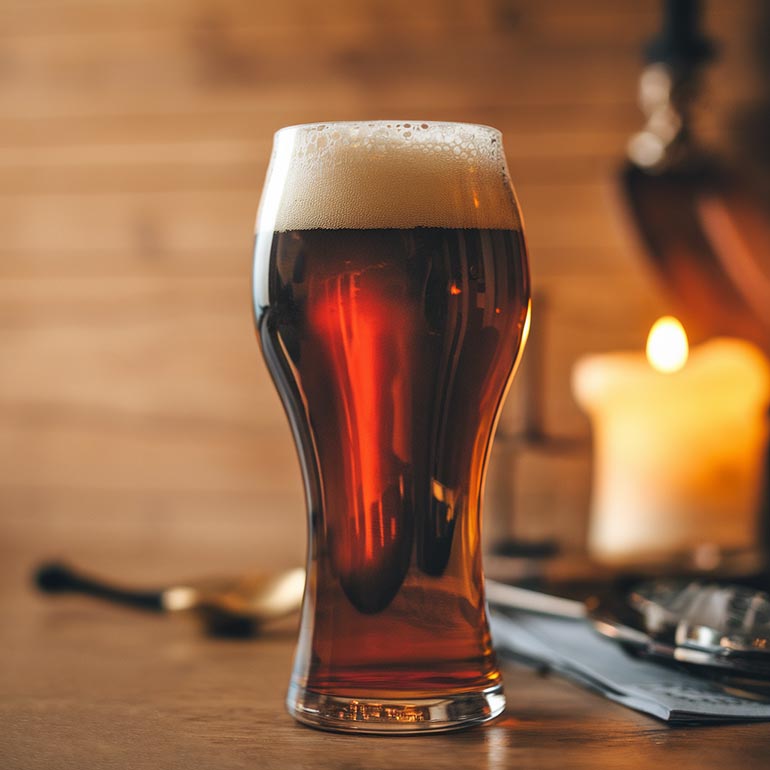
Doppelbock, a strong, malty beer with deep roots in German brewing, is much more than just a drink—it’s a symbol of craftsmanship and history. Known for its rich flavors and high alcohol content, this beloved style has been savored for centuries. But how did doppelbock come to be, and what makes it stand out from other beers?
Here, we will cover everything about the Doppelbock beer style including its history, origin of the name, characteristics, attributes, types, how to store and serve, food pairing suggestions, popular Doppelbock beers and brands around the world and a lengthy list of FAQs.
The History Of Doppelbock
Doppelbock, a strong German lager, traces its origins back to the 17th century when it was first brewed by the Paulaner monks in Munich. These monks created Doppelbock as a nourishing, strong drink to sustain themselves during their Lenten fasts as solid food was not allowed. Originally called “Salvator,” which means “Savior” in Latin, this beer quickly became a staple for the monks, offering both sustenance and flavor.
German-style Doppelbock has become a symbol of Bavarian beer culture and remains popular today, especially during the winter months when its hearty and rich flavor is most appreciated. Its history, rooted in monastic tradition, continues to influence brewing practices around the world.
The Origins Of The Name “Doppelbock”
The name “Doppelbock” comes from the German words “Doppel,” meaning “double,” and “Bock,” referring to a strong lager. The term “Bock” was originally used to describe strong Bavarian beers, with “Doppel” indicating that this style was even more robust than traditional Bocks.
As stated earlier, the historical versions were created by the Paulaner monks in Munich, who brewed Doppelbock to sustain themselves during Lent with the name of “Salvator.” As the style spread, other breweries adopted the term “Doppelbock,” often using the “-ator” suffix to honor the original Salvator brew.
The Characteristics Of Doppelbock
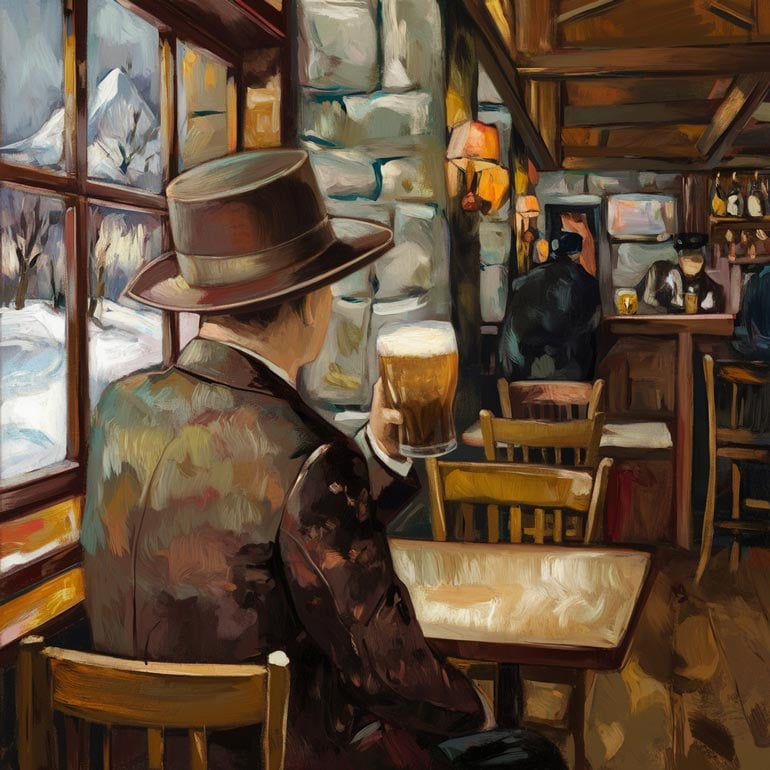
Doppelbock stands out for its distinct flavor and characteristics, making it a favorite among beer connoisseurs who enjoy bold, malty lagers. Below are the key traits that define this iconic German beer:
Alcohol Content: With ABV ranging between 7% and 12%, Doppelbock delivers a warming sensation, perfect for colder months.
Flavor Profile: Expect rich malt flavors dominated by caramel, toffee and dark fruit notes like raisin and plum. Some variants offer hints of chocolate or coffee.
Body and Mouthfeel: Full-bodied with a creamy, smooth texture, making it highly satisfying to drink. Its lower carbonation contributes to the silky feel.
Color: Traditionally darker, ranging from deep amber to dark brown, though lighter versions also exist. The rich color reflects the depth of its malt character.
Bitterness: While malty and sweet, Doppelbock is balanced by moderate bitterness from German noble hops to ensure that it’s not overly cloying.
Doppelbock Beer Attributes
SRM: 6 to 25
IBUs: 16 to 26
ABV: 7% to 10%
Original Gravity: 1.070 to 1.090
Color: Deep gold to dark brown
Clarity: Clear to slightly hazy
Carbonation: Low to moderate
Alcohol: High
Hops: Noble hops
Malt: Pale malt, Munich malt or Carafa, and sometimes caramel or roasted malts
Similar Styles to Doppelbock
Bocks are a common style in German brewing, and these beer styles are similar to the legendary Doppelbock but with their own unique twist. Understanding these types can enhance your appreciation for their diversity and flavor profiles.
Eisbock: A stronger, full-bodied version created by freezing a doppelbock and removing ice to concentrate the flavors and alcohol content.
Traditional Doppelbock: Rich and malty, often brewed with a focus on sweet caramel and toasty flavors with good clarity in appearance.
Weizenbock: A wheat-based doppelbock that incorporates wheat malt, adding fruity esters and clove-like spices.
Baltic Porter: Although technically a different style, some brewers create doppelbocks inspired by the flavors of Baltic porters, which results in a hybrid with roasted notes.
Schwarzbier: Dark lager that shares some attributes with doppelbocks, particularly in malt character, but typically lighter in body and alcohol.
Dunkles Bock: A darker variation with more pronounced roasted malt flavors, which adds complexity and depth.
How To Properly Store And Serve Doppelbock
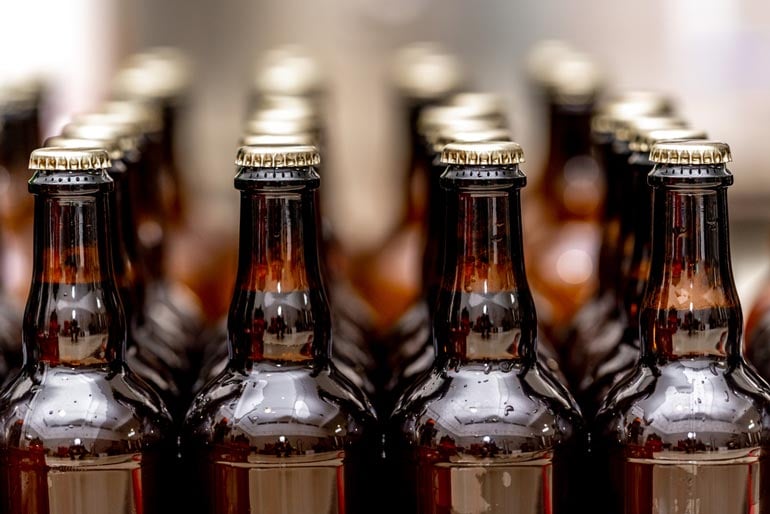
To ensure that your Doppelbock remains at its best, it’s crucial to implement effective storage and serving strategies. This is important to enhance its complex flavors and aromas, allowing you to fully appreciate its character.
Storing Doppelbock
Proper storage not only preserves the beer’s integrity but also enhances its rich flavors and aromas over time. Below are key guidelines to follow when storing your Doppelbock, helping you maintain its quality and enjoyment.
Temperature Control: Store Doppelbock at a cool temperature, ideally between 45°F and 55°F (7°C to 13°C). This range helps maintain the beer’s flavor profile.
Dark Environment: Keep the beer away from direct sunlight and fluorescent light, as UV rays can skunk the beer. Use a dark place, like a cellar or a dark cupboard.
Vertical Position: Store bottles upright to minimize contact between the beer and the cap. This helps prevent oxidation and keeps the beer fresher.
Humidity Level: Aim for a humidity level of around 70% to 75%. This prevents the cork from drying out in bottled versions, preserving its seal.
Aging Potential: Doppelbocks can age well. If you plan to age them, check the specific brewery recommendations, but most can improve for 1 to 3 years when stored correctly.
Serving Doppelbock
Once you’ve stored your Doppelbock properly, it’s time to focus on how to serve this beer to maximize your enjoyment. The way you present and taste the beer can significantly enhance its flavors and aromas to create a more immersive experience. Here are some essential tips for serving your Doppelbock:
Glassware Selection: Use a tulip glass or a snifter to concentrate the aromas and showcase the beer’s rich color. These glasses enhance the overall drinking experience.
Temperature for Serving: Serve Doppelbock slightly warmer than most beers, around 50°F to 55°F (10°C to 13°C). This temperature allows the complex flavors to shine.
Pouring Technique: Pour gently into the glass to avoid excessive foaming. Aim for a 45-degree angle and straighten the glass as you pour to develop a modest and persistent head of foam.
Aroma Evaluation: Before sipping, take a moment to enjoy the aroma. Swirl the beer gently in the glass to release the complex malt and caramel notes.
Taste and Enjoy: Take small sips to appreciate the beer’s depth. Doppelbocks are known for their strong maltiness, toasty flavors and slight sweetness, so savor each sip.
Food Pairings For Doppelbock
Doppelbocks are rich, malty German lagers that are food-friendly, and they pair well with hearty and flavorful foods. Here are some great food pairing recommendations for this style:
1. Roast Pork, Lamb or Ham: The caramelized malt sweetness of a Doppelbock complements the savory flavors of roasted pork, lamb or ham to enhance both the meat and the beer.
2. Grilled Sausages: Traditional German sausages like bratwurst or kielbasa are excellent with Doppelbock, as the smoky, spiced flavors match the beer’s malt backbone.
3. Game Meats: Venison or wild boar are robust enough to stand up to the intense malt character and slight sweetness of a Doppelbock.
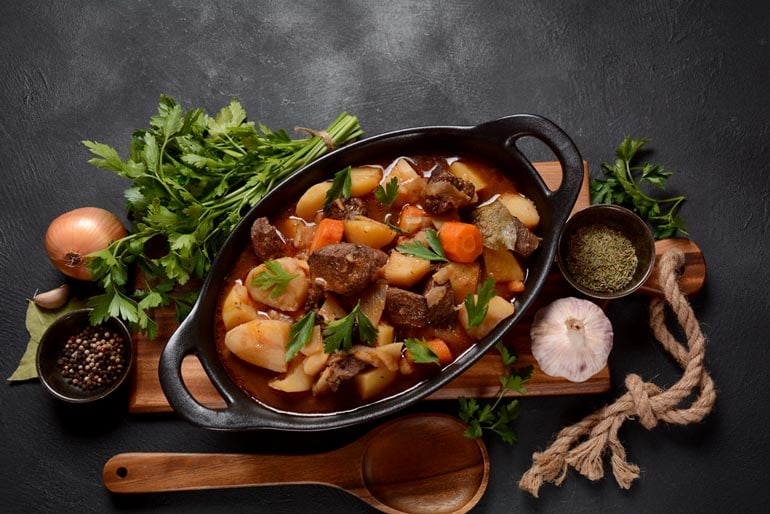
4. Stews and Braised Dishes: Rich stews, such as beef stew or goulash, with their deep flavors and slow-cooked tenderness, pair perfectly with a Doppelbock’s depth and complexity.
5. Smoked Cheeses: Smoked gouda, Brie, Havarti or cheddar bring out the beer’s roasted malt flavors to create a smoky-sweet harmony.
6. Dark Chocolate Desserts: A slice of flourless chocolate cake or chocolate truffles complement the toffee and caramel notes in a Doppelbock.
The Health Benefits
While Doppelbock is primarily enjoyed for its rich flavor, it can offer a few health benefits when consumed in moderation, much like other beers. Here are some potential health benefits associated with Doppelbock:
Rich in Nutrients: Doppelbock, often referred to as “liquid bread,” was historically brewed by monks. It’s brewed from high-quality grains, which can provide trace amounts of vitamins like B vitamins (especially B6 and B12), and minerals like potassium and magnesium.
Antioxidants: Doppelbocks contain polyphenols, which are natural antioxidants found in barley and hops. These antioxidants may help reduce inflammation and protect against heart disease by neutralizing free radicals in the body.
Bone Health: Beer, including Doppelbock, contains dietary silicon, which is important for bone health. Silicon helps in the formation and maintenance of strong bones, potentially lowering the risk of osteoporosis.
Digestive Health: The fiber in Doppelbock, due to the malted barley, can promote better digestion. Additionally, the carbonation and slight bitterness from hops can help stimulate digestive juices.
Stress Reduction: Like other alcohol-containing beverages, consuming Doppelbock in moderation may promote relaxation, reduce stress and improve mood by triggering the release of endorphins.
However, it’s important to remember that these benefits only apply when Doppelbock is consumed responsibly, as overconsumption can negate any positive health effects.
Lager Doppelbock vs Pale Doppelbock: Style Comparison
Lager Version: The lager version of Doppelbock, also known as Dunkles Doppelbock, is characterized by deep amber to brown hues and bold flavors of caramel, toffee and roasted malt. Often accompanied by hints of dark fruity character, this beer offers a malty sweetness with minimal bitterness.
Pale Version: The pale version of Doppelbock, or Helles Bock, is lighter in color, ranging from golden to light amber. It features a clean, malt-forward flavor with notes of biscuit, honey and a hint of sweetness (from low hopping) with a drier finish. Slightly more balanced with a subtle hop presence, this version pairs well with lighter fare such as roasted chicken, seafood or soft cheeses.
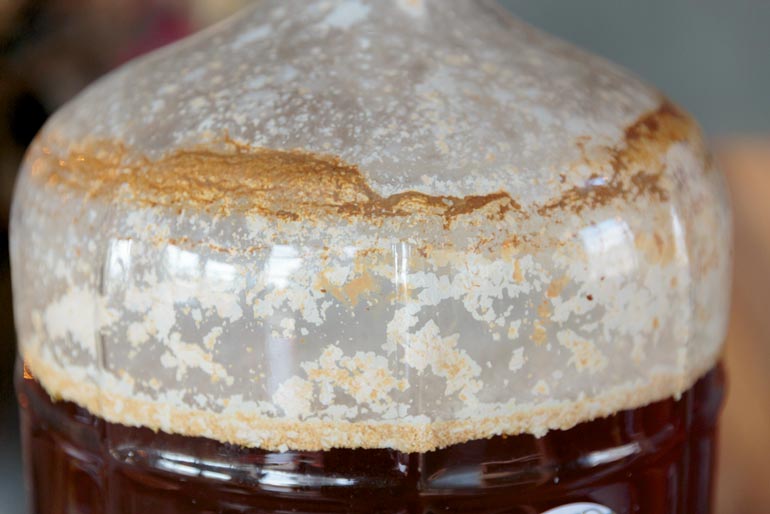
Customized Recipe For Doppelbock To Try At Home
If you’re a fan of rich, malty beers and want to try your hand at brewing something a bit more complex, a customized Doppelbock is the perfect choice. With a few personalized touches, you can create a unique and darker version that reflects your taste preferences while still capturing the essence of this classic style.
Let’s dive into the step-by-step process of brewing your own customized Doppelbock at home.
Ingredients
1. Malt Bill:
– 10 lbs (4.5 kg) Munich Malt (70-80% of the grain bill for rich malt sweetness)
– 1.5 lbs (0.7 kg) Pilsner Malt (adds smooth graininess and lightens the body)
– 1 lb (0.45 kg) Caramunich Malt (contributes caramel sweetness and body)
– 0.5 lb (0.23 kg) Chocolate Malt (for deep color and a hint of roast)
– 0.25 lb (0.11 kg) Melanoidin Malt (enhances malt richness and adds complexity)
2. Hops:
– 1.0 oz (28g) Hallertau or Tettnang Hops (for mild bitterness, added at 60 minutes)
– 0.5 oz (14g) Saaz Hops (for aroma, added at 15 minutes)
3. Yeast:
– Wyeast 2206 Bavarian Lager or White Labs WLP833 German Bock Lager (use a lager yeast suitable for cold fermentation)
4. Additional Ingredients:
– 1 lb (0.45 kg) Honey or Maple Syrup (optional for a personalized twist; adds subtle sweetness and complexity)
– Water: Treat water with calcium chloride to enhance maltiness, especially if your water profile is soft.
Step-by-Step Instructions
Step 1. Mash the Grains
Heat 3.5 gallons of water to around 165°F (74°C).
Add the crushed grains (Munich, Pilsner, Caramunich, Chocolate, Melanoidin) to the water to achieve a mash temperature of 152-154°F (67-68°C).
Stir well to avoid clumps and maintain this temperature for 60 minutes.
After 60 minutes, raise the mash temperature to 170°F (77°C) for a 10-minute mash-out to stop enzymatic activity and improve the efficiency of the grain.
Step 2. Sparge and Collect Wort
Heat 4 gallons of water to 170°F (77°C) for sparging.
Drain the first runnings of the mash into the kettle, then slowly sparge with the 170°F water until you collect around 6.5 gallons of wort in your brew kettle.
Step 3. Boil the Wort
Bring the wort to a rolling boil. Boil for 90 minutes to concentrate the sugars and develop deep flavors.
60 minutes left in the boil: Add 1.0 oz of Hallertau or Tettnang hops for bitterness.
15 minutes left in the boil: Add 0.5 oz of Saaz hop aroma.
If using honey or maple syrup, add it during the last 10 minutes of the boil for a touch of sweetness and complexity.
Step 4. Chill the Wort
After boiling, chill the wort as quickly as possible using an immersion chiller or a cold water bath.
Cool the wort down to around 50°F (10°C), the ideal temperature for pitching lager yeast.
Step 5. Fermentation
Transfer the cooled wort into a sanitized fermentation vessel.
Aerate the wort by shaking or stirring to introduce oxygen.
Pitch your yeast (Wyeast 2206 Bavarian Lager or White Labs WLP833) into the wort.
Ferment at 48-52°F (9-11°C) for 2-3 weeks. Lager yeast works slower than ale yeast, so patience is key.
Step 6. Diacetyl Rest
After fermentation is almost complete, raise the temperature to 60-65°F (15-18°C) for 2-3 days to perform a diacetyl rest. This helps the yeast clean up off-flavors like buttery diacetyl.
Step 7. Lagering
Once fermentation is finished, transfer the beer to a secondary fermenter for lagering. Lager the beer at 34-38°F (1-3°C) for at least 4 weeks (longer for better results). This aging process will smooth out flavors and give the Doppelbock its characteristic clean profile.
Step 8. Carbonation
If bottling, prime the beer with enough sugar to achieve 2.2-2.7 volumes of CO2.
If kegging, force carbonate to the same level.
Step 9. Serving And Enjoying
Doppelbocks are best enjoyed when slightly chilled but not too cold (45-50°F / 7-10°C) to let the malty richness shine. Pour into a traditional German stein or tulip glass to capture the aroma and depth of flavor.
7 Popular Doppelbock Beer And Brands
Across the globe, several breweries have mastered the art of crafting exceptional Doppelbocks, each with its own unique flavor profile. Below are 11 popular Doppelbock brands that showcase the best of this style, offering a range of interpretations from traditional German varieties to modern takes from craft breweries around the world.
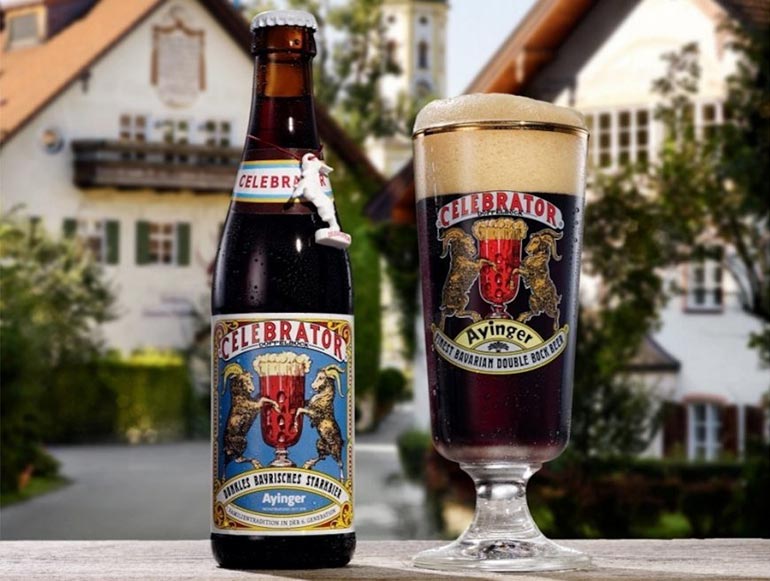
Ayinger Privatbrauerei – Celebrator
The Ayinger Celebrator is a world-renowned doppelbock, celebrated (as it were) for its rich malt character and smooth, velvety texture. With deep, dark flavors of caramel, toffee and a hint of chocolate, it’s a full-bodied beer that balances sweetness with a touch of bitterness. Ayinger Privatbrauerei, located in Bavaria, has been producing exceptional brews for over a century, and Celebrator stands as one of their finest creations.
-
Untappd Rating: ⭐3.76
-
Total Ratings: 174,110
-
Open: 8:00 AM to 6:00 PM
-
Address: Gewerbegebiet An der Münchner Straße, Münchener Str. 21, 85653 Aying, Germany
-
Website: Ayinger Privatbrauerei
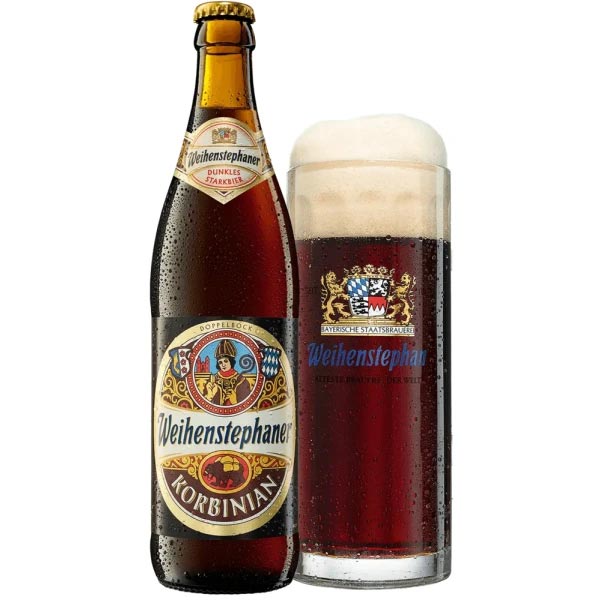
Bayerische Staatsbrauerei Weihenstephan – Doppelbock Korbinian
Doppelbock Korbinian is a rich, full-bodied beer with darker malts flavors of caramel, dark fruits, and a hint of chocolate. Its smooth finish and balanced sweetness make it a perfect example of a classic Bavarian specialty. Weihenstephan Brewery, established in 1040, is the world’s oldest brewery, and Korbinian stands as a testament to their centuries-long tradition of brewing excellence.
-
Untappd Rating: ⭐3.78
-
Total Ratings: 78,503
-
Open: 7:30 AM to 4:00 PM
-
Address: Alte Akademie 2, 85354 Freising, Germany
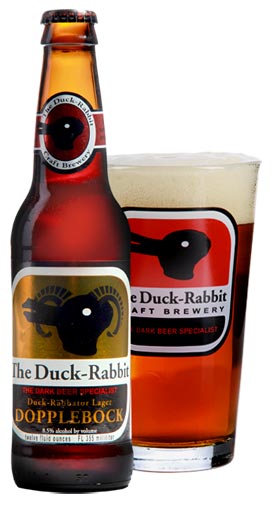
Duck-Rabbit Craft Brewery – Duck-Rabbator
Duck-Rabbit Craft Brewery’s Duck-Rabbator is yet another robust doppelbock with rich, malty flavors of caramel, dark chocolate and a hint of dried fruit. Full-bodied and smooth, it delivers a satisfying balance of sweetness and a subtle bitterness. Duck-Rabbit Craft Brewery, founded in 2004 in North Carolina, has built a reputation for producing bold, flavorful brews like this standout doppelbock.
-
Untappd Rating: ⭐3.76
-
Total Ratings: 6,764
-
Open: 3:00 PM to 8:00 PM
-
Address: 4519 W Pine St, Farmville, NC 27828, United States
-
Website: Duck-Rabbit Craft Brewery
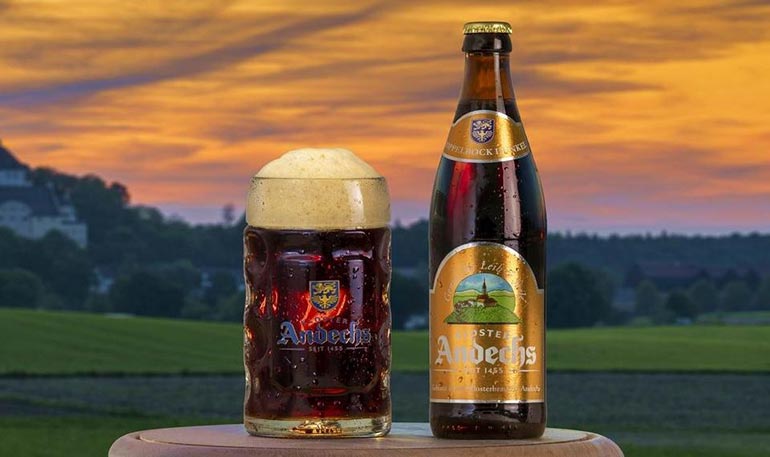
Kloster Andechs – Doppelbock Dunkel
The Doppelbock Dunkel is a richly layered beer with deep malt flavors of caramel, dark variants of chocolate and roasted nuts, balanced by a smooth, velvety finish. It offers a perfect blend of sweetness and bitterness. Brewed by the Benedictine monks at Kloster Andechs, a monastic brewery established in 1455, it stands as a timeless example of traditional Bavarian craftsmanship.
-
Untappd Rating: ⭐3.69
-
Total Ratings: 56,927
-
Open: 6:45 AM to 12:00 PM – 1 PM to 4:30 PM
-
Address: Bergstraße 2, 82346 Andechs, Germany
-
Website: Kloster Andechs
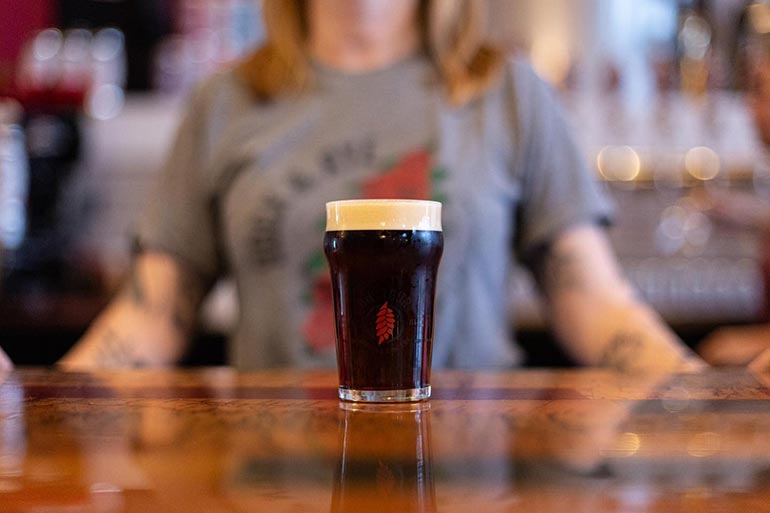
On Tour Brewing – Spectator
On Tour Brewing’s “Spectator” is a crisp and refreshing doppelbock with a clean, light malt profile and subtle hop bitterness. This easy-drinking beer is ideal for any occasion, offering a smooth and approachable flavor that appeals to a wide range of palates. With its bright golden hue and sessionable ABV (by Doppelbock standards), Spectator is a crowd-pleaser for both casual beer enthusiasts and craft aficionados alike.
-
Untappd Rating: ⭐3.79
-
Total Ratings: 1,059
-
Open: 3:00 PM to 9:00 PM
-
Address: 1725 W Hubbard St, Chicago, IL 60622, United States
-
Website: On Tour Brewing
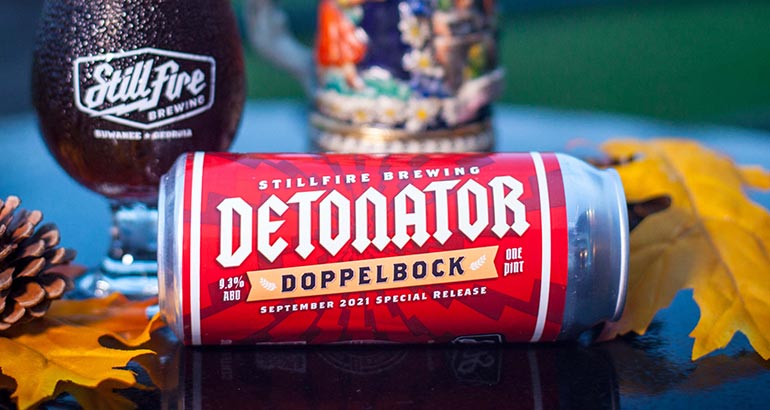
StilFire Brewing – Detonator Doppelbock
StillFire Brewing’s “Detonator Doppelbock” is a bold and malty brew, featuring rich flavors of caramel, dark fruit and toasted bread. This deep amber doppelbock boasts a smooth, full-bodied mouthfeel with a warming finish, which makes it perfect for cooler days. With its higher ABV of 9.3%, Detonator delivers a robust experience for those who enjoy traditional German-style strong lagers with a hearty malt backbone.
-
Untappd Rating: ⭐3.93
-
Total Ratings: 165
-
Address: 343 US-23, Suwanee, GA 30024, United States
-
Website: StillFire Brewing
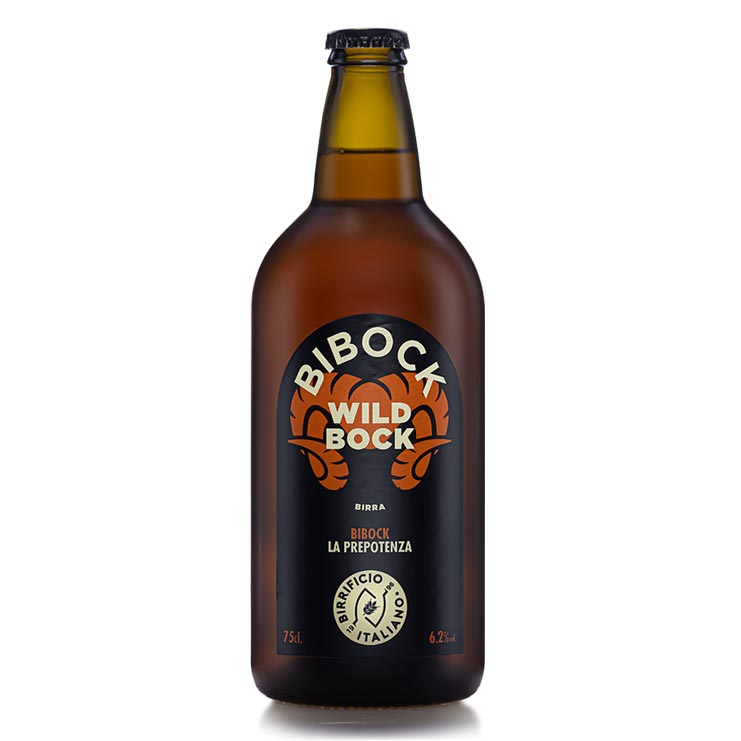
Birrificio Italiano – Bibock
Birrificio Italiano’s “Bibock” is a traditional bock-style beer with a rich malt character, offering notes of caramel, toasted bread and a hint of dark fruit. Brewed with a focus on balance and complexity, this amber-hued beer has a smooth, full-bodied texture and a mildly sweet finish. With its 6.2% ABV, Bibock is a delightful choice for those who appreciate classic German-style beers with an Italian twist.
-
Untappd Rating: ⭐3.55
-
Total Ratings: 4,329
-
Open: 8:30 AM to 5:30 PM
-
Address: Via Marconi 27 22070 – Limido Comasco, Como, Italy
-
Website: Birrificio Italiano
Photos Courtesy Respective Breweries
Doppelbock Best Brands
These delectable brands are the highest-rated Doppelbock beers that have been evaluated in The Beer Connoisseur‘s Official Review.
We recommend seeking out these exemplars of the style.
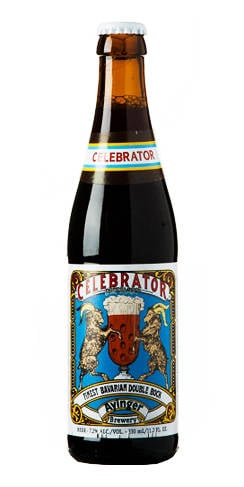
Celebrator
Ayinger Brewery
Rated 95 (Exceptional)
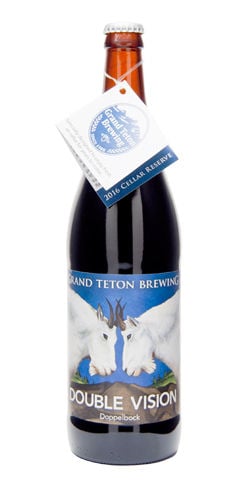
Double Vision Doppelbock
Grand Teton Brewing Co.
Rated 95 (Exceptional)
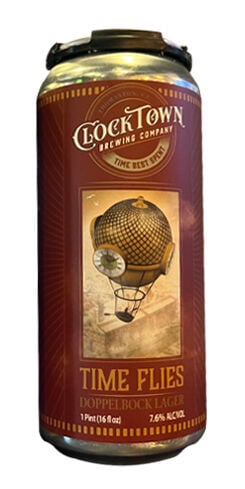
Time Flies
Clocktown Brewing Co.
Rated 94 (Exceptional)
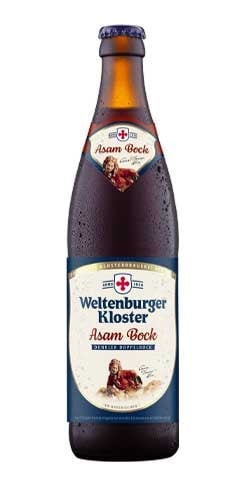
Weltenburger Asam Bock
Weltenburger Kloster
Rated 94 (Exceptional)
Judging Criteria for Doppelbock
The Beer Connoisseur’s Official Review is conducted in a single-blind format that adheres to the Beer Judge Certification Program (BJCP).
The BJCP criteria for reviewing Doppelbock is as follows.
Style Family – Strong European Beer, Category 9
- Category 9A. Doppelbock
- Category 9B. Eisbock
- Category 9C. Baltic Porter
Download the BJCP 2021 Style Guidelines (PDF version) for a full description of this style.
Frequently Asked Questions
Is Doppelbock a lager or an ale?
Doppelbock is a strong, malty lager. It belongs to the Bock family of beers, characterized by its rich, caramel flavors and bottom-fermenting lager yeast used in brewing.
What does Doppelbock taste like?
It often has a smooth, slightly sweet taste with a mild roasted finish.
Is a double bock a dark beer?
Yes, Doppelbock is typically a dark beer, known for its deep amber to dark brown color. It often features rich malt flavors and roasted undertones, though lighter versions do exist.
What is the difference between Doppelbock and Dunkel?
Doppelbock is stronger, maltier and higher in alcohol than Dunkel, offering rich caramel and dark fruit notes. Dunkel is a lighter, traditional dark lager with roasted malt flavors and a smoother, more subtle profile.
When should I drink Doppelbock?
Doppelbock is best enjoyed during colder months or festive occasions.
What is the difference between bock beer and regular beer?
Bock beer differs from regular beer due to its stronger malt profile, higher alcohol content and fuller body. It has a rich, caramel sweetness, whereas regular beers, like lagers or ales, are often lighter and more balanced in flavor.
What is the difference between a Bock and a double Bock?
The main difference between Bock and Doppelbock beer lies in their strength and flavor. Doppelbocks are stronger and darker versions of Bock, with a higher alcohol content and a richer, more intense malt character. While both are malty lagers, Doppelbock tends to have deeper caramel and toasted notes.
Is Double Bock a stout?
No, Doppelbock is not a stout, it is a lager.
What makes a beer a double?
A beer is labeled as “double” when it has a higher alcohol content and more intense flavors than its standard version.
Is Doppelbock sweet?
Yes, Doppelbock is typically sweet, featuring a rich malt profile that includes caramel and toasty notes. However, the level of sweetness can vary among different brewers and styles.
How long does it take for Doppelbock to ferment?
Doppelbock generally ferments for 2 to 4 weeks, with primary fermentation lasting 1 to 2 weeks, followed by a lagering period to enhance its rich flavors.
Doppelbock: Where History Meets Flavor
Many German and Belgian beer styles date back hundreds of years, and yet they still can impress beer lovers with their depth of flavor generations after they were first brewed.
Doppelbock is one such beer style. With its rich, malty base and strong, boozy backbone, Doppelbock will almost always go down smoothly, whether you’re celebrating a notable occasion or simply kicking one back after a hard week of work.
When you sip a doppelbock, you’re tracing a lineage that dates back to monks from the 1600s, who simply crafted this amazing style so as to avoid feeling too fatigued while fasting.
While it’s unlikely that quaffing a doppelbock goes hand-in-hand with fasting these days, it’s still an incredible beer style that all beer fans should sample if you haven’t already.

Conversations (0)
No comments yet.