


Can Breweries Bring Back America’s Third Places?
 Story by:
Jim Dykstra
Do you remember when dating didn’t require an app, and you could fall in love with someone you met at the pub? How about spending an entire afternoon at the mall with friends, with nowhere in particular to be? These were the kinds of spaces sociologist Ray Oldenburg called “third places“: informal gathering spots between home and work where people could connect, exchange ideas, and find common ground. They provided a welcome buffer against the isolation of everyday life, something still evident in English pub culture or the Spanish plaza.
American brewer and entrepreneur Colby Cox believes beer can help bring these places back. What starts with beer can grow into entire communities.
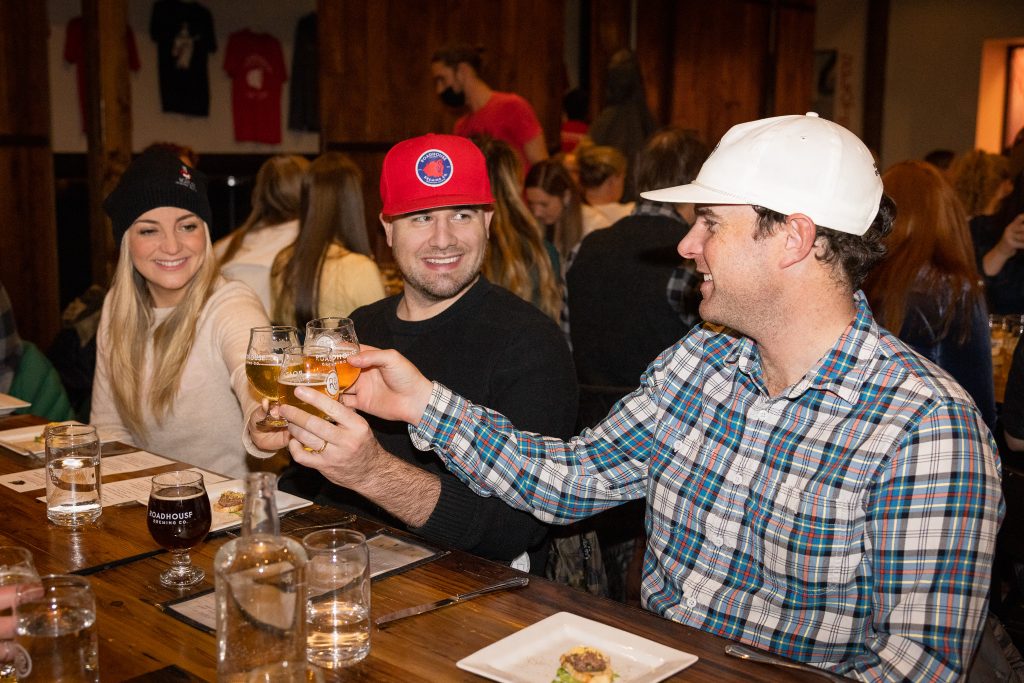
Cox has seen many sides of America’s craft beer industry. A Delaware native, he worked at Dogfish Head before becoming an award-winning homebrewer. In 2012, he teamed up with restaurateur Gavin Fine to establish Roadhouse Brewing in Jackson Hole, Wyoming. The company expanded into production brewing in 2018, the same year it opened a pub on the town’s historic square.
Back home in Milton, Delaware, Cox is the founder of Convergence Communities. His first project there, Cannery Village, surrounds the Dogfish Head brewery. His latest, The Granary, is an ambitious 451-acre, 15-year development designed around shared green spaces, walkability, and community gathering places. Among its planned amenities is a brewery incubator intended to support emerging entrepreneurs while bringing neighbors together.
Drawing on decades of experience in brewing and community development, Cox offers his perspective on what makes a successful third place, why America has lost so many of them, and how breweries might help bring them back.
A Conversation With Colby Cox
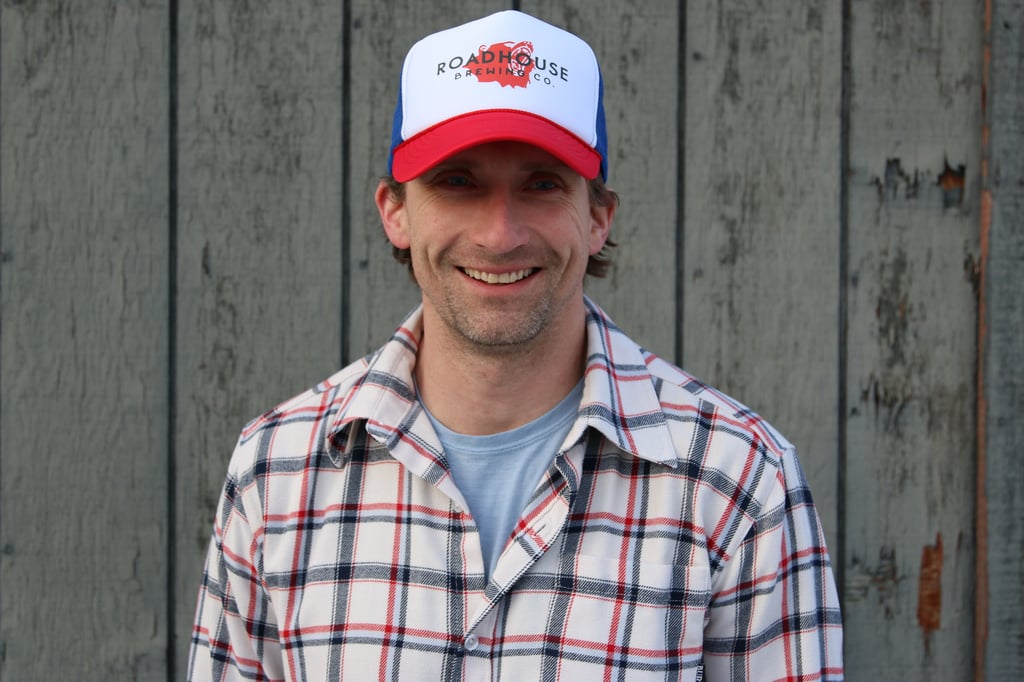
When you think about Roadhouse Brewing’s role in Jackson Hole, what stands out beyond the beer?
Beyond the beer, I think about belonging. A brewery gives people a reason to come together, but the relationships and experiences they have there are what make it meaningful.
Bringing Roadhouse to Jackson Hole’s Town Square reinforced that for me. We became easier to encounter naturally, as part of everyday life, for tourists and locals. Gathering places need to fit into people’s routines so connecting with your neighbors doesn’t always require making plans.
More Spaces for Third Places
The idea of breweries as third places is gaining traction elsewhere, too. In Massachusetts, The Guild Garden at Plainville Square was conceived as part of a broader effort to revitalize the town center through food, beer, and community gathering spaces.
What makes a genuinely successful third place?
A successful third place is somewhere you feel comfortable showing up without a special occasion. It’s accessible, welcoming, and gives you a reason to stay. Over time, familiar faces become people you know, and the place becomes part of your life.
One of the biggest lessons I’ve learned is that design alone cannot create community. You can build a beautiful space, but you also have to give people reasons to use it.
At The Granary, that means thinking about our parks, trails, and gathering spaces alongside the activities that bring them to life. Success comes when those places become part of residents’ everyday routines, where they foster relationships, make new connections, and create memories.
What’s driving the decline of American third places, and how have people’s social habits changed during your time in brewing?
We’ve made it increasingly easy to spend our lives within our own isolated ecosystems. We can work, shop, and entertain ourselves without leaving home. COVID accelerated that, but we were already losing some of the everyday reasons people had to encounter one another.
In brewing, I’ve seen how much the overall experience matters. People are asking whether a place is worth leaving home for: Can they bring their family? Is there something to do for everyone? Will they feel welcome?
That’s part of what we’re responding to at The Granary. We’re creating reasons to step outside, explore, and participate. Connected trails, public parks, and community events all contribute to making interaction easier and more appealing.
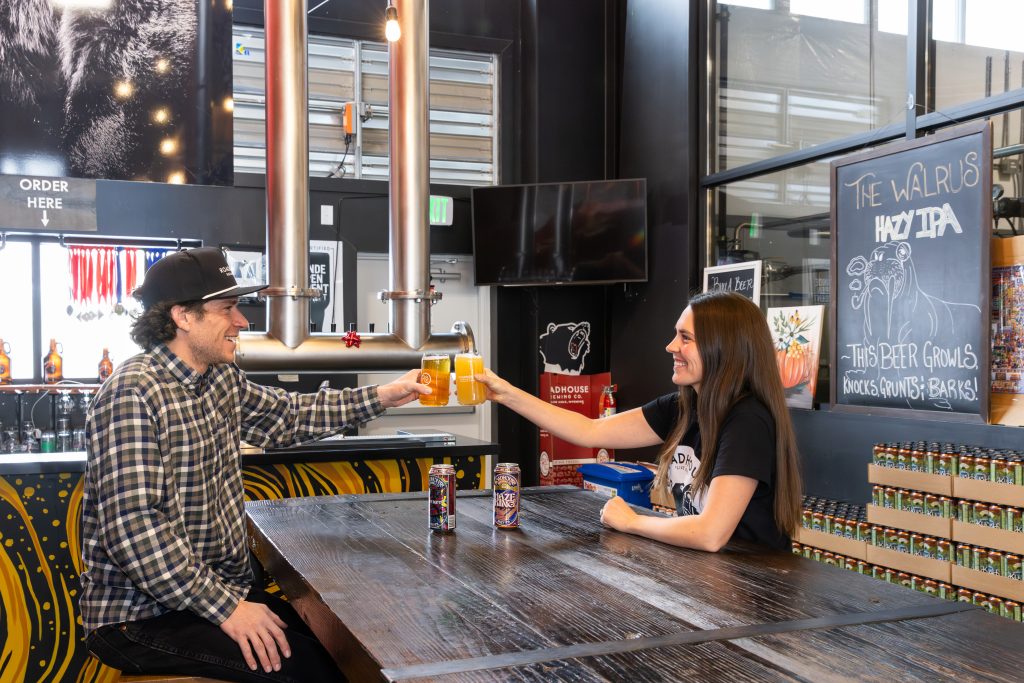
Other cultures have longstanding traditions of communal gathering. What could Americans learn from them?
I think the lesson is that social connection deserves a place in everyday life. Gathering doesn’t always need to be a scheduled event. When people have somewhere familiar and convenient to go, interaction can happen naturally.
Historically, beer halls and other communal gathering places provided settings where people could discuss ideas, conduct business, and get to know one another. The opportunity today is to make room for those everyday exchanges in ways that fit how people live now.
At The Granary, we’re thinking about that through connected outdoor spaces and places to gather. We also want those spaces to connect with Milton, welcoming the surrounding community into the life of the neighborhood. It’s important for us to invite people in, not keep them out.
There’s a difference between drinking socially and simply consuming alcohol. What can sharing a beer offer that digital socializing cannot?
Sharing a beer gives people a familiar reason to sit down together. It creates an informal setting where conversation can unfold and people can discover what they have in common, such as their taste in craft beer.
When you’re physically together, you experience body language, tone, humor, and spontaneous exchanges that are harder to recreate digitally. You get to know someone beyond how they present themselves online.
We want to create settings where neighbors can spend time together and build relationships through frequent, ordinary encounters. Beer can be one invitation into that experience, but the gathering place should offer value whether someone drinks or not.
How can brewery owners make their spaces welcoming to families, non-drinkers, and people who might not ordinarily visit a bar?
You have to consider the experience of everyone who walks through the door. For families, there’s a meaningful difference between a brewery that allows children and one that offers a setting that works for them. Safe, visible activity areas can give children something enjoyable to do while parents have an opportunity to connect.
The same consideration should extend to non-drinkers through appealing alcohol-free options, food, activities, and hospitality that makes everyone feel welcome.
It’s about creating somewhere people feel comfortable bringing a friend, meeting neighbors, or spending an afternoon together, regardless of age or whether they’re interested in drinking.
How has Roadhouse influenced your approach to community development, particularly the planned brewery incubator at The Granary?
Roadhouse has helped me understand what brings people back to a place: accessibility, hospitality, a distinct identity, and an experience they want to be part of. My development experience has taught me that you also need programming and ongoing activity to turn a physical space into a community gathering place.
The Granary’s planned brewery incubator brings those lessons together with my interest in entrepreneurship. The concept is to provide equipped production space through a revenue-sharing arrangement, helping emerging businesses get started without having to fund all that infrastructure themselves.
In return, serving the community through an operating taproom would be central to the arrangement. Entrepreneurs would gain an opportunity to build a business, and the neighborhood would gain a gathering place with its own identity and activity.
Over time, I’d like to see successful businesses outgrow the space and make room for others. That would allow the incubator to keep contributing to both the social and economic life of The Granary and the Town of Milton.
What are the biggest obstacles to bringing back third places, and what might American communities look like in 20 years if we made them a priority?
Economics is a real obstacle. These places require capital, ongoing operations, and people committed to making them work. Accessibility matters, too. If every visit requires a special trip, becoming part of someone’s routine is harder.
There’s also a tendency to focus on building a space without giving enough thought to how people will actually use it. At The Granary, we’re trying to address both: creating places to gather and investing in the activities and relationships that bring people into them.
If we made that a priority over the next 20 years, I’d hope to see more neighborhoods where people know one another, local businesses become part of daily life, and different generations regularly cross paths.
Conversations (0)
No comments yet.