



Same but Different: Non-Alcoholic Beer Consumption Continues to Grow
 Story by:
Jessica Zimmer
Story by:
Jessica Zimmer
From Japanese Style Dry to IPA, Americans have the ability to choose from a wide range of options when it comes to non-alcoholic beer consumption. Lagers are among the most common non-alcoholic beer styles, reflecting the broader popularity of lager in the U.S. Yet brewers are always considering what new flavors to develop to retain existing customers and attract new ones.
The non-alcoholic beer category saw 23 percent growth in 2025. Growth remains in the double digits, though at a slower rate, and Beer Institute chief economist Dr. Andrew Heritage expects non-alcoholic beer’s share of all beer sold to eventually reach 2 to 3 percent. Data supporting this projection come from the Beer Institute, a Washington, D.C., trade organization that represents U.S. brewers.
As growth begins to slow, foreign and domestic brewers of non-alcoholic beers are encouraging feedback from customers and monitoring non-alcoholic beer consumption at events like music festivals and establishments like bars. This helps them understand what motivates customers to order one or more non-alcoholic beers.
“We’re seeing non-alcoholic beer become part of the ‘beer occasion,’ with summer being the highest selling season for non-alcoholic beer this year. Some customers drink only non-alcoholic beer. They’re excited by establishments that have non-alcoholic beers on draft. Other customers like alternating non-alcoholic beers between those with alcohol,” said Dr. Andrew Heritage, chief economist at the Beer Institute.
Data from NielsenIQ show that non-alcoholic beer makes up 87 percent of U.S. non-alcoholic adult-beverage sales. This means non-alcoholic beer significantly outpaces other options in the category, including non-alcoholic wine and non-alcoholic spirits.
One important note is that non-alcoholic beer may contain a small amount of alcohol—less than 0.5 percent alcohol by volume (ABV)—in line with regulations from the U.S. Alcohol and Tobacco Tax and Trade Bureau (TTB). In contrast, beer labeled alcohol-free must contain no alcohol.
Two Approaches to Non-Alcoholic Beer
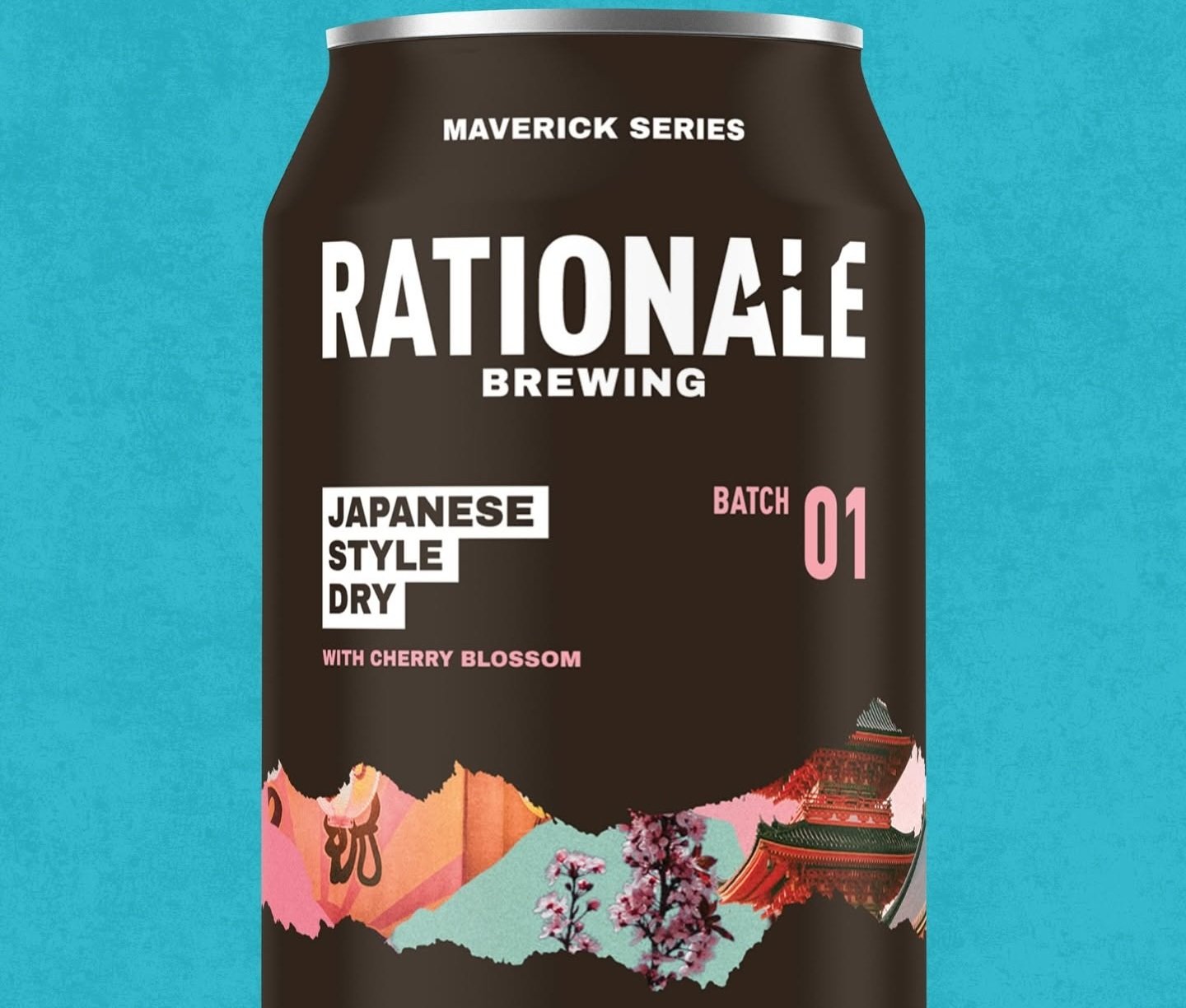
One distinctive option is RationAle Brewing’s Japanese Style Dry, a crisp, dry lager made with rice, Pilsner malt, Saphir hops and cherry blossom. RationAle is an Encinitas, California-based non-alcoholic brewer that released this beer in 2025. Originally, Japanese Style Dry was a limited-edition brew in RationAle’s Maverick Series.
“We made it into a regular product because it became a best-seller. It’s a unique style in the market. It’s brewed with Pilsner malt and rice, with Saphir hops and cherry blossom that gives the beer a subtle floral note. That comes from organic natural cherry blossom extract. This beer pairs well with spicy foods,” said Jamie Fay, cofounder of RationAle Brewing.
RationAle expanded its production in 2025 through Octopi Brewing, an Asahi-owned brewing and co-packing facility in Wisconsin.
RationAle plans to add two new seasonal beers in 2027. It is currently watching and listening to what customers prefer by reviewing its online sales and engagement at beer and music festivals.
“I spent 30 years in consumer goods, including beverages. I got into non-alcoholic beer in 2022. At the time, I was drinking a lot of kombucha and soft drinks. My two sons, Tyler and Carter Fay, were starting college. I decided to talk to them about concerns with student drinking. I used the term ‘rational’ more than once,” said Fay.
By the next day, the three Fays were discussing developing a line of non-alcoholic beers. Carter Fay suggested the name “RationAle” for the brand.
“We planned out all our non-alcoholic beers, Mexican Style Brew, Hazy IPA, West Coast IPA, and Kölsch Style, after listening to what customers wanted. We’re always working to improve the mouthfeel, to make our beers more juicy, more bitter, whatever’s needed to get the best taste,” said Fay.
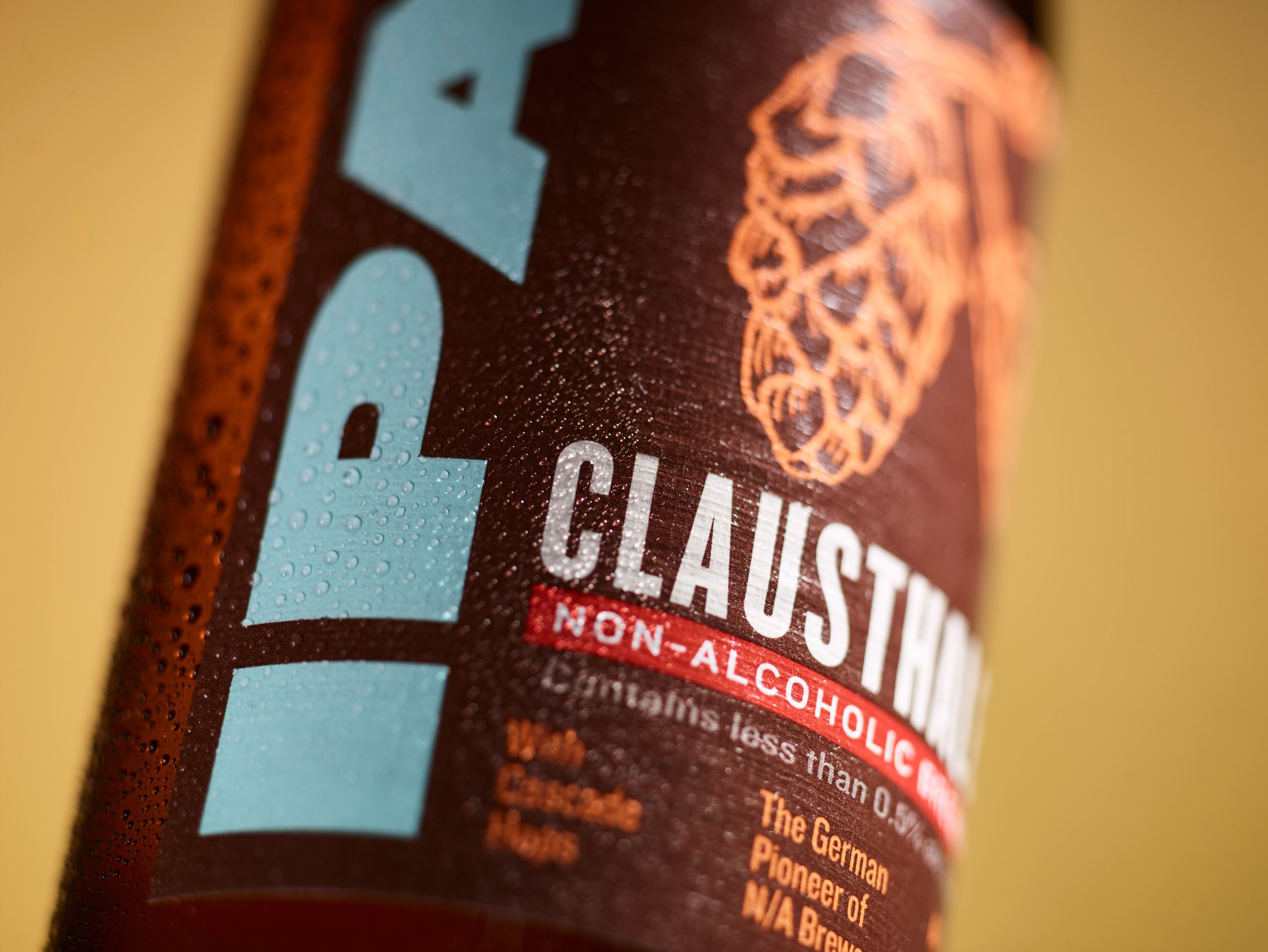
The story behind Clausthaler IPA is different. Clausthaler, a German non-alcoholic brewer, introduced this beer in 2023.
“It’s our take on the American style IPA. It’s a dry hopped beer made with Cascade Hops and is only available in the U.S. It’s crisp and full-bodied, and drier compared to other non-alcoholic IPAs. I would say it’s a little hazy, with citrus and big piney, grassy notes. It pairs well with grilled or fried fish and burgers,” said John Kubicsko, senior brand manager for Radeberger Gruppe USA. Radeberger Gruppe USA is the U.S. importer of Clausthaler.
Clausthaler introduced its non-alcoholic beer in 1979 and has since expanded from Germany to more than 50 countries.
“The U.S. is our biggest consumer market outside Germany. We have a number of other beers that are only available in Germany like Extra Herb, a Pilsner style brew with extra hops that’s more bitter, and Naturtrüb, an unfiltered pale lager hopped with Cascade hops,” said Kubicsko.
Kubicsko echoed Heritage’s statement that customers appear to want non-alcoholic options to “feel part of the group.”
“In Germany and other countries, it’s not so much that people are looking to non-alcoholic beers for fitness or other health-related reasons. But they love the way beer tastes. They also want to enjoy beer with the many interesting food pairing options,” said Kubicsko.
Production Costs Limit Brewers
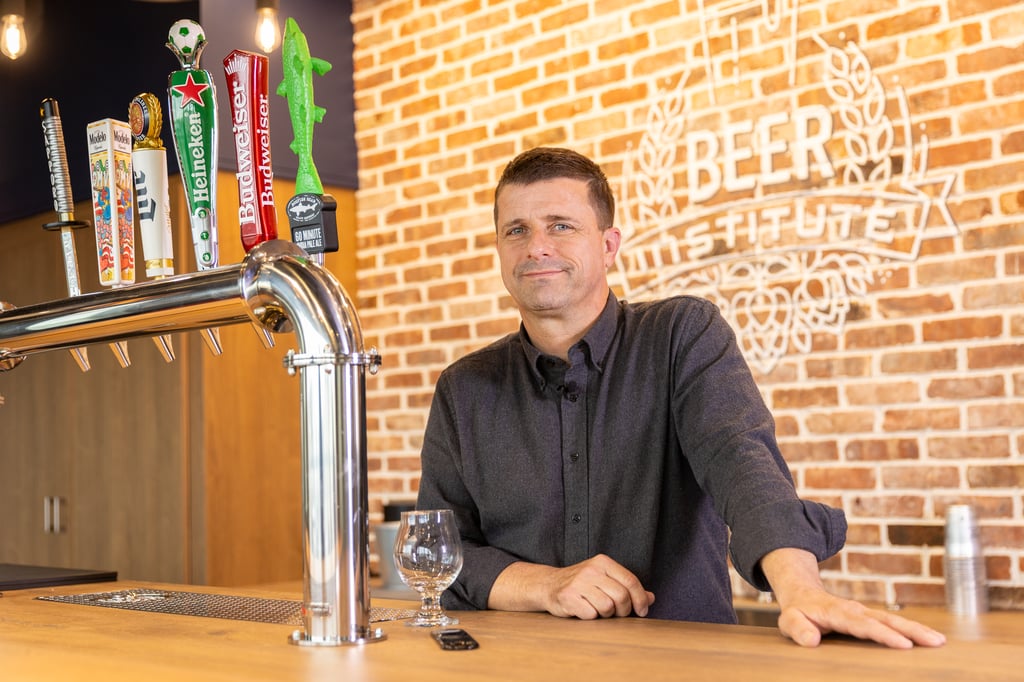
One concern for the future of non-alcoholic beer is that production costs are high. Equipment tends to cost hundreds of thousands of dollars. This puts large brewers such as Heineken in a better position to introduce non-alcoholic beers.
Neil Witte is a Master Cicerone®, Beer Institute consultant and associate director of exams for the Cicerone Certification Program. He said many small- to medium-sized breweries are exploring the prospect of making non-alcoholic beers, but most are not manufacturing them yet. “They don’t have the volume to get the attention of facilities with which they could contract. Contract brewers usually require volumes many small brewers cannot attain. That puts this option financially out of reach for the moment,” said Witte.
One of the lower-cost methods of making non-alcoholic beer is arrested fermentation. This method involves stopping fermentation earlier than normal. When brewers do this, they often also begin with a less fermentable wort. Wort is the pre-fermentation liquid extracted from the mashing process. Brewers may also use maltose-negative yeast to achieve a complete fermentation in which little to no alcohol is produced.
“The issue with this method is that a beer can taste ‘worty,’ simple and sweet. That’s what wort tastes like before fermentation. You might not get the fruity fermentation aromas and flavors you often get with ale yeast strains,” said Witte.
Those fruity flavors come from esters, which can taste like bananas, apples and pears. Some brewers add ingredients to beers made with this method to ensure the beers become flavorful and complex.
A more expensive method of making non-alcoholic beer is vacuum distillation. Here, the brewer makes the beer through a standard brewing method and then removes the alcohol through cooled distillation under a vacuum.
Reverse osmosis is another expensive method. This requires the brewer to ferment the beer in a standard way and then use a membrane to filter out the alcohol. The beer loses some water in the process, so the brewer has to add a small amount of water back to return the beer to its original level of dilution.
Alcohol in beer helps inhibit pathogen growth. Because non-alcoholic beers contain very little alcohol, brewers must account for additional food-safety risks. Pasteurization is one important method for helping ensure packaged non-alcoholic beer remains safe during distribution.
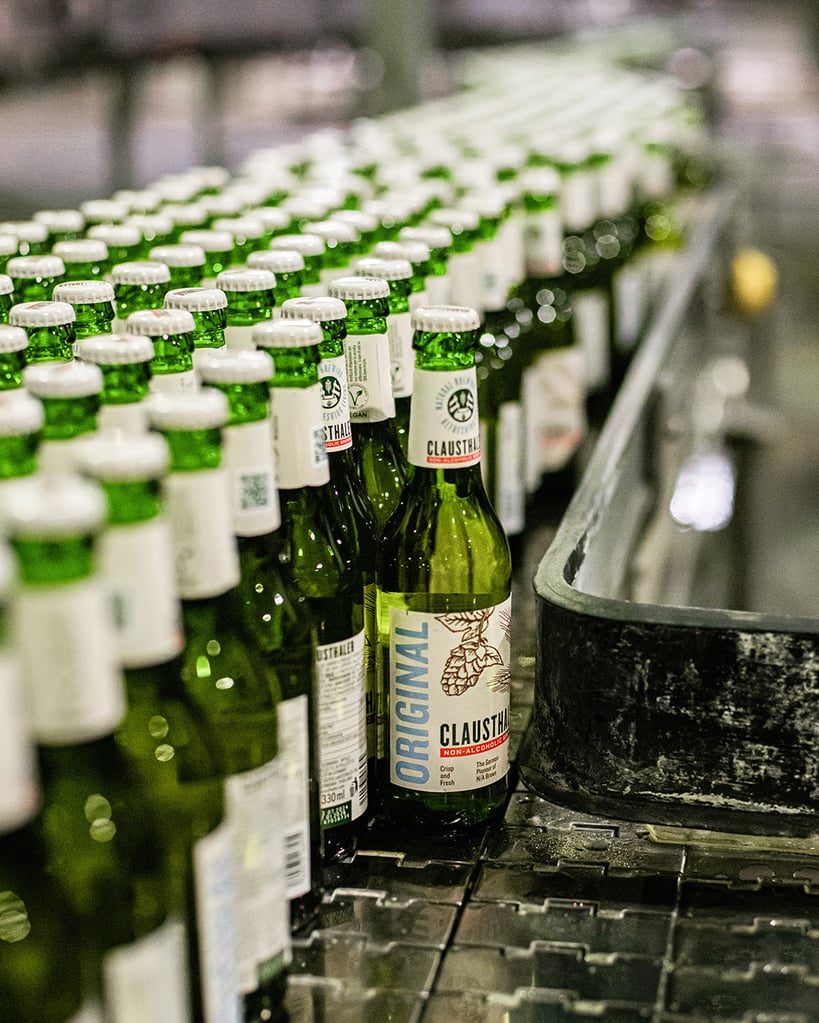
Clausthaler uses arrested fermentation to make Clausthaler Original and vacuum distillation to make its IPA. RationAle fully brews and ferments its beers to full strength, approximately 5 percent ABV, before using vacuum distillation to separate the ethanol.
Witte said some brewers have been using another proprietary method that involves removing alcohol through reverse osmosis, ultimately producing a beer concentrate. The brewers then add carbonated water back to the concentrate. “I am a beer educator, so I teach brewers, restaurant and bar owners, and servers. I try to learn as much as I can about different processes when I visit breweries, including details about how non-alcoholic beer is made,” said Witte.
All Body Photos Courtesy of Respective Breweries

Conversations (0)
No comments yet.