



From the Editor: Fall 2026, Issue 86
 Story by:
Chris Guest
Story by:
Chris Guest
Howdy folks! It’s time for Issue 86 of The Beer Connoisseur Magazine!
Beer has a funny relationship with time. We spend an awful lot of energy looking for what’s next, only to periodically rediscover something brewers figured out 50, 200 or 600 years ago and declare, correctly, that it is fantastic. This issue spends plenty of time looking in both directions.
We begin in Eastern Idaho, where Heide Brandes combines fly fishing, local beer and the occasional bull moose in a trip through some of the most scenic drinking territory in the country. Trout, Water and Taprooms takes us from the Teton River and Henry’s Fork to breweries and taprooms scattered across the region, where the barley in the glass may have grown only miles away. There are worse ways to spend a day than catching trout beneath the Tetons and finishing it with a locally brewed beer, as Heide conveys beautifully.
From there, Owen Ogletree asks a question worth considering: Can classic beer styles help rescue craft beer?
After years of bigger IPAs, sweeter stouts, fruitier sours and enough adjuncts to stock a modest grocery store, brewers and drinkers appear increasingly interested in balance, drinkability and tradition. English bitters, German lagers, Belgian ales and Czech pilsners may not win the arms race for the loudest tap-handle description, but they have something going for them: people have enjoyed drinking them for generations. Owen talks with brewers and industry professionals about whether looking backward might actually help craft beer find its footing again.
Of course, not every growing corner of beer looks traditional. Jessica Zimmer examines the continued growth of non-alcoholic beer, a category that has gone from afterthought to something brewers are taking very seriously. Brewers are experimenting with everything from Japanese-style dry lagers with cherry blossom to American-inspired IPAs while refining increasingly sophisticated methods of removing or limiting alcohol. Making a convincing non-alcoholic beer is not simply a matter of brewing beer and taking the booze out. As it turns out, removing one of beer’s defining ingredients creates an entirely new collection of technical problems. Naturally, brewers are finding ways to tackle them.
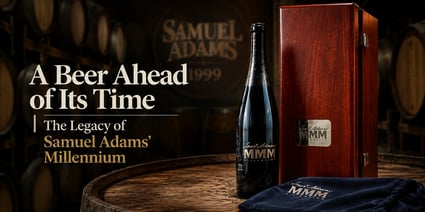
Then we go in almost exactly the opposite direction. Samuel Adams Millennium arrived in 1999 at roughly 21% ABV, packaged like a collectible spirit and built to challenge virtually every assumption surrounding beer at the time. More than a quarter-century later, Eric Griffin opened up bottle 1096 of 3000 to see how this extremely scarce Samuel Adams “Extreme Beer” held up. The process involves an aging cork, an Ah-So corkscrew, a lambic cradle, quite a bit of patience and the kind of anticipation befitting one of the rarest bottles of beer of all time.
The result is more than just a vintage beer tasting. Millennium provides a direct line from Samuel Adams Triple Bock to Utopias and serves as a reminder that many things now common in high-end craft beer—extreme strength, barrel aging, elaborate packaging, cellaring and collectible releases—once seemed genuinely radical. Perhaps even… extreme.
For an even longer trip backward, we head to Einbeck, Germany, where the roots of Bock beer stretch into the Middle Ages. The town exported strong beer centuries before anyone had heard of an imperial pastry stout, and its brewing history remains visible in both the city and the beers of Einbecker Brauhaus. James Link explores that history, visits Eulenfest and works through an impressively varied lineup of Bocks, from pale and dark classics to Doppelbock, barrel-aged and even alcohol-free interpretations.
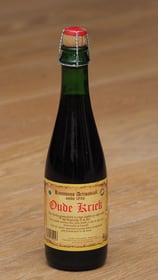
Jim Dykstra also brings us two very different World Class Beer Highlights. Hanssens Oude Kriek earned an extraordinary score of 99 in our Official Review after five years of cellaring. This is lambic at its most wonderfully uncompromising: dry, tart, deeply fruited, funky and capable of becoming more interesting rather than merely older as the years pass.
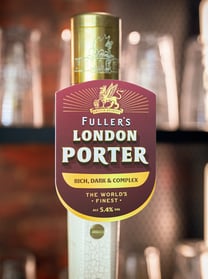
Fuller’s London Porter arrives at World Class status by a completely different route. With a score of 97, it reminds us that greatness does not require extremity. Chocolate, coffee, caramel, roast and a creamy finish come together in a beer that is complex enough to study and approachable enough to drink by the pint.
If there’s a common thread running through this issue, it’s that beer rarely stays put for long. Old styles come back around, once-radical techniques become commonplace, and entirely new categories can emerge before anyone quite knows what to make of them.
And somewhere along the way, somebody somewhere is enjoying a simple, crisp lager.
As always, you’ll also find new beers in the Official Review, fresh Brewer Q&As and plenty of beer news worth knowing.
Thanks for joining us for Issue 86. Here’s to knowing where beer has been, staying curious about where it’s headed and, most importantly, enjoying whatever happens to be in the glass.
Cheers!
Chris Guest
– Editor

Conversations (0)
No comments yet.