






Can Classic Beer Styles Rescue Craft Beer?
In a world overflowing with innovative flavors and quirky brews, could a return to our beer style roots be the answer to revitalizing the American craft beer scene?

 Story by:
Owen Ogletree
Story by:
Owen Ogletree
Before the COVID-19 pandemic, craft beer in the U.S. was on a roll. Breweries were opening everywhere, with creative brewers making innovative beers and grabbing the attention of trendy sectors of the drinking public. But it’s easy to forget that American craft beer innovation began with inspiration from Old World European beer styles that have really stood the test of time. As enthusiasm for craft beer is now in an unfortunate downturn, could it be time to rekindle an interest in the vast variety of fascinating and drinkable classic beer styles?
Could Old World beer styles possibly provide exactly the breath of fresh air the American craft beer scene needs? After years of chasing bigger, hazier, sweeter, stronger and more intensely flavored beers, there is growing interest in beers that emphasize balance, drinkability and tradition. Styles such as English bitters, Belgian ales, German lagers, altbier, kölsch, Bavarian wheat beers, and Czech pilsners may not always grab attention with flashy ingredients, outrageous flavors, or extreme statistics. Still, they reward the drinker with nuance, history, and character. They also allow brewers to focus on the fundamentals—quality ingredients, fermentation, technique and time—rather than simply adding more hops, alcohol or adjuncts.
Just as importantly, embracing Old World styles could reconnect craft beer with the sense of discovery that helped fuel the movement in the first place. These beers have stories, regional identities and centuries of brewing tradition behind them, giving drinkers something more meaningful to explore than the latest limited release. For American breweries, that doesn’t mean simply recreating European classics; it means taking those traditions and putting an American spin on them while respecting what made the originals endure.
The Case for a Classic Comeback: Nostalgia, Emotion & Timeless Appeal

Ask around in the American craft beer community, and you’ll find a chorus of voices who believe that classic styles aren’t just a comfort—they’re a necessity. David Liechty of Hogshead Brewery in Denver puts it plainly: “Classic beer styles are the foundation of the craft beer industry. Emotionally, and perhaps unreasonably, consumers all exhibit a form of survivorship bias. The craft beer scene will always rely on the thousands of years of filtering; we will always drink the finest representation of the product.”
For Liechty, it’s not just about taste. “Nostalgia and emotion connect us to our past, our families, and specific memories, making a familiar beer feel like an emotional anchor,” he says. “Classic beer styles never go away and support the craft brewing industry because they rely on emotional comfort, proven flavor chemistry, efficiency, and cultural tradition rather than passing trends.”
This view is echoed by Kirk Lombardi, co-founder of Zwei Brewing in Fort Collins. “When the opportunity arose to open our brewery, there was never any question about what its theme would be. I fell in love with classic German beer styles and German beer culture back in the ’80s and ’90s,” Lombardi remembers. Today, his brewery’s classic German lineup has become “the very persona of the brewery.” These traditions, he says, “have never let me down.”
Palate Fatigue & the Quest for Balance
After a decade of double-dry-hopped this and triple-barreled that, American beer drinkers might be showing signs of palate fatigue. Sachin Patel, co-owner of several Athens, Georgia gastropubs, sees this shift firsthand: “Consumers are experiencing palate fatigue with hyper-saturated, high-ABV IPA variations, causing them to gravitate toward sessionability, crisp drinkability, and most importantly, precision brewing.”
Patel identifies a market reality when he states, “Overall craft volume is experiencing a tightening market, down to the tune of about 4% in 2025. This opens up a significant opportunity for classic beer styles to emerge. Inherently tied to nostalgia, these traditional styles are becoming imperative for category growth.” The appeal of drinkable, lower-ABV options is clear: “Light lagers and lower-ABV options are driving some of the highest relative growth across taprooms and retail. Leaning into classic European and traditional American styles offers small-to-midsize breweries the best pathway to resuscitate volume, control ingredient overhead, and most importantly to help build long-term brand loyalty.”
Patel isn’t alone. John Roberts of Atlanta’s Bold Monk Brewing believes the craft beer pendulum is swinging back toward balance: “Classic beer styles can absolutely remain relevant, and they continue to provide one of the strongest foundations for innovation in craft brewing. The enduring appeal of pilsners, lagers, Belgian ales, porters, and countless other traditional styles lies in their balance, drinkability, and technical precision.”
Rediscovering the Art & Science of Brewing
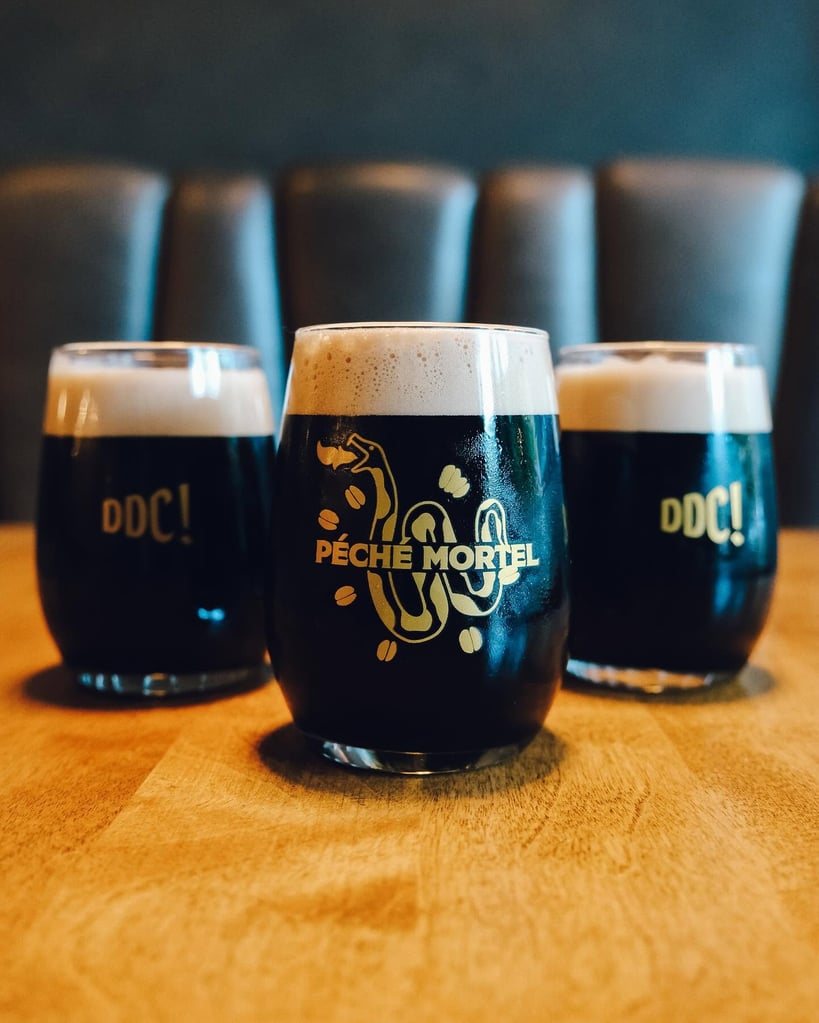
One irony of American craft beer’s latest era is that chasing the new sometimes meant ignoring the old. For brewers like Michael Fava of Novare Res Bier Café in Portland, Maine, classic styles are more than a fallback—they’re a lens for understanding beer itself. “Learning about classic beer styles sends the drinker on a chronological journey through the history of civilization. It connects the dots between agriculture, technology, geography, and innovation, defining why and how different beers taste the way they do,” Fava declares.
Fava sees education as a way to bring in new fans. “This knowledge provides a vocabulary for describing enjoyed flavors using a universal common language,” he says. “Discovering a beer style you love and getting excited about its history is what the world of beer is all about. Brewers today stand on the shoulders of generations of brewers. Learning about, respecting, and paying homage to past traditions is the duty of today’s brewers.”
Innovation Through Tradition
But returning to classic styles doesn’t mean the end of innovation. If anything, it changes the playing field. John Roberts adds, “Innovation doesn’t require abandoning these traditions—it comes from building upon them through thoughtful ingredient selection, modern hop varieties, refined fermentation techniques, and fresh interpretations that respect the character of the original beer.” He warns that the risk craft beer faces today is the same one that drove people away from mass-market lagers decades ago: sameness. “Hazy IPAs, lactose- and fruit-laden ‘sours,’ and syrupy imperial stouts have undoubtedly produced some memorable beers, but they have also become so ubiquitous that they risk making craft beer feel less diverse than it once was. Ironically, this mirrors the very conditions that gave rise to the craft beer revolution.”
The solution, according to Roberts, is a spectrum: “Craft beer was built on offering drinkers variety, creativity, and authenticity. Its future may depend not on chasing the next trend, but on embracing the full spectrum of beer—from impeccably brewed classics to thoughtful new interpretations—ensuring that innovation and tradition continue to inspire one another rather than compete.”
Fava, too, sees opportunity in blending reverence for the past with a sense of adventure: “There is an opportunity to excite a new generation of beer lovers by showing them which classic beer styles inspired today’s brews.”
Economic Realities & the Power of Simplicity
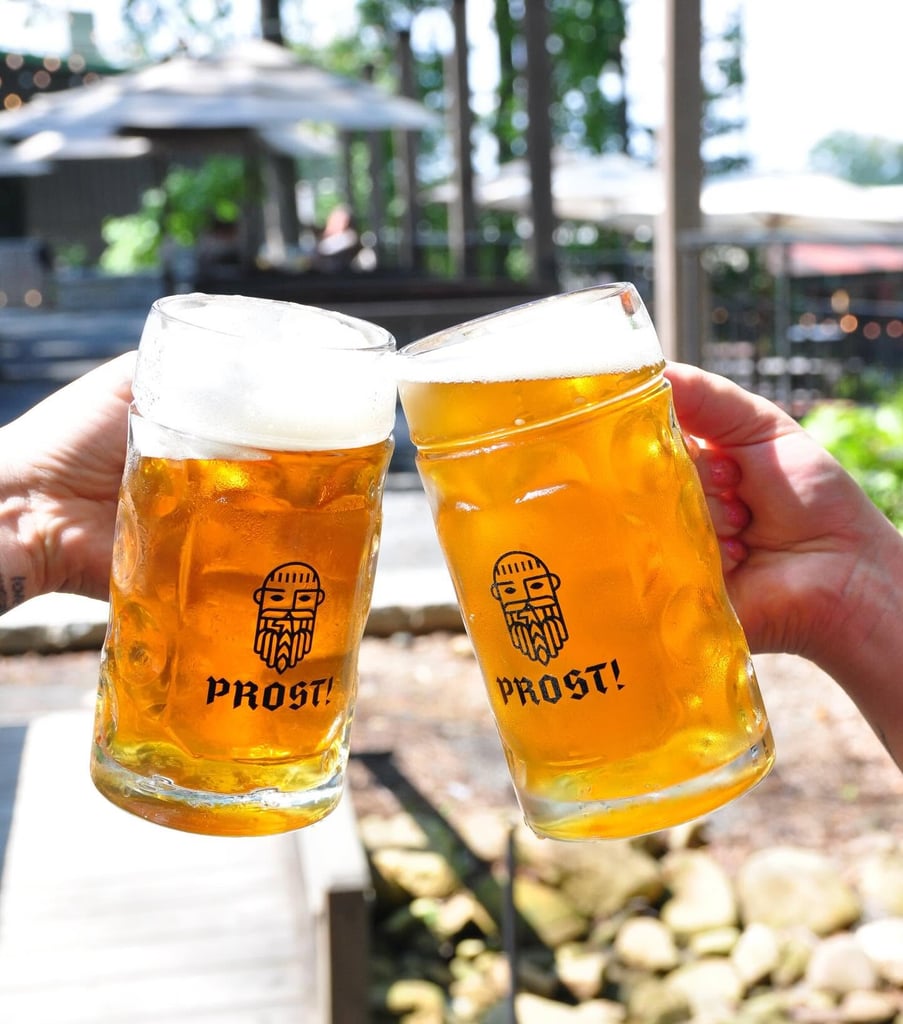
There’s another reason to look back at the classics: economics. Liechty points to the efficiencies that can come with traditional brewing: “Proven, efficient brewing processes and ingredients help cover growing operational costs. Fashionable entries will be bypassed and may be more expensive.”
Patel reinforces this point: “Pilsner, helles lager, kölsch, and traditional American pale ale give craft brewers a dual advantage: they provide an approachable entry point for casual domestic beer drinkers seeking an upgrade, while satisfying craft loyalists who value flawlessness and balance over novelty.”
Classic styles, with their focus on technique and quality over sheer novelty, might help breweries weather the current storm—both by attracting new customers and keeping production costs manageable.
The Tide Always Turns
Of course, trends are cyclical in the world of beer. Brian Grossman, chief brewer and second-generation owner of Sierra Nevada, has seen it firsthand. “Drinkers’ beer style preferences have ebbed and flowed over the centuries,” notes Grossman. “Different flavor profiles or ABV levels have come into favor and fallen out of favor like the changing of the tide. For the foreseeable future, I think certain classic beer styles will certainly continue to rise in favor, like pilsners, for example.”
For Grossman, the goal isn’t just to ride the wave—it’s to read it. “The challenge really lies in discerning what each new tide has brought us and what drinkers are seeking from their beverage experiences. Beer can deliver a huge range of flavors, aromas and drinking experiences; therefore, I believe it’s versatile enough to survive the inevitable ebb and flow. Classic styles might meet the moment in some cases. But long-term, the trick is going to be accurately predicting the tide changes, while finding ways to balance exciting flavor innovation with the roots and artistry of classic brewing.”
The American craft beer market may be facing a challenging period, but it’s also at a crossroads—one where innovation and tradition don’t have to be at odds. Lombardi’s experience at Zwei Brewing is a testament to the staying power of the classics. “To me, the classics—whether German, Czech, Belgian, Irish, or English—all speak the same word: ‘Beer.’ Simple and honest, these styles have never let me down.”
A Toast to Both Past & Future
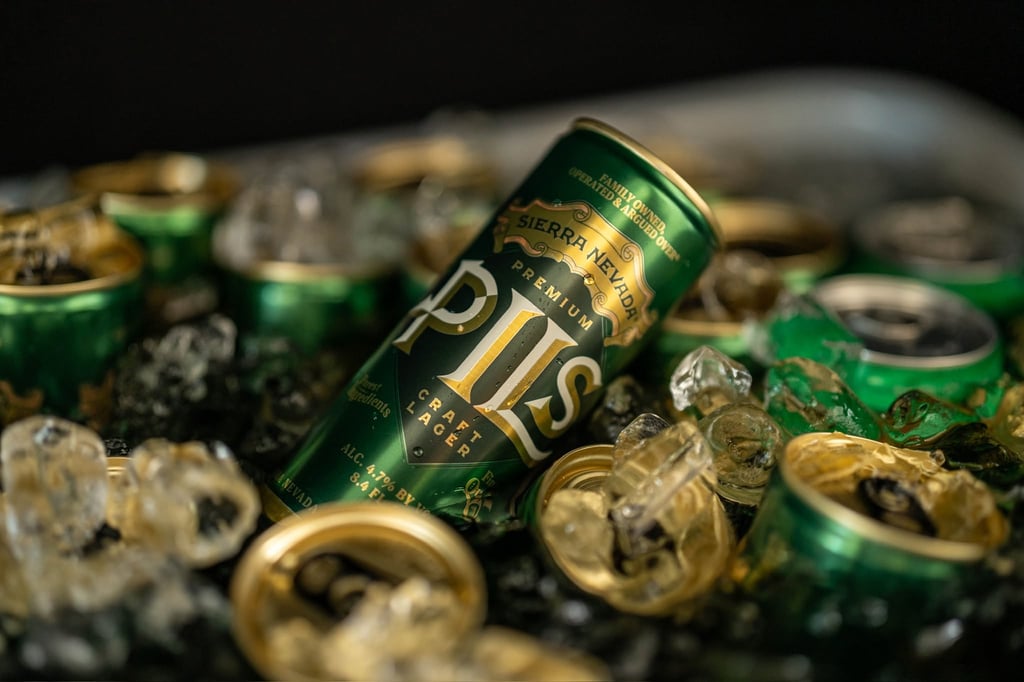
Classic beer styles aren’t a step backward—they’re a reminder of what made beer great to begin with. As American breweries search for ways to reinvigorate their craft and win back drinkers, they might discover that the answer isn’t in the next big thing, but in rediscovering the elegance and appeal of a flawlessly brewed classic ale or lager. With a nod to its roots and an eye on the horizon, the American craft beer industry may find that the path forward runs straight through the timeless classics.
All Images Courtesy Respective Establishments


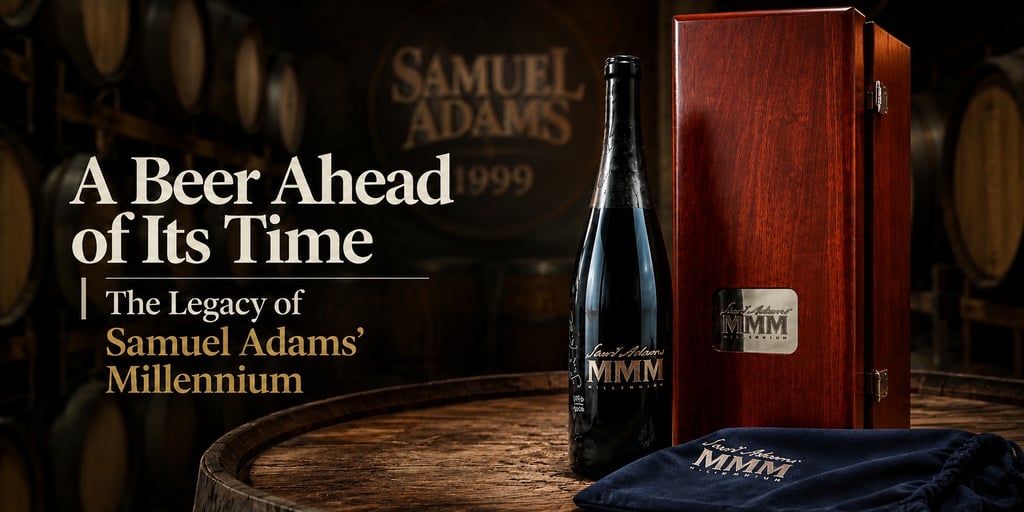
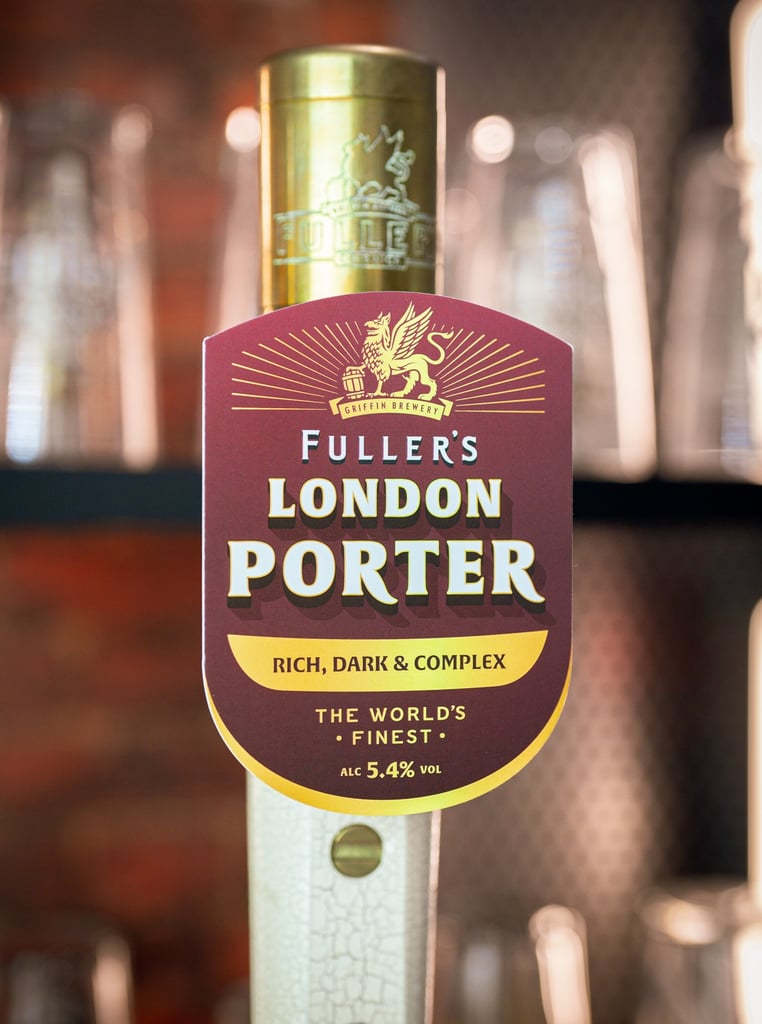

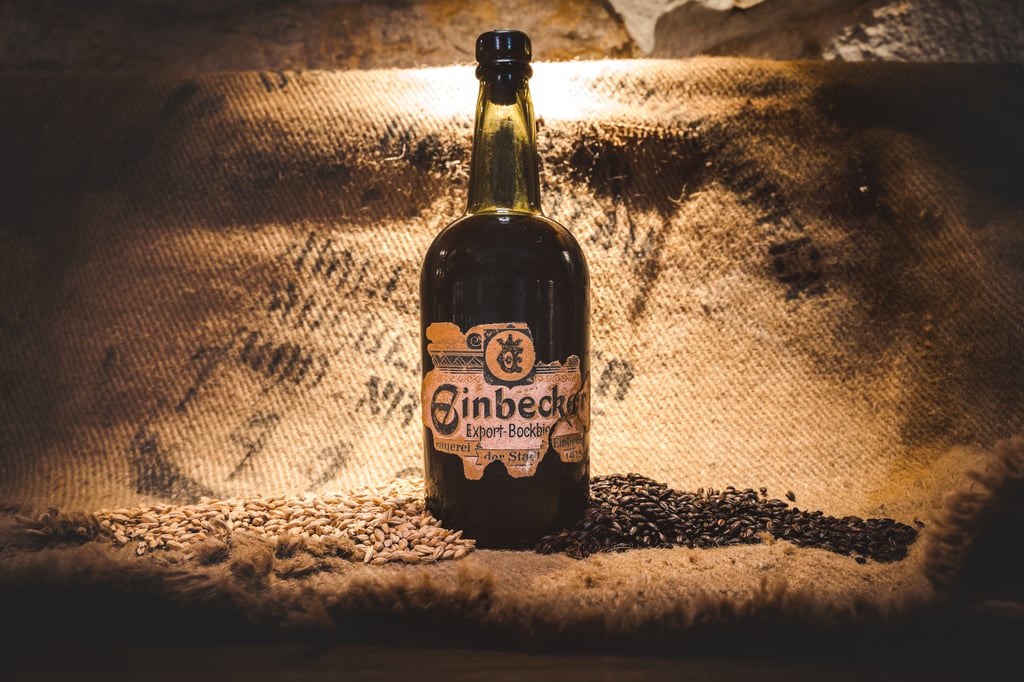


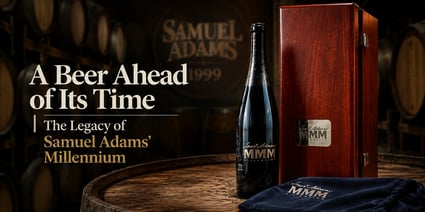
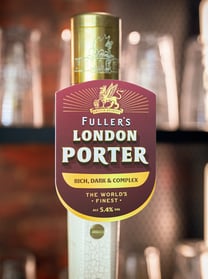

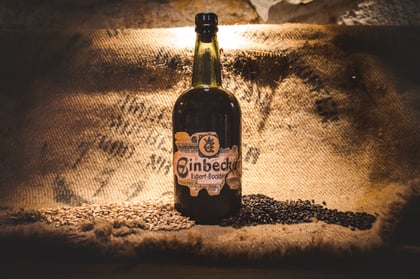
Traditional craft styles will make a comeback based on necessity and an aging craft beer enthusiast population and a new generation of beer consumers who desire lower abv’s. The “rediscovery” of traditional beers and ales will happen, but the breweries need to have proper outreach and marketing to succeed.