




10 Beer Drinking Questions Answered
 Story by:
Matt Simpson
Story by:
Matt Simpson
Among the myriad beer fans around the world, many of us tend toward the fastidious. Not uncommon among beer nerds’ activities are: visiting every brewery possible, waiting (and standing in line) for every big beer release, attending (or organizing) tastings with dozens of beers present, and maybe even homebrewing and entering competitions. Clearly, if you’re reading this publication, you’re into the art of beer. That doesn’t mean we all know everything about it. We may all learn more. Research more. Ask more. Herein are a few questions garnered from dozens of online sources, sent from our peers. These are real inquiries from social media and around the web with no pretense of sarcasm implied or intended. Maybe you’ve asked one or two of them recently. If so, here are 10 beer drinking questions answered.
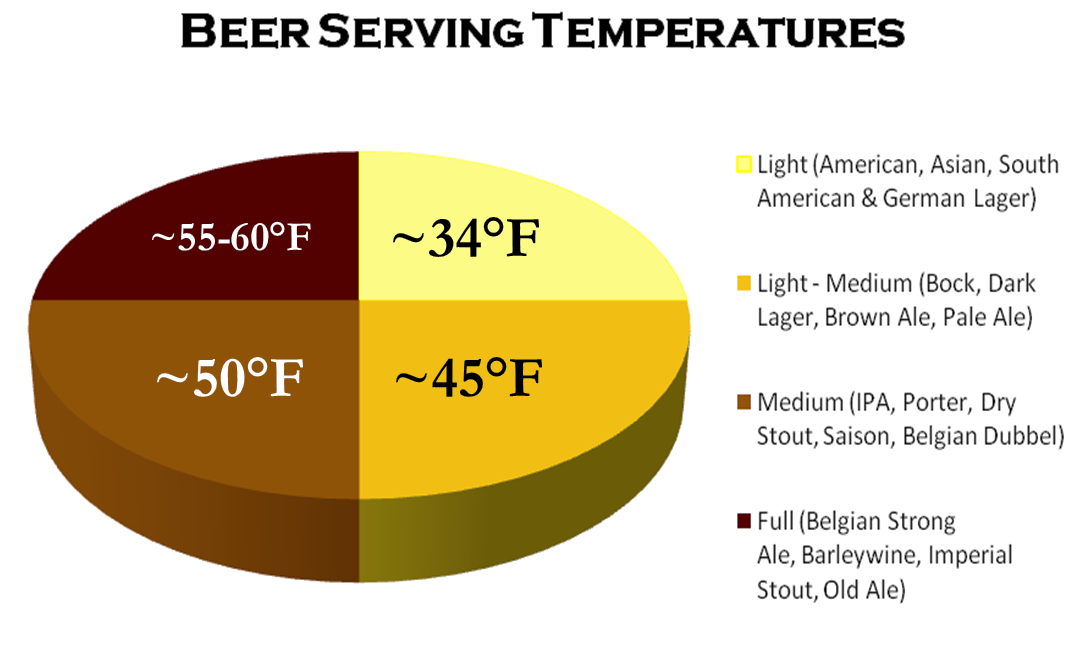
Q: What is the correct serving temperature for different styles of beer?
A: This question is about as old as the serving of beer itself. And it goes without saying that the serving temperature of any particular beer can make the difference between “blech!” and an incredible sensory palate experience. In brief, a beer’s serving temperature follows its “size” and complexity. By “size,” I mean the collective density, body, hop level and alcohol volume. Generally speaking, the lighter the beer in all these characteristics, the colder it should be served. Likewise, the “bigger” the beer, the closer to room temperature it should be served.
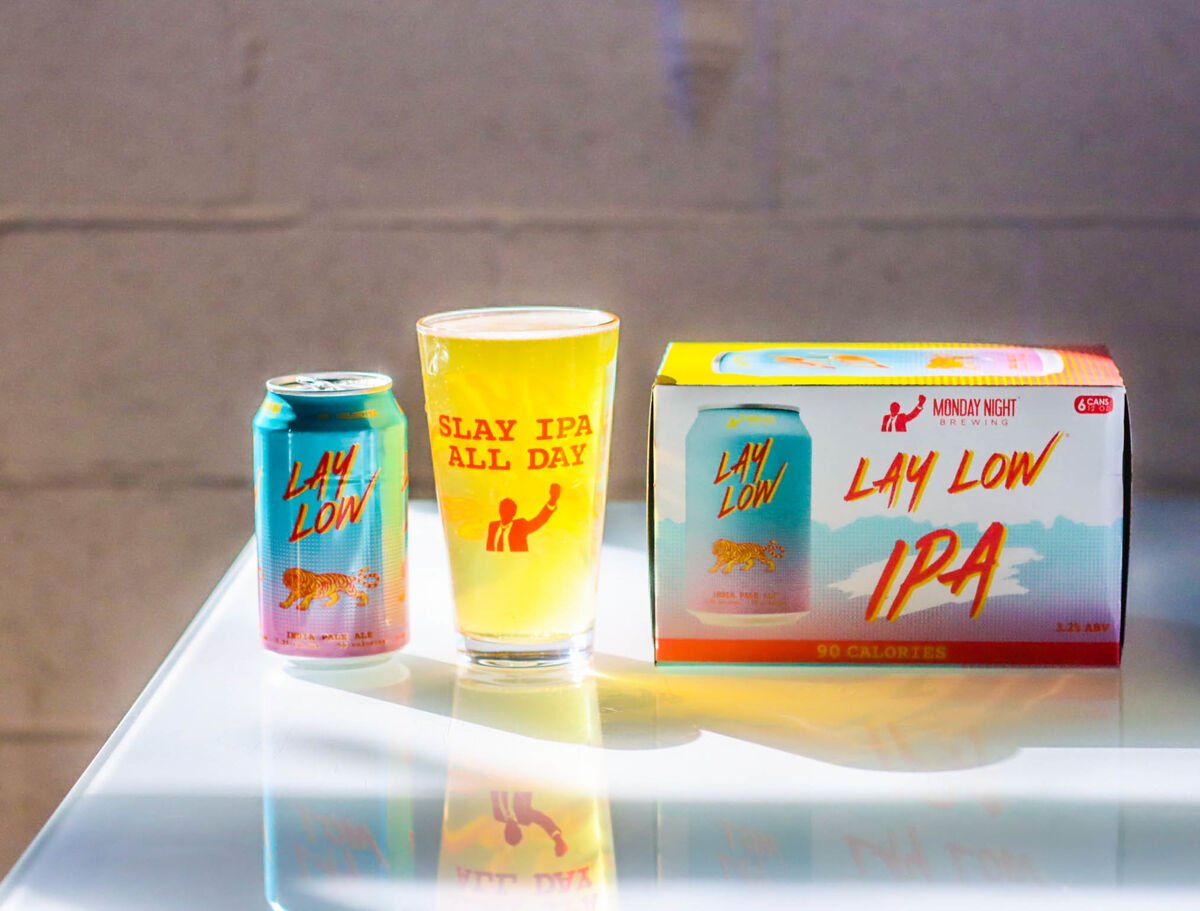
Q: What do low-calorie IPAs do differently to reduce calories?
A: Man, we got a ton of IPA questions. Analogous to their omnipresence in the marketplace these days. Here’s the first. Generally, the greater a beer’s ABV, the higher its gravity. (i.e., its residual sugar level). Both malt sugar and alcohol are fairly calorie-dense. With that, it stands to reason that if a brewer were to mitigate both those inherent elements, the overall calories would also be reduced. So that’s exactly what they do; effectively brewing a “small IPA.” Starting with a lighter grain bill for their mash, they still add a ton of hops, filled with flavor and aromatic compounds, but zero calories. Voilá – a light IPA, low in calories and alcohol, but still crazily aromatic and enjoyable.
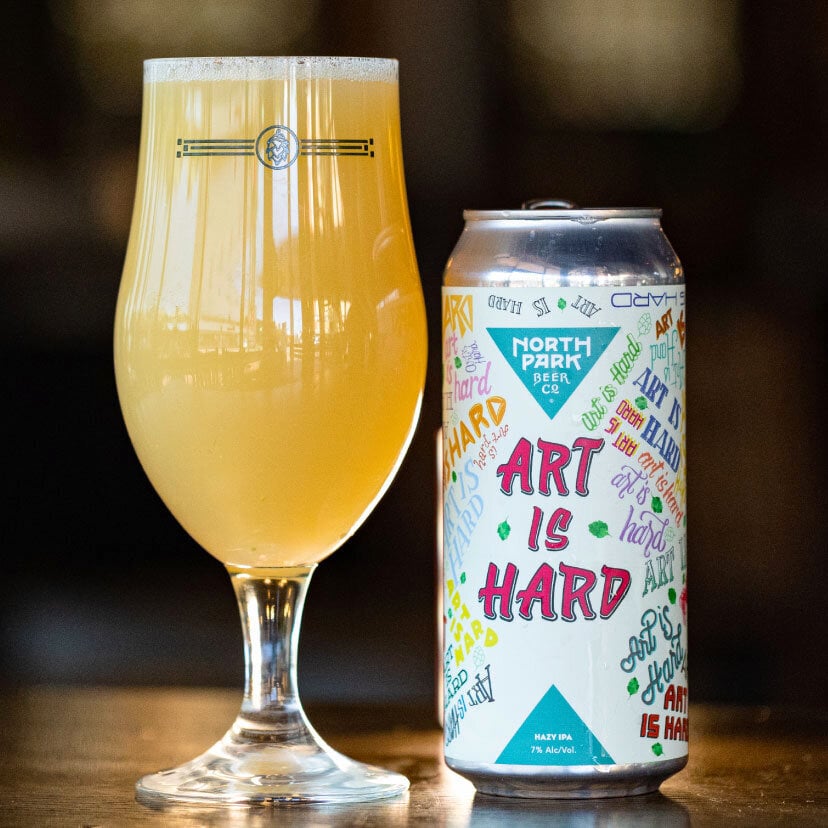
Q: What’s the haze in hazy IPA?
A: Arguably the biggest trend in recent years, “Hazy IPA” (Hazy/Juicy IPA, New England IPA, et al), is the current industry and aficionado go-to, for all the aroma and flavor enjoyment of conventional West Coast IPAs, with far less bitterness. But inherent to the style is also a haziness, which may range in opacity, from light to “milkshake.” In brief, during the brewing process, lots of compounds are created. In hazy IPA, counterintuitively, the yeast should produce a relatively small fraction of said haze. The lion’s share comes from the proteins produced by specific adjunct grains, like oats and wheat, and polyphenols created by the hops, especially through dry hopping. Traditionally, IPAs were generally highly filtered, removing all these proteins. But at some point, this unfiltered method became the standard bearer for the style. Whichever IPA substyle you prefer, there’s certainly no lack of choice now.
Which is a perfect segue to our next question…
Q: I love all things bitter. I want an IPA that makes me feel like I’m chewing on hops. My partner finds IPAs repulsive. He loves milk stouts and porters. Can tastes change? Is there a “gateway IPA” for him? Is there a “gateway stout” for me? Generally, how does one expand one’s taste? Please answer FOR THE SAKE OF FAMILY UNITY.
A: Whew, no pressure.
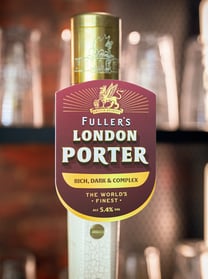
Let’s start with personal taste evolution. I submit that beer style preference change over time is the rule, not the exception. Over time, your palate changes, and those things you once enjoyed may become less pleasurable, or even revolting. Like you, I once loved IPAs. The more bitter, the better. But it’s now been years since I’ve ordered one for myself. As for gateway styles, I have to first ask why you’d force your preferences on each other. There are sufficient styles for everyone to experience and exist happily. That said, if you’re insistent, I’d offer him a New England hazy IPA. They’re juicy, fruity, citrusy, piney, dank, smooth, round and lacking the bitterness traditional to other IPA substyles. And for you, I offer the Baltic Porter. It’s a lagered style, so it’s clean and relatively drinkable. But it’s also got a good level of body and strength (8+% ABV), with great cocoa and light coffee notes. So approachable. Finding one may be a tough ask, but once you do, I think you’ll really take to it.
Q: Why do brewers make hazy IPAs yet scatter like roaches when it’s time to judge them?
A: Ok, I’ll admit that this one is a bit of a ringer, from a professional brewer. And a touchy subject for many. But it’s not wholly untrue. Since we love our readers, and want to provide you the most exclusive, pertinent info possible…
Of course, homebrew competitions have existed for decades. But what many beer drinkers don’t realize is that many big festivals, like the GABF, are also competitions judged by beer industry experts. Primarily, professional master brewers. And the above question reflects several confluences in that part of the trade. First, clearly, many beer pros love IPAs of all ilk. They make a ton of them. But therein is the rub. It’s precisely because they’re so omnipresent and demanded, that makes them less attractive to drink repetitively, when you’re producing them every day. Especially since IPAs were never intended to be session beers. It’s also that ubiquity that makes them the singular most submitted style(s) in brewing competitions. Easily 3:1 for the next most popular entries. Like most aficionados, pro brewers tend to enjoy an array of styles for personal enjoyment, and often gravitate to lighter, clean, well-crafted styles, that may be enjoyed in quantity over a sitting. One IPA is great. Analyzing 2-3 dozen is no fun, even if only samples.
Ok, enough about IPAs for now. Moving on.
Q: Why don’t bar staff know how offensive the term “black and tan” is to those of us with Irish heritage, instead of the term “half and half” as used in Ireland?
A: Because Americans aren’t known for their attention to the historic origins of well, nearly anything. But maybe, once we put some historic texture to this now-classic beer blend, they’ll think about it twice. Those with Western European heritage may have some appreciation for the bloody Irish War of Independence between England and Ireland. The Royal Irish Constabulary recruited “Black and Tans,” as they were colloquially called, for their khaki trousers and dark jackets. They acted as English military reinforcements and local Irish police during this conflict. These Dúchrónaigh (Gaelic) were widely known for brutality, retributory acts and spreading fear among the Irish populace who were fighting for their separation from the British Empire. They were effectively a hostile, occupying force. I don’t know about you, but I sure wouldn’t want to be reminded about this horrible era in my country’s history, every time I serve strangers otherwise-fun beer drinks. Maybe give it some consideration next time you’re frequenting an Irish bar.
Q: Do beers, or certain beers, lose alcohol percentage over time? Or does it remain a stable baseline?
A: A great question, and one that I think most aficionados take for granted until they’re forced to think about it. For brewers, it’s a tricky factor for which they need to account when timing a given beer’s production. As we all know, among other things, the two main compounds produced by yeast during the fermentation process are CO2 and alcohol. While there’s a complex equation at play for said production of alcohol from carbohydrate (malt sugars) digestion, once fermentation is effectively complete, so is that alcohol formation. Ironically, this same alcohol byproduct is what kills much of the yeast in the end. After conditioning, by the time the beer hits its intended vessel, most yeast is either dead or dormant, leaving just enough to create a bit more CO2 if naturally carbonated. Most breweries, including the large craft breweries, filter many of their products, removing nearly all yeast. Without yeast, there’s no alcohol production…inside or outside of the serving vessel. Remember; yeast is alive. As such, it’s volatile, and may be unpredictable. If actual fermentation (and its inherent alcohol production) were allowed to exist in serving vessels, (aside from bottle-conditioned exceptions), they’d explode. Given all that, and that it’s effectively permanently in solution, exceedingly little alcohol transfer may occur in any serving vessel – gain or loss.
Q: How do you tell a truly innovative sour from someone’s poor excuse for an infected beer that they didn’t want to admit was a screw-up?
A: I have to admit, this one made me laugh. Not only because of its frank, accusatory assault, but because it’s true. At least it may be, occasionally. I like to tell the story of the sole infection (acetobacter) I ever had in a decade of homebrewing. It was my brewing partner’s fault! But being a fan of turning crap into crappenade, I waited about six months, and entered this Doppelbock as a Flemish Red, and garnered a 35/50. Not a horrible showing for a beer that began with absolutely nothing in common with its eventual namesake. The lesson? Beauty is in the eye of the beerholder. The brewer sets the parameters and rules of the beer, by assigning it a style. But that style may not be what’s actually in the drinker’s glass. When evaluating whatever wild concoction is in your glass, ask yourself these questions. First, what’s the intended style? How well do you know that style? Have you tried several commercial examples of it? Does it smell and taste akin to that? Are the notes you’re perceiving for that style allowable? Lastly, is it enjoyable, or a vomitous, astringent, acidic mess? Remember, just because you don’t like a beer, doesn’t make it flawed, or out of style. If it seems to fit its intended style, is relatively balanced, drinkable and flavorful, it’s likely a decent example of a wild/sour beer. If several people around you agree that it’s unpalatable, it’s probably a contaminated mistake. Speak nicely with the brewer or GM and point that out. But be prepared to support your inclination with evidence.
Q: After I tasted a beer I ordered, I decided something was wrong with it. The bartender would not pour me something else. Minus stars. Is this normal?
A: Ok, this was one of the few questions presented to me by an industry professional, as a snarky comment on the state of entitlement in the beer-drinking marketplace, there’s more than a grain of truth here. Fortunately, it’s a relative minority of the elevated beer aficionado community. But the lack of understanding of beer bar etiquette does exist for far too many. As aforementioned, simply because you don’t enjoy a beer that doesn’t make it bad. Even the ever-derided, macro-produced pale lagers we see everywhere tend to not be bad. They have their own negative attributes, of course: thin, watery, uninteresting, etc. But they’re at least inclined to not be flawed, and are typically and consistently well-produced, clean beers. Ask any beer judge about truly faulty offerings. If you’ve ordered a style with which you’re not familiar, and it’s exemplary for what it is, you have no right to send it back, should you simply not like it. My advice: know your styles, never order a full pour of a style you’ve never tasted, ask the server or bartender questions, and always ask for a sample before buying.
Q: I have a friend who says they don’t like beer. What beer would you recommend I give them to change their mind?
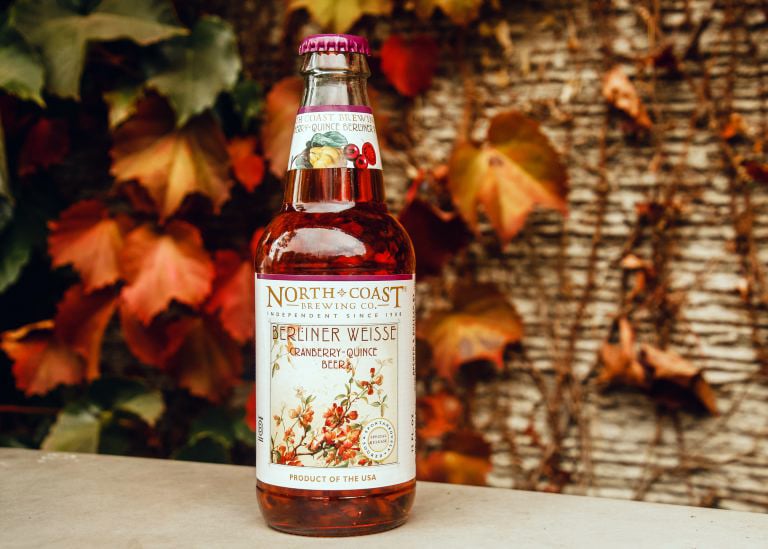
A: Sounds easy, doesn’t it? A straightforward ask. It ain’t. In all my years of recommending beer styles, professionally, to the inexperienced, I’ve had almost as many initial failures as successes. It can often take a concerted back and forth, asking questions regarding their food and alcoholic beverage preferences, previous experiences, and general mood. But as I like to say, show me anyone saying they don’t like beer, and I’ll show you someone who simply hasn’t had the right one for them. First, I like to steer clear of any hoppy style. It’s the one beer attribute most uninitiated associate with “unenjoyable beer.” In my experience, the quickest, easiest way to ascertain their preferred, analogous beer style, is to ask what wine they typically enjoy. Light, fruity, spritzy Riesling? I’ll recommend Berliner Weisse or Gose. Big, chewy Cabernet or Zinfandel? Belgian Trippel or Quad (dark strong ale). Port? Imperial stout or English Barleywine. If all else fails, non-traditional (i.e., farmhouse) Saison is a great place to start. It’s got nice body and balance while not being sweet, a distinct dryness, is frothy and full of CO2, lightly acidic while maintaining a biscuit breadiness, and a wonderfully Belgish, pear-fruit note. Furthermore, there’s no other beverage, alcoholic or otherwise, that pairs better with cheese. It’s the best of all beer worlds; flavorful and interesting, while avoiding bitterness or cloying sweetness. If that doesn’t work, keep trying!

Conversations (0)
No comments yet.