


Brewing with Dave Thibodeau of Ska Brewing
 Story by:
Owen Ogletree
Story by:
Owen Ogletree
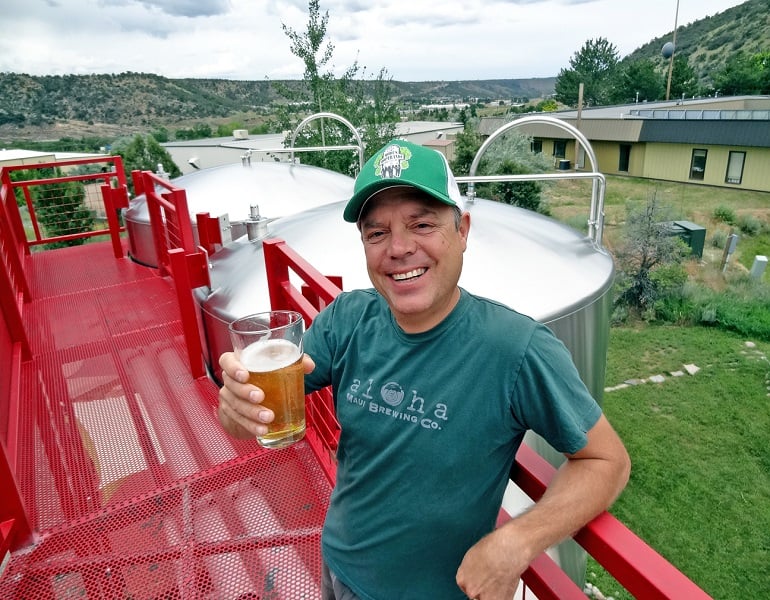
Nestled in the hills just outside scenic downtown Durango, Colorado, Ska Brewing holds cult status among many followers of craft beer in America. Known for flavorful beer brands stamped with fanciful titles and labels, Ska owners Dave Thibodeau, Bill Graham and Matt Vincent have allowed their exuberant personalities to shape every aspect of the brewery’s booming 20 years. Ska co-founder Dave Thibodeau tells The Beer Connoisseur how he blended a passion for ska music, comic books and homebrewing into the recipe for the brewery’s successful run.
BC: When and where did you pour the first Ska beer to the public?
Dave: It was September of 1995 at the Telluride Blues Fest. Our first beer definitely was not great, but we got a feel for the industry and received lots of input from brewers at the event. People seemed impressed that we were so young and into brewing in such a big way. We got away with a beer that needed work, but there’s no way a brewery could do that now.
BC: How did you guys get into beer and brewing at such an early age?
 Dave: Bill and I went to high school together just outside Denver. We were hanging out in my parents’ living room one day in the early ’80s and discovered my dad’s homebrewing journal on a shelf. We were 17-year-old party kids who loved beer, and this homebrewing idea got our attention.
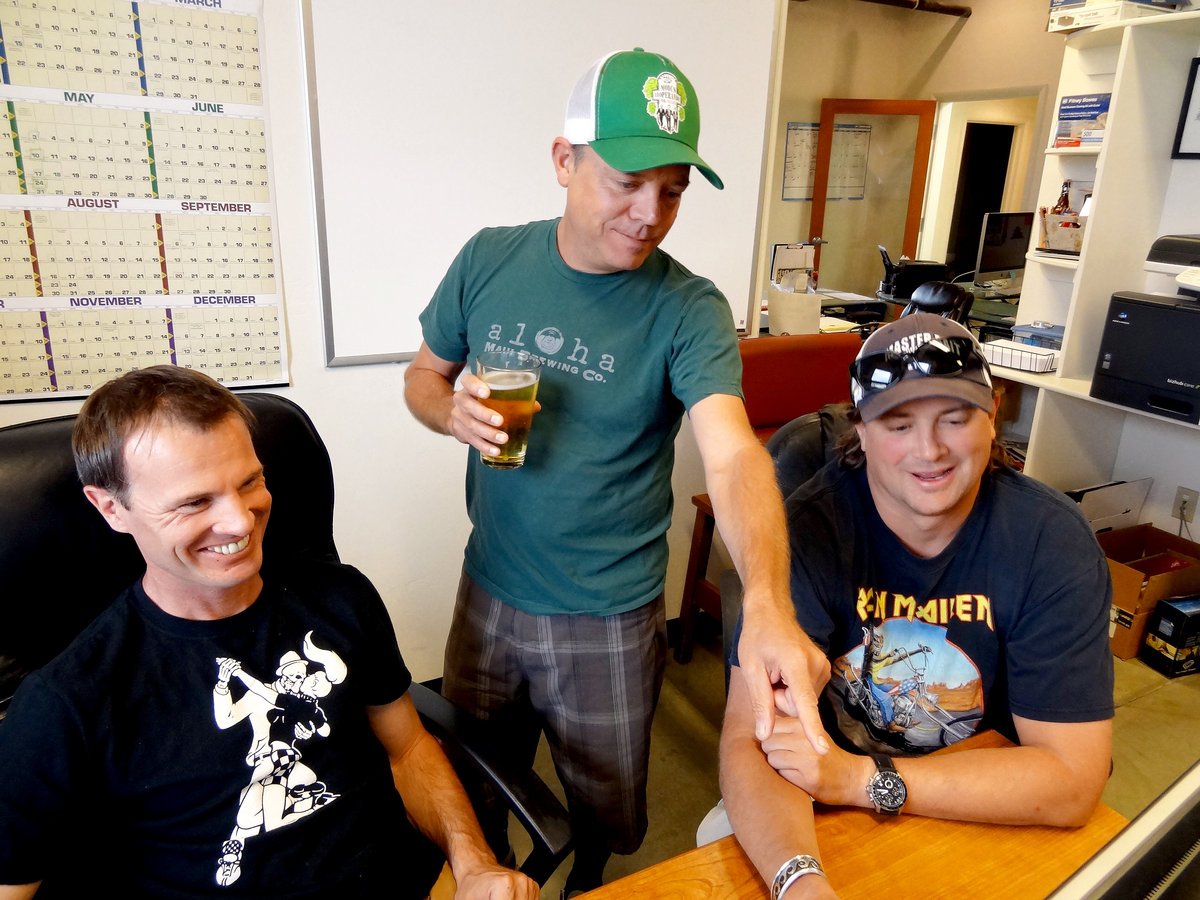
Right: Thibodeau lays down the law, beer in hand. (Photo Credit: Owen Ogletree)
Dad’s first recipe in the book dated back to 1969 and was made up of just sugar and baker’s yeast – basically prison beer. He had made his last beer in 1980 and stopped homebrewing right before we got into it. We had no idea about the process but wanted to give it a go. My dad got really excited and jumped back in to help us out.
Bill and I went to two different colleges, and I became obsessed with brewing. I brought beers to school for people to taste, and everyone freaked out. Eventually, we both moved to Durango and started working on Ska in 1993. Ska music was the soundtrack to planning and starting the brewery – we had to drink our previous batch of beer and listen to ska music every time we made a batch. We were superstitious and wanted to do things the same way each time.
BC: How did you come up with the colorful characters and artwork on your labels and promotional materials?
Dave: We were punks who were into music and comic books. We gave away our first brews as gifts and used “Ska Brewing” labels that we made on one of the first Mac computers. We concocted a fictional story of a massive brewery that represented corporate macro beer, and the skeleton guy was the CEO of the evil brewery conglomerate. The “True Blonde” heroine was called Lana Lovibond, and she saves the day in the comic. True Blonde ale was the first beer we made and premiered at the Telluride fest. Pinstripe Red Ale was our second beer, and our evil skeleton head character is called Mr. Pinstripe. It’s amazing how consistently our crazy comic book themes have permeated our merchandise, beer labels and logos over the years. I think it takes characters to brew with character.
BC: What’s a special Ska beer that stands out to you as a creative favorite?
Dave: I love our Modus Hoperandi, which is our flagship beer now. When I first had it in 2008, it blew my head off. I thought it was far more bitter, citrusy and piney than the average consumer could handle, but it blew up immediately. I fell in love with it, but it caught me off guard. UK-style ales were our focus for the first ten years, but we really got into hops a couple of years before our release of Modus Hoperandi.
BC: Do you get useful feedback on your beers from customers in the brewery’s popular tasting room?
Dave: Many of our friends and customers have crazy ideas for new beers that we try to make on occasion, and we have a 3.5 barrel pilot system to make special test batches just for the tasting room. One of our regular customers is called Bird. We met Bird at Purgatory Ski Resort around ’93 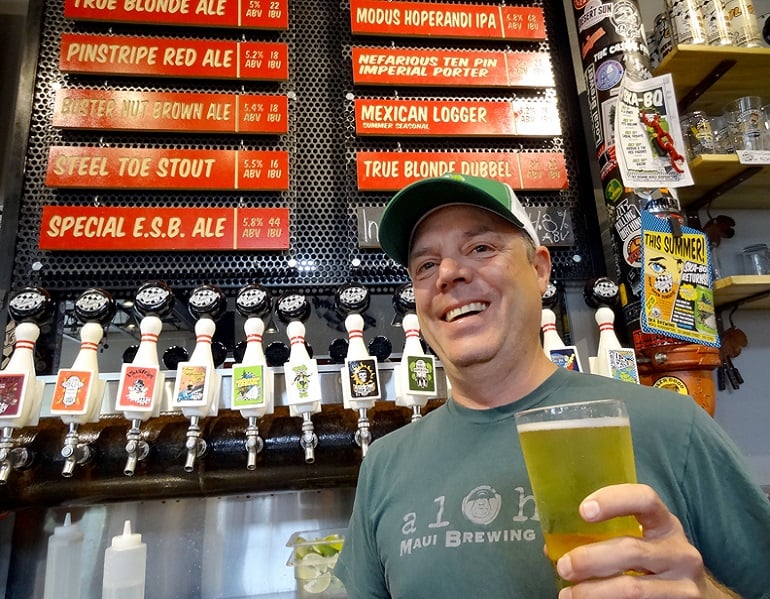 where he worked in the machine shop. He was a big Budweiser guy back in those days and hung out at a bar near Purgatory with a Bud in his hand every day.
Right: Thibodeau relies on feedback from customers and friends to make his business better. (Photo Credit: Owen Ogletree)
He started drinking our True Blonde when we got an account at the bar, and I’m proud to say he never went back to Bud. When we moved into this brewery space at the end of 2008, Bird followed us over, drinks here all the time, and we recently hired him as a driver. He’s not really good at giving us advice on our beers, because he loves them all.
BC: What do you love about Ska’s brewing facility in Durango?
Dave: We did a great job in planning the layout of the brewery, taproom and kitchen. We’ve had the kitchen since 2013, and our Container Restaurant space is built out of two metal shipping containers. We also have upstairs meeting space at the brewery for groups where we hold public “happy hour yoga” and employee yoga. For the public, it’s an hour of yoga followed by a pint of beer for $10. Our yoga instructor does both the public and free employee classes and keeps the ten bucks from the public sessions, but we provide the beer.
BC: How did Ska Brewing celebrate its 20th anniversary milestone?
Dave: We held our anniversary party at the brewery last September with really amazing Ska bands, and 30 of our favorite breweries came out to put their beers on. We also celebrated 20 years of brewing during this year’s Great American Beer Festival where we were joined by the founders of three other breweries that started in 1995 – AleSmith, Allagash and Dogfish Head. Each brewery brought five special beers to tap at Falling Rock Tap House in Denver. It makes me proud to be one of these pioneering craft breweries.
BC: Ska Brewing was one of the first craft breweries to put its beer into cans. How did you decide that canning was a wise option?
Dave: When we first got a sales call from Cask canning company, Oskar Blues wasn’t even canning yet. The Cask guy tried to sell us a two-head canning system, and he visualized a black and white checkered can to match our theme. We just weren’t convinced until Oskar Blues’ cans hit the scene, then we decided to can our ESB. Eventually we bought Oskar Blues’ old canning line and found that cans really fit our lifestyle in Colorado. With rafting and backpacking, bottles aren’t the right thing to carry along. A number of our beers are in both bottles and cans, and I’m always drawn to the can. I still love bottles for aging and cellaring beers, but cans dominate sales for us now. Because of our cans, my engineering-savvy partner Matt started another business called Ska Fabricating that makes depalletizers for canning lines.
BC: What are some vital lessons you’ve learned in the brewing business?
Dave: One of our core values is quality over quantity. We’ve dumped more than our fair share of beer over the years because the quality wasn’t up to our standards. We also treat everyone with respect – the community, other brewers and our staff. Our employees are like blood cells running through the body of the brewery, and without them, the brewery can’t survive. The love of beer drives everything we do at Ska, and I can’t imagine doing anything else for the past 20 years.
Conversations (0)
No comments yet.