




The “Stone Age” Tech Holding Back Modern Brewing
 Story by:
Roland Pahl-Dobrick
Story by:
Roland Pahl-Dobrick
There is a compelling case to be made that 2026 is the year sustainability shifts from a talking point to a hard requirement in brewing. The convergence of algorithmically guided formulation, sophisticated quality control, and a consumer base that increasingly demands sourcing transparency suggests an industry on the cusp of genuine modernization.
I find myself in agreement with that vision. Yet, while we celebrate AI-designed recipes and precision fermentation, a significant portion of the global brewing industry still relies on a filtration material that is millions of years old.
What is Actually in the Filter?
For those unfamiliar with the mechanics of beer clarity, the answer in many breweries is Diatomaceous Earth (DE). It is a powder made from diatoms – fossilized single-celled algae that lived in ancient oceans. For decades, DE has been the default workhorse of beer filtration. It is spread across mesh plates or other carrier surfaces, and the beer is run through it. The microscopic structure of these ancient organisms traps yeast, hops residue, and other sediments that would otherwise cloud the final product and continue to change its characteristics over time.
It works. It has worked for a very long time. And that, I would argue, is precisely the problem.
This is an industry that takes enormous pride in pushing the boundaries of flavor, style, and consumer experience. Yet in one of the most critical stages of production—the so-called cold block, where filtration and stabilization take place—many breweries remain dependent on a mined fossil material. If 2026 beer culture is truly about the convergence of craft, technology, and taste, then the cold block deserves the same level of scrutiny we give to ingredients, recipes, and branding.
There are costs that do not appear on the label, the three W’s, which are not visible to the consumer, but are surely real:
- Worker health. In large volumes, DE powder can cause respiratory, eye, and skin problems. Crystalline silica dust, a component of some DE grades, is classified as carcinogenic. Breweries that use it must implement rigorous health and safety protections for their workers, and food safety regulations require analyses of both the dry powder and the finished beer after filtration.
- Waste. Every 1 kilogram of dry DE powder used in filtration generates approximately 3 kilograms of waste sludge. That sludge – heavy, wet, and laden with the organic material it has trapped – typically ends up in a landfill. Scale that across a mid-size brewery running thousands of hectoliters a week, and the magnitude of the waste stream hiding behind a crystal-clear pint becomes apparent.
- Water. DE filtration is water-intensive. The powder must be mixed into slurry, the system must be flushed, and the waste sludge carries significant volumes of liquid with it. In an era when water can no longer be taken for granted, this matters considerably.
Why 2026 Can be the Year This Catches up to the Industry
This is not a theoretical concern. S&P Global’s Top 10 Sustainability Trends to Watch in 2026 identifies “water & food systems” as one of the most critical strategic issues facing industries this year.
Brewing sits squarely in that food value chain. Beer is, at its core, a water-intensive product (it takes approximately 4.5 hl of water to produce a hl of beer). Every unnecessary liter consumed in filtration compounds the industry’s exposure to water scarcity risk.
The regulatory environment is tightening as well. In the U.S., the Securities and Exchange Commission’s Climate-Related Disclosure requirements now ask large publicly traded companies to disclose their scope 1 and 2 greenhouse gas emissions. In the European Union, the Corporate Sustainability Reporting Directive requires companies to disclose the social and environmental impact of their operations.
Breweries that are part of publicly listed groups will therefore increasingly need to account for every stage of their production process.
What the Alternative Looks Like
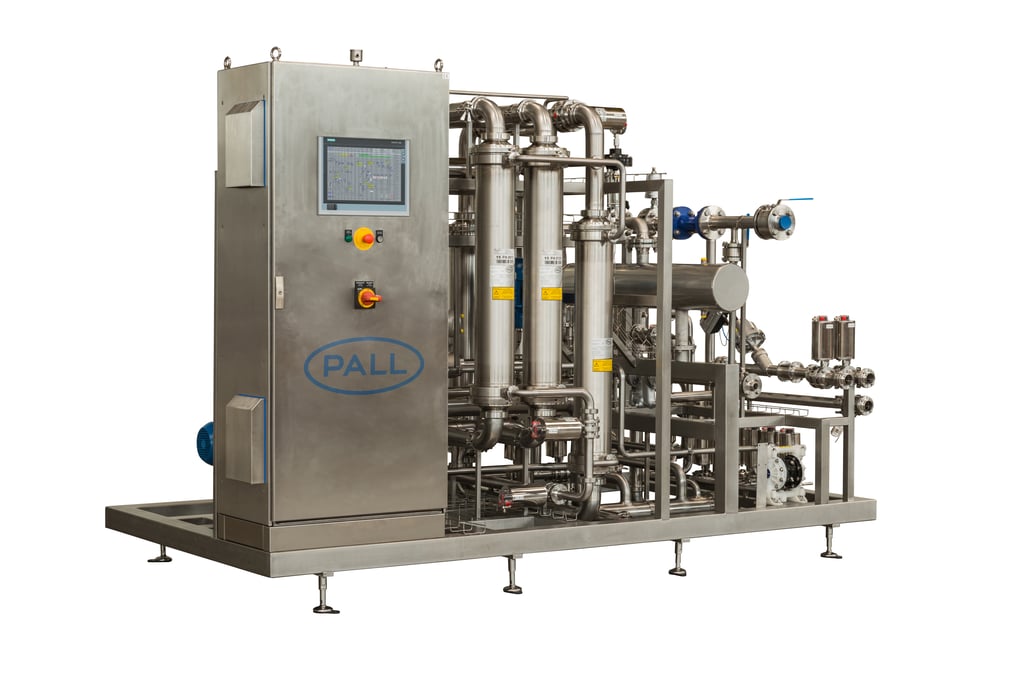
If not DE, then what? Crossflow membrane filtration is a system where the beer flows tangentially across a membrane surface, which traps the sediment of yeast, hops, barley, and malt without the need for any filter aid.
The environmental case is straightforward. The total CO2 footprint for beer clarification can be reduced significantly (between 20 to 40%) when using crossflow membrane filtration instead of DE. Crossflow filtration also requires fewer processing steps, resulting in up to 40% less water used compared to traditional DE methods.
There is an energy benefit as well. Cold-beer filtration through crossflow membranes can eliminate the need for flash pasteurization. By removing this energy-intensive step, breweries further reduce their overall consumption.
Then there is the human factor. No DE means less exposure to carcinogenic dust in the workplace, but a cleaner and safer working environment. Something that matters not only ethically but also operationally, as labor markets tighten and workforce well-being becomes a competitive differentiator.
From a cost perspective, eliminating the ongoing purchase and disposal of DE reduces operational expenses over time. The membrane systems require maintenance, of course, but they do not require a continuous supply chain of mined material shipped from quarries to breweries and then hauled as waste to landfills.
The No/Low Imperative
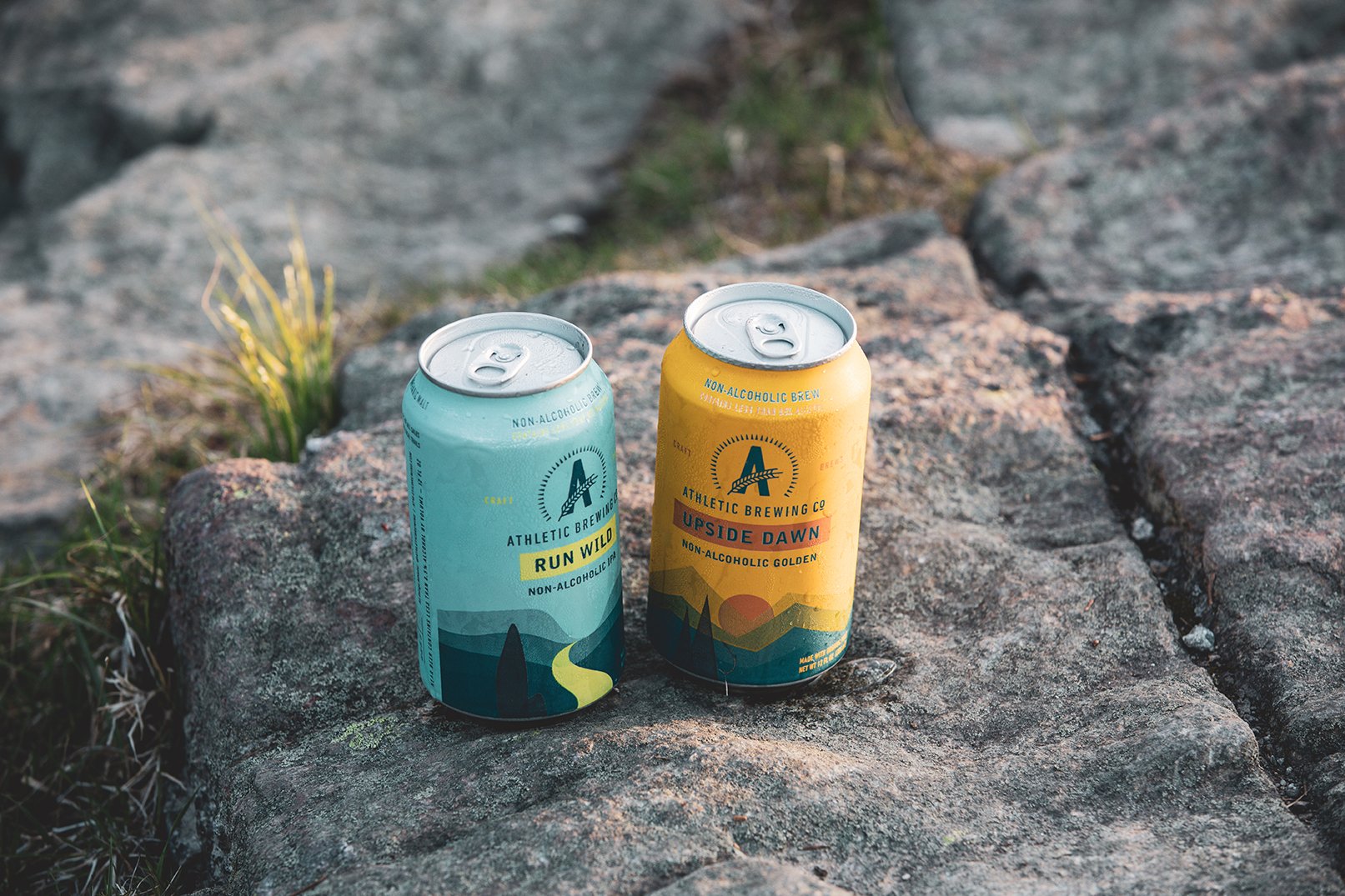
There is one category where this conversation becomes particularly pressing: no/low alcohol beer, a segment that has been one of the industry’s most dynamic growth stories. But it carries a production paradox that does not receive enough attention. Alcohol is a natural preservative. When it is reduced or removed, one of the beer’s built-in defenses against pathogens and spoilage organisms is also removed. To compensate, no/low beers require higher pasteurization intensity and more rigorous filtration than their full-strength counterparts.
Consider the implications. If that more rigorous processing is done using traditional heat-based pasteurization, the irony is difficult to overlook: the most wellness-oriented beer on the shelf may carry the heaviest processing footprint, more water used and more energy expended on pasteurization.
Microbial protection by membrane filtration offers a way out of this paradox. It removes microorganisms without heating the product thus assuring the microbiological reliability that no/low products demand – ensuring the removal of pathogens and product spoilers – while minimizing quality damage and preserving taste integrity. It allows breweries to meet the higher safety bar of no/low production without multiplying their environmental impact.
For a category built on the promise of a better, more mindful choice, the production process needs to reflect that same ethos. Also, in the highly competitive segment of alcohol-free beer, quality is absolutely key, every advantage over competing products that use conventional technology can make the difference.
A Direction, not a Mandate
Capital investment decisions are complex, and smaller craft operations surely face different constraints than multinational brewing groups. The transition from conventional to modern brewing technology, like for example changing from DE to membrane filtration is a journey, not a switch.
But the direction is unmistakable. The regulatory environment is tightening. Consumer expectations are rising. Water scarcity is no longer a distant risk. S&P Global’s and the Sustainable Brand Index’s report makes clear that in 2026, businesses need to craft durable sustainability strategies that go beyond short-term compliance.
The vision of 2026 beer culture – refined, consistent, technologically sophisticated, and sustainable – can be the right one. But to get there, industry needs to look beyond the ingredients and the label.



Comments 0
No Readers' Pick yet.