




Do Macro Beer Brands Belong at Beer Festivals?
 Story by:
Bil Corcoran
Story by:
Bil Corcoran
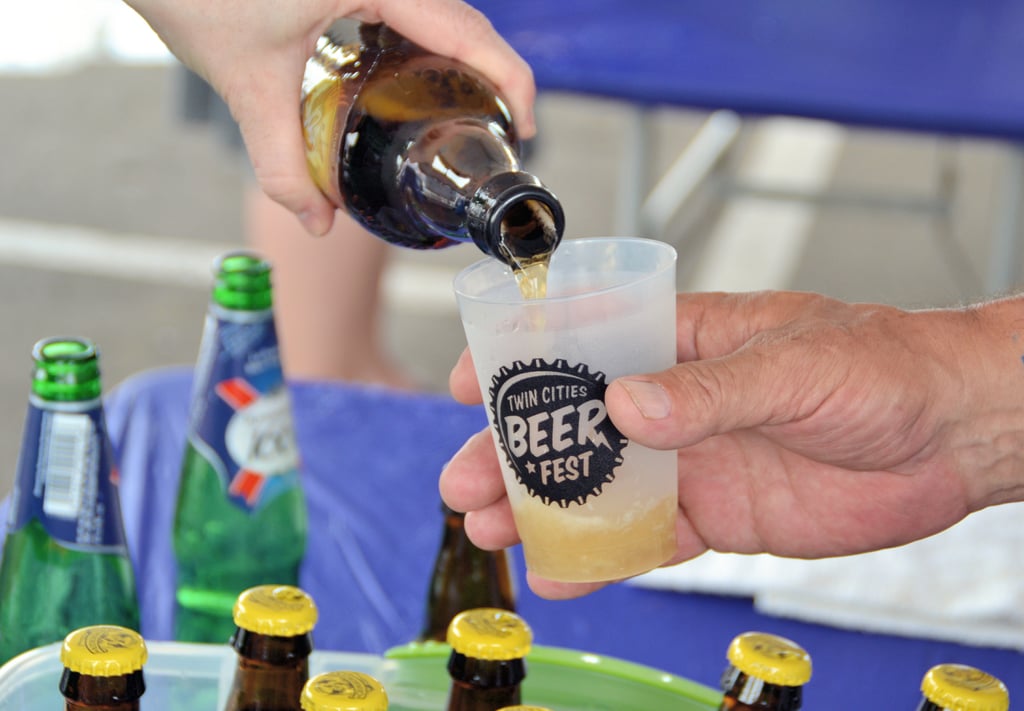
Beer festivals have long been a celebration of creativity, community, and the ever‑expanding world of “craft” brewing. They’re events where small and independent breweries pour their hearts into every sample, where drinkers discover new soulmate beers, and where the culture of beer feels most alive. But in recent years, a recurring question has found its way into my inbox: Do macro beer brands, those large, multinational breweries producing familiar lagers, belong at beer festivals traditionally dominated by craft breweries?
It’s a question that touches on craft identity, economics, accessibility, and the evolving definition of “craft.” Some festival organizers welcome macro brands with open arms, while others see their presence as a threat to the spirit of the event. And beer drinkers themselves are far from unanimous.
This article seeks to explore both sides of the issue: why some believe macro beer deserves a seat at the beer festival table, and why others argue that these events should remain a sanctuary for independent craft brewing. Ultimately, the goal isn’t to declare a winner but to open the door for discussion about what beer festivals should represent in an industry that’s changing faster than ever for both macro and craft breweries alike.
The Case For Macro Beer at Beer Festivals:
Macro Brands Bring Resources, Add Exposure, and Ensure Stability
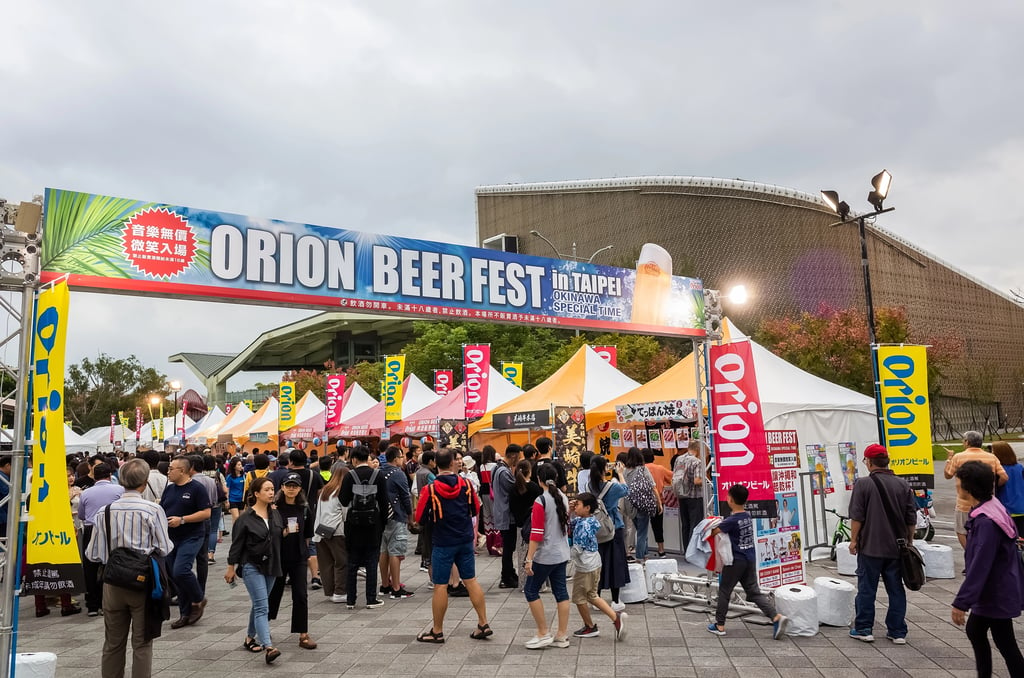
Large breweries have large marketing budgets, large organizational capabilities, and large distribution networks that easily dwarf those of most craft breweries. When they participate in beer festivals, they often bring:
- Promotional and advertising support
- Professional staff to pour and talk about the beer
- Sponsorship money
- Typically, an unlimited supply of beer
For event organizers, this can be a lifeline. Macro sponsorship can help keep ticket prices low, improve festival amenities, and ensure the event runs smoothly. In some cases, macro involvement is the reason a festival can exist at all.
And from a visibility standpoint, macro brands can help festivals reach a broader audience. Their participation can attract casual beer drinkers who may otherwise skip the event, ultimately exposing more people to the craft breweries pouring alongside them.
Beer Festivals Should Be Inclusive, Not Exclusive
One of the strongest arguments in favor of macro beer at festivals is rooted in inclusivity. Beer culture has always been about bringing people together, and festivals are no exception. Not everyone attending is a seasoned craft beer drinker. Some are newcomers, some are there just for fun, and some simply prefer the taste of a familiar beer.
Allowing macro brands to participate acknowledges that beer drinkers exist on a spectrum. It creates a more welcoming environment for those who may feel intimidated by a lineup of barrel‑aged stouts, double dry‑hopped triple IPAs, and mixed‑fermentation Belgian-style saisons.
In this view, macro beer isn’t a threat, it’s a bridge or a gateway. It gives potentially hesitant craft drinkers a comfortable starting point while still encouraging them to explore new styles and breweries.
Macro Breweries Are Part of Beer History and Culture
Whether craft fans like it or not, macro breweries have shaped the beer landscape for more than a century. Their innovations in brewing science and quality control have influenced the entire industry. Many craft brewers themselves learned their skills in macro facilities before moving to or starting their own craft breweries.
Including macro brands at festivals can be seen as acknowledging the full story of beer, not just the artisanal “craft” chapters. It’s a recognition that beer culture is varied, diverse, and intertwined.
Some Macro Brands Are Investing in Craft and Innovation
Over the years, the line between “macro” and “craft” has blurred. Many large breweries now produce:
- Specialty and seasonal releases
- Craft‑inspired sub-brands
- Collaborations with independent breweries
Some even own or partner with craft breweries outright.
When these beers appear at festivals, they can surprise drinkers with their quality and creativity. In some cases, macro‑owned craft brands are producing genuinely compelling beer that deserves to be tasted alongside independent brewery offerings.
Festivals Are Businesses, And Businesses Don’t Survive Without Revenue
At the end of the day, festivals must be financially viable. Macro brands can provide:
- Sponsorship funding
- Marketing and advertising support
- Insurance assistance
- Staffing resources
This financial stability can help festivals survive economic downturns, rising costs, and unpredictable attendance. Without macro involvement, some existing festivals might shrink, or disappear entirely.
Real Examples of Macro Beer at Festivals, and the Reactions They Sparked
Anheuser‑Busch at the Great American Beer Festival (GABF)
GABF is one of the biggest and most influential beer festivals in the United States, and macro brands have been part of it for years. Anheuser‑Busch (AB InBev) regularly pours beers from its portfolio, including both flagship macro lagers and its acquired craft brands like Elysian, Goose Island, and 10 Barrel.
Why it matters:
- GABF is run by the Brewers Association, which defines “craft” in a way that excludes macro‑owned breweries, yet AB‑owned brands still pour because they meet the festival’s criteria for participation.
- Some attendees appreciate the variety; others feel macro presence contradicts the spirit of the event.
What it demonstrates:
Even the most craft‑centric festival in the country can’t fully avoid the macro participation question.
Goose Island’s Bourbon County Brand Stout at Festivals Nationwide
Goose Island is owned by AB InBev, but Bourbon County Brand Stout remains one of the most sought‑after beers in the U.S. Many festivals invite Goose Island specifically because attendees want to try rare BCBS variants.
Why it matters:
- Goose Island’s presence draws crowds and boosts ticket sales.
- Some craft purists argue that featuring a macro‑owned brand takes attention away from independent breweries. Others argue that excluding BCBS would be punishing drinkers more than punishing the corporation.
What it demonstrates:
Macro ownership doesn’t always diminish consumer excitement. Sometimes it actually amplifies that excitement.
The Case Against Macro Beer at Beer Festivals
Beer Festivals Are Meant to Celebrate Craft, Not Corporations
For many craft beer drinkers, festivals are sacred spaces where independent breweries can shine without being overshadowed by multinational breweries. Allowing macro brands into these events can feel like diluting the very purpose of the festival.
Craft breweries often struggle for visibility in a market dominated by macro advertising. Festivals are one of the few places where they can connect directly with drinkers on equal footing without spending significant amounts of money to make that happen. Introducing macro brands risks shifting attention, resources, and consumer interest away from the small producers who typically need it the most.
Macro Presence Can Undermine the Craft Ethos
Craft beer is built on values like:
- Independence
- Creativity
- Community
- Authenticity
- Experimentation
Macro breweries, by contrast, are often associated with mass production and corporate consolidation. Their presence at festivals can feel like an intrusion into a space meant to celebrate just the opposite.
Some craft fans also worry that macro involvement sends the wrong message, that festivals are prioritizing profit over principle, or that they’re willing to compromise that craft ethos for sponsorship dollars.
Macro Brands Can Crowd Out Small Breweries
Even if macro brands don’t dominate the tap list, their financial power can influence the structure of a festival. As a result, they may secure:
- Premium booth placements
- Exclusive sponsorship rights
- Branding across the entire venue
This can push smaller breweries to the margins, literally and figuratively. When a macro brewery’s display is the first thing attendees see, it shapes their experience before they taste a single beer.
It Can Confuse Consumers About What “Craft” Means
The craft beer landscape is already complicated by acquisitions, partnerships, and branding strategies that blur the lines between independent and macro‑owned breweries. When macro brands appear at festivals, it can further muddy those waters.
Some drinkers may assume that macro‑owned brands are still independent. Others may not realize that a beer marketed as “craft” is produced by a multinational corporation. This confusion can undermine the transparency that many craft drinkers value.
Finding a Middle Ground
The debate doesn’t have to be all‑or‑nothing. Some festivals have found creative ways to balance the presence of macro brands with the integrity of craft beer culture. Some approaches include:
- Limiting macro participation to specialty or experimental lines
- Creating separate sections for independent breweries
- Using macro sponsorship to support small‑brewery scholarships or grants
- Highlighting local and independent breweries in marketing materials
These hybrid festival models acknowledge the realities of festival economics while preserving the spirit of craft beer.
Conclusion: A Conversation Worth Having
Do macro beer brands belong at beer festivals? The answer depends on what you believe these events should represent.
If festivals are primarily about celebrating beer in all its forms, then macro brands have a place. If they’re meant to uplift independent craft culture, then their presence may feel out of place. And if festivals are businesses trying to survive in a challenging market, the decision becomes even more complex.
What’s clear is that the conversation isn’t going away. As the beer industry continues to evolve through consolidation, innovation, buy-outs, and shifting consumer tastes, the role of macro breweries at festivals will remain a point of debate.
And maybe that’s a good thing. Beer culture thrives on discussion, passion, and differing perspectives. Whether you raise a glass of a barrel-aged imperial stout or a classic macro lager, the important thing is that we keep talking, keep exploring, and keep celebrating the beverage that brings us all together.


Conversations (0)
No comments yet.