






Are College Brewing Program Closures a Bad Omen—or Just a Blip?

 Story by:
Jessie O'Brien
Story by:
Jessie O'Brien
The University of Northern Colorado recently ended its brewing laboratory science program mid-term, before students had even taken their final exam. For nearly eight years, the classes offered hands-on experience in the seven-barrel lab and funneled young, well-prepared brewers into the industry. Cutting the program mid-semester left students high and dry, and some were unable to achieve their minors.
Northern Colorado is not the first school to end its brewing program. The State University of New York, Morrisville, shut down its teaching brewery and ended plans to offer a four-year brewing degree in 2019. A few years later, the University of California, San Diego ended its brewing courses after a decade. Dakota County Technical College also recently canceled its brewing science classes.
After years of bad beer news, the program closures raise a bigger question: Are these isolated setbacks, or the start of something more troubling for the future of young brewers? Understanding what’s happening requires a closer look at why these programs shut down to begin with.
Financial and staffing challenges
For Northern Colorado, cutting the brewing program was part of a larger staff layoff due to a $14 million deficit. And UNC is not alone with its budget challenges.
Undergraduate enrollment declined 15% between 2010 and 2021, according to the National Center for Education Statistics (though this is expected to rise within the next decade). This declining enrollment—aka funding—has forced many schools to make cutbacks.
And they’re not getting any help from the feds these days. Faculty lecturer at the James B. Beam Institute for Kentucky Spirits at the University of Kentucky, Harmonie Bettenhausen, said federal funding is a mess right now. The current administration terminated or paused billions of dollars in grants due to policy disagreements, such as campus protests and DEI initiatives. And Bettenhausen says, “Federal agencies do not love alcohol-related things.”
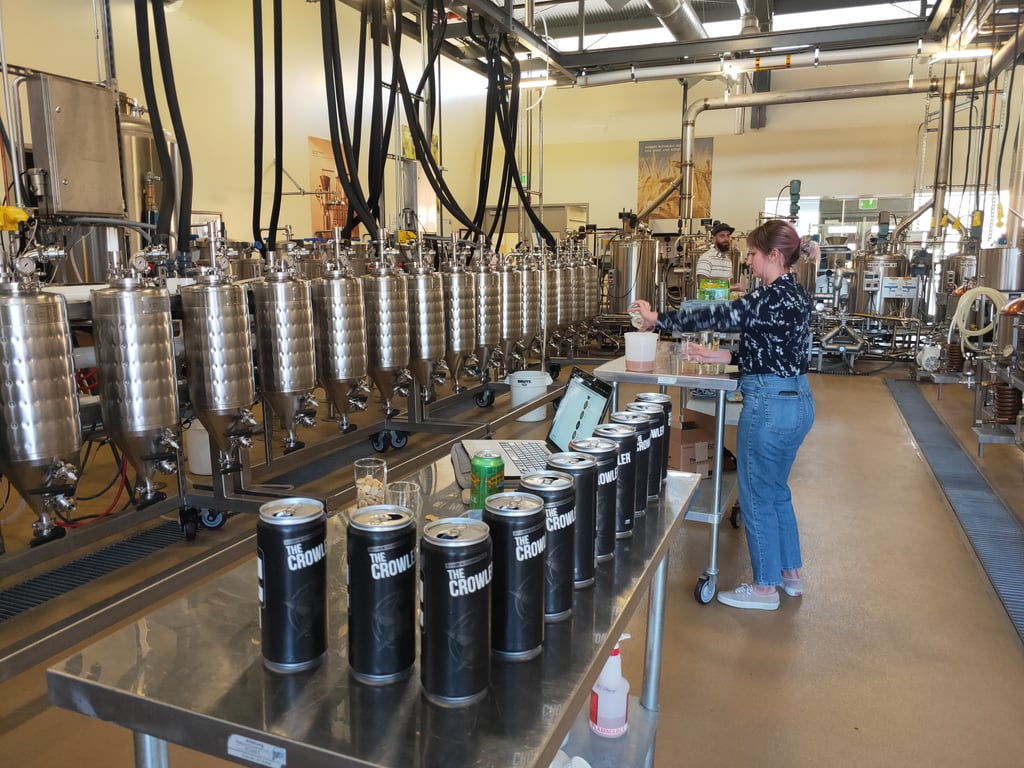
“At the same time, hands-on brewing programs are resource-intensive. They require specialized equipment, ingredients, lab space, regulatory compliance, and trained faculty and staff who understand both industry practice and academic teaching and mentorship,” she said
University of California, Davis professor of malting and brewing sciences Glen Fox echoes this sentiment. He says hands-on practical experience is essential, but it’s a serious investment. UC Davis boasts one of the best brewing programs in the country that dates all the way back to 1958. The school’s LEED Certified (Leadership in Energy and Environmental Design) brewery was donated by Anheuser-Busch in 2005.
“If we had to buy everything we’ve got today, I think you’re looking at close to a million dollars,” he says.
Gen Z is drinking less
UC San Diego and Dakota County Technical College blamed low enrollment as the reason for ending their programs. This could be part of the larger trend we’ve seen with Gen Z imbibing less in general.
A 2023 Gallup survey found that the share of adults under 35 who say they drink alcohol fell by 10% over the past two decades, from 72% to 62%
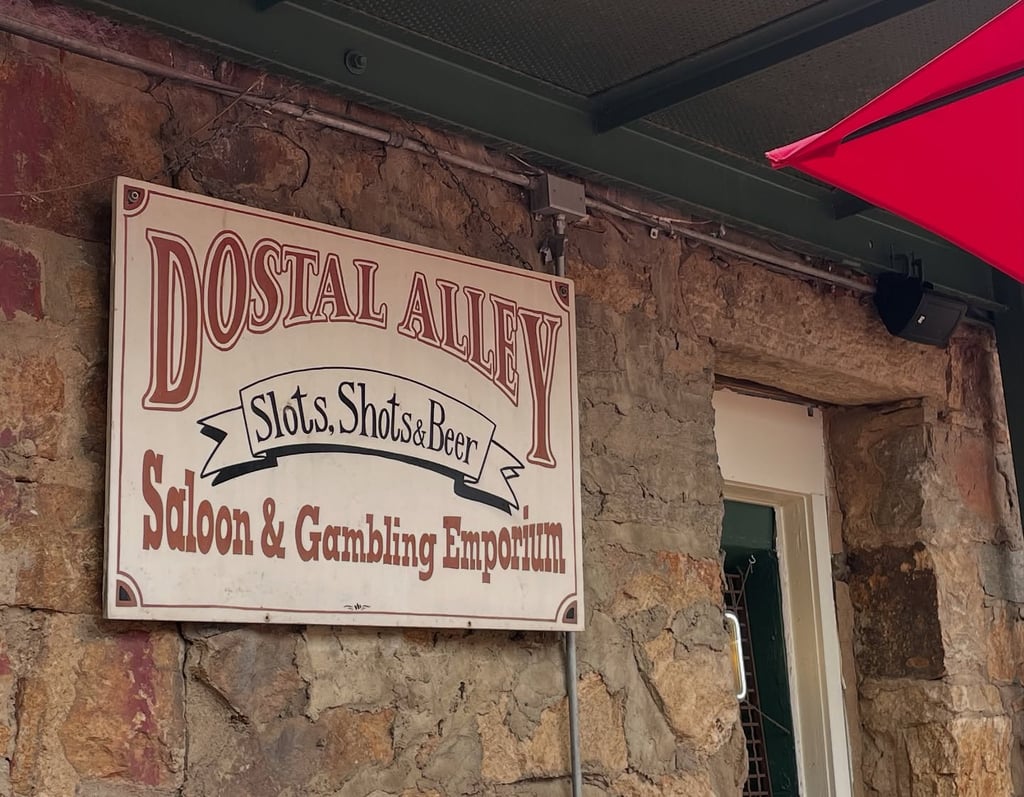
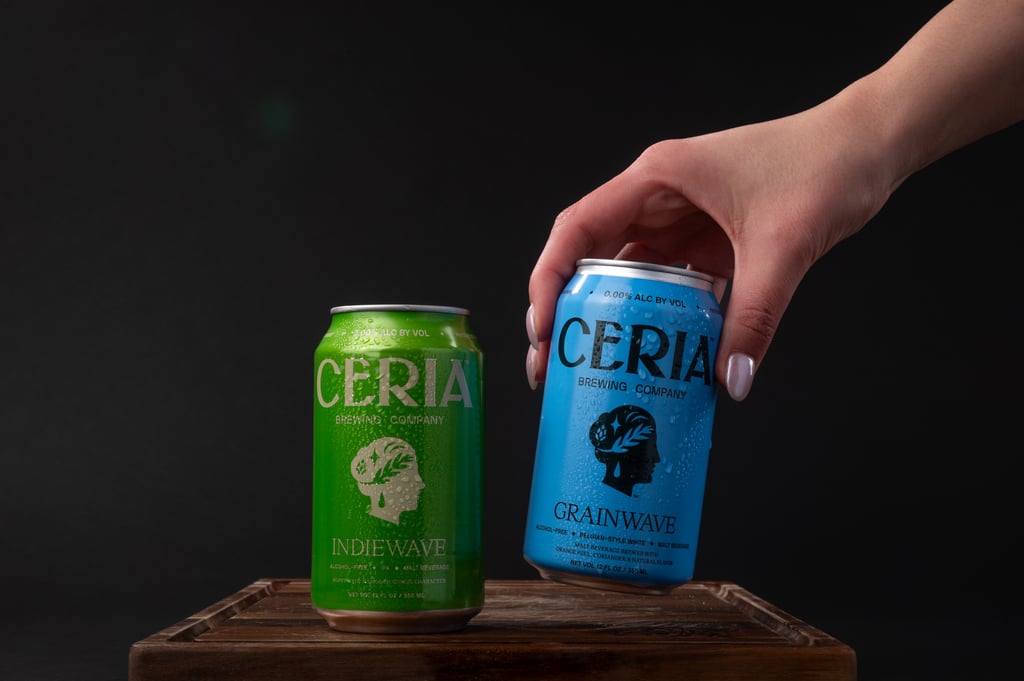
Today’s 20-somethings are more health-conscious. There are now more alternatives, such as non-alcoholic options, or even other newly-legal vices like marijuana and gambling. A shift in social patterns, such as younger people spending less time with friends, also likely contributes.
Financial factors play a role, too. Days of the “dollar-you-call-it” special have ended. It’s common to pay up to $8 for a single beer, and that’s on the cheaper side. All of this ties into the broader conversation around Gen Z & Alcohol, as younger consumers are drinking less, spending more selectively, and viewing beer as far less fashionable than previous generations did.
“I’ve got students in the class this year who don’t drink alcohol, so they’ve actually made non-alcoholic beer,” Fox says. “… So clearly that is a reality. There’s this generation from the late teens to 2021, where drinking alcohol—and particularly beer—does not seem terribly appealing to them.”

Program structures and the drinking age
The law also gets in the way of brewing programs’ success. The majority of students don’t turn 21 until their junior or senior year. Fox said that thatmor created serious educational limitations at UC Davis; they have to jam two years of education into one year.
“If you are producing a product that will be consumed, sensory experience is an absolutely critical part of evaluating the quality of your product,” Fox says
He points to schools overseas, such as VLB Berlin, that don’t have this issue. In part, it allows these schools to offer dedicated brewing degrees, not just certificates.
But Fox says being a part of the food science department has helped them maneuver around the drinking age barrier like a fake ID. Students will learn basic biochemistry, a fermented foods course, and other core education that prepares them for the brewing classes. Many food engineers take the class, so they already understand technical aspects like the thermodynamics of heat transfer and laminar flow before they get into the brewing courses. Other schools’ brewing programs are not so conveniently connected to related fields.
Rocky times for the beer industry
Some school officials said the state of the beer business impacted their decisions to end their beer courses.
“A lot of this decision [to end the program] has to do with the challenges in the craft brewing industry, which has created a very different landscape than when SUNY Morrisville first undertook the operation,” said school spokesman Graham Garner in NYup.com
The craft industry was booming, became oversaturated, and now breweries nationwide—including legacy craft brewers—are tapping out. Last year was the second year in a row where closings outpaced openings, with 268 new brewery openings and 434 closings. There was also a 5% decrease in craft beer production overall, according to Brewers Association Data.
“If the craft beer industry is a ship, we can comfortably say we’re no longer in the safety of a harbor. The days of relative calm are behind us, and brewers are getting their sea legs in this new, challenging open water,” said staff economist Matt Gacioch in the Brewers Association’s Year in Beer report.
Signs of life for the next generation of brewers
While many of these challenges in higher education parallel what’s facing the brewing industry as a whole, it does not mean all brewing programs will sink.
“I would be cautious about interpreting a few closures as a universal trend,” Bettenhausen says. “Higher education broadly is facing enrollment pressures and budget scrutiny across many disciplines, not just brewing.”
Both Fox and Bettenhausen also say their students are deeply interested in the science of brewing, from fermentation to product development.
“They’re just really curious about the brewing process,” Fox says.
They’re also interested in the 10,000-year history of beer, how beer became medicine for many cultures, and how it was used in celebration and religious rites. Fox said they’re intrigued by beer representing the poor and downtrodden in older cultures with inherently classist divisions.
“They appreciate the importance that beer has had on human culture,” Fox says.
Another positive signal is that students are getting good jobs. Fox says many of UC Davis’ students start off on the brew deck right out of school, sometimes before they even graduate.
There is also plenty of innovation coming from the beer world, like always. Fox expects that to continue. For example, the emphasis on sustainability in the beer industry, such as utilizing spent grains and water recycling, can be transferred to other businesses.
“The brewing industry will still lead, because we have to adapt. We have to innovate,” Fox says.
And both Fox and Bettenhausen are holding out hope that the younger generation will warm up to beer. Fox continually encourages his students to try different beer styles. He tells them just because you’ve had one, it doesn’t mean you’ve had them all.
“The trends seen in Gen Z are cyclical. I wasn’t drinking anything except $1 Long Island iced teas when I was 21,” Bettenhausen says. “They’ll come around.”








Conversations (0)
No comments yet.