



Simplify Your Way to Success by Brewing Fewer Beers
 Story by:
Ben Keene
Story by:
Ben Keene
It’s hardly a secret that craft beer’s production volume is on the decline. After ending up down 1% in 2023, it fell to -4% in 2024. Most predictions have 2025 one or two points lower still. The Brewers Association explains the situation as a “painful period of rationalization,” and while that may ring true, it’s a far cry from the optimistic tone that the trade organization took in years past. At the same time, the industry’s recent struggles have encouraged more than a few pundits to make an even gloomier prediction: the imminent demise of craft beer.
Hyperbole aside, growth is still possible in today’s challenging climate, as breweries of different sizes have demonstrated to varying degrees around the country. But it won’t be easy. Yesterday’s playbook isn’t necessarily going to be as helpful anymore. And the days of seeing what will stick by throwing paint at the wall—or more hops at a recipe—are long gone.
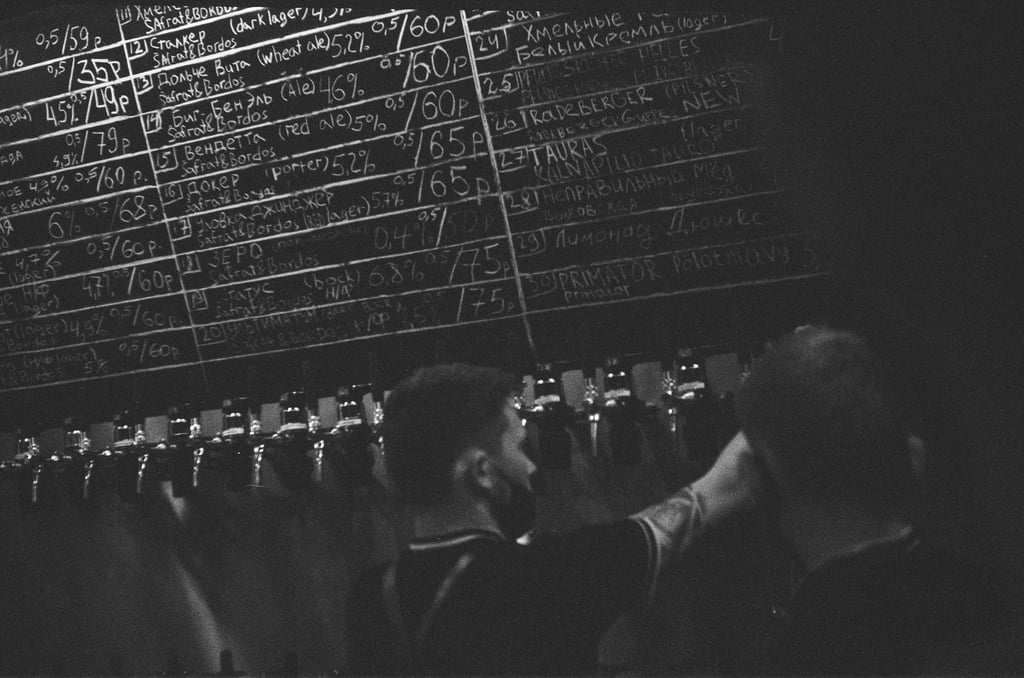
There was a time when drinkers flocked to taprooms, eager to taste something new, with no two visits resulting in the same order. Craft beer had a lot of energy behind it, and people were eager to experience flavors and ingredients they hadn’t tried before. Breweries encouraged this habit too, pumping out multiple beer releases week after week that included everything from breakfast cereal to roasted tomatoes.
In fact, plenty of craft brewers continue to pride themselves on their ability to produce a staggering variety of beers. Some might boast about their breadth, or their refusal to commit to a flagship. The beer landscape has changed, however, and today’s market is much less motivated by novel and offbeat offerings. Wholesalers, retailers, and consumers are looking for consistency, dependability, and value. In other words, it’s time to simplify and to treat personal branding as part of that strategy.
Think back over the past month or two; what’s the question you’ve heard most frequently from your taproom regulars, your key accounts, and your distributor? Are they asking what’s new, or do they want to know what’s good, what’s popular, and what you’re enthusiastic about? Are they interested in trying a beer they’ve never had before, or are they wondering when you’ll bring their favorite back?
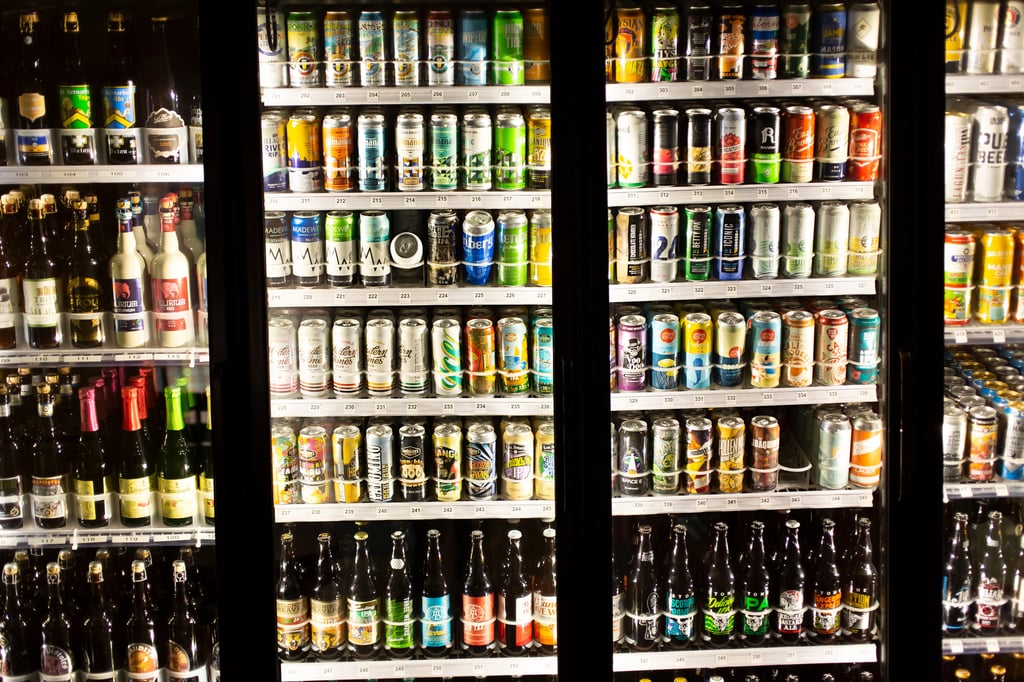
Too many beer menus and too many cooler shelves, once full of exciting possibilities, now seem overwhelming to the average beer consumer. The once pleasurable task of navigating to something different has become daunting. Can your staff keep up with all of your new releases? Are they able to effectively communicate the key differences between beers on an ever-changing tap list? Are you putting any marketing muscle into that next big release, or are you just counting on newness to sell your beers? Is your distributor urging you to introduce a new brand, or are you burying them in sell sheets and custom POS? Let this be the year you refocus—without sacrificing creativity.
Why Tightening Your Beer Lineup Makes Sense Now
The inflation rate has come down somewhat from its highs last year, but with people going out less frequently and hanging on to their disposable income just a little longer these days, you’re going to want to deliver on quality and value. Because for every person who scans a beer menu for something new and unfamiliar, there’s an equal if not greater number of drinkers out there who find pleasure in predictability. They’ve got a particular beer or a style that brings them joy every time they order it, and only occasionally do they branch out to try other things. They want to know they’re going to enjoy their next pint, and for that reason, are more likely to order a brand or a style they’re familiar with, versus one that’s flashy and fleeting.
In my opinion, the testament of an exceptional beer is a reorder. “Another pint of the same” should be a rallying cry for your business. When someone has a great beer at your brewery or out in the market, it can cut through the noise, making an impression and forming a memory. However, if that person isn’t able to find the same beer again within a reasonable amount of time, you run the risk of disappointing them when you could be building loyalty. Yes, you can steer someone to a similar beer if what they enjoyed on their last visit is out of stock. And maybe they’ll like it just as much. But there’s also a chance that you miss out on gaining a new customer who shows up regularly for a fresh 4-pack or 6-pack.
And here’s another pitfall that can be easy to forget when you’re feeling market pressure to constantly innovate: an overabundance of any product actually runs the risk of creating brand confusion, potentially weakening brand identity. The average shopper, no matter how much of a beer fan they are, can only retain so much information at any given time. And it’s highly unlikely that your brewery is the only brand they’re loyal to. So while they’re struggling to recall the most recent beer you shared on social media, they’re probably also noticing competitor brands that they recognize. Cognitive overload is real. Make it easy for someone to choose your beer from the scores of available options.
Meanwhile, back in your taproom, slow-moving beers tie up draft lines, hurting your ability to earn a higher margin for on-premises revenue. You don’t want a handful of kegs sitting in your walk-in for months on end, emptying at the rate of 10 or 15 pours a day. Or cans slowly dying in your cooler as 90, 120, or 150 days go by. Did you find yourself dumping beer last year? Underperforming brands aren’t doing you any favors, especially during another year when industry headwinds are expected to continue, if not worsen. Take note of your winners and losers and pare down your offerings accordingly.
How to Achieve Focus and How it Helps You Long-Term
While a nimble and resourceful approach to business certainly helped many craft breweries generate demand and differentiate themselves in the 2010s, a decade later, there’s more red ocean than blue ocean on the horizon. And yet, whether you’re creating a new market or competing in an existing one, growth and profitability start with quality you can replicate. A lot of time, energy, and resources go (or should go) into developing and launching new products. If you’ve been cranking out near-identical IPAs with similar production volumes and rates of sale, it might be time to think about optimizing your lineup instead of maximizing it.
Collect customer feedback and use it to guide your decision-making. Did dozens of people compliment the small-batch Baltic Porter you brewed for the colder months? How many of them also bought beer to-go after trying it? Instead of constantly racking your brain for something else to brew, consider bringing a unique yet popular beer back later in the year. Or plan for a bigger batch in 2027. Are your regulars steadily ordering the rice lager that just went on draft? Maybe you’ve stumbled across the perfect taproom exclusive to work into your lineup when you’ve got an opportunity and the tank space to spare.
Obsess over your favorite recipes and pay attention to what’s selling. Fine-tune the beers you love to brew and the ones that have earned a devoted following.
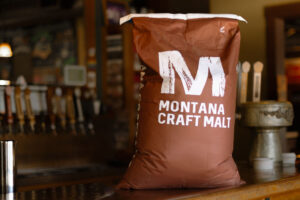
That isn’t to say you need to abandon innovation and experimentation. Try that new hop product. Make subtle changes to fermentation times or temperatures. Consider substituting one or more craft malts to dial up the flavor and highlight regional grain.
It’s fun to push the envelope and color outside the lines every once in a while. And your fans don’t want to see the same tap list every time they turn up. But use creativity strategically, and you’ll end up with meaningful additions to your portfolio.
Another key way that focus can help is with management and logistics. At a small brewery with an already busy team, operational complexity is not your friend. Warehousing, forecasting, raw material sourcing, and quality control all of these things become more difficult with a larger range of beers. By thinning out your recipe book and focusing on what really works, there’s a good chance you’ll be able to increase production of several of your bestsellers. When resources are tight, focusing on fewer beers could also give you a little more leverage with your suppliers. Or you could allocate more resources to other areas of your business. Put it into marketing those high-velocity beers, earmark it for taproom upgrades, or use it to beef up your merch selection. Trade production stress for sales success.
And finally, don’t overlook the sales appeal of a streamlined selection. At retail, you or your sales reps—who only have a few minutes to pitch, sample, or collect feedback—already have a lot to communicate. The same goes for your distributor partners, who are tasked with representing dozens of breweries and all of their products. Pushing to get more shelf space may seem like a win, but you could also be inviting consumers to choose between two of your beers. Is that grocery store or C-store shopper likely to pick up more than a couple of six-packs on a single visit? Did any of your key accounts pass on a release recently because they hadn’t sold through the beer that preceded it? A tight product range with a trustworthy track record is a compelling sales bid these days. You might even call it a rational approach.
Feature image credit: Viktorya Sergeeva




Conversations (0)
No comments yet.